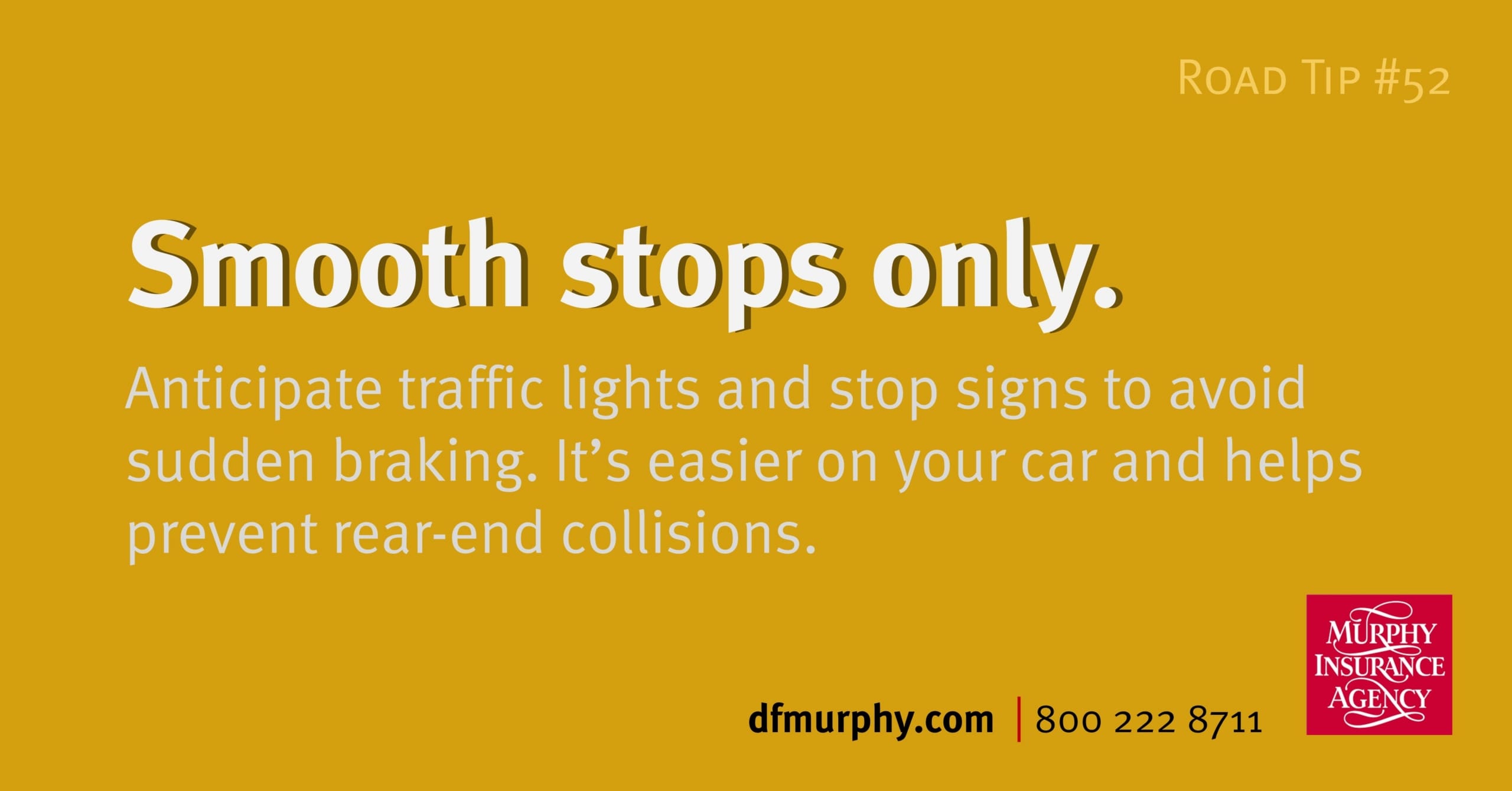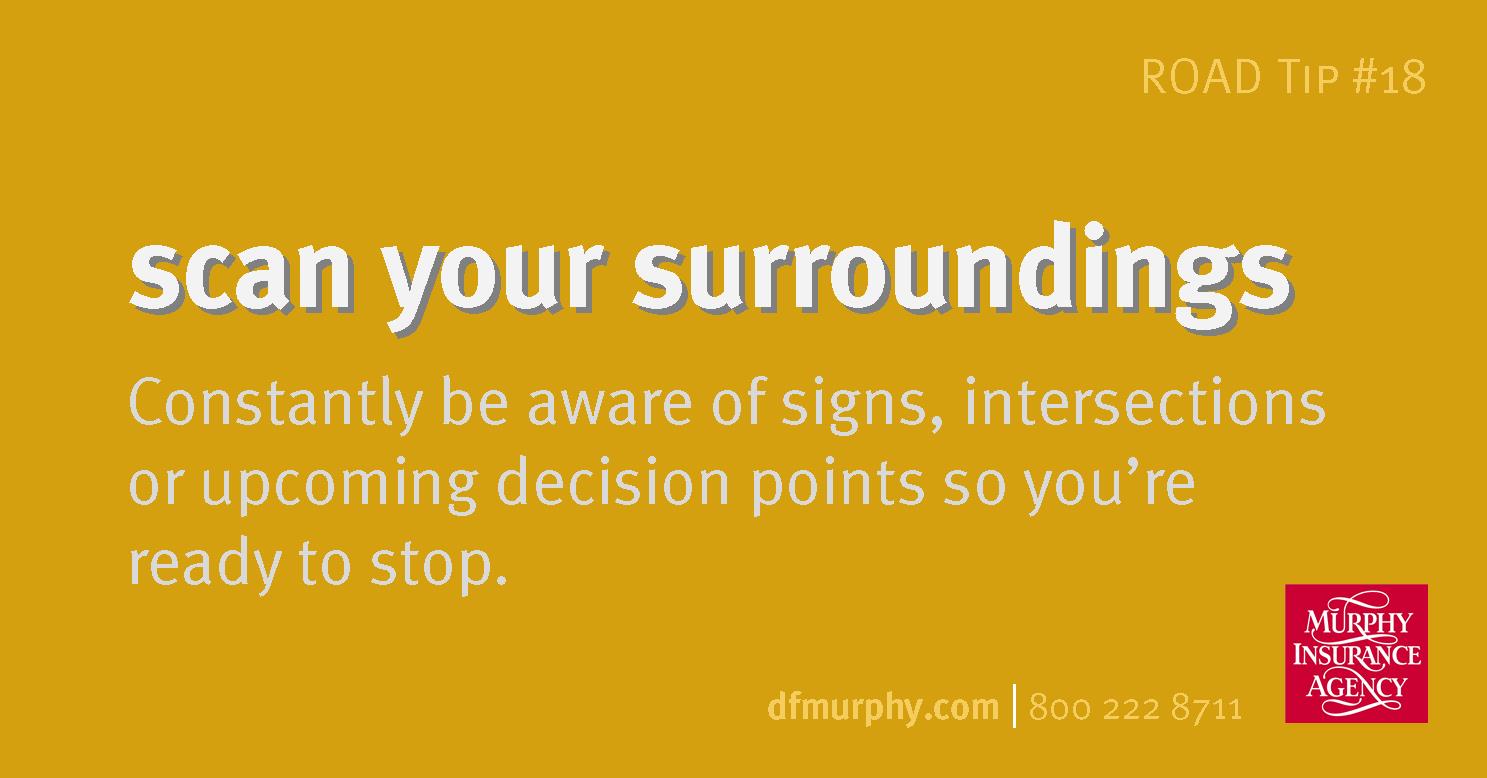
Here are key habits to develop for anticipating stops:
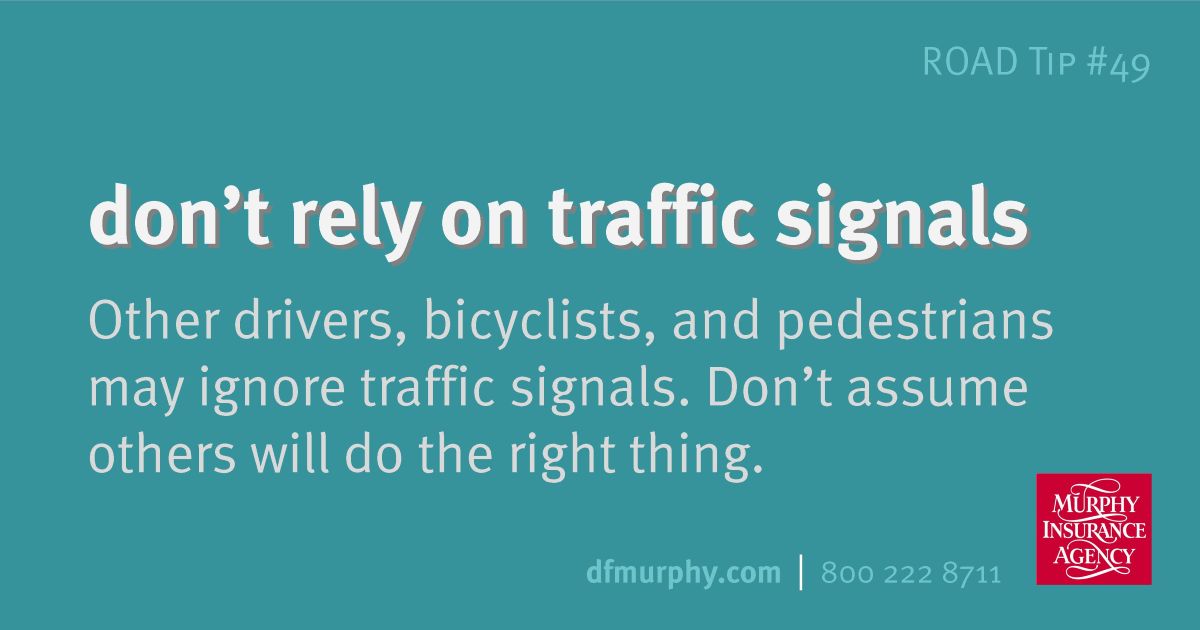
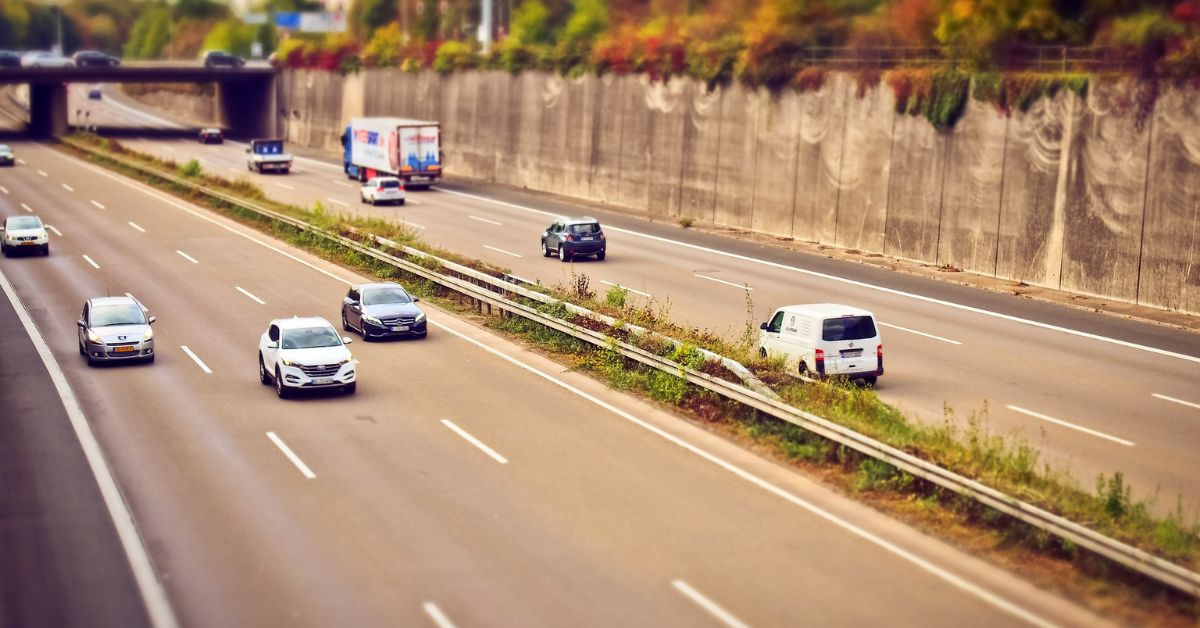
- Watch traffic signals ahead and begin slowing early
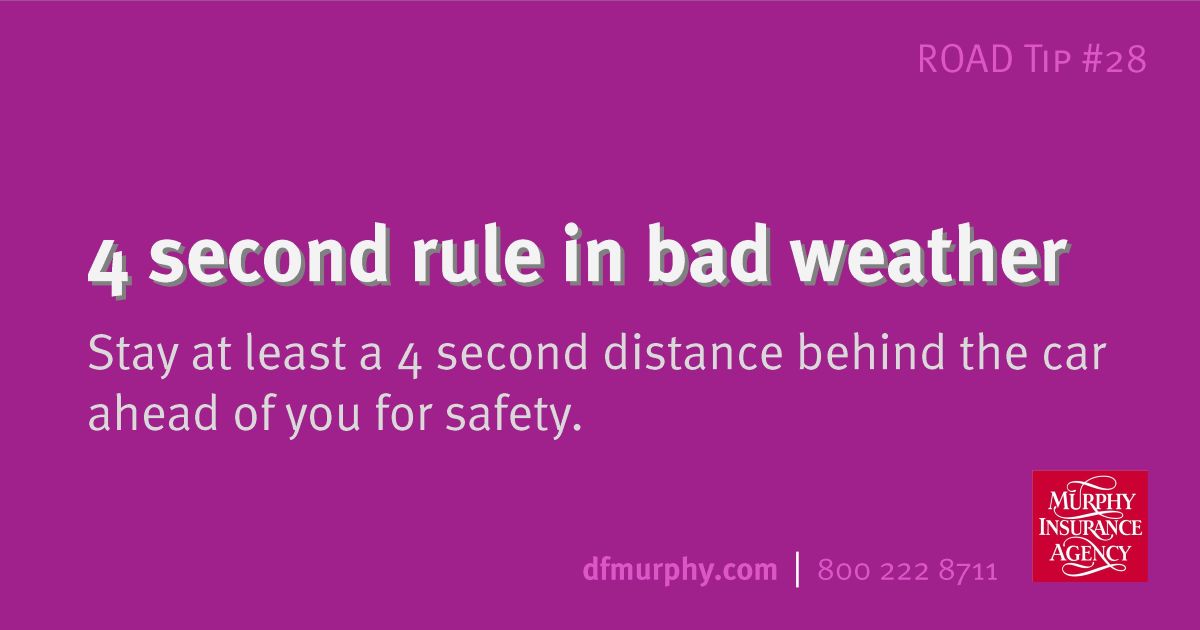
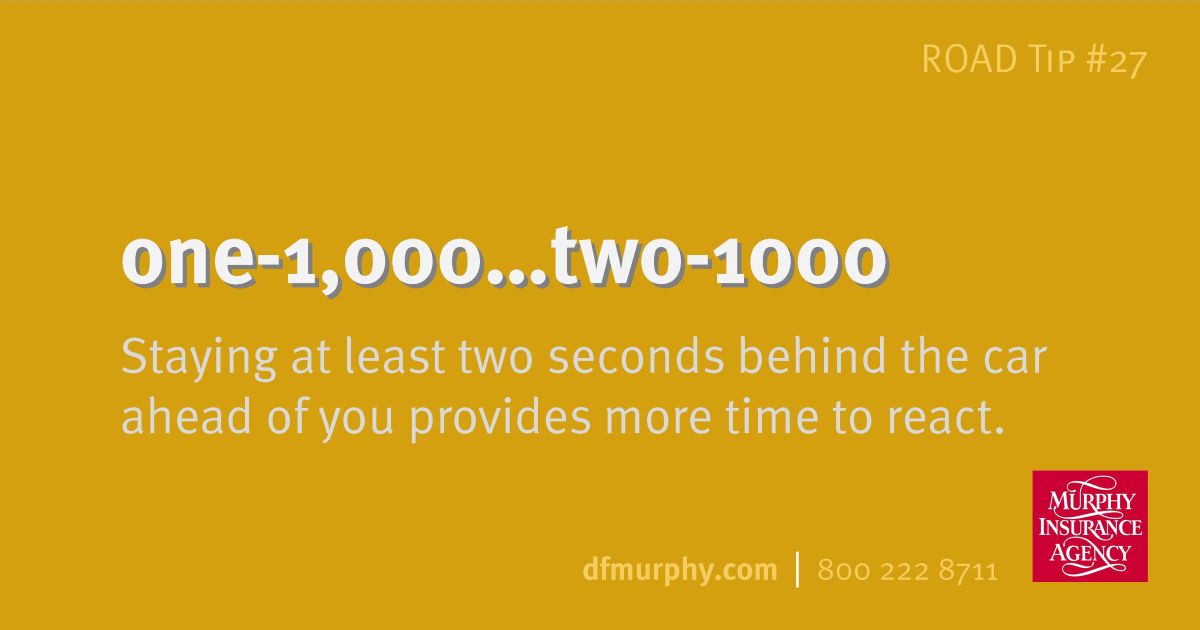
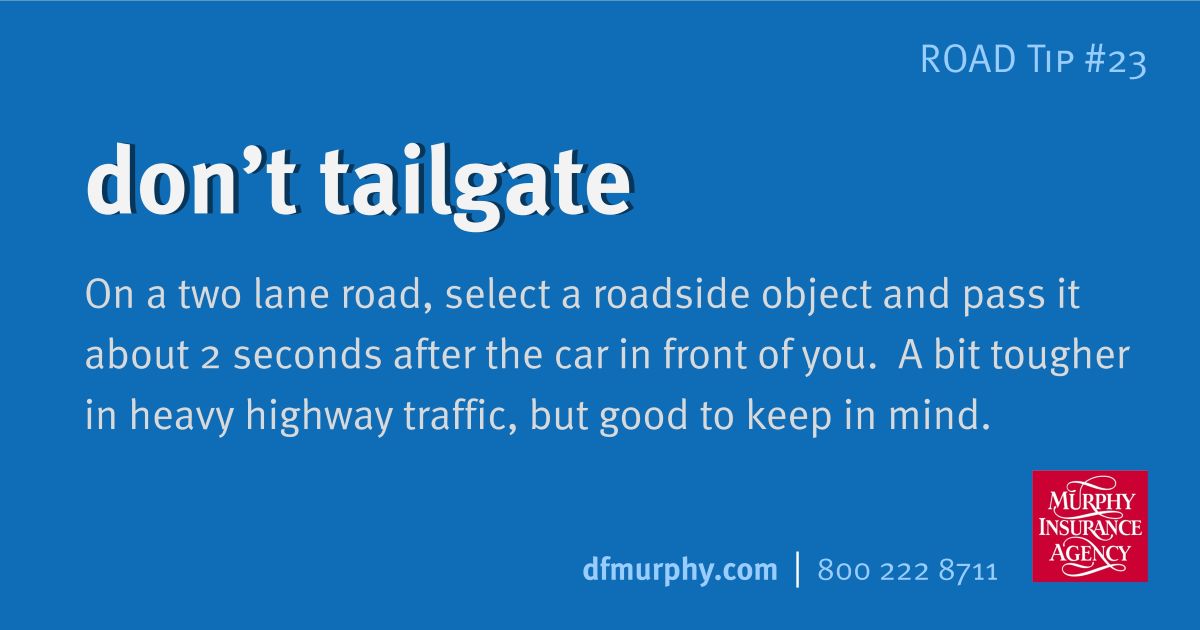
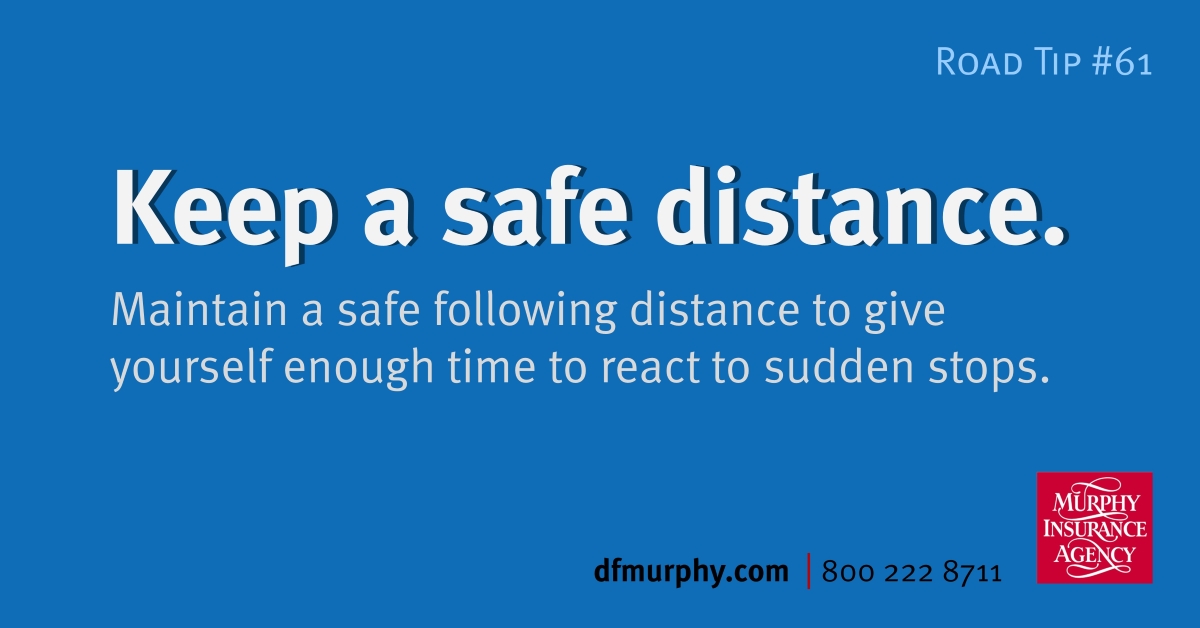
- Keep a safe following distance to give yourself room to brake gradually
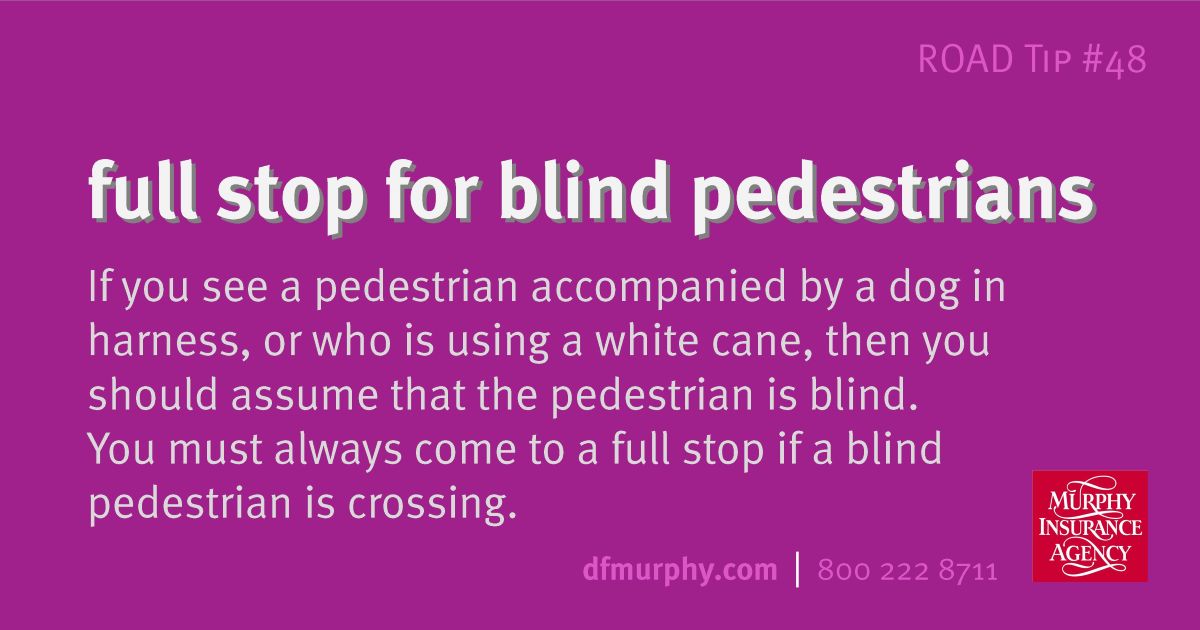
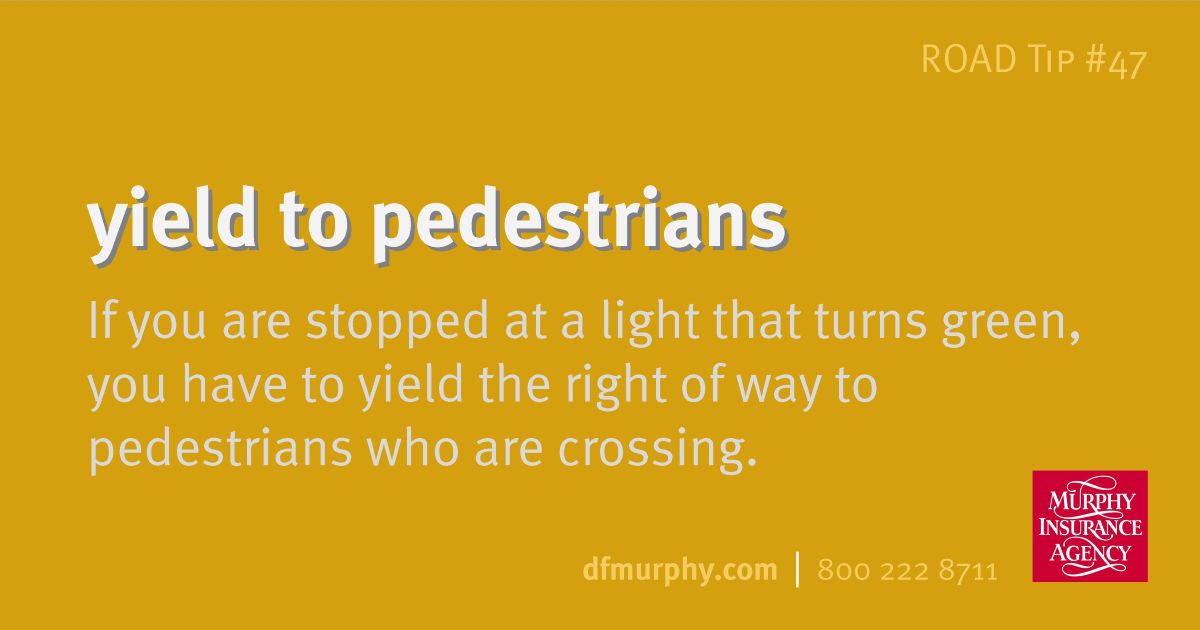
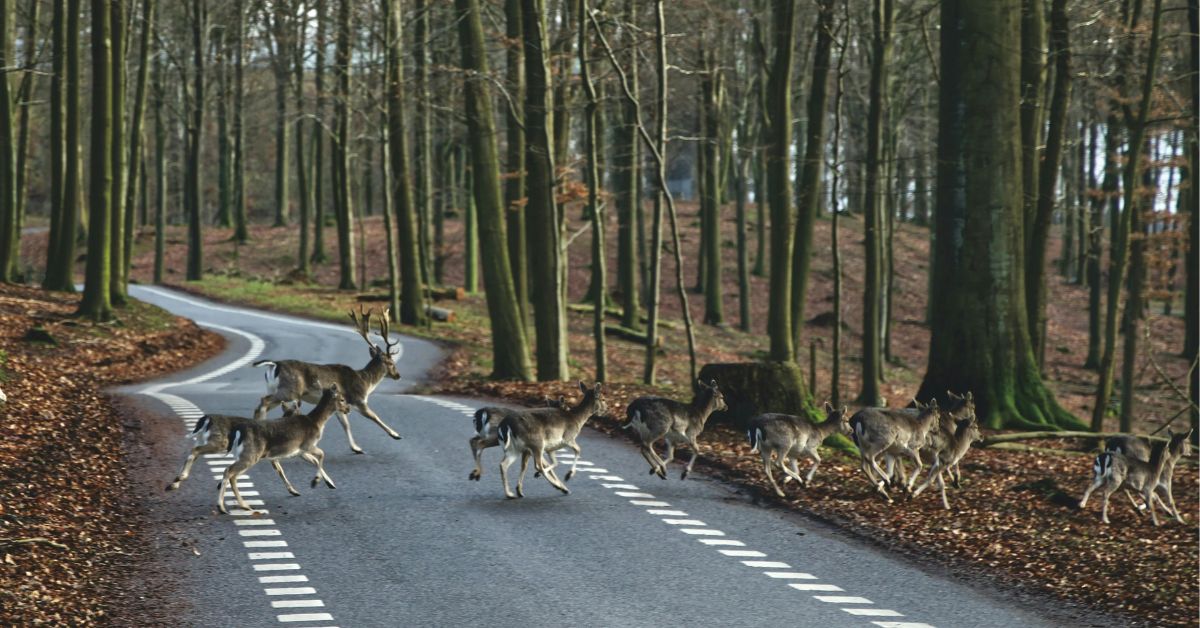
- Scan intersections for pedestrians or cyclists who might affect traffic flow
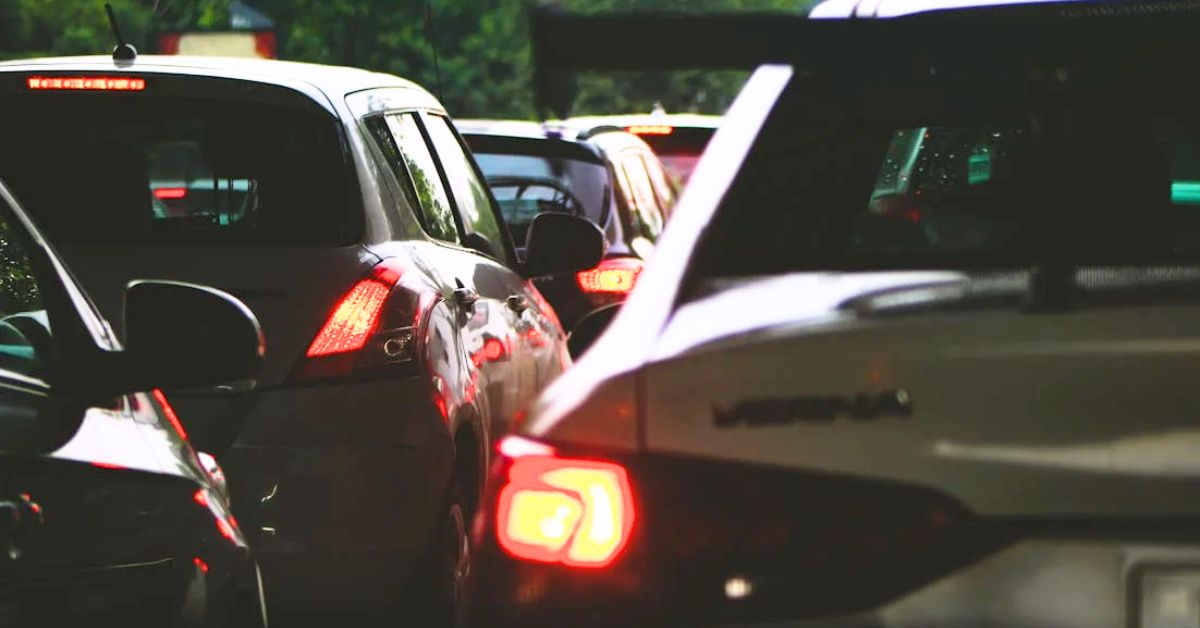
- Pay attention to brake lights on cars ahead as an early warning
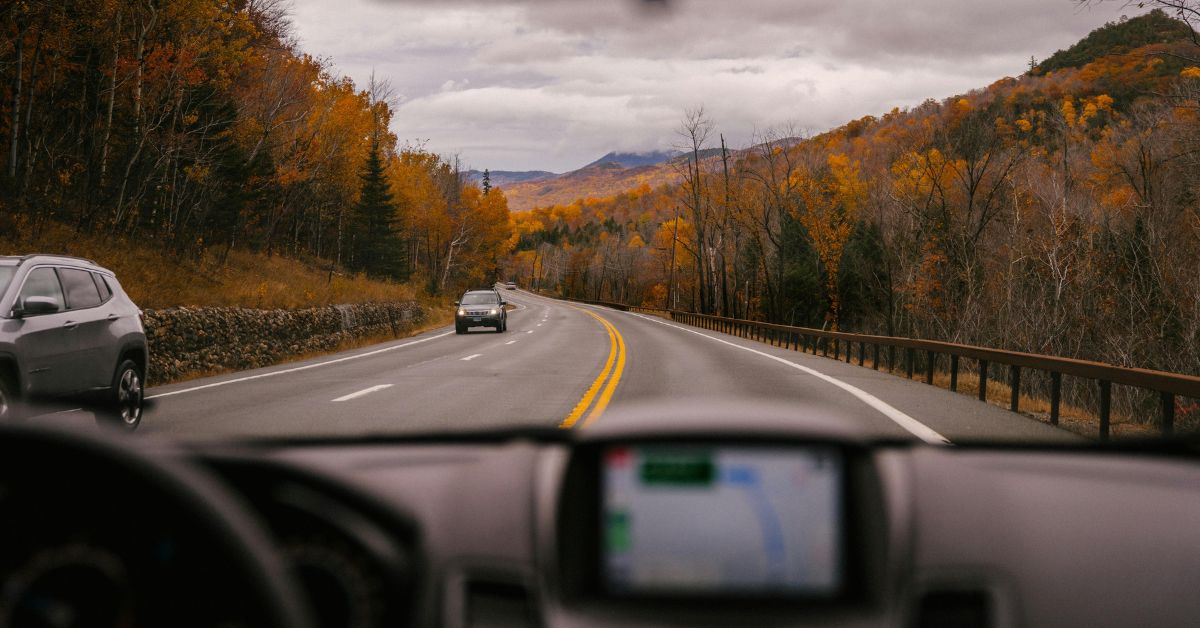
By staying alert and looking farther down the road, you give yourself extra time to adjust your speed gently.
Safer Roads, Smoother Driving
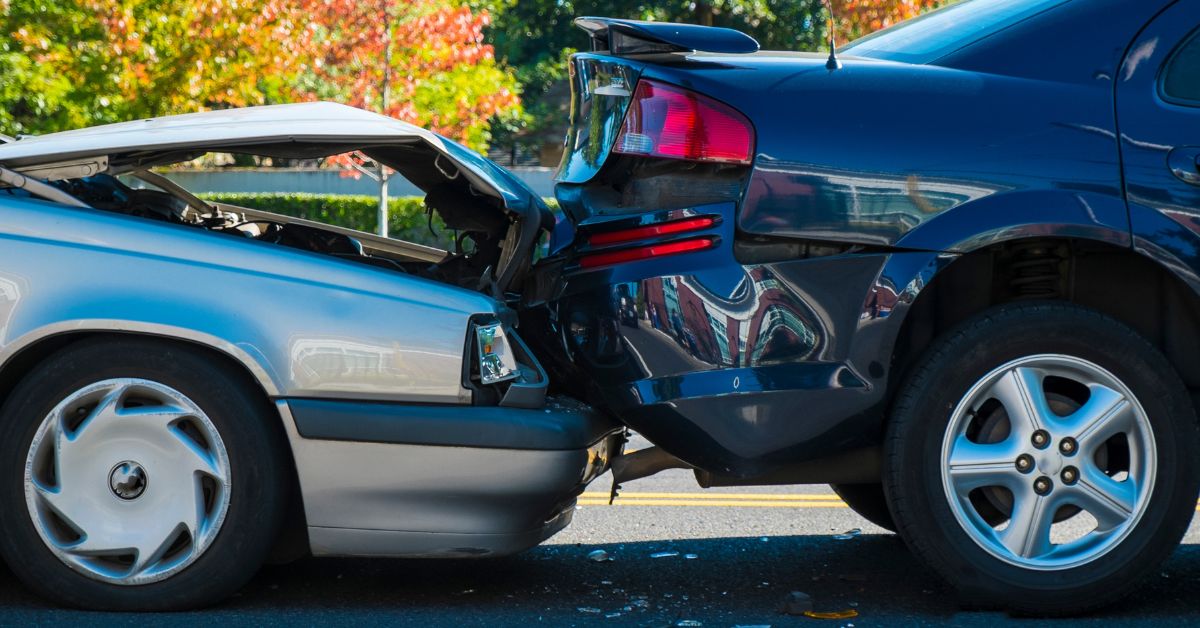
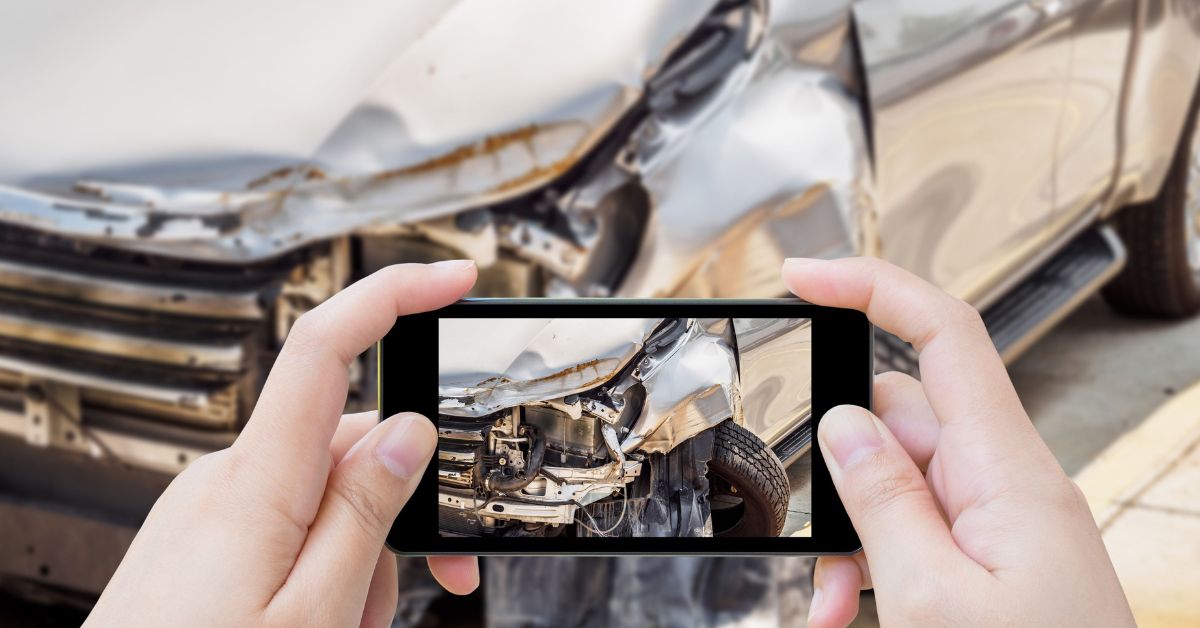
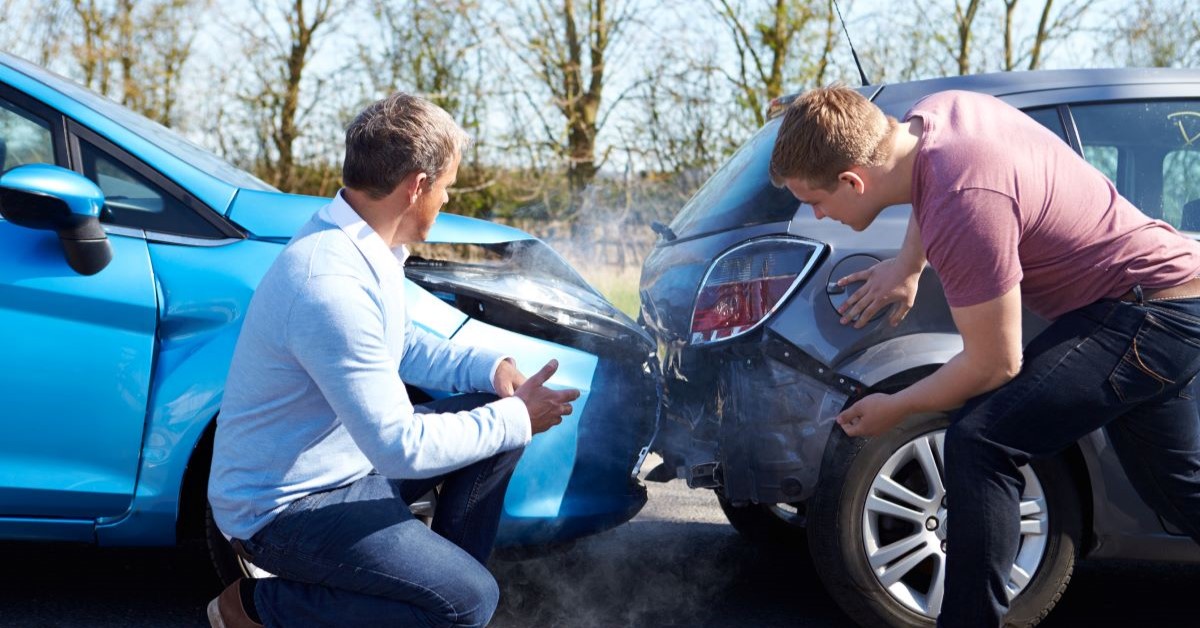
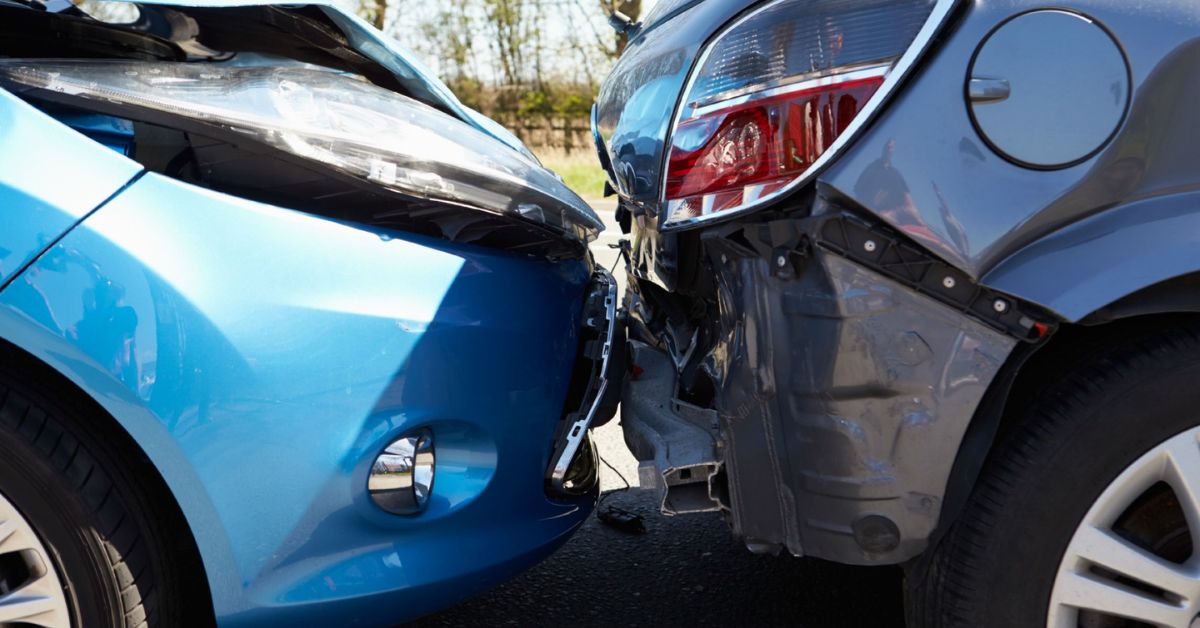
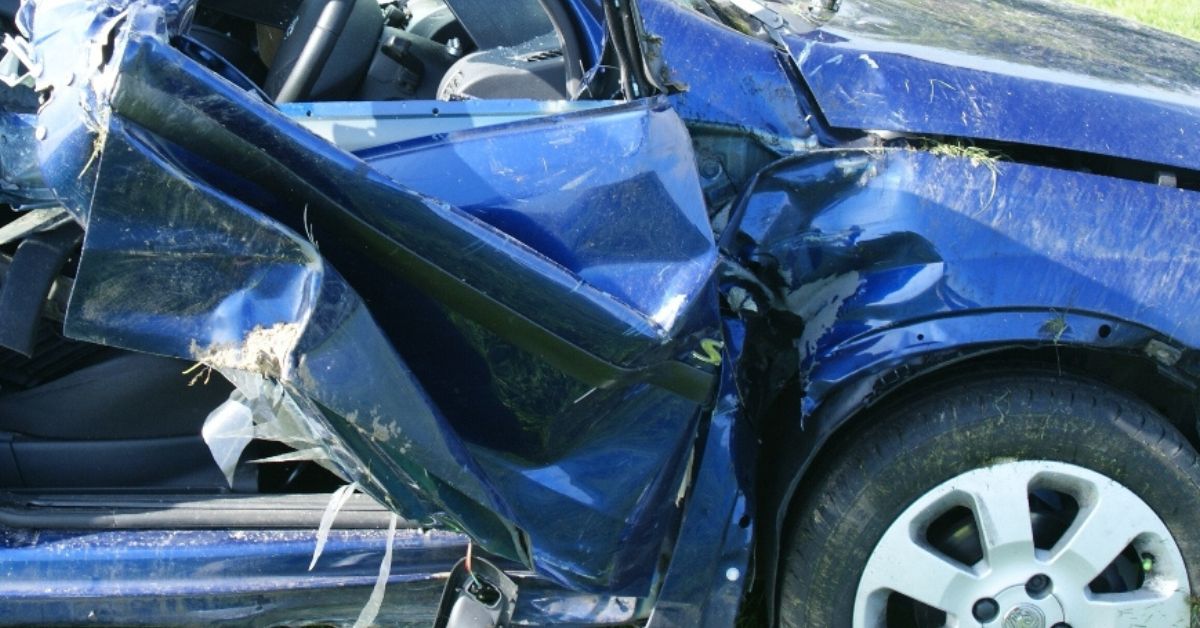
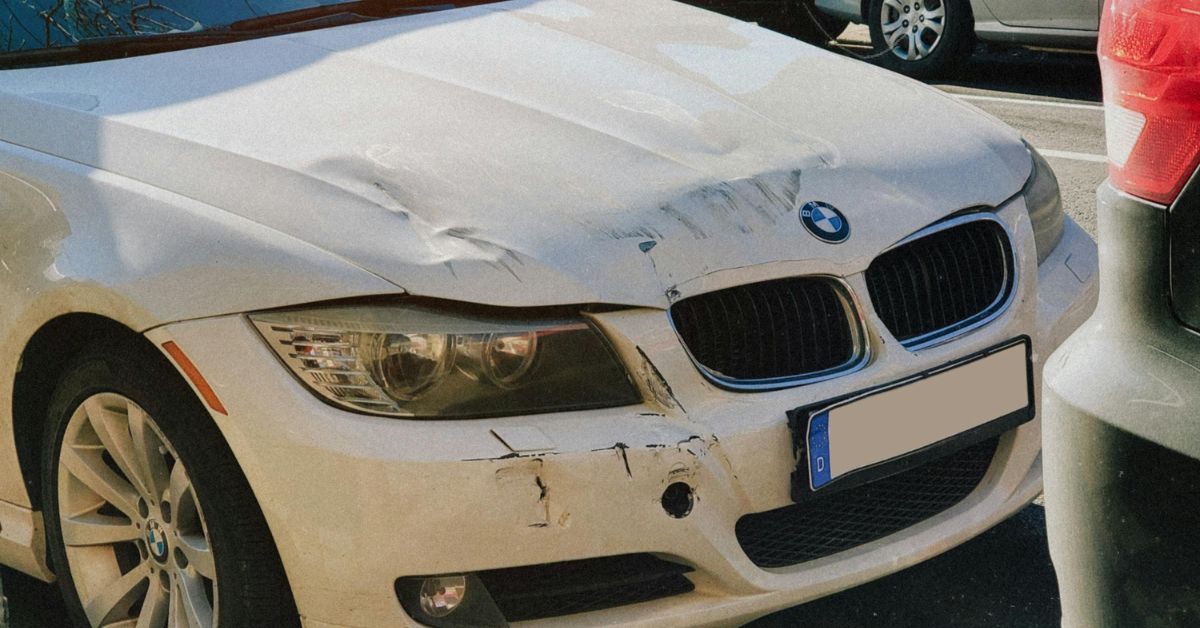
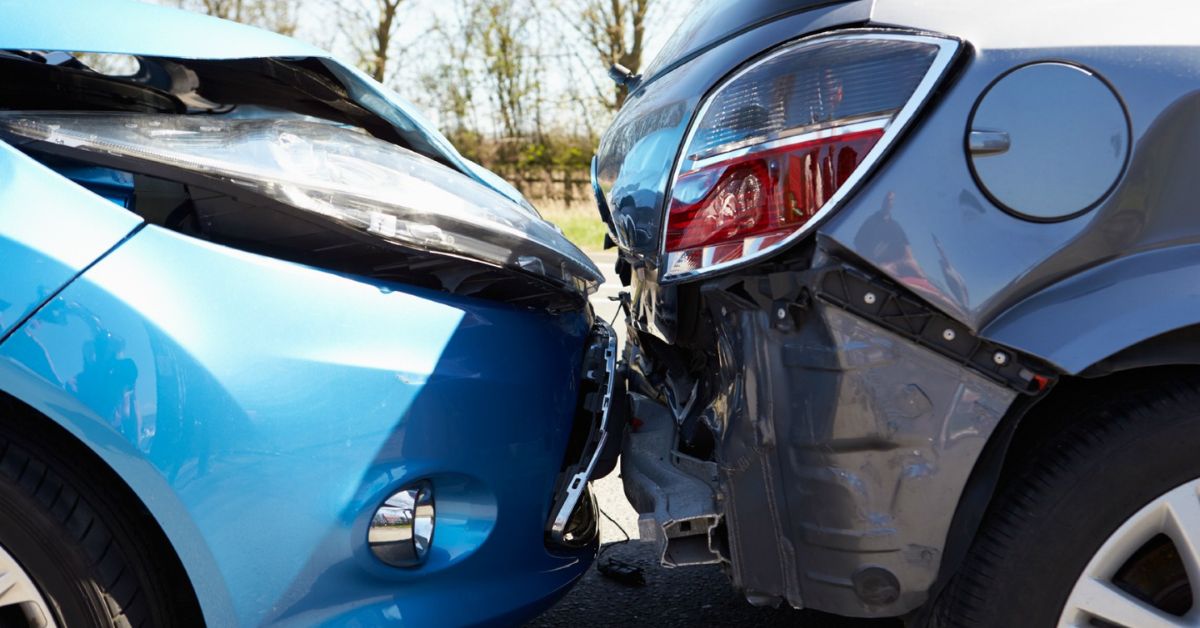
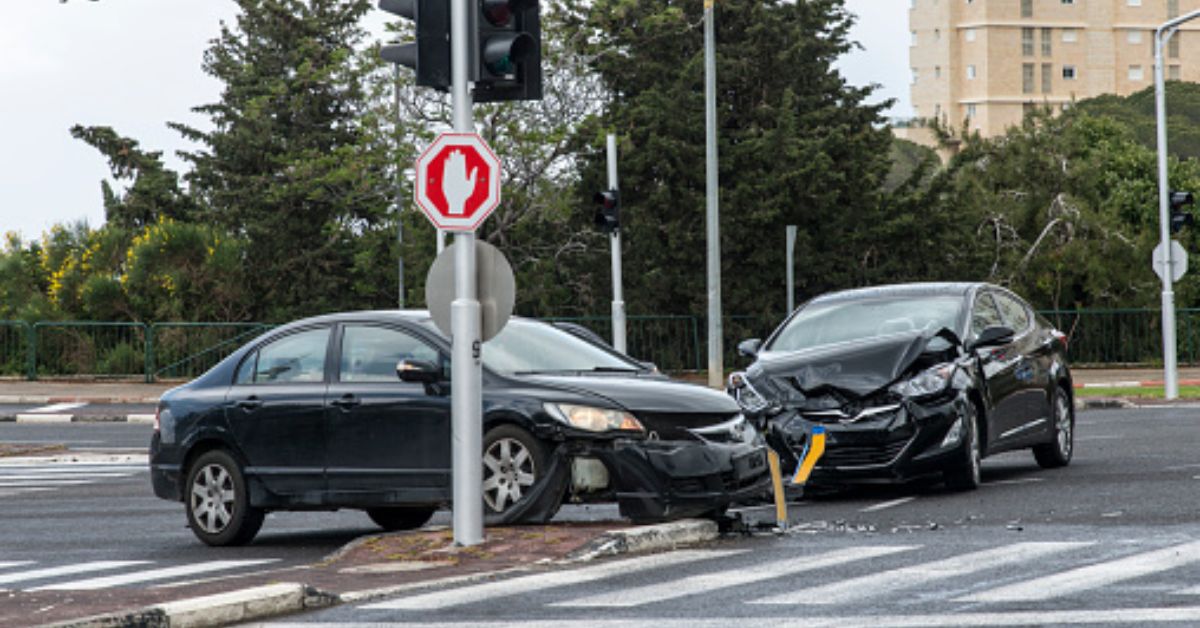
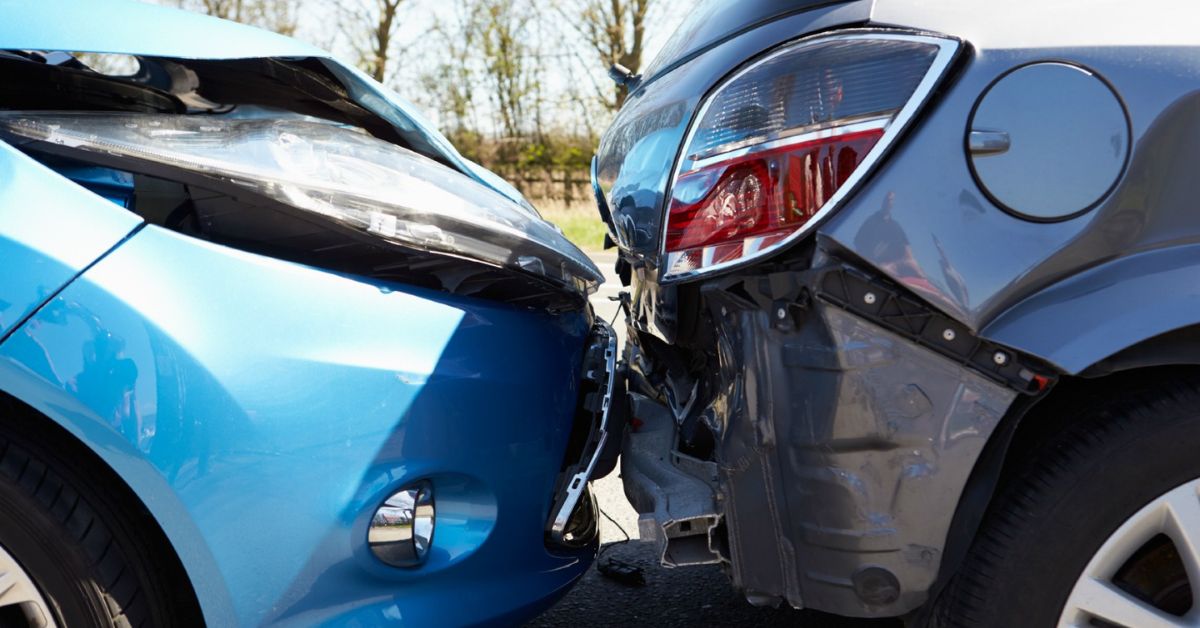
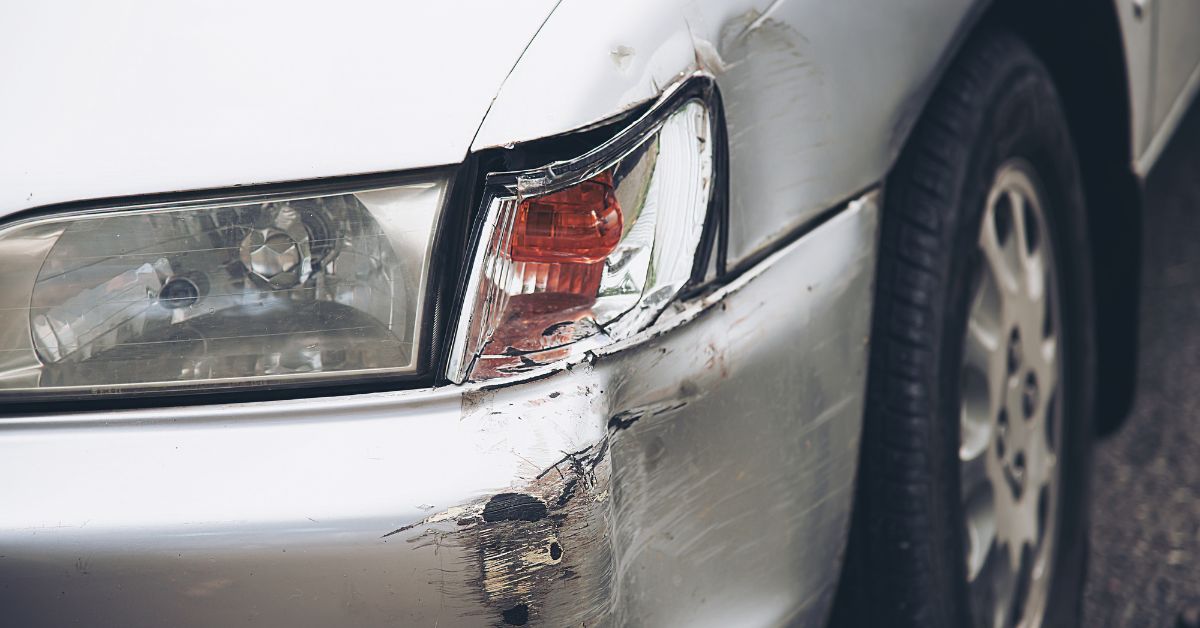
Sudden stops catch drivers behind you off guard and can lead to dangerous chain-reaction crashes. Rear-end collisions are among the most frequent insurance claims and often happen when braking is abrupt or unexpected. Benefits of smooth stopping include:
- Reduced risk of collisions caused by tailgating
- Less stress and fatigue for you and other drivers
- More comfortable rides for passengers
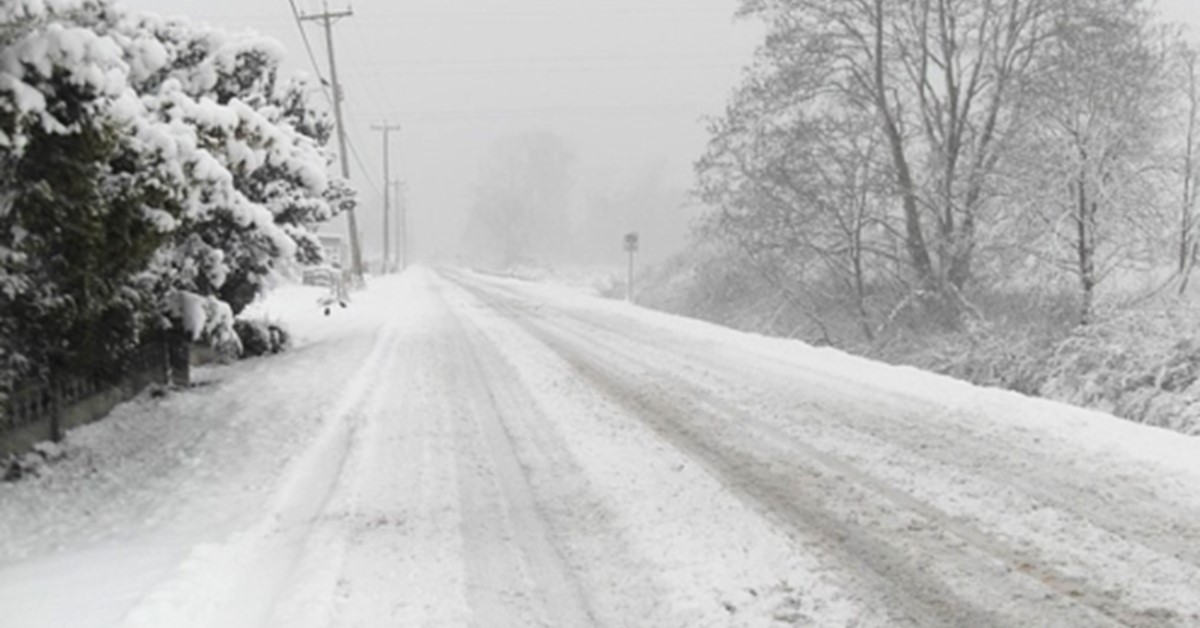
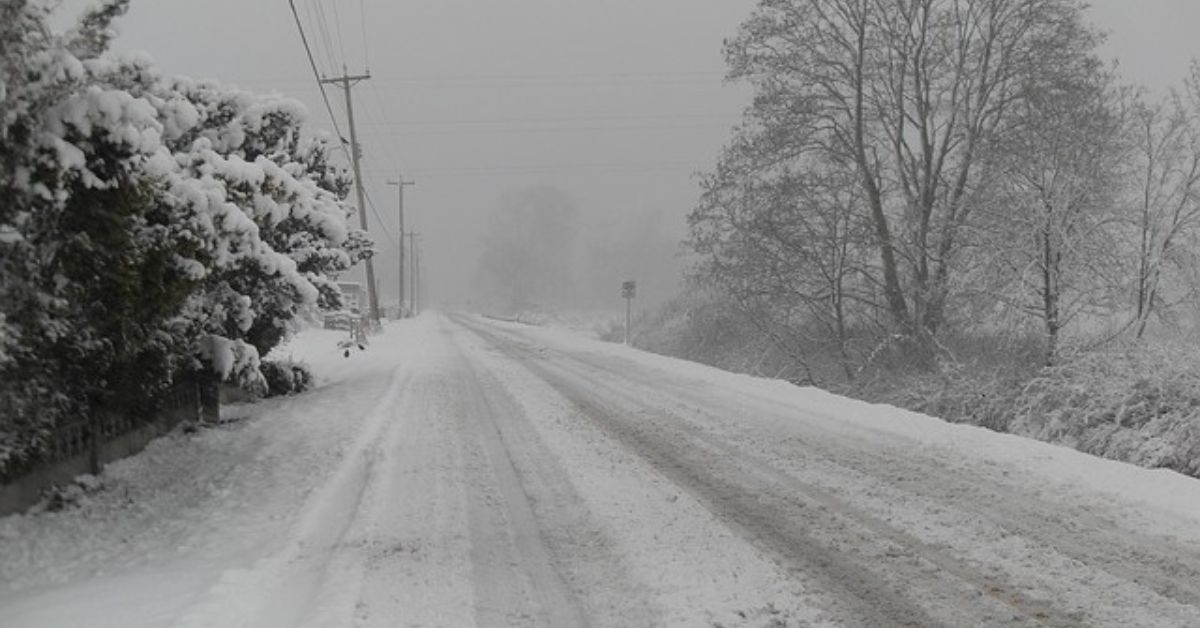
- Improved control in wet or slippery conditions
Developing the habit of smooth stopping is not only good for your car. It’s a smart way to drive defensively and keep everyone safer on the road.
Slow Down to Stay Ahead
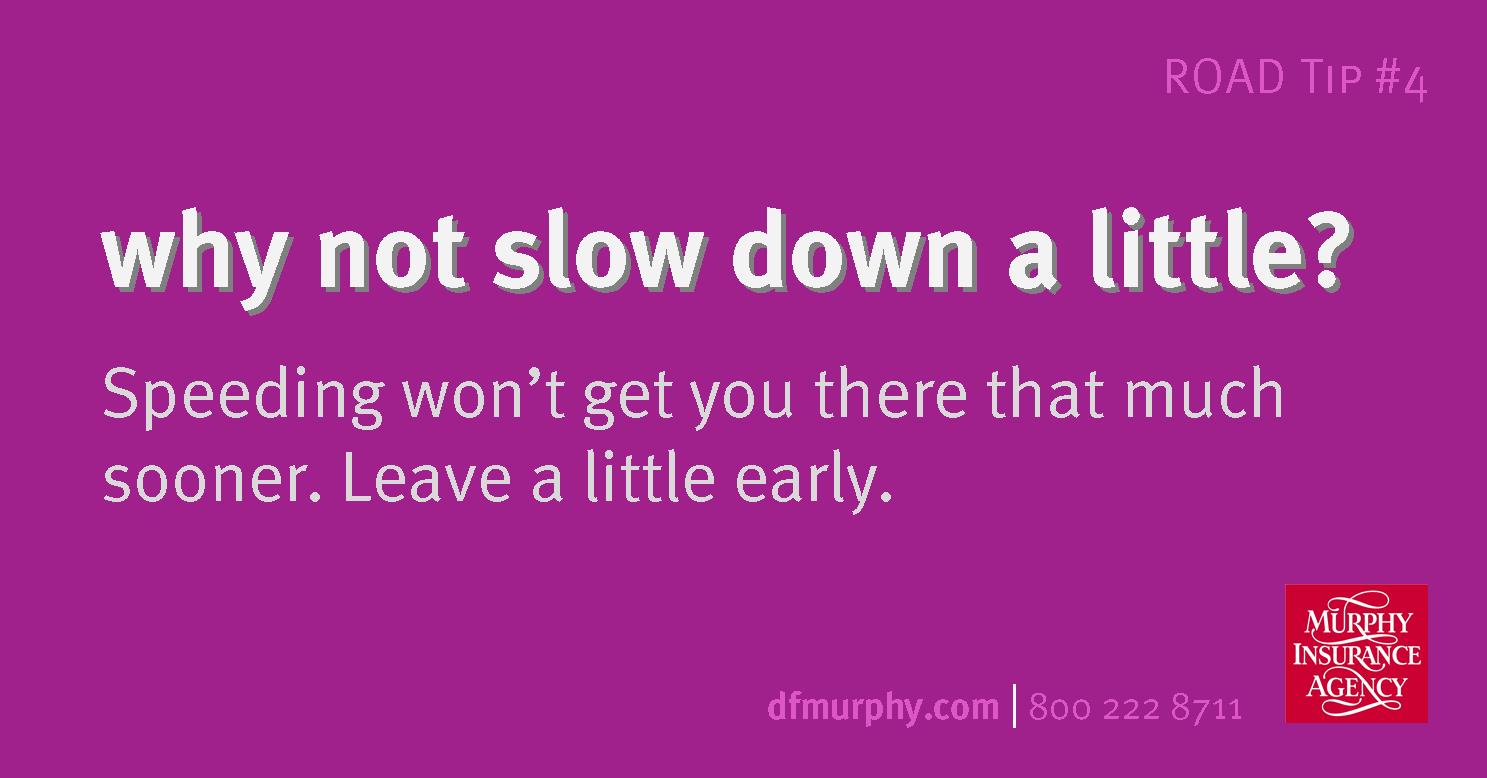
Every stop is an opportunity to practice patience and care behind the wheel. With a little extra attention to traffic signals and road conditions, you can avoid hard braking, save money on repairs, and reduce the chance of getting into an accident. So slow down a little earlier, ease into stops, and keep your drives smoother, safer, and stress-free.




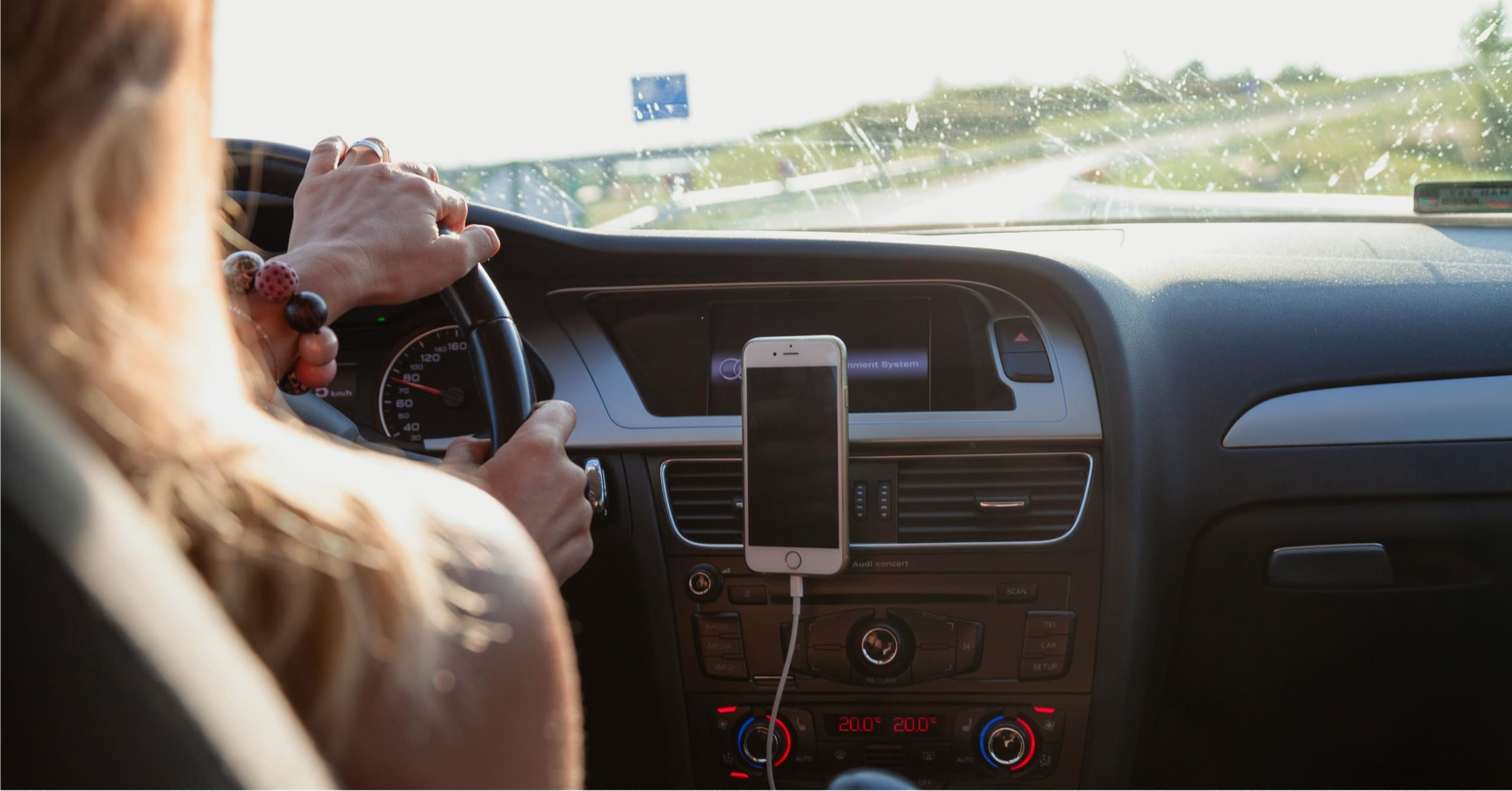
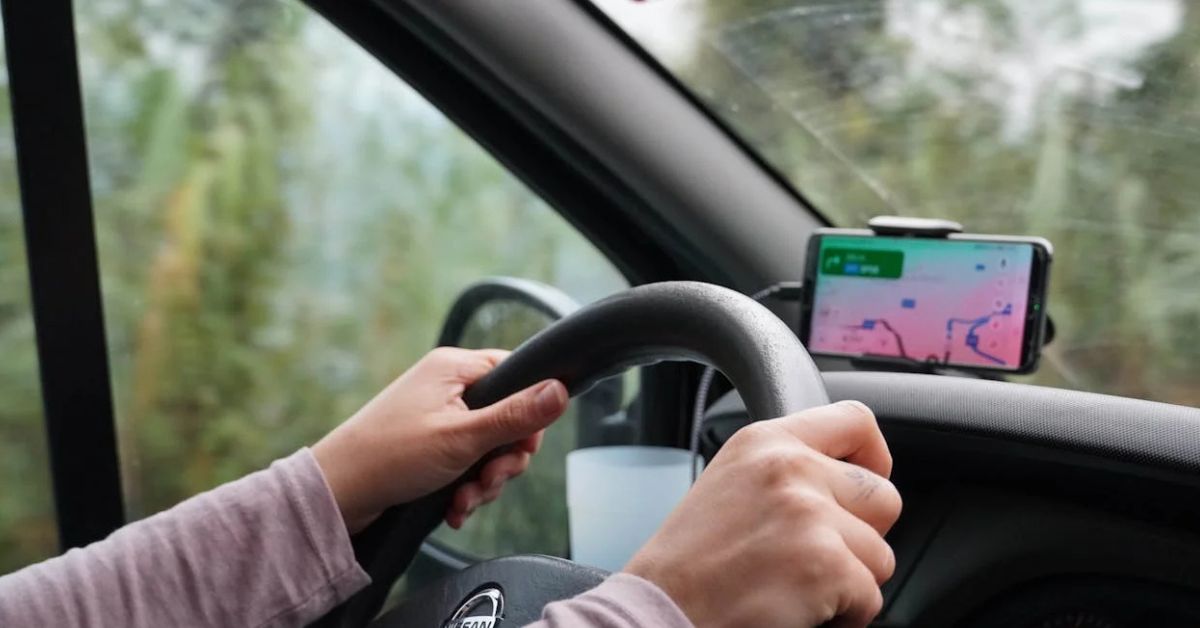
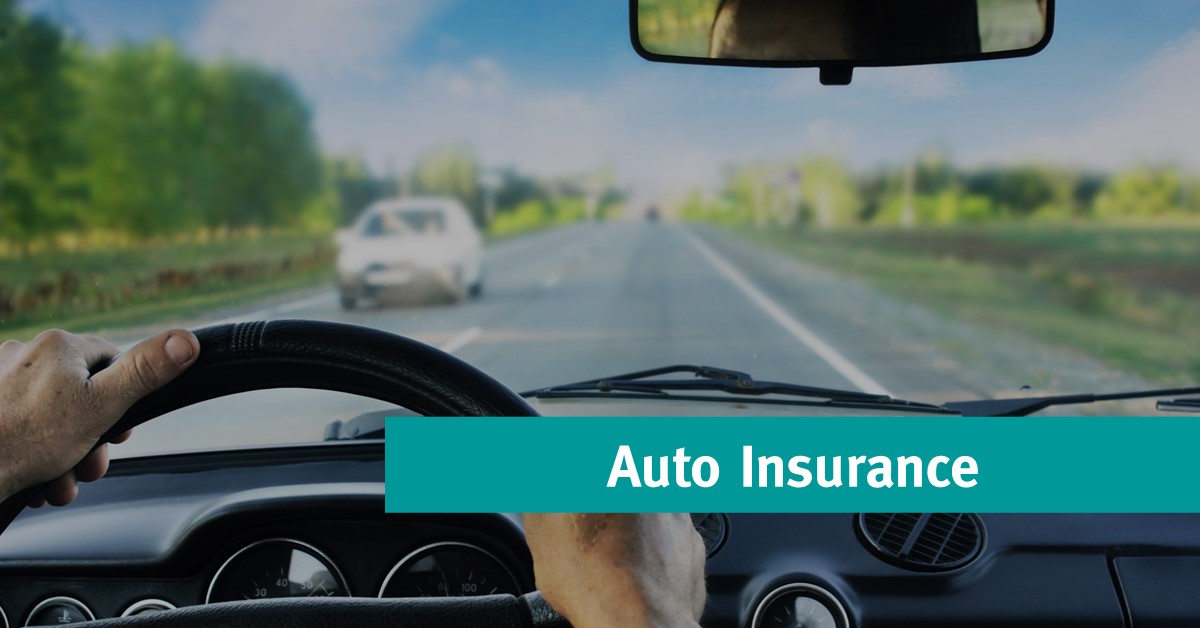
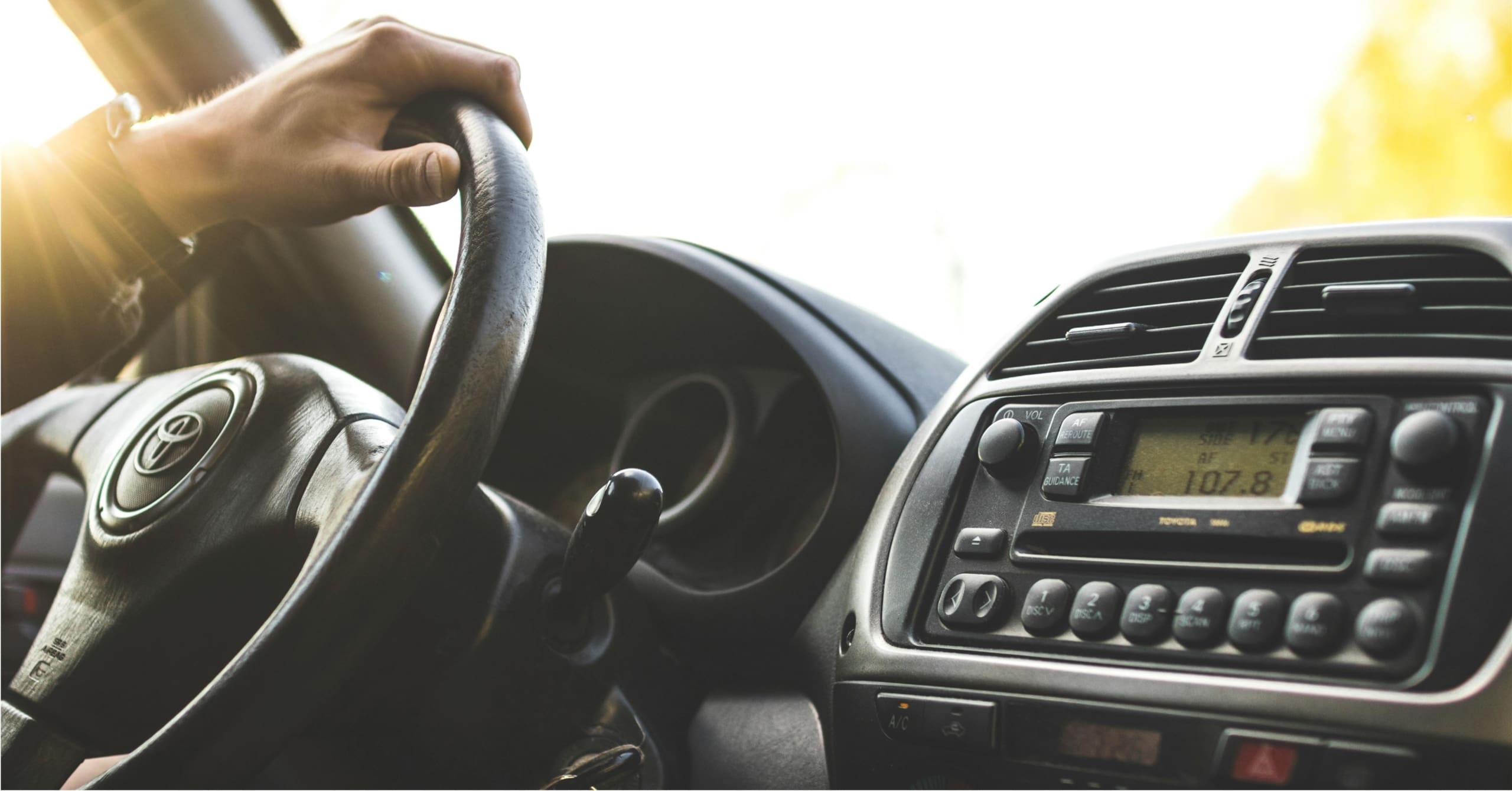 Steering wheel