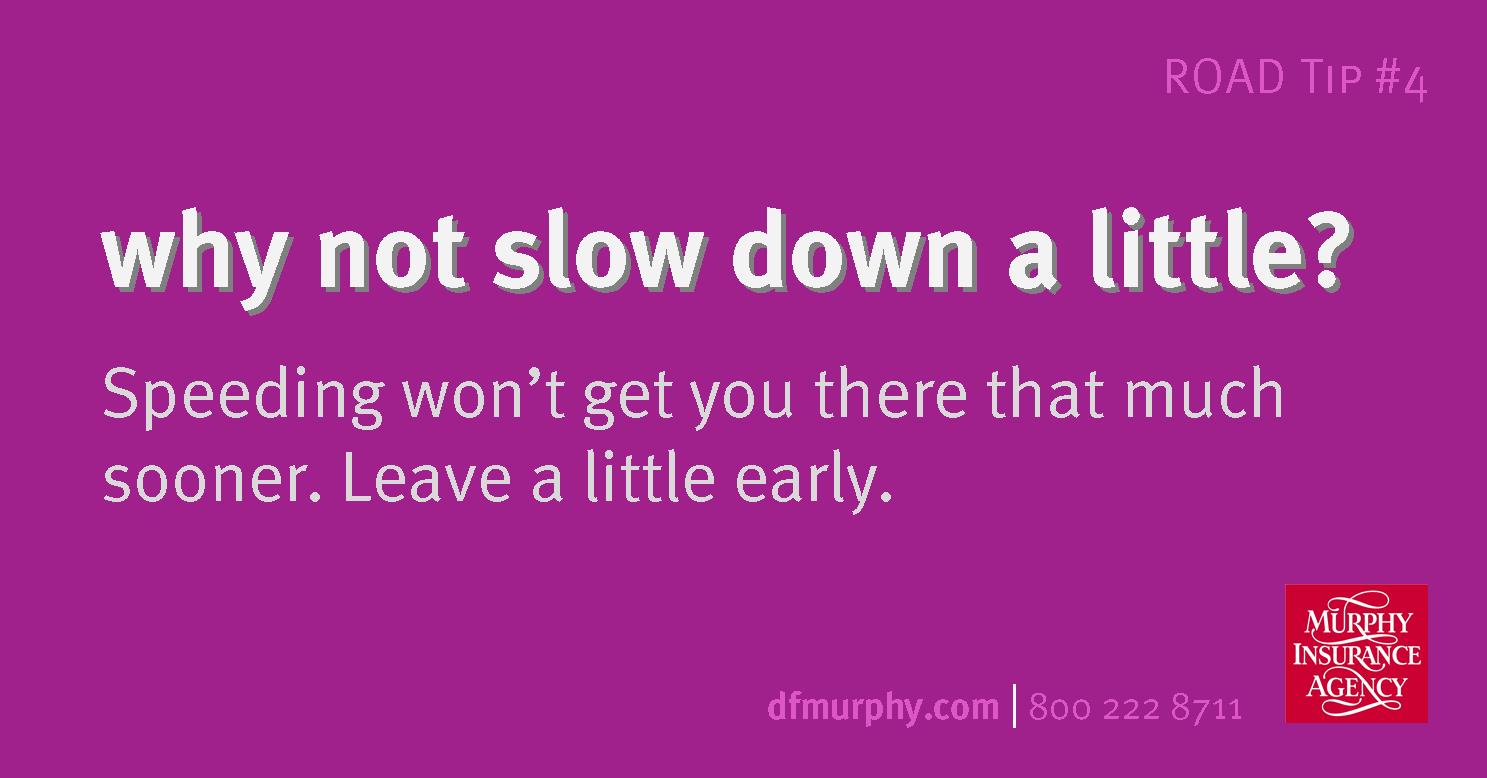
Know When to Slow Down
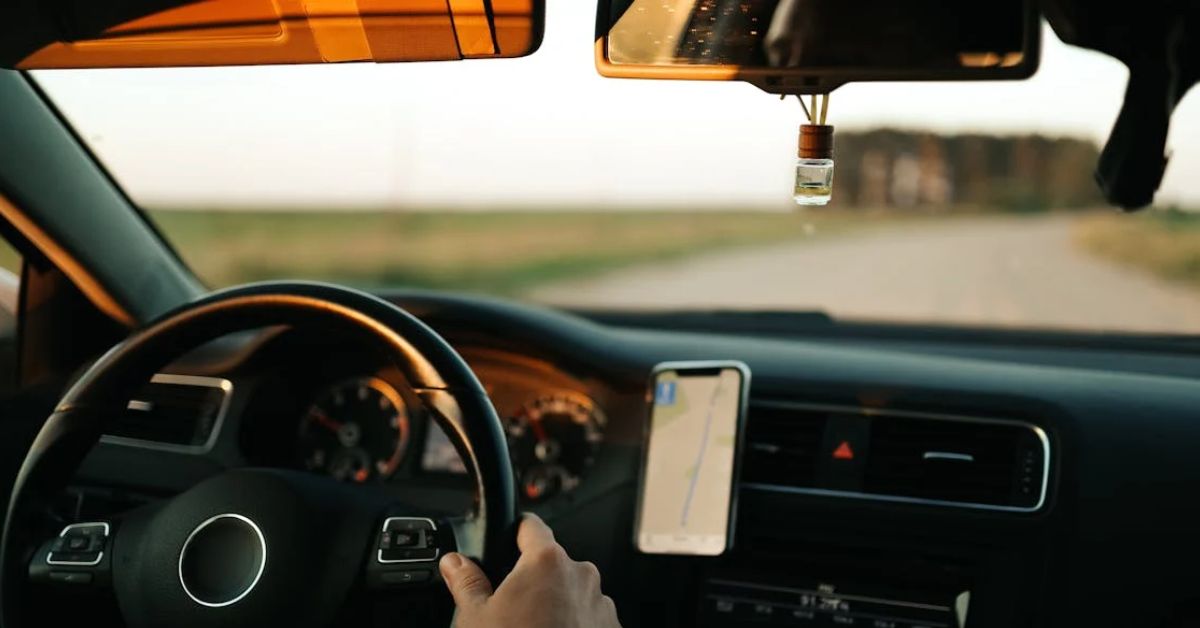
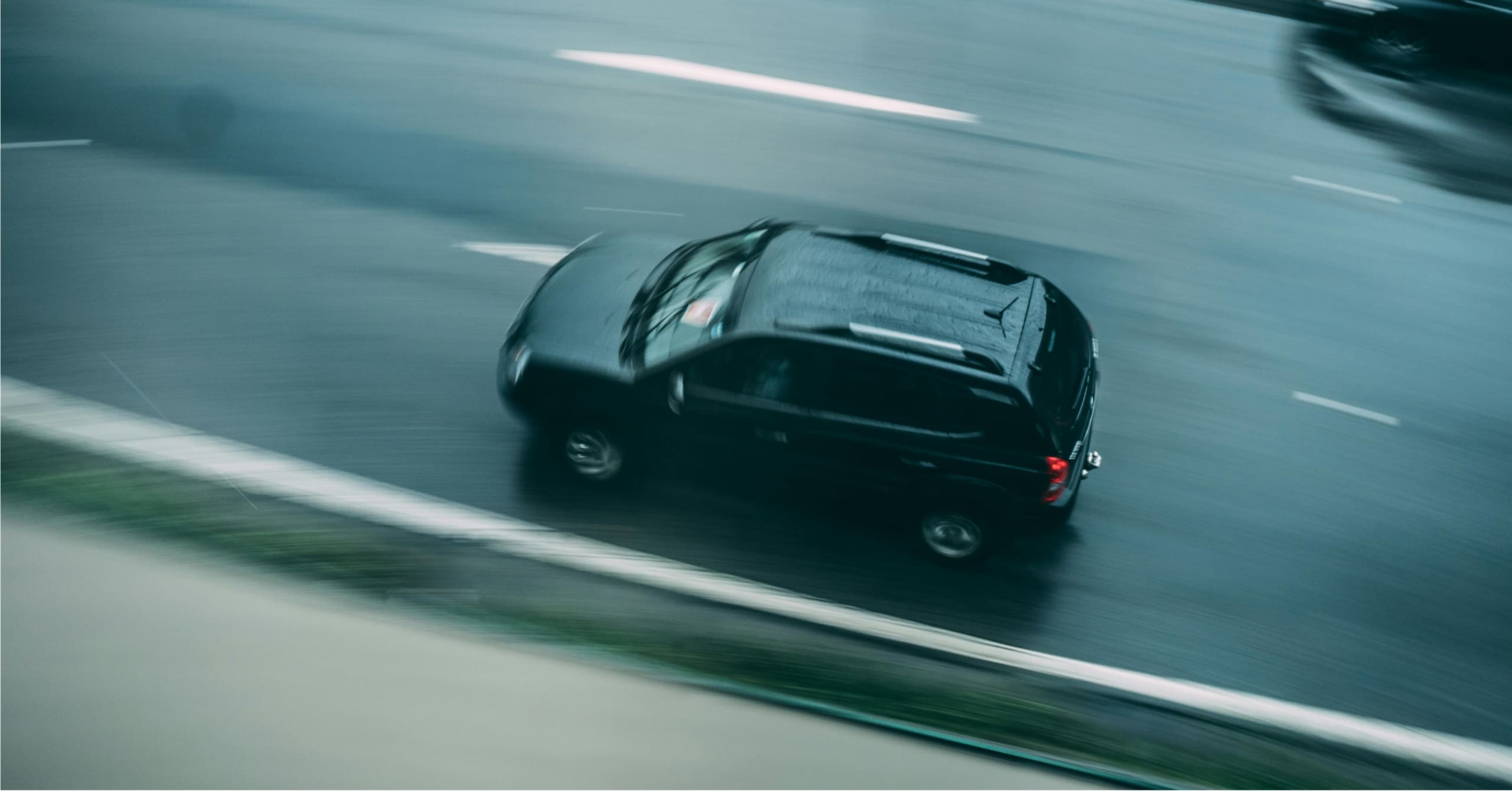
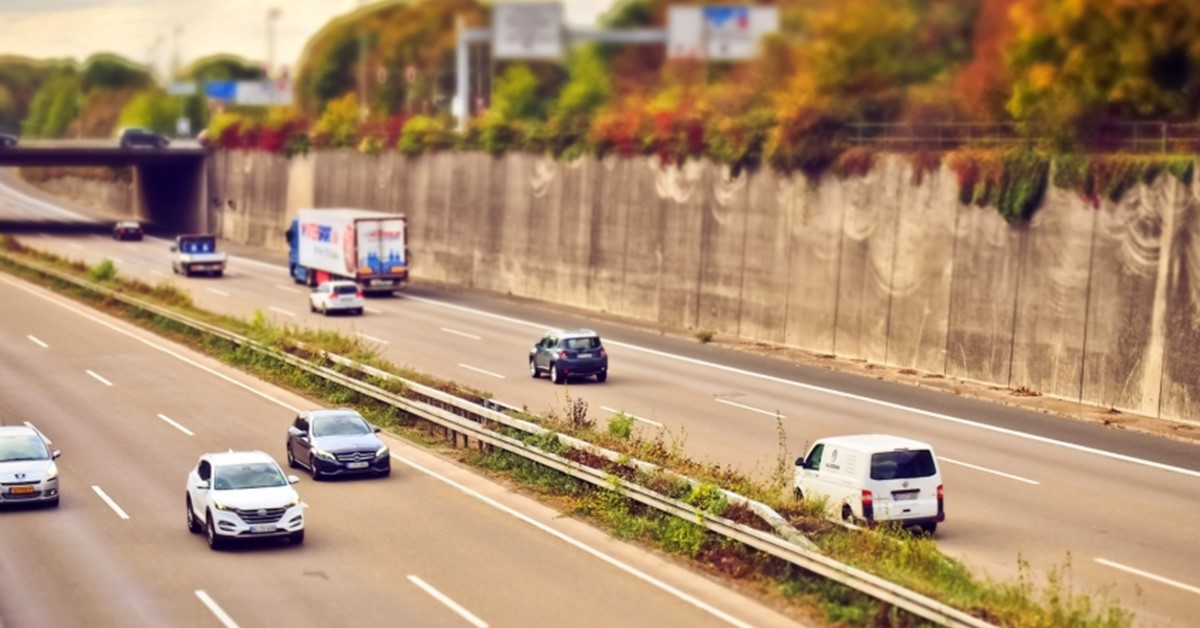
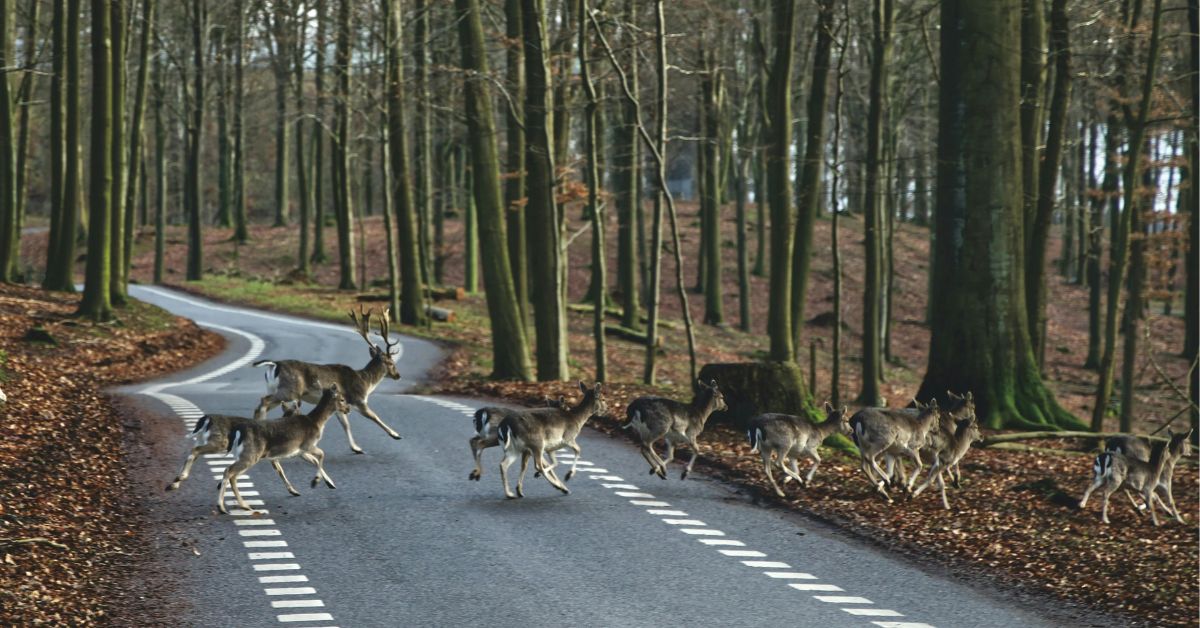
Even if you’re within the legal limit, there are times when slowing down is the safer option. Road conditions can change quickly, and smart drivers adjust accordingly. Be especially mindful of:
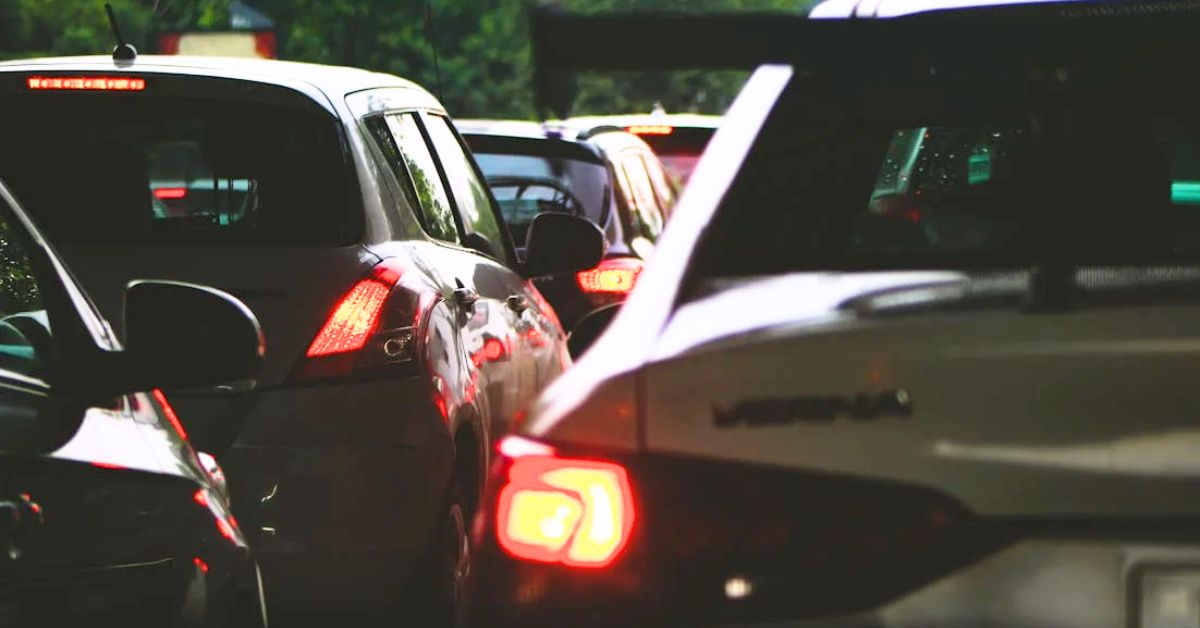
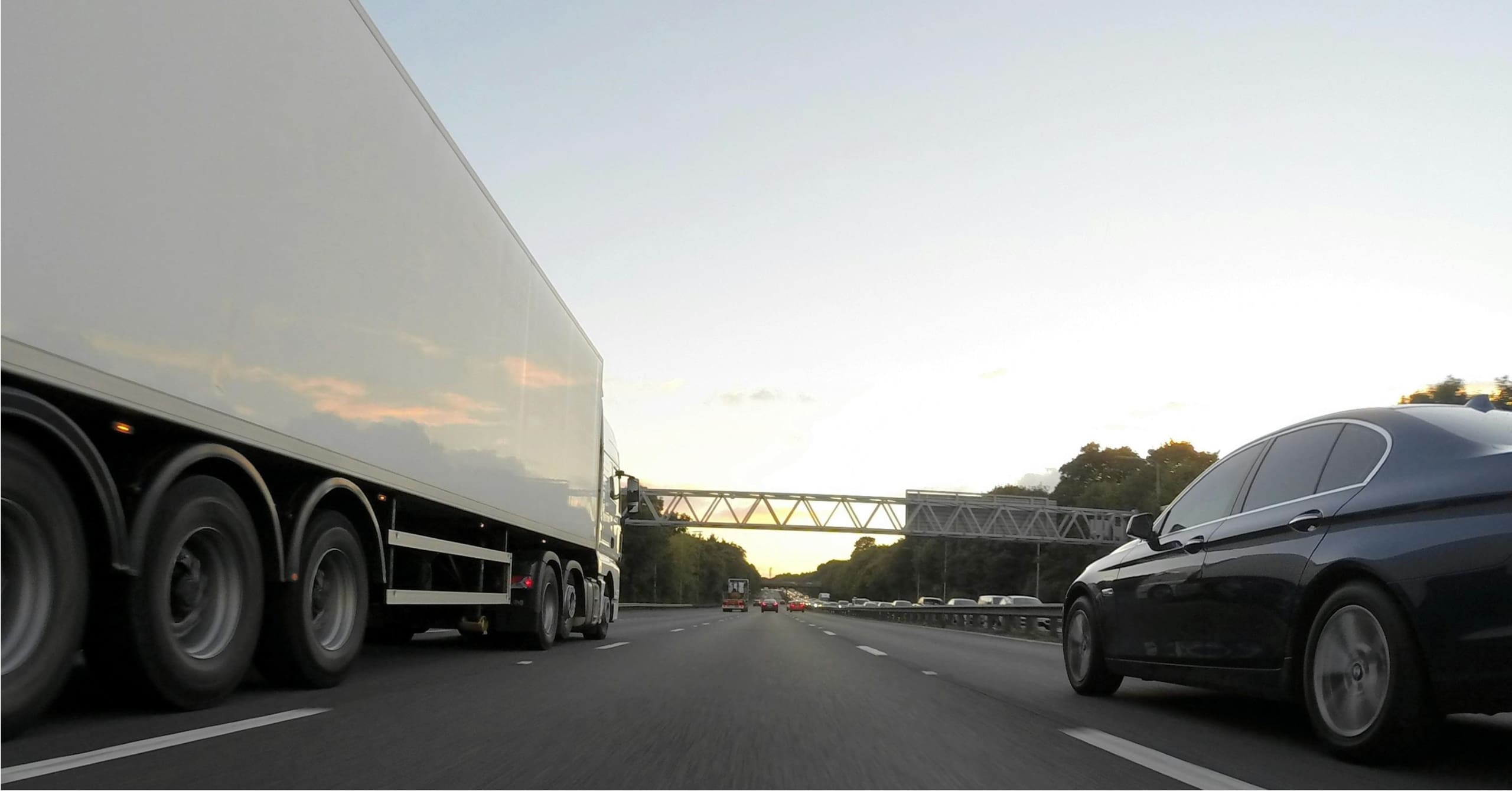
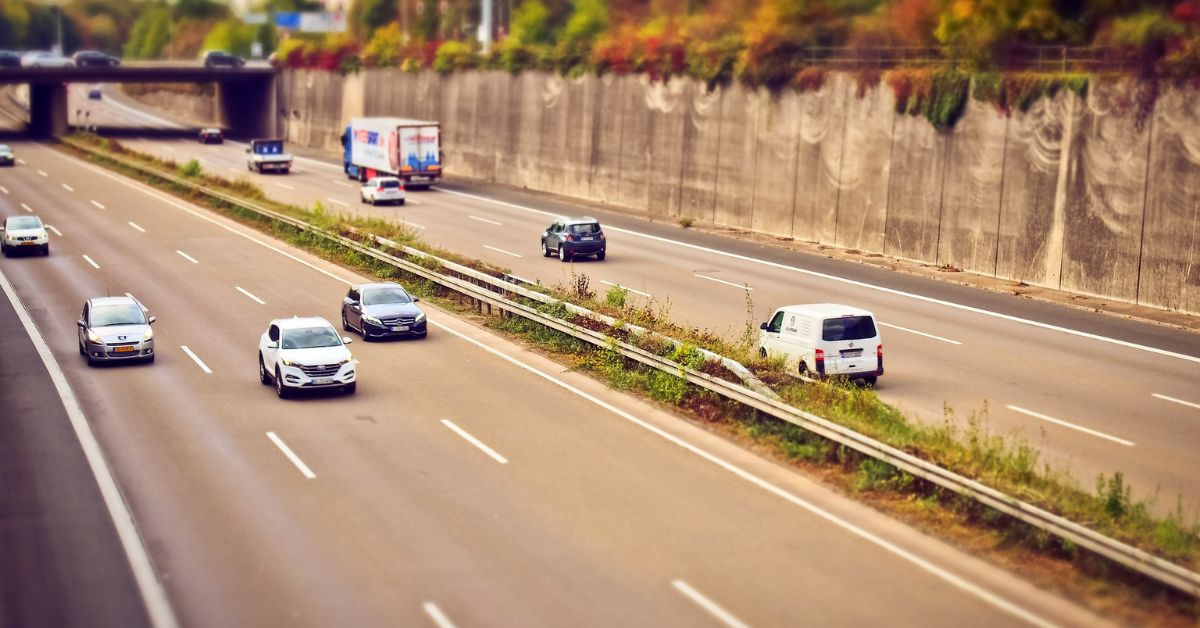
- Heavy traffic or poor visibility – Slowdowns give you time to react
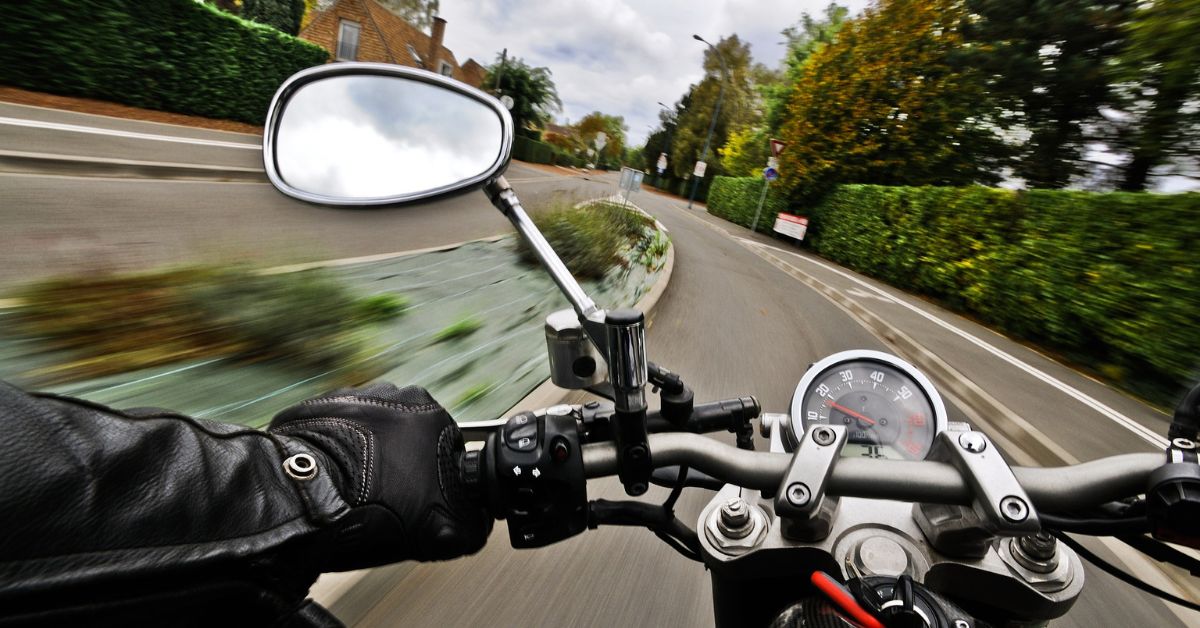
- Curvy or unfamiliar roads – Lower speeds improve control and safety
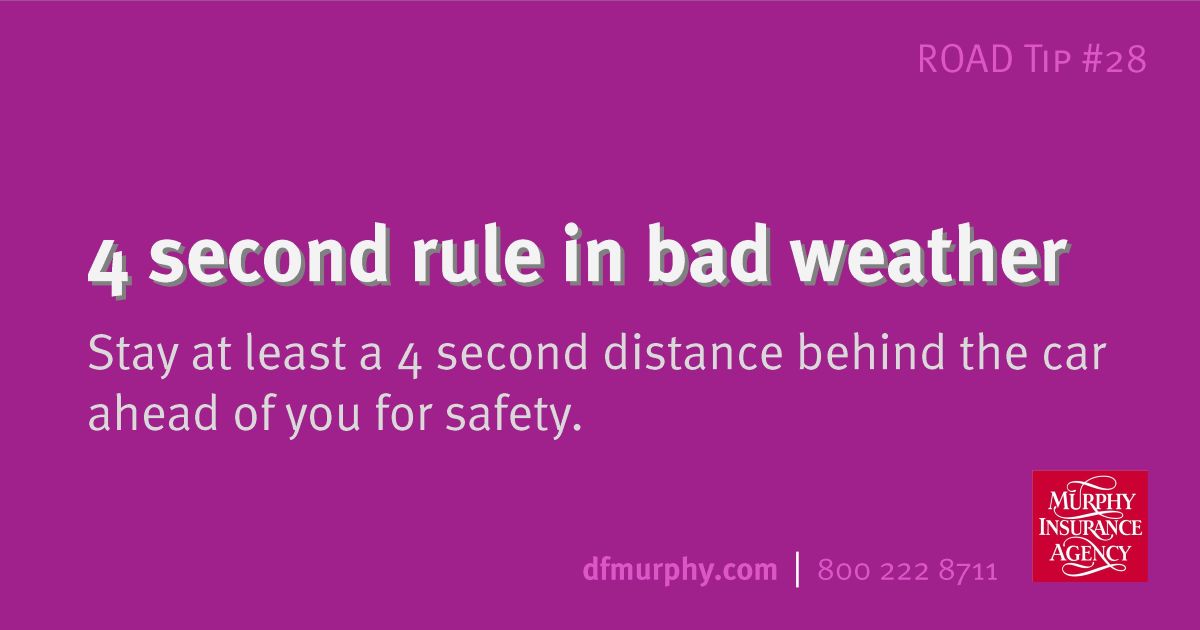
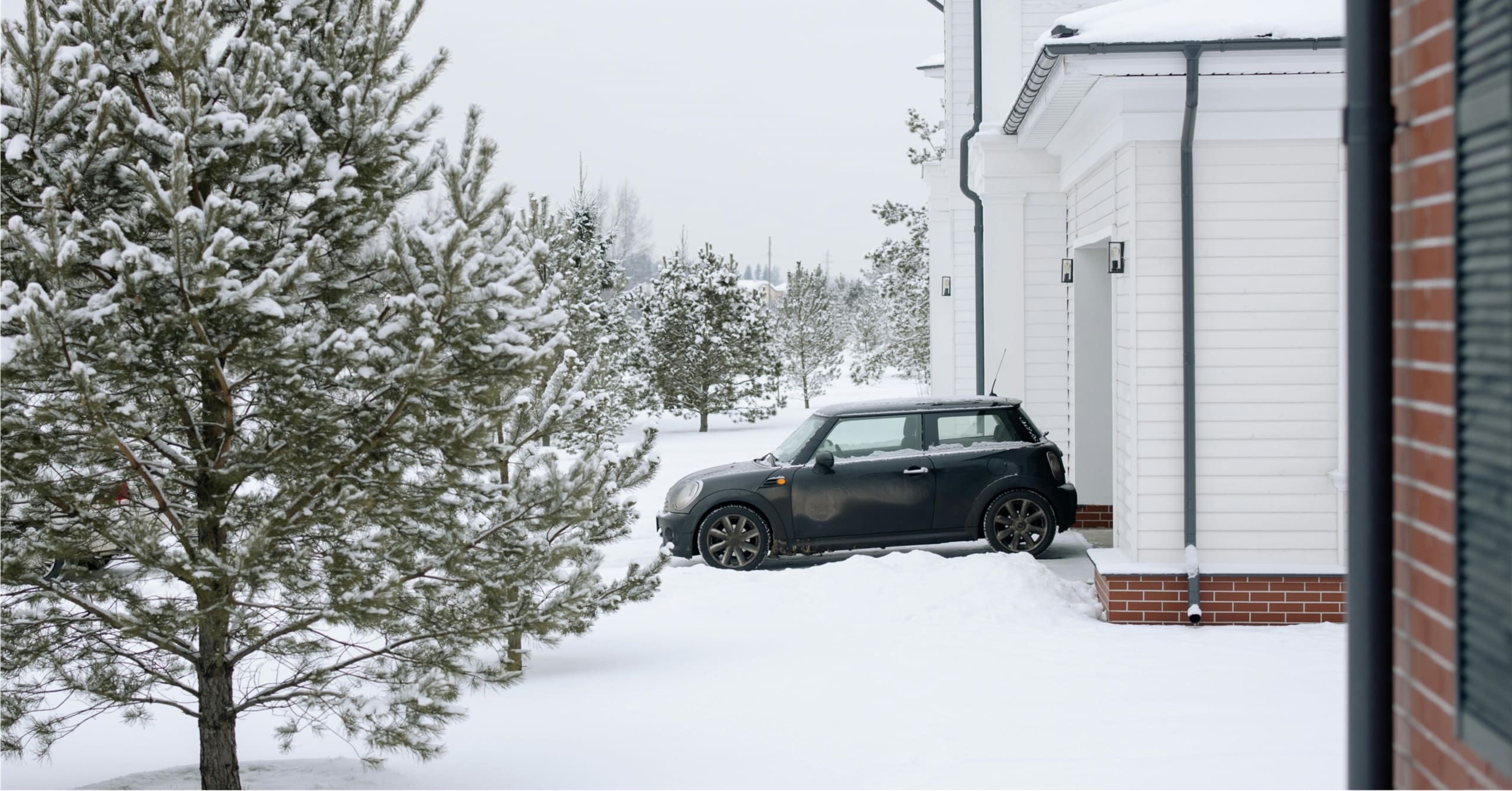
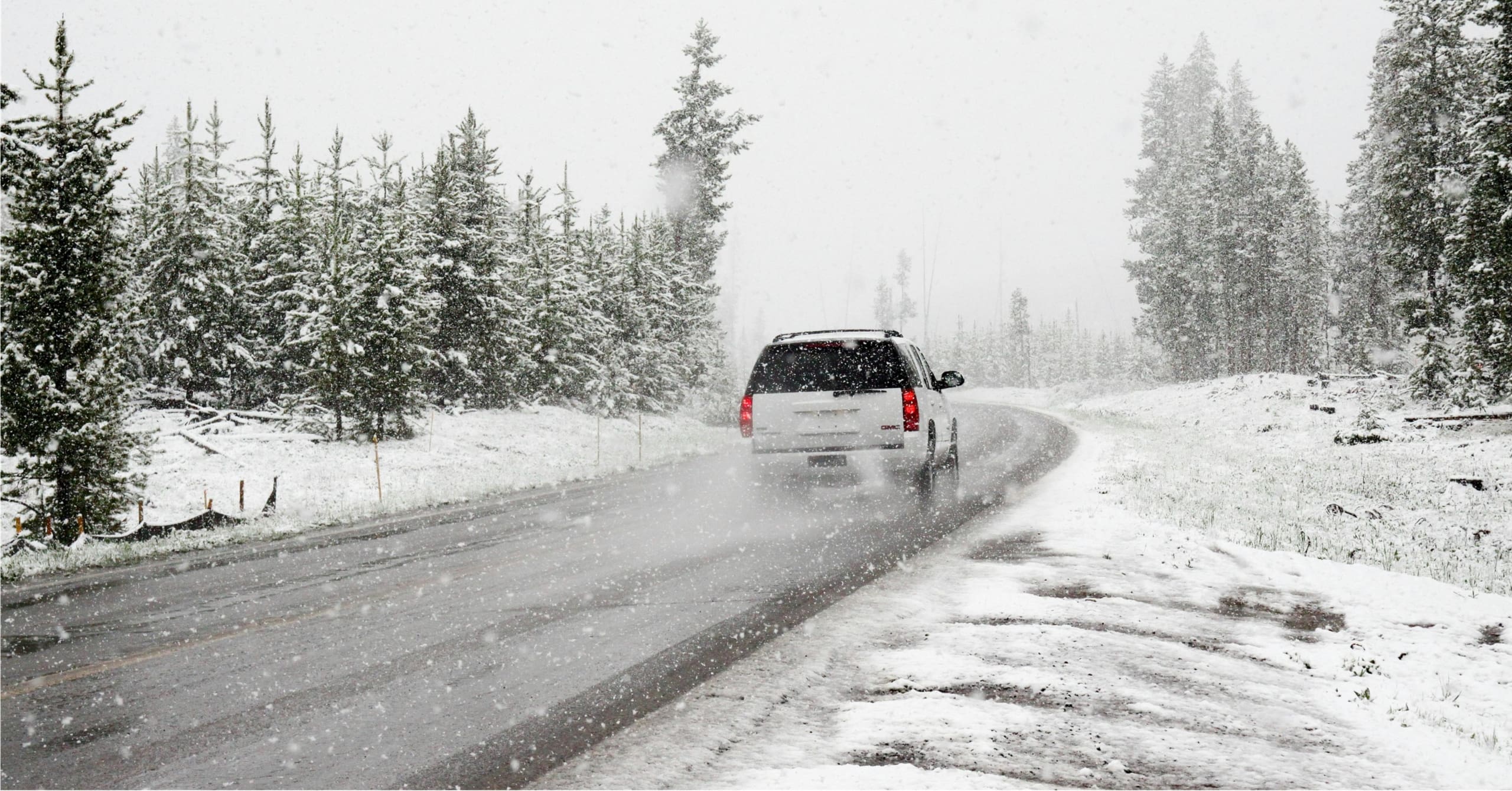
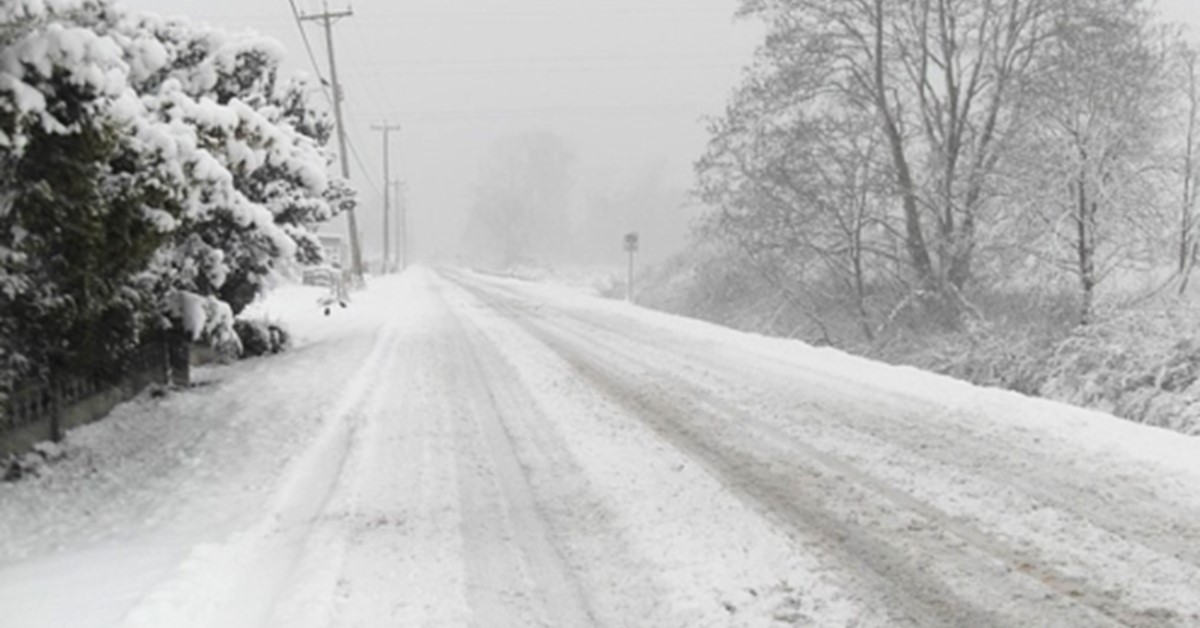
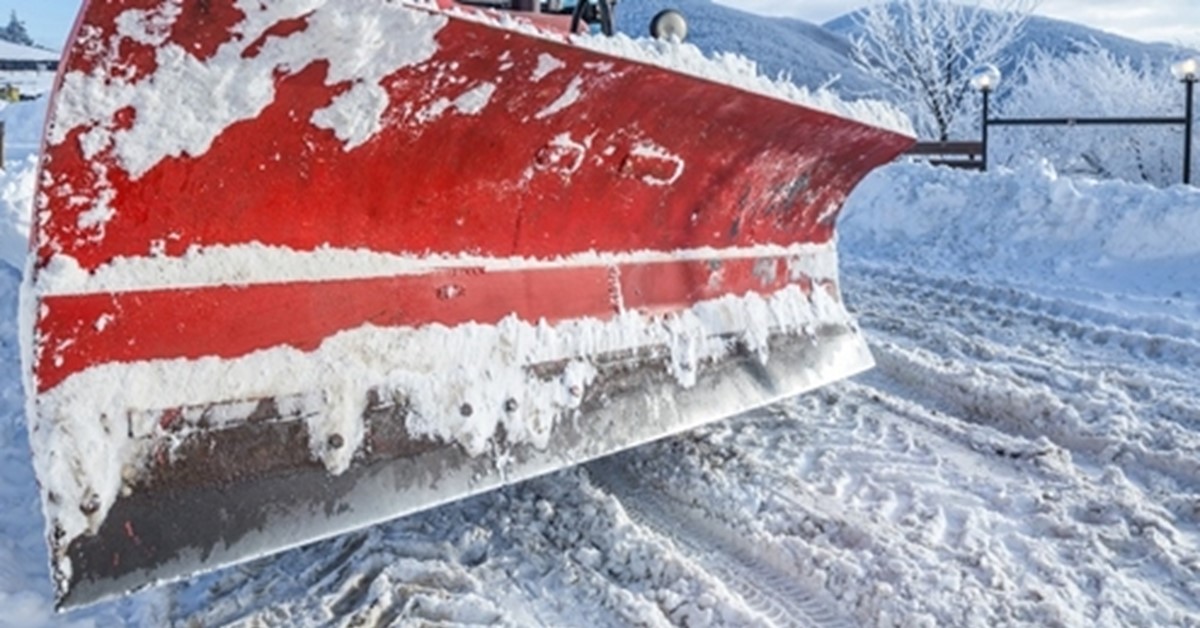
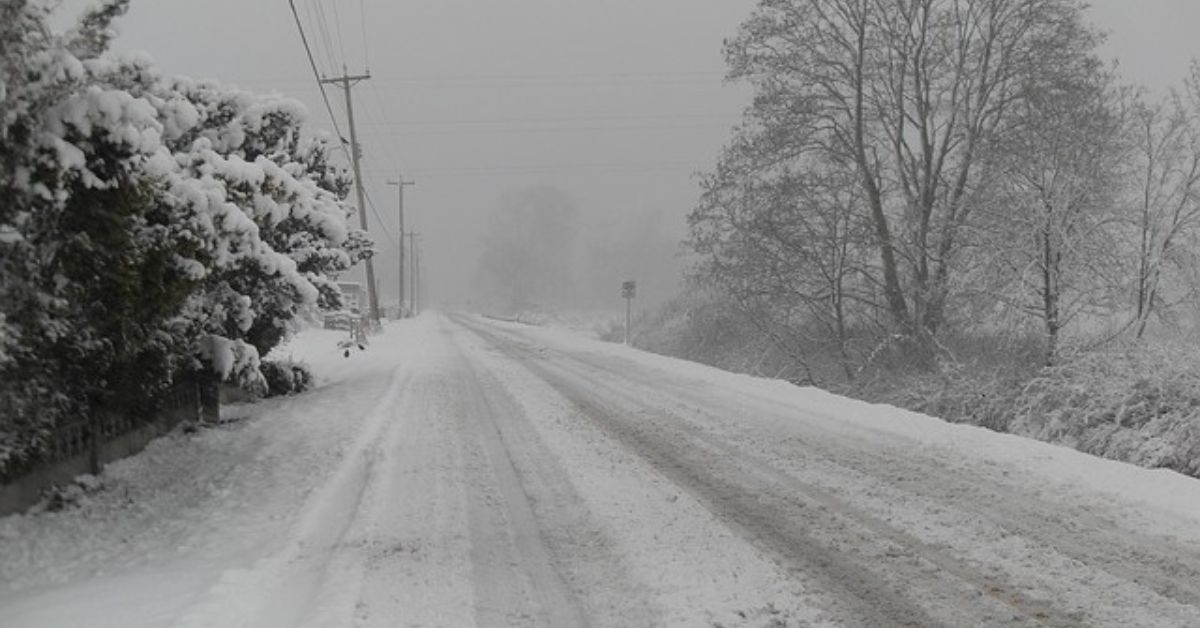
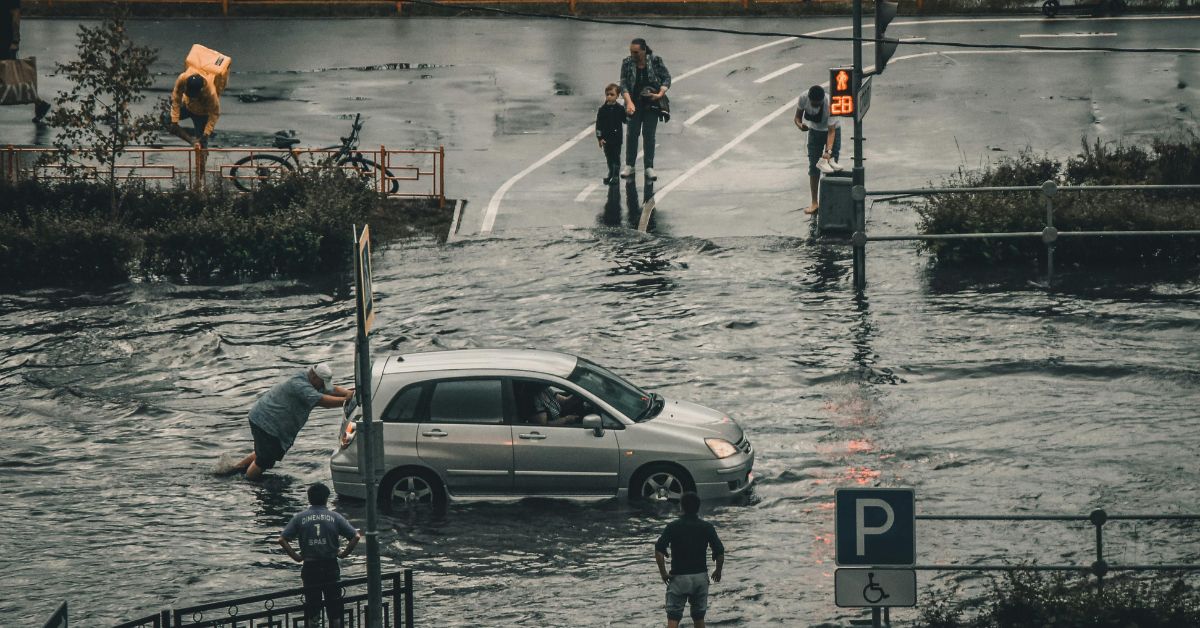
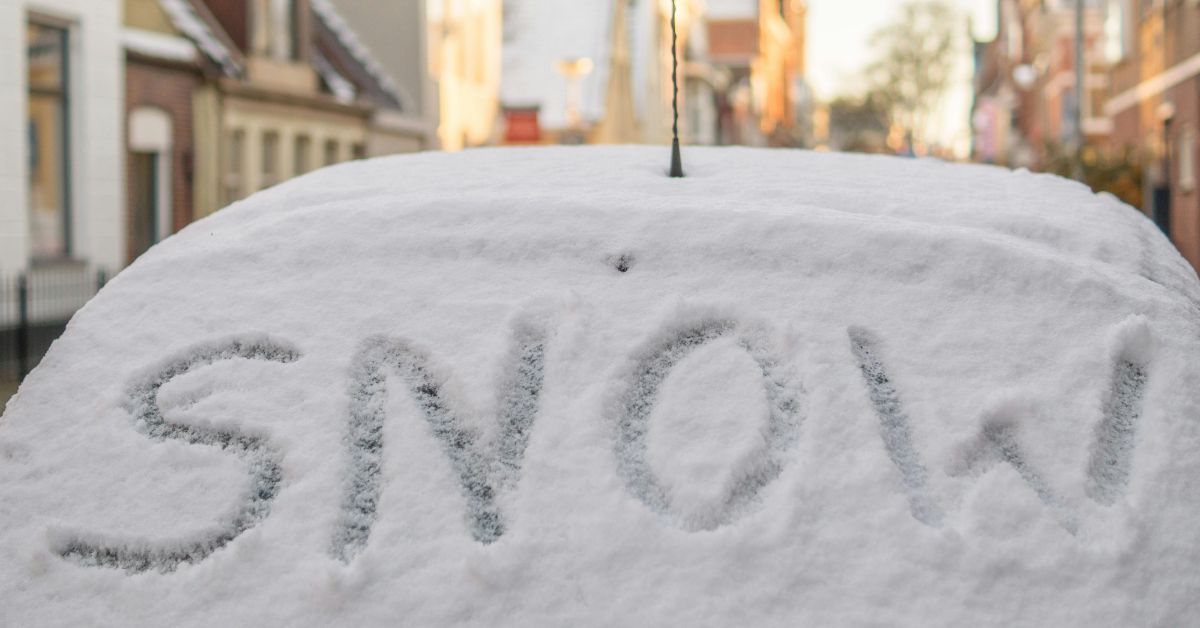
- Wet, icy, or snow-covered roads – Reduced traction means longer stopping distances
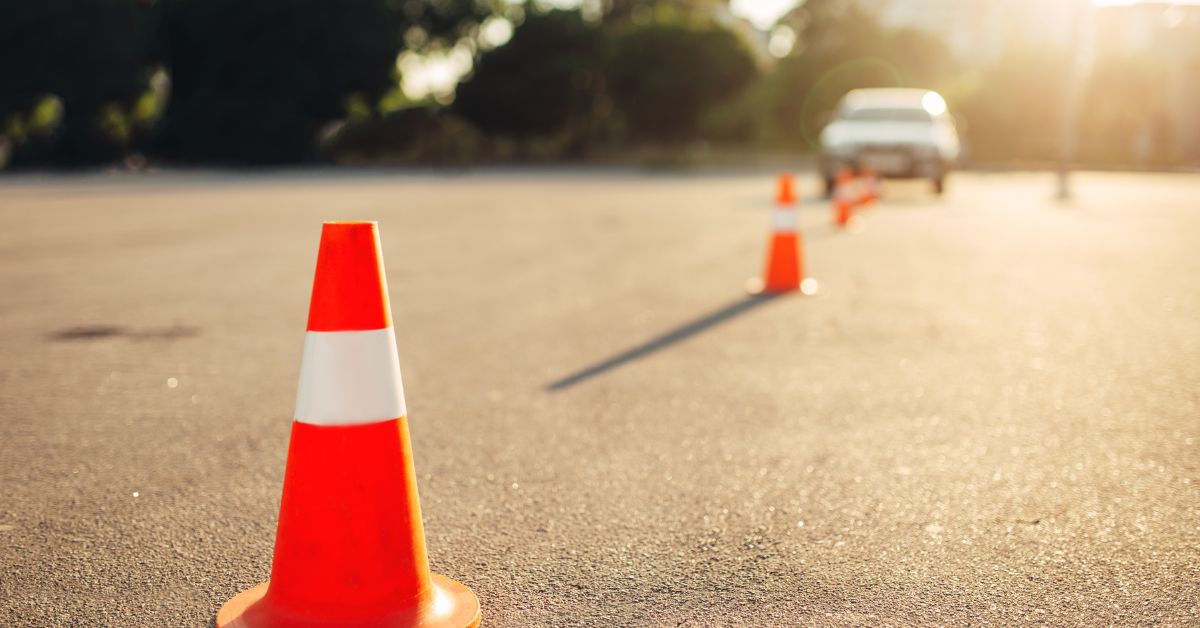
- Construction zones – Workers, equipment, and lane shifts require extra caution
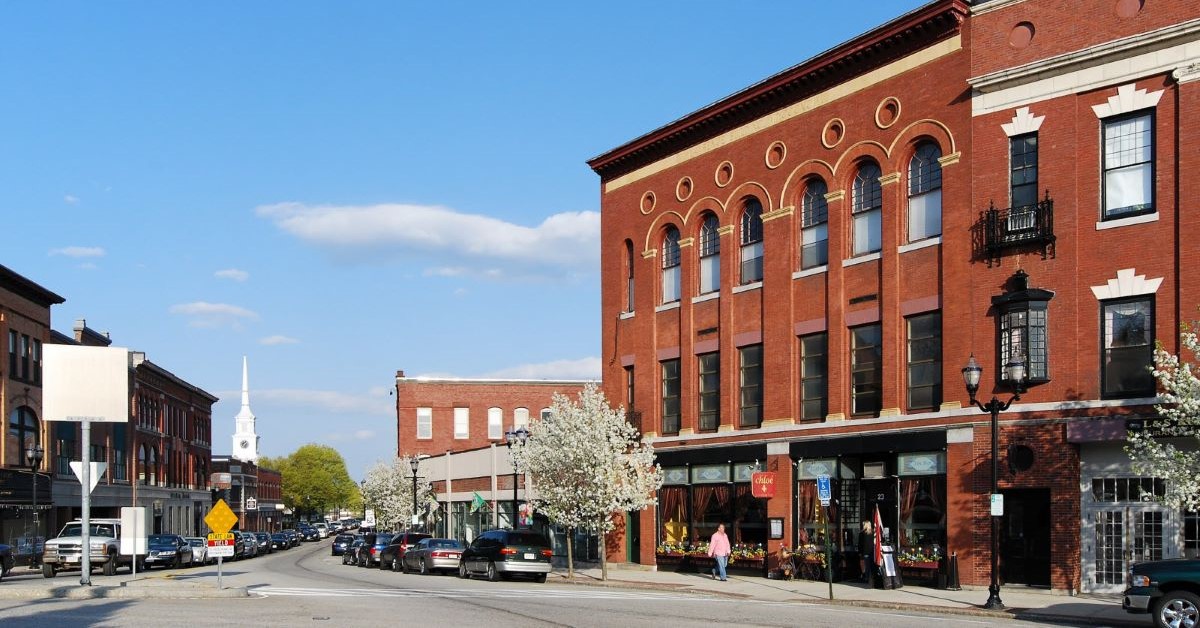
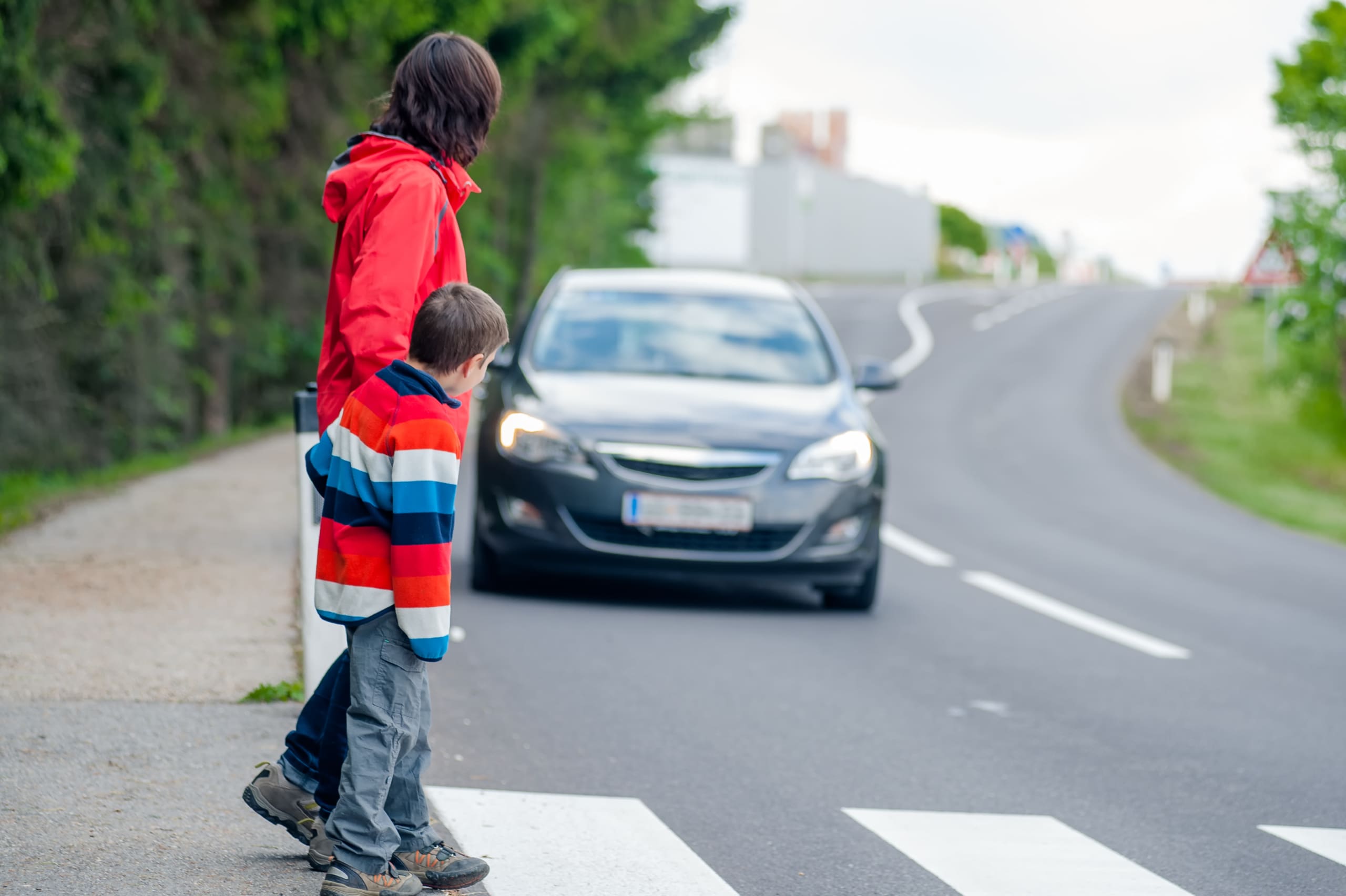
- School zones or residential areas – Children and pedestrians may enter the road unexpectedly
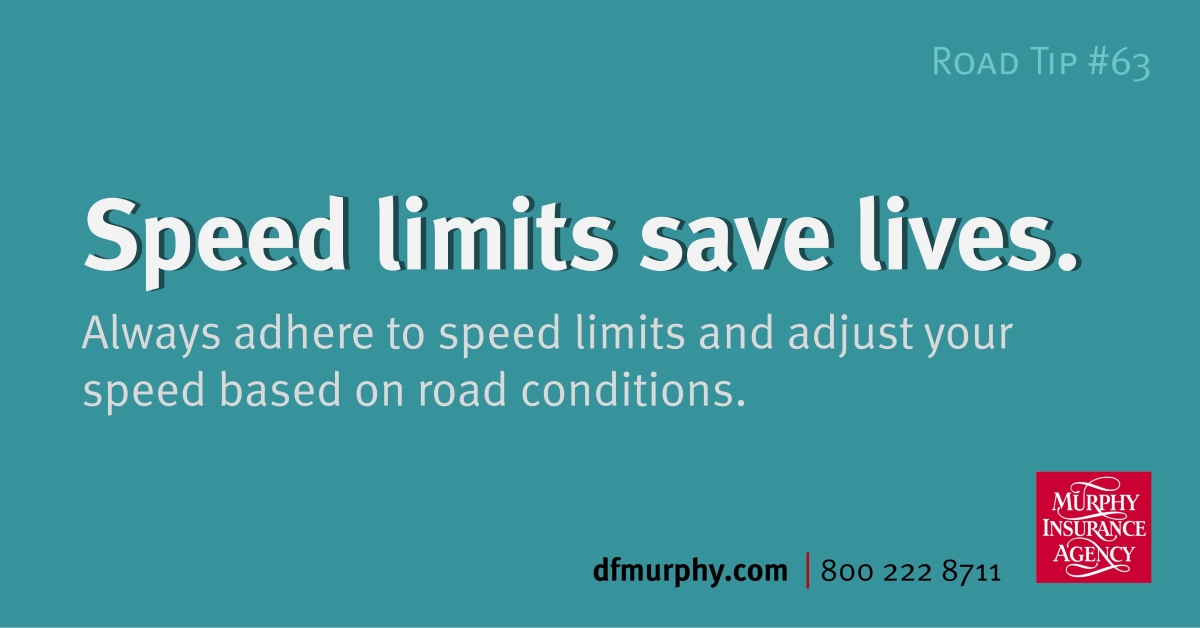
Speed limits reflect ideal conditions, which means real-world driving often calls for a slower pace.
The Cost of Speeding
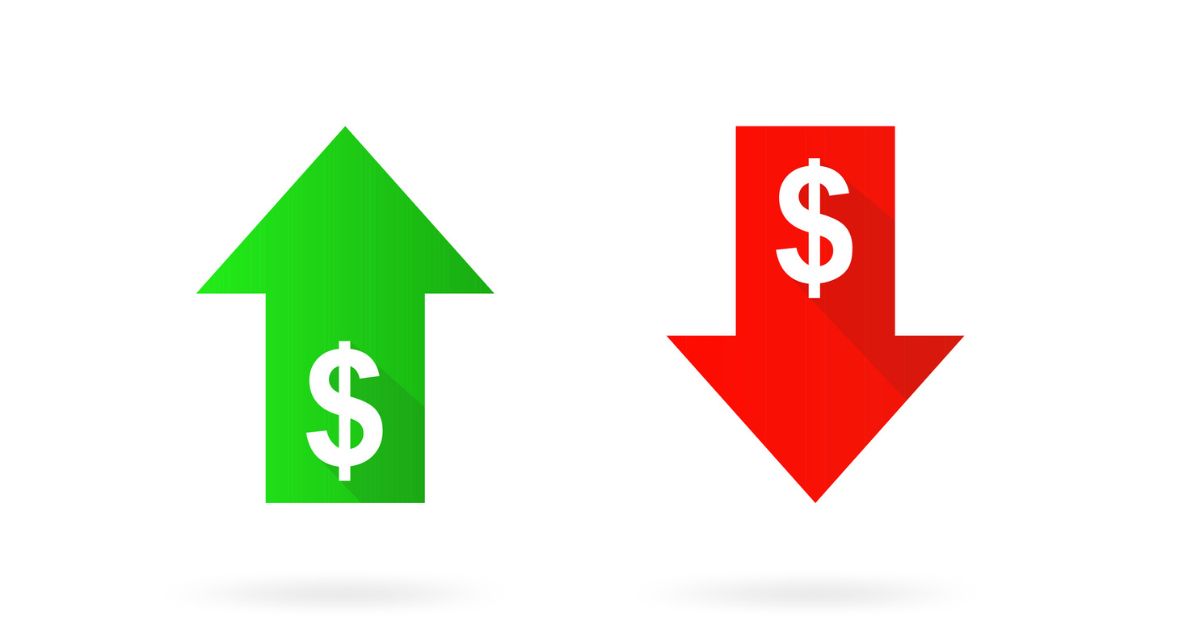
Getting a speeding ticket involves more than just paying a fine. As a moving violation, it can lead to points on your license and higher insurance premiums over time. These added costs can follow you well beyond the initial citation.
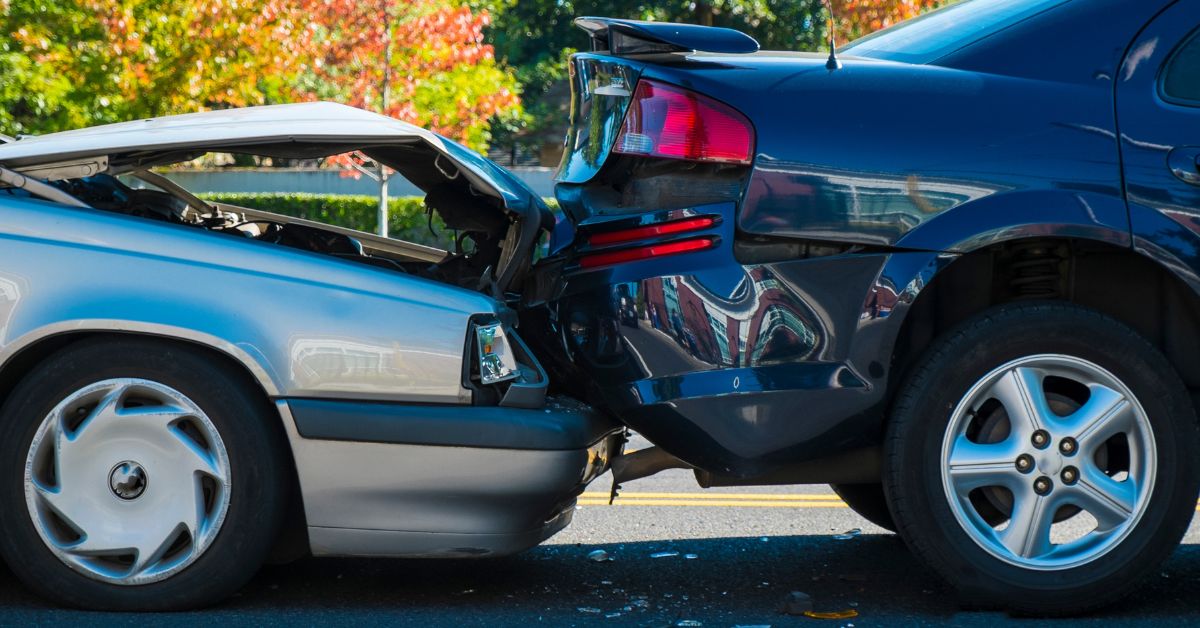
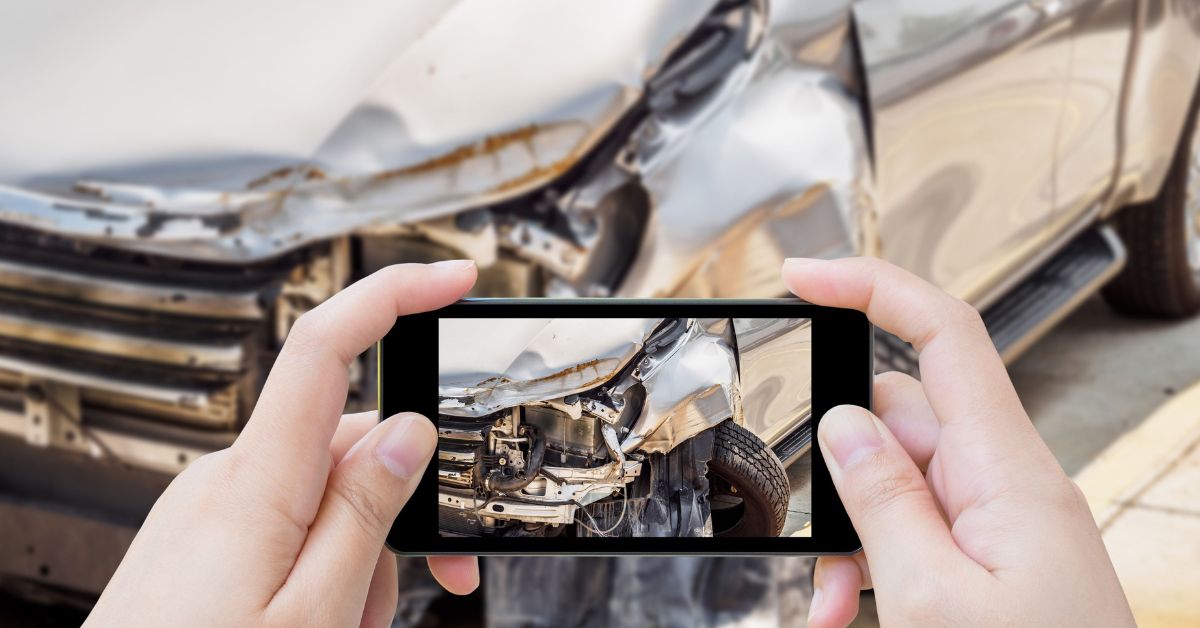
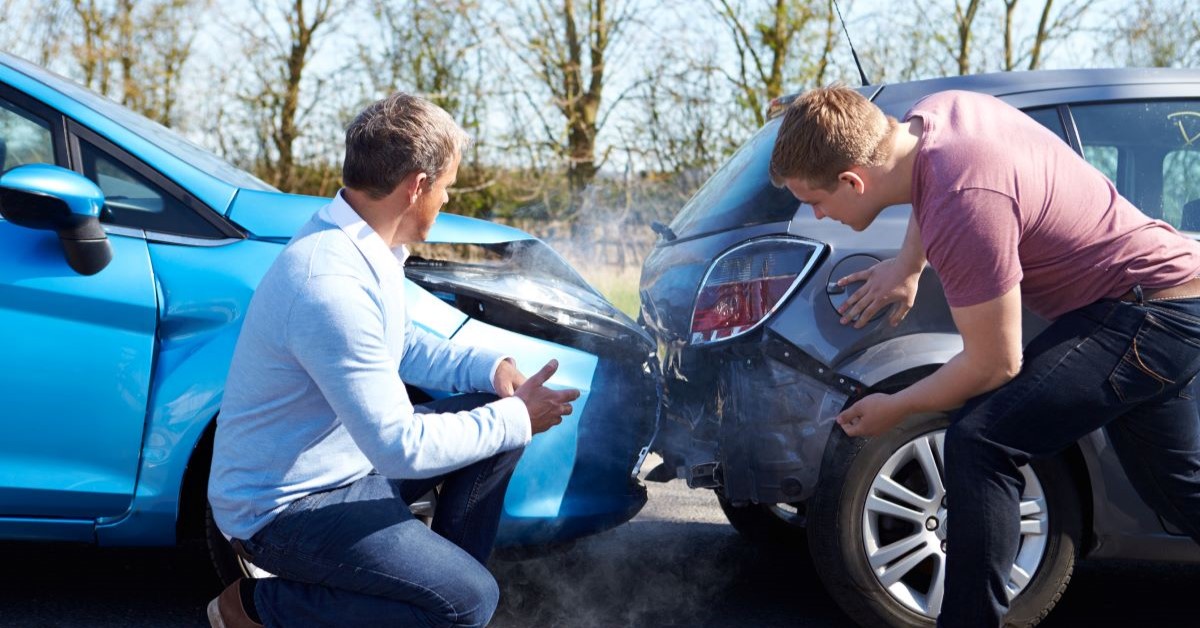
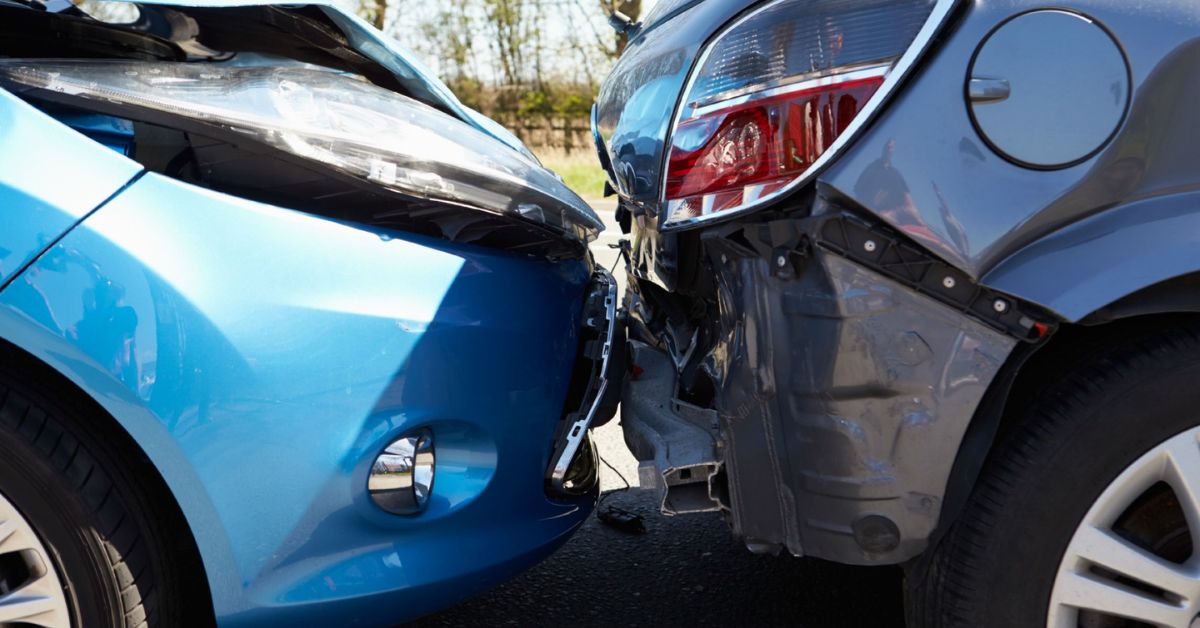
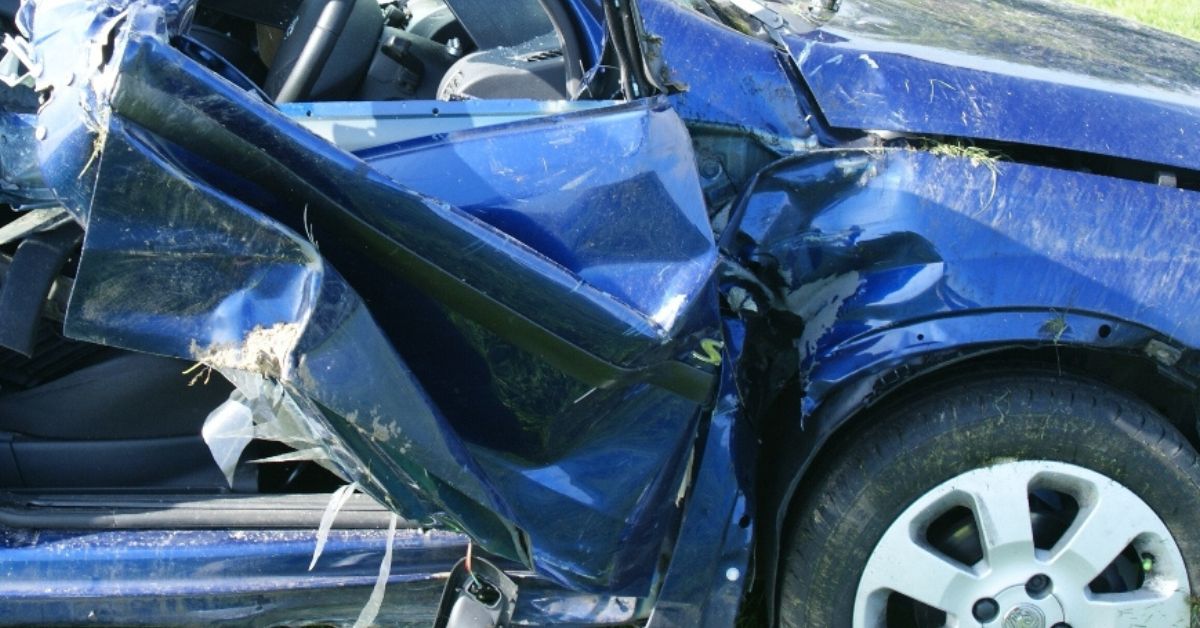
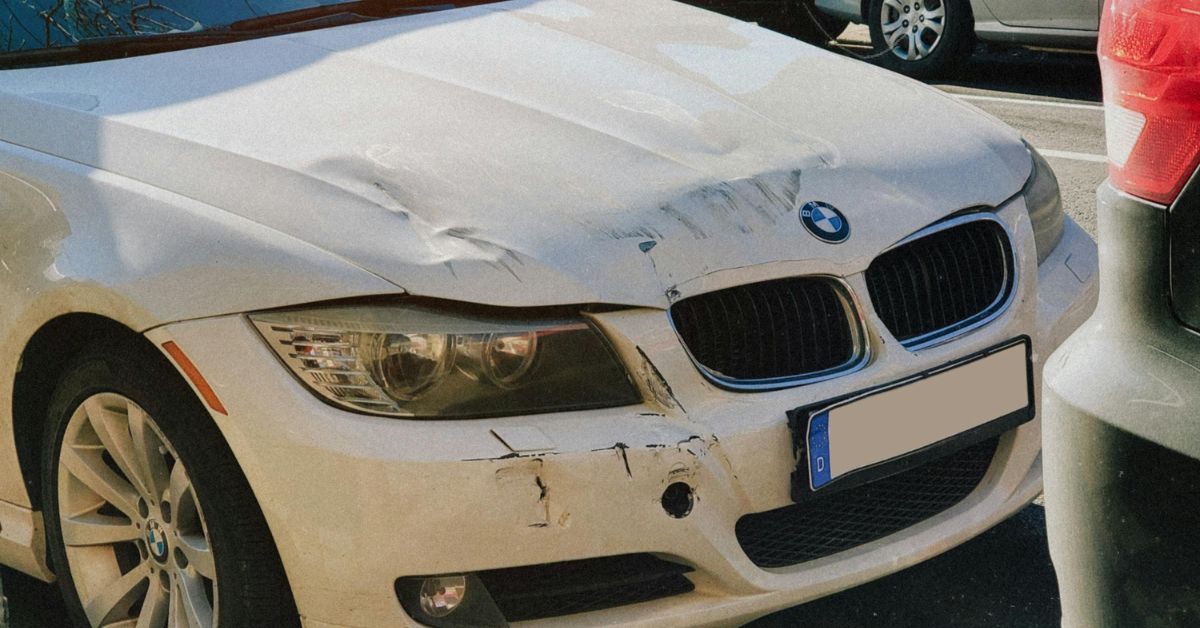
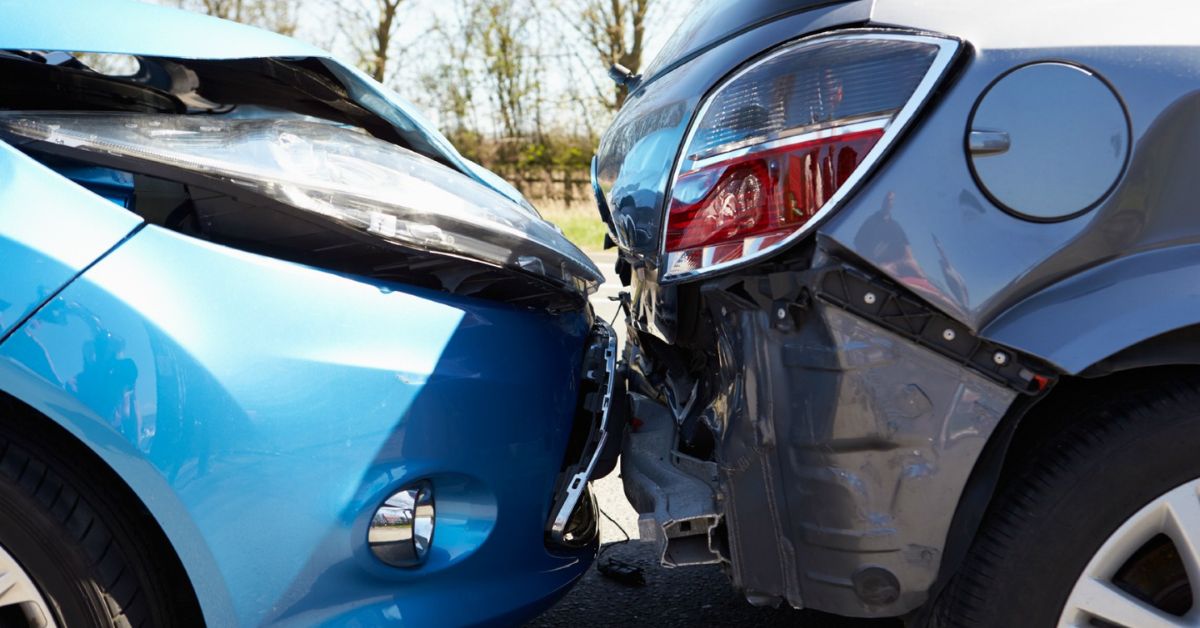
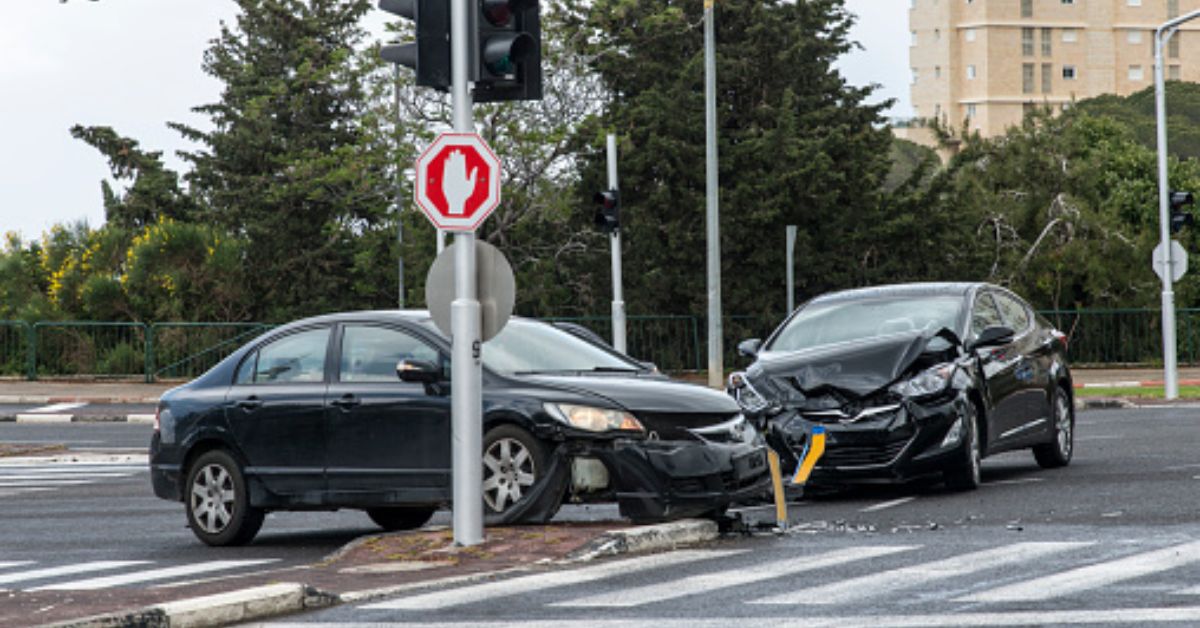
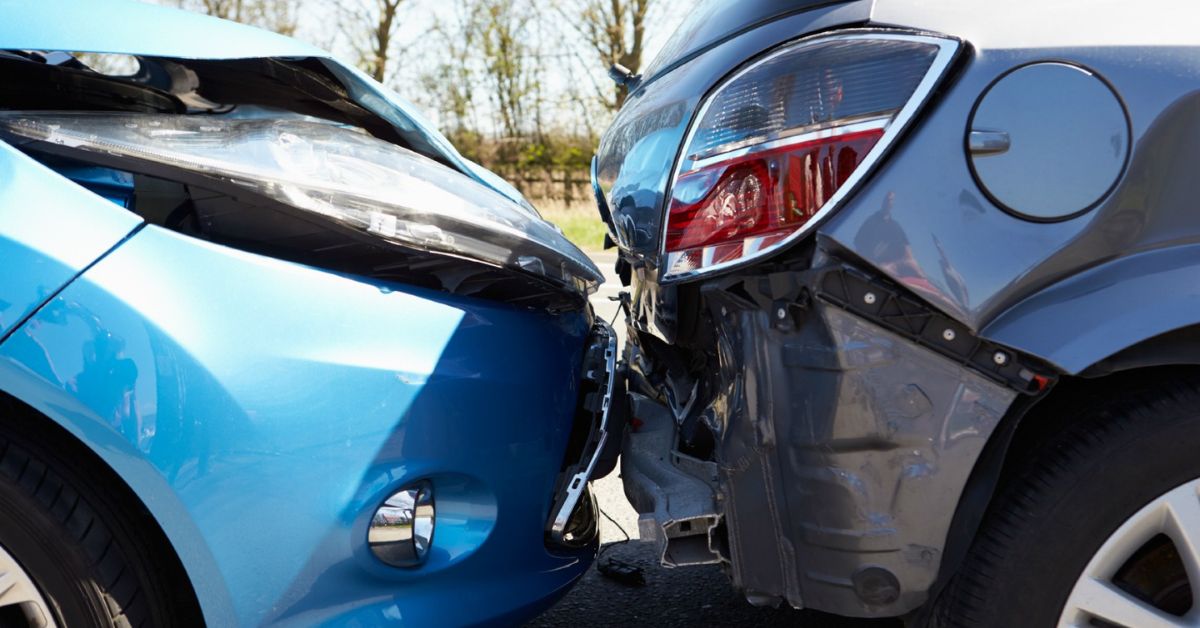
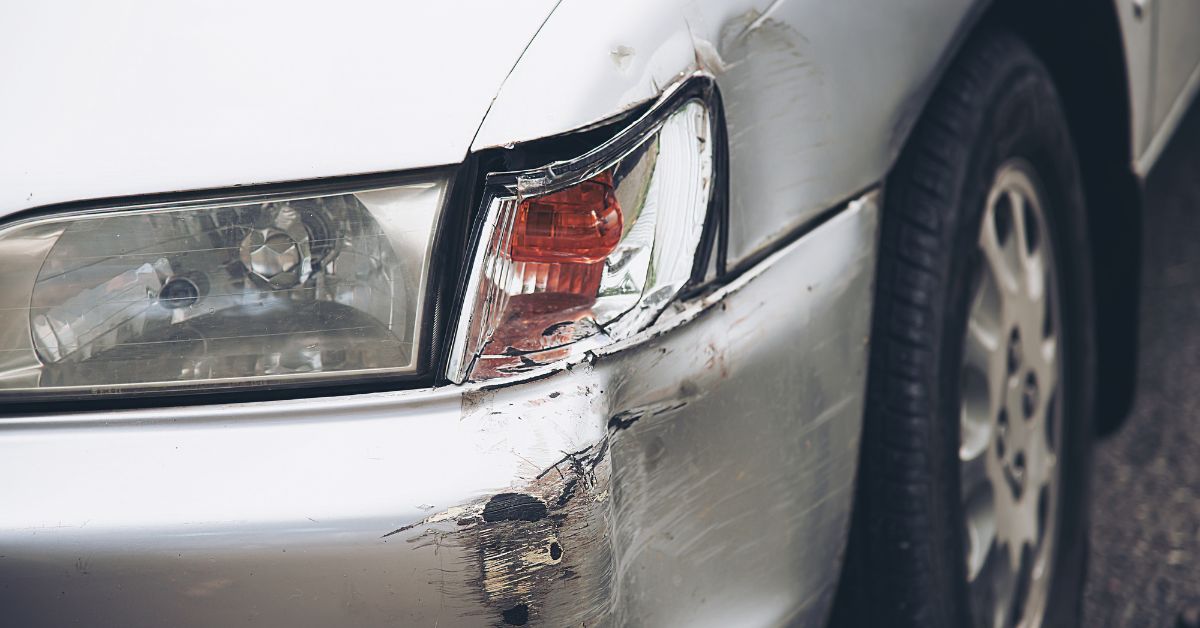
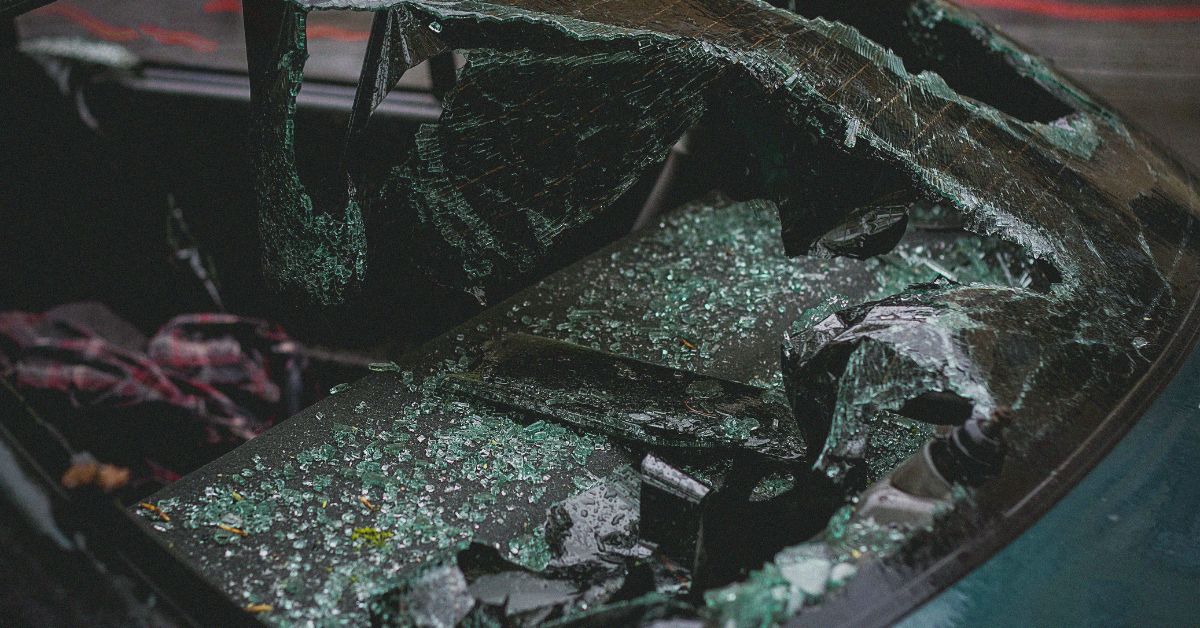
Beyond tickets, higher speeds also increase the likelihood of accidents. And when accidents do happen at higher speeds, they tend to result in more significant vehicle damage, more serious injuries, and in some cases, loss of life. Staying within the speed limit helps reduce both the chance of an accident and the severity of the outcome.
Take the Lead by Slowing Down
Being a safe driver is not about going slower than everyone else. It is about making thoughtful, informed decisions behind the wheel. Respecting speed limits and adjusting your pace to fit the conditions shows a steady, responsible approach to driving.
Taking a little extra time, staying within the limit, and remaining alert all contribute to a safer drive, help protect others, and support a clean driving and insurance record.




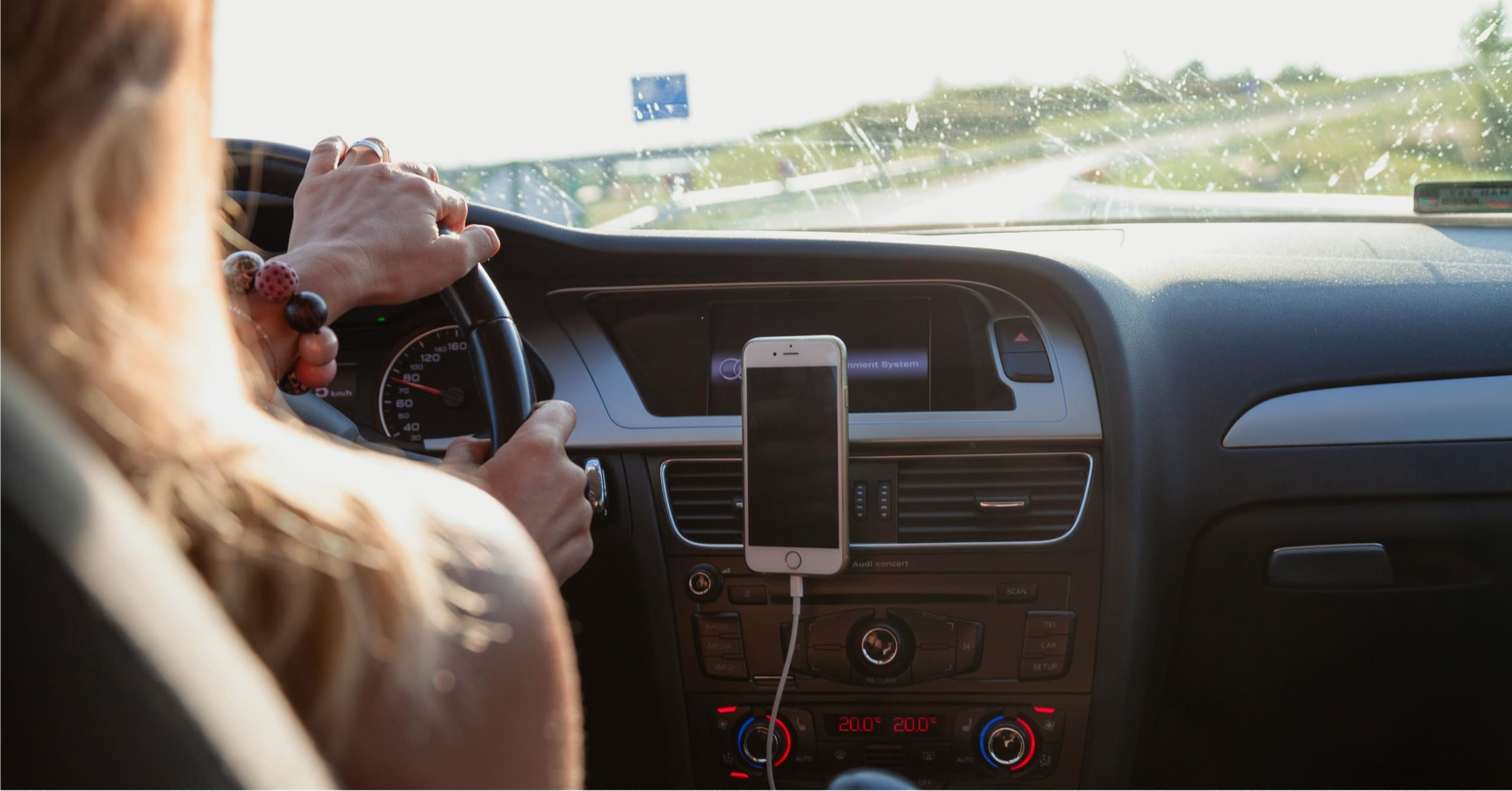
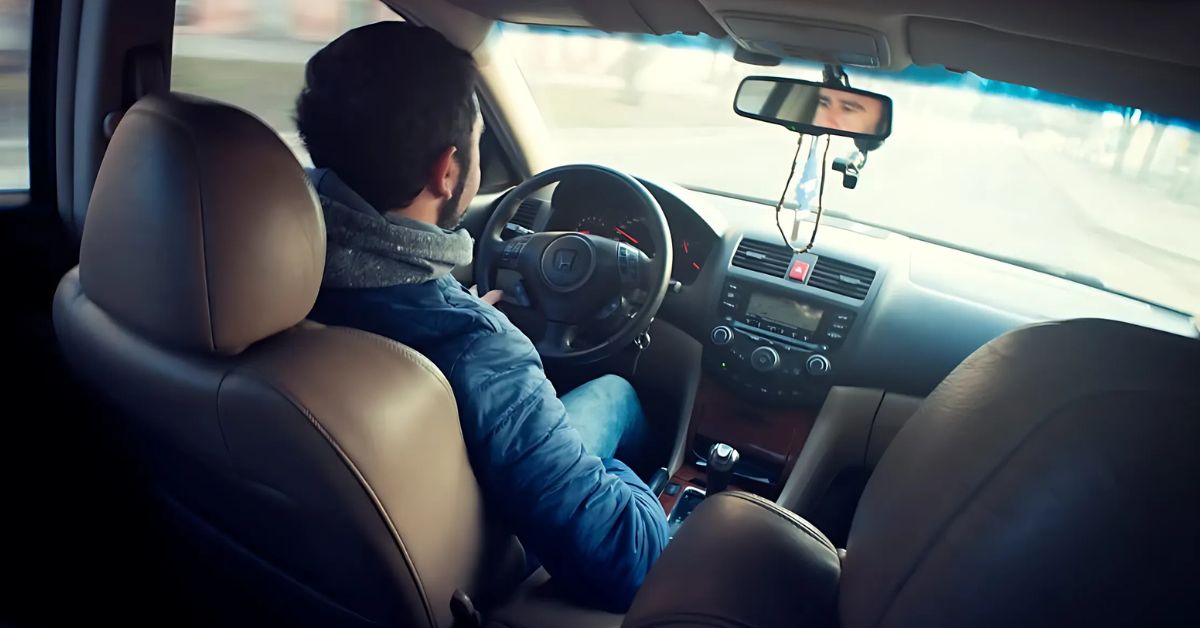
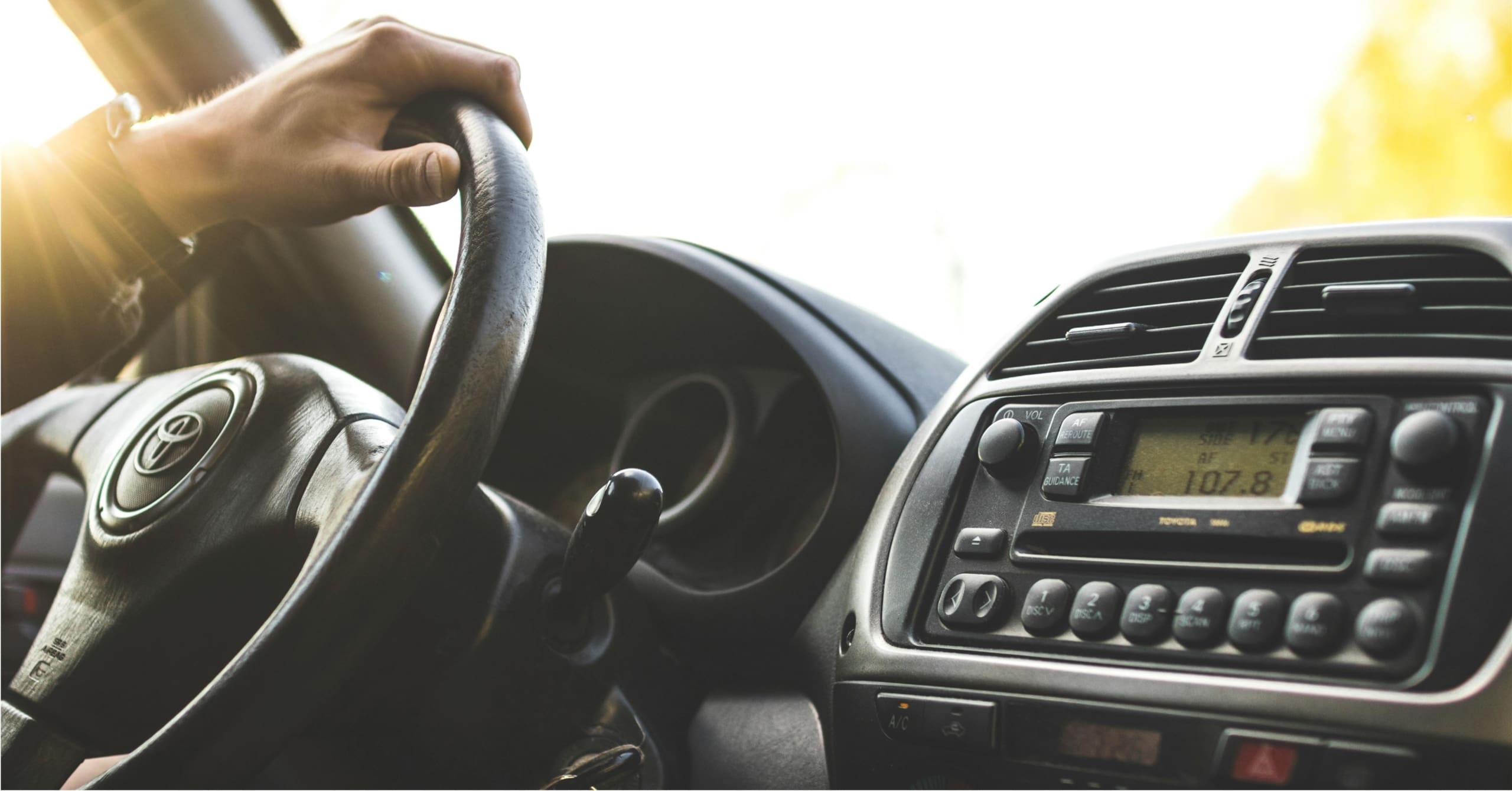 Steering wheel