

Ladders Can Be Very Dangerous
The Consumer Product Safety Commission estimates that more than 500,000 people in the U.S. are treated for ladder-related injuries each year. Many of those falls happen at home, from heights of 10 feet or less. The good news is that a little planning prevents most of them.
Here’s how to stay safe on your next project.
1. Pick the Right Ladder for the Job
Not all ladders work the same way. A stepladder stands on its own and offers good stability for jobs close to the ground, like changing a light fixture or painting a ceiling. An extension ladder reaches much higher, making it the right choice for gutters, siding and rooflines. Using the wrong type is one of the most common causes of ladder falls.
Height matters too. Choose a ladder tall enough to reach your work without standing on the top. When you’re climbing onto a roof, the ladder should extend at least 3 feet above the roofline, giving you something to hold as you step on and off.
Finally, check the ladder’s duty rating, printed on a label on the side rail. The rating tells you how much weight the ladder can safely hold. Remember to count yourself, your clothing, your tools and any materials you plan to carry.
2. Inspect Your Ladder Before Every Use
Ladders take a beating, especially when they’re stored in a garage, shed or basement for months at a time. Before you climb, take a minute to look yours over. Check the steps, rungs, side rails, spreaders, locks and hinges. Look for cracks, bends, loose parts and missing feet. Wipe off any mud, grease, paint or wet leaves that could make you slip.
If anything looks worn, damaged or broken, don’t use the ladder. If possible, repair it according to the manufacturer’s instructions. Otherwise, replace it. A new ladder costs far less than an emergency room visit.
3. Set Up on Solid Ground
A safe climb starts at the base. Set your ladder on a firm, dry, level surface. Avoid soft soil, loose gravel, wet grass and uneven pavement. For a stepladder, open it fully and make sure the spreaders lock in place before you climb.
For an extension ladder, use the 1:4 rule. For every 4 feet of height, move the base 1 foot away from the wall. A ladder reaching 16 feet up, for example, should sit 4 feet out from the house. Make sure all locks are fully engaged before you start climbing.
Whenever possible, have a friend or family member hold the base of the ladder while you work. A second person adds stability. They can also hand you tools, watch for trouble and call for help if something goes wrong.
4. Climb Smart and Stay Balanced
Wear sturdy, slip-resistant shoes with clean, dry soles. Face the ladder as you climb up and down. Keep three points of contact at all times: two hands and one foot, or two feet and one hand. To free up your hands, carry tools in a tool belt, or raise them with a rope once you’re in position.
Know where to stop. On a stepladder, never stand on the top step or the top cap. On an extension ladder, stay off the top three rungs. Keep your body centered between the side rails. If you have to stretch to reach something, climb down and move the ladder. Overreaching is one of the fastest ways to tip a ladder over.
5. Check the Weather and Your Surroundings
Before you head outside, check the forecast. Wind can push a ladder sideways, while rain, frost and wet leaves make rungs slick. If conditions look poor, save the job for another day.
Next, look up. Overhead power lines are one of the most serious ladder hazards around the home. Keep your ladder, especially a metal one, at least 10 feet away from any power line. Contact with a line can cause a deadly shock, even if you don’t touch it directly.
Finally, look around. Keep children and pets away from your work area, where they could bump the ladder or get hit by falling tools. If you’re working near a door, lock it or post someone to keep it from swinging open into the ladder.
Know When to Call a Pro
Some jobs are better left to the experts. Steep roofs, multi-story heights and work near power lines all call for professional equipment and training. When you hire someone, ask for proof of liability insurance and workers’ compensation coverage before work begins. If an uninsured worker gets hurt on your property, you could face the bills.
How Your Homeowners Insurance Can Help
Accidents can happen even when you’re careful. If a friend or neighbor gets hurt while helping with a project at your home, the liability and medical payments coverage in your homeowners insurance policy may help cover the costs. Every policy is different, so review your coverage before your next big project.
Have questions about your homeowners coverage? Contact Murphy Insurance Agency or call us at 800-222-8711. We’re always happy to help you protect your home and your family.
 https://www.dfmurphy.com/wp-content/uploads/5-Home-Ladder-Safety-Tips.jpg
628
1200
Wayne Texeira
https://dfmurphy.wpenginepowered.com/wp-content/uploads/Murphy-Insurance-Logo-Header.jpg
Wayne Texeira2026-11-05 07:00:472026-10-29 16:45:405 Home Ladder Safety Tips
 https://www.dfmurphy.com/wp-content/uploads/Five-Fresh-Tips-to-Keep-Your-Night-More-Treat-Than-Trick-Graphic.jpg
628
1200
Murphy Insurance
https://dfmurphy.wpenginepowered.com/wp-content/uploads/Murphy-Insurance-Logo-Header.jpg
Murphy Insurance2026-10-28 07:00:372026-10-29 14:40:47Five Fresh Tips to Keep Your Night More Treat Than Trick
 https://www.dfmurphy.com/wp-content/uploads/Personal-Insurance-Updates.jpg
628
1200
Wayne Texeira
https://dfmurphy.wpenginepowered.com/wp-content/uploads/Murphy-Insurance-Logo-Header.jpg
Wayne Texeira2026-10-20 14:12:092026-10-20 16:06:15Insurance Reminders: Don’t Forget These Updates
 https://www.dfmurphy.com/wp-content/uploads/Foundation-Structural-Integrity-Homeowners-Manual-Blog-Series-Blank.jpg
629
1200
Murphy Insurance
https://dfmurphy.wpenginepowered.com/wp-content/uploads/Murphy-Insurance-Logo-Header.jpg
Murphy Insurance2026-10-08 07:00:392026-10-15 14:33:14Foundation & Structural Integrity | Homeowner’s Manual Blog Series
 https://www.dfmurphy.com/wp-content/uploads/Fire-Prevention-Month-Helping-Protect-Your-Home-and-Family-from-Fire-Risks.jpg
628
1200
Murphy Insurance
https://dfmurphy.wpenginepowered.com/wp-content/uploads/Murphy-Insurance-Logo-Header.jpg
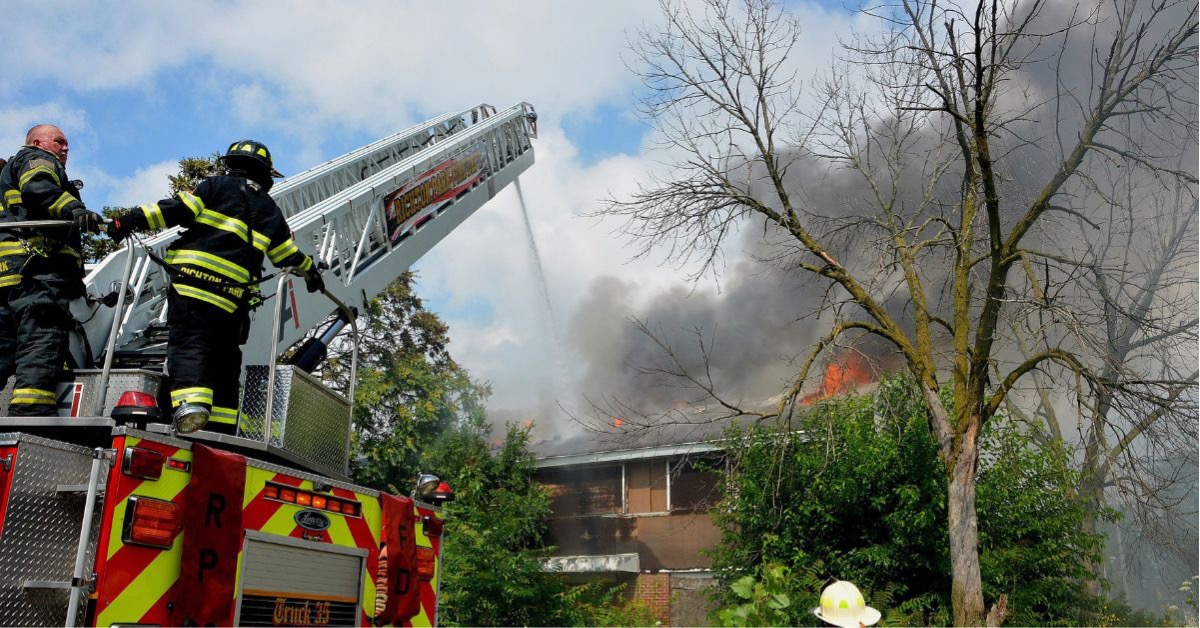
Murphy Insurance2026-10-01 07:00:502026-09-28 14:35:21Fire Prevention Month: Helping Protect Your Home and Family from Fire Risks
 https://www.dfmurphy.com/wp-content/uploads/Understanding-Safety-and-Responsibility-at-the-Playground-2.jpg
628
1200
Wayne Texeira
https://dfmurphy.wpenginepowered.com/wp-content/uploads/Murphy-Insurance-Logo-Header.jpg
Wayne Texeira2026-09-28 07:00:242026-09-28 12:45:02Understanding Safety and Responsibility at the Playground
 https://www.dfmurphy.com/wp-content/uploads/Untitled-design-60.jpg
628
1200
Murphy Insurance
https://dfmurphy.wpenginepowered.com/wp-content/uploads/Murphy-Insurance-Logo-Header.jpg
Murphy Insurance2026-09-24 07:00:582026-10-15 15:16:10How to Stop Receiving Mail Addressed to a Deceased Person
 https://www.dfmurphy.com/wp-content/uploads/Understanding-and-Preventing-Digital-Eye-Strain-1.jpg
628
1200
Wayne Texeira
https://dfmurphy.wpenginepowered.com/wp-content/uploads/Murphy-Insurance-Logo-Header.jpg
Wayne Texeira2026-09-21 11:30:102026-09-21 14:14:35Understanding and Preventing Digital Eye Strain
 https://www.dfmurphy.com/wp-content/uploads/Pest-Prevention-Homeowners-Manual-BLANK.jpg
629
1200
Murphy Insurance
https://dfmurphy.wpenginepowered.com/wp-content/uploads/Murphy-Insurance-Logo-Header.jpg
Murphy Insurance2026-09-10 07:00:102026-10-20 15:55:35Pest Prevention | Homeowner’s Manual Blog Series
Visit Our Personal Insurance Page

Life is an ever-changing journey, and it deserves a thoughtful, comprehensive plan to protect the things and people that matter most. Our dedicated team at Murphy Insurance is here to assist you in creating that plan. With a wide range of product options at our disposal, we ensure that your plan is tailored precisely to your requirements. Our commitment to providing clear, intelligent guidance to help you achieve true peace of mind. Learn more about our personal insurance portfolio.
