
Choosing a new vehicle is an exciting decision, but it’s also one that deserves careful thought—especially when it comes to safety. While all new vehicles must meet federal safety standards, that doesn’t mean all models offer the same level of protection. Automakers often go beyond the basics with advanced features designed to prevent accidents and reduce injuries.

Whether you’re buying your first car, upgrading to a family vehicle, or replacing an aging model, it’s important to understand what makes a car safe—and how those choices might affect your insurance costs.
This guide outlines the most important safety features to look for, offers tips for navigating the car-buying process, and explains why it’s a good idea to evaluate insurance implications before making your final decision.
🚗 Understanding the Vehicle Buying Process
The process of buying a vehicle can be complex, and safety considerations should be front and center. Here are a few important steps to take:
-
Establish Your Budget
Account for all ownership costs—monthly payments, fuel, maintenance, taxes, and insurance premiums. -
Research Vehicle Safety and Reliability
Use trusted sources like the Insurance Institute for Highway Safety (IIHS.org) and the National Highway Traffic Safety Administration (NHTSA.gov) to review crash test results and safety ratings. -
Test Drive and Inspect Safety Systems
Look beyond comfort and performance. Pay attention to visibility, blind spots, seat belt fit, and the availability of advanced driver assistance systems. -
Compare Insurance Costs
Insurance premiums vary based on vehicle make, model, safety ratings, and repair costs. Contacting your insurance provider before you buy can help you avoid surprises.
🛡️ Key Safety Features to Consider
When evaluating a vehicle’s safety, consider both passive and active systems. Together, these technologies help prevent accidents and protect occupants when crashes occur.
Crashworthiness & Structural Design
Crashworthiness refers to how well a vehicle protects its occupants in a collision. Key design elements include:
-
A reinforced safety cage that resists intrusion into the passenger area.
-
Crumple zones in the front and rear to absorb energy during a crash.
Vehicle Size and Weight
Larger, heavier vehicles generally offer better protection in crashes, especially when colliding with smaller vehicles. However, they may be less fuel-efficient and harder to maneuver.
Seat Belts, Airbags, and Head Restraints
These foundational safety systems work together to reduce injury risk:
-
Lap and shoulder belts keep occupants securely in place.
-
Airbags deploy in a fraction of a second to cushion impacts.
-
Head restraints help prevent whiplash injuries in rear-end collisions.
🔍 Modern Safety Technologies to Look For
Advancements in vehicle safety technology now provide drivers with a range of tools designed to prevent crashes and reduce the severity of accidents. These systems are increasingly common across many price points.
Crash Avoidance and Driver Assistance Features
-
Electronic Stability Control (ESC): Helps maintain control during skids or emergency maneuvers by selectively braking individual wheels.
-
Forward Collision Warning (FCW) and Automatic Emergency Braking (AEB): FCW alerts the driver of an imminent collision, while AEB can apply the brakes if the driver doesn’t react in time.
-
Blind Spot Monitoring (BSM): Alerts drivers to vehicles in adjacent lanes, reducing the risk of side collisions.
-
Lane Departure Warning (LDW) and Lane Keeping Assist (LKA): LDW alerts you when your car drifts from its lane without signaling. LKA gently steers the vehicle back into the lane if needed.
-
Rear Cross Traffic Alert (RCTA): Notifies drivers of approaching vehicles or objects when backing out of parking spaces.
-
Adaptive Cruise Control (ACC): Maintains a set distance behind the vehicle in front, adjusting speed automatically.
-
Daytime Running Lights (DRLs): Improve vehicle visibility to other drivers, helping reduce daytime collisions.
-
Traffic Sign Recognition: Detects and displays traffic signs like speed limits to help keep drivers informed.
-
Surround-View or 360-Degree Cameras: Provide a bird’s-eye view around the vehicle to assist with parking and reduce blind spots.
-
Pedestrian and Cyclist Detection: Uses sensors to identify vulnerable road users and may engage braking systems to prevent or mitigate collisions.
💡 Why Insurance Considerations Matter
Insurance costs should be part of the decision-making process when buying a vehicle. Some safety features can lead to lower premiums, while others—particularly those involving expensive sensors or technology—can increase repair costs and affect rates.
Factors that impact insurance premiums include:
-
Safety and crash test ratings
-
Theft rates and claim history
-
Repair costs, especially for high-tech features
-
Vehicle type and performance characteristics
Before committing to a vehicle, it’s wise to get an insurance quote and review how different models might impact your coverage options and costs. Taking time to understand how safety features work, comparing vehicles carefully, and factoring in insurance costs are all key parts of making a smart purchase.
📞 Before You Buy, Talk to Murphy Insurance
Let us help you factor insurance costs into your decision. The make, model, safety features, and even how often and where you drive can all affect your premium.
📍 Have a question or need a quote?
Click here to submit an inquiry or call us at 800-222-8711
 https://www.dfmurphy.com/wp-content/uploads/Foundation-Structural-Integrity-Homeowners-Manual-Blog-Series-Blank.jpg
629
1200
Murphy Insurance
https://dfmurphy.wpenginepowered.com/wp-content/uploads/Murphy-Insurance-Logo-Header.jpg
Murphy Insurance2026-10-08 07:00:392026-10-15 14:33:14Foundation & Structural Integrity | Homeowner’s Manual Blog Series
https://www.dfmurphy.com/wp-content/uploads/Foundation-Structural-Integrity-Homeowners-Manual-Blog-Series-Blank.jpg
629
1200
Murphy Insurance
https://dfmurphy.wpenginepowered.com/wp-content/uploads/Murphy-Insurance-Logo-Header.jpg
Murphy Insurance2026-10-08 07:00:392026-10-15 14:33:14Foundation & Structural Integrity | Homeowner’s Manual Blog Series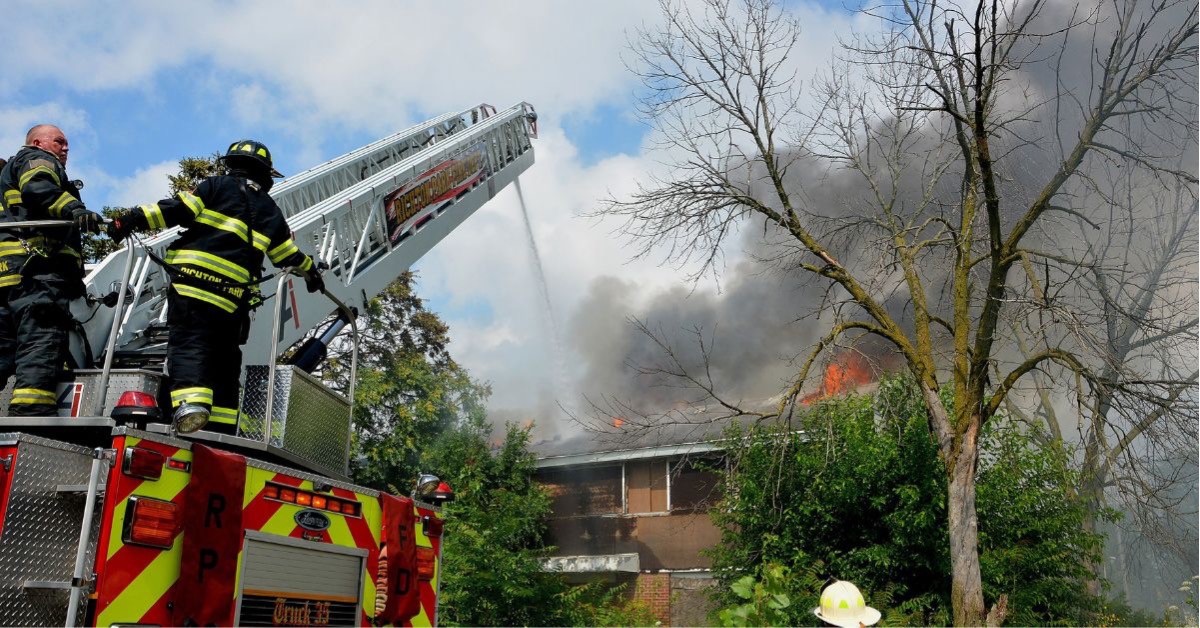 https://www.dfmurphy.com/wp-content/uploads/Fire-Prevention-Month-Helping-Protect-Your-Home-and-Family-from-Fire-Risks.jpg
628
1200
Murphy Insurance
https://dfmurphy.wpenginepowered.com/wp-content/uploads/Murphy-Insurance-Logo-Header.jpg
Murphy Insurance2026-10-01 07:00:502026-09-28 14:35:21Fire Prevention Month: Helping Protect Your Home and Family from Fire Risks
https://www.dfmurphy.com/wp-content/uploads/Fire-Prevention-Month-Helping-Protect-Your-Home-and-Family-from-Fire-Risks.jpg
628
1200
Murphy Insurance
https://dfmurphy.wpenginepowered.com/wp-content/uploads/Murphy-Insurance-Logo-Header.jpg
Murphy Insurance2026-10-01 07:00:502026-09-28 14:35:21Fire Prevention Month: Helping Protect Your Home and Family from Fire Risks https://www.dfmurphy.com/wp-content/uploads/Understanding-Safety-and-Responsibility-at-the-Playground-2.jpg
628
1200
Wayne Texeira
https://dfmurphy.wpenginepowered.com/wp-content/uploads/Murphy-Insurance-Logo-Header.jpg
Wayne Texeira2026-09-28 07:00:242026-09-28 12:45:02Understanding Safety and Responsibility at the Playground
https://www.dfmurphy.com/wp-content/uploads/Understanding-Safety-and-Responsibility-at-the-Playground-2.jpg
628
1200
Wayne Texeira
https://dfmurphy.wpenginepowered.com/wp-content/uploads/Murphy-Insurance-Logo-Header.jpg
Wayne Texeira2026-09-28 07:00:242026-09-28 12:45:02Understanding Safety and Responsibility at the Playground https://www.dfmurphy.com/wp-content/uploads/Untitled-design-60.jpg
628
1200
Murphy Insurance
https://dfmurphy.wpenginepowered.com/wp-content/uploads/Murphy-Insurance-Logo-Header.jpg
Murphy Insurance2026-09-24 07:00:582026-10-15 15:16:10How to Stop Receiving Mail Addressed to a Deceased Person
https://www.dfmurphy.com/wp-content/uploads/Untitled-design-60.jpg
628
1200
Murphy Insurance
https://dfmurphy.wpenginepowered.com/wp-content/uploads/Murphy-Insurance-Logo-Header.jpg
Murphy Insurance2026-09-24 07:00:582026-10-15 15:16:10How to Stop Receiving Mail Addressed to a Deceased Person https://www.dfmurphy.com/wp-content/uploads/Understanding-and-Preventing-Digital-Eye-Strain-1.jpg
628
1200
Wayne Texeira
https://dfmurphy.wpenginepowered.com/wp-content/uploads/Murphy-Insurance-Logo-Header.jpg
Wayne Texeira2026-09-21 11:30:102026-09-21 14:14:35Understanding and Preventing Digital Eye Strain
https://www.dfmurphy.com/wp-content/uploads/Understanding-and-Preventing-Digital-Eye-Strain-1.jpg
628
1200
Wayne Texeira
https://dfmurphy.wpenginepowered.com/wp-content/uploads/Murphy-Insurance-Logo-Header.jpg
Wayne Texeira2026-09-21 11:30:102026-09-21 14:14:35Understanding and Preventing Digital Eye Strain https://www.dfmurphy.com/wp-content/uploads/Pest-Prevention-Homeowners-Manual-Blog-Series-SMM.jpg
629
1200
Murphy Insurance
https://dfmurphy.wpenginepowered.com/wp-content/uploads/Murphy-Insurance-Logo-Header.jpg
Murphy Insurance2026-09-10 07:00:102026-09-04 14:01:19Pest Prevention | Homeowner’s Manual Blog Series
https://www.dfmurphy.com/wp-content/uploads/Pest-Prevention-Homeowners-Manual-Blog-Series-SMM.jpg
629
1200
Murphy Insurance
https://dfmurphy.wpenginepowered.com/wp-content/uploads/Murphy-Insurance-Logo-Header.jpg
Murphy Insurance2026-09-10 07:00:102026-09-04 14:01:19Pest Prevention | Homeowner’s Manual Blog Series https://www.dfmurphy.com/wp-content/uploads/Evan-Macedo-1200-x-628-.jpg
628
1200
Wayne Texeira
https://dfmurphy.wpenginepowered.com/wp-content/uploads/Murphy-Insurance-Logo-Header.jpg
Wayne Texeira2026-09-09 11:19:362026-09-10 15:39:23Murphy Insurance Welcomes Evan Macedo to Our Leadership Team
https://www.dfmurphy.com/wp-content/uploads/Evan-Macedo-1200-x-628-.jpg
628
1200
Wayne Texeira
https://dfmurphy.wpenginepowered.com/wp-content/uploads/Murphy-Insurance-Logo-Header.jpg
Wayne Texeira2026-09-09 11:19:362026-09-10 15:39:23Murphy Insurance Welcomes Evan Macedo to Our Leadership Team https://www.dfmurphy.com/wp-content/uploads/Should-You-Put-Your-Teen-on-Your-Car-Policy-or-Get-Them-Their-Own-.jpg
628
1200
Murphy Insurance
https://dfmurphy.wpenginepowered.com/wp-content/uploads/Murphy-Insurance-Logo-Header.jpg
Murphy Insurance2026-08-25 07:00:452026-08-24 13:16:18Should You Put Your Teen on Your Car Policy or Get Them Their Own?
https://www.dfmurphy.com/wp-content/uploads/Should-You-Put-Your-Teen-on-Your-Car-Policy-or-Get-Them-Their-Own-.jpg
628
1200
Murphy Insurance
https://dfmurphy.wpenginepowered.com/wp-content/uploads/Murphy-Insurance-Logo-Header.jpg
Murphy Insurance2026-08-25 07:00:452026-08-24 13:16:18Should You Put Your Teen on Your Car Policy or Get Them Their Own? https://www.dfmurphy.com/wp-content/uploads/Electrical-Safety-Homeowners-Manual-Blog-Series-.jpg
629
1200
Murphy Insurance
https://dfmurphy.wpenginepowered.com/wp-content/uploads/Murphy-Insurance-Logo-Header.jpg
Murphy Insurance2026-08-17 07:00:102026-08-13 11:17:19Electrical Safety | Homeowner’s Manual Blog Series
https://www.dfmurphy.com/wp-content/uploads/Electrical-Safety-Homeowners-Manual-Blog-Series-.jpg
629
1200
Murphy Insurance
https://dfmurphy.wpenginepowered.com/wp-content/uploads/Murphy-Insurance-Logo-Header.jpg
Murphy Insurance2026-08-17 07:00:102026-08-13 11:17:19Electrical Safety | Homeowner’s Manual Blog SeriesVisit Our Auto Insurance Page

At Murphy Insurance, we are here to assist you in obtaining the appropriate auto insurance. Choosing the appropriate auto insurance coverage can be overwhelming. Every insurance company has its unique offerings, making it challenging to compare options effectively. That’s where we shine. We simplify the process by helping you evaluate provider and policy choices, seek out discounts, and optimize your car insurance within your budget constraints. Ultimately, our goal is to provide you with peace of mind, knowing that you and your loved ones are well-protected.

