
Auto insurance can be confusing at times. Policies often contain a variety of terms that can be difficult to understand, especially for someone without a background in insurance.
The following is a list of common auto insurance terms to keep in mind the next time you meet with your insurance broker: Accident report form: Sometimes referred to as a police report, this form contains important information about an auto accident, such as circumstances that led to an accident, the parties involved and details regarding the citations given.
- At fault: This term refers to the degree to which a party caused or contributed to an accident. This term is often used to determine whose auto insurance company pays for specific portions of damages incurred as the result of an accident.
- Automobile liability insurance: This refers to a type of insurance that provides coverage when a party causes an accident and either physical or property damage occurs.
- Bodily injury liability coverage: This type of insurance provides coverage for injuries or deaths to people involved in the accident other than the insured driver. This coverage kicks in if an insured person is legally liable for an accident and also provides coverage for defense costs if the insured is sued.
- Claims adjuster: A claims adjuster is a representative from an insurance company who investigates and settles claims. This person’s job is to ensure that all parties involved in an accident receive fair compensation.
- Collision coverage: A form of auto insurance that provides for reimbursement for loss to a covered vehicle due to its colliding with another vehicle, object or the overturn of the automobile.
- Comprehensive coverage: This coverage pays for any repairs not directly related to a collision. This includes damages from fires, thefts, windstorms, floods and vandalism.
- Covered loss: A covered loss is any damage to yourself, your vehicle, other people or property covered by your insurance policy.
- Declarations page: Sometimes referred to as an auto insurance coverage summary, this is a document provided by an insurance company. These documents list the following for policyholders:
- The types of coverage elected
- Specific limits for each coverage
- The cost of each coverage
- Specific vehicles covered by the policy
- Types of coverage for each vehicle covered by the policy
- Deductible: A deductible is the portion of a covered loss that a policyholder agrees to pay out of pocket.
- Endorsement: Any change, addition or optional coverage added to an insurance policy. An endorsement may require additional premium.
- Garaging location: A garaging location refers to the primary location you park your car when it’s not in use.
- Limits: Limits refer to the maximum dollar amount of protection purchased by the policyholder for specific coverages. State laws often require drivers to have a minimum level of coverage.
- Loss: Refers to direct and accidental damages to a person or property.
- Medical payments coverage: Coverage that pays for reasonable medical expenses and death benefits to a policyholder and any passengers injured in the event of an auto accident, regardless of fault.
- Motor vehicle report (MVR): MVRs are official records held by states that detail a driver’s licensing status, violations, suspensions and other infractions incurred over the last several years. These forms are often used to determine premiums.
- Named insured: The primary person the insurance policy is issued to.
- No-fault automobile insurance: This type of coverage is used to compensate victims of accidents without having to prove who caused the accident.
- Non-owners policy: This policy provides liability and add-on coverage for someone who does not own a vehicle.
- Personal injury protection coverage: Sometimes referred to as PIP, this coverage pays for medical expenses, and, in some states, lost wages and other damages, if a person is injured in an auto accident, regardless of who is at fault. This coverage often covers pedestrians struck by vehicles as well.
- Premium: A premium is the amount a policyholder pays to an insurance company for coverage.
- Primary use: Primary use refers to how a policyholder mainly uses his or her vehicle. Primary use options often include work, business, pleasure or farm use.
- Principal driver: The principal driver is the person who drives the insured vehicle the most.
- Property damage liability coverage (PD): If an insured person is legally liable for an accident, PD coverage pays for damage to others’ property resulting from the accident. PD also pays for legal defense costs if you are sued.
- Rental reimbursement coverage: This coverage reimburses you (up to a set daily amount) for a rental car if your car is being repaired due to damage covered by your auto insurance policy.
- Uninsured/underinsured motorist coverage (UM): This coverage helps pay for medical bills, pain and suffering related to bodily injuries caused by a driver who is uninsured or underinsured.
- Vehicle identification number (VIN): This is a unique 17-character sequence containing both letters and numbers that identifies a vehicle.
If you need clarification on any terms or conditions when meeting with your insurance broker, don’t hesitate to ask. Doing so ensures that you fully understand your policy and get the coverage you need. To discuss your auto insurance needs, contact Murphy Insurance Agency today.
 https://www.dfmurphy.com/wp-content/uploads/Foundation-Structural-Integrity-HM-Blog-Series-SMM-.jpg
629
1200
Murphy Insurance
https://dfmurphy.wpenginepowered.com/wp-content/uploads/Murphy-Insurance-Logo-Header.jpg
Murphy Insurance2026-10-08 07:00:392026-09-29 12:31:28Foundation & Structural Integrity | Homeowner’s Manual Blog Series
https://www.dfmurphy.com/wp-content/uploads/Foundation-Structural-Integrity-HM-Blog-Series-SMM-.jpg
629
1200
Murphy Insurance
https://dfmurphy.wpenginepowered.com/wp-content/uploads/Murphy-Insurance-Logo-Header.jpg
Murphy Insurance2026-10-08 07:00:392026-09-29 12:31:28Foundation & Structural Integrity | Homeowner’s Manual Blog Series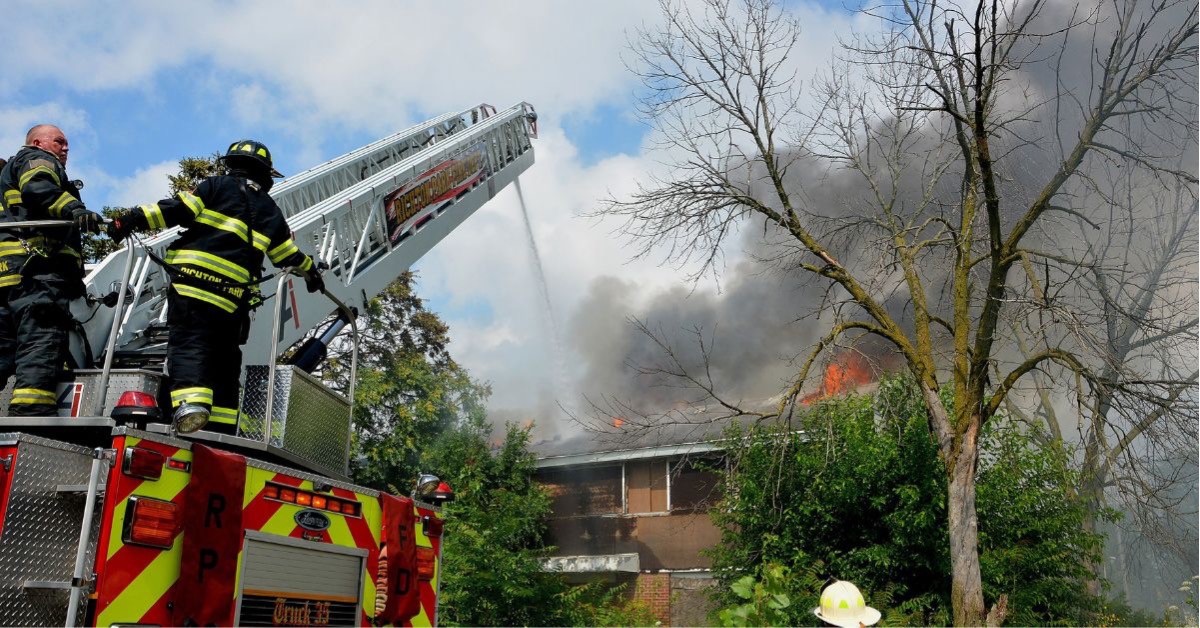 https://www.dfmurphy.com/wp-content/uploads/Fire-Prevention-Month-Helping-Protect-Your-Home-and-Family-from-Fire-Risks.jpg
628
1200
Murphy Insurance
https://dfmurphy.wpenginepowered.com/wp-content/uploads/Murphy-Insurance-Logo-Header.jpg
Murphy Insurance2026-10-01 07:00:502026-09-28 14:35:21Fire Prevention Month: Helping Protect Your Home and Family from Fire Risks
https://www.dfmurphy.com/wp-content/uploads/Fire-Prevention-Month-Helping-Protect-Your-Home-and-Family-from-Fire-Risks.jpg
628
1200
Murphy Insurance
https://dfmurphy.wpenginepowered.com/wp-content/uploads/Murphy-Insurance-Logo-Header.jpg
Murphy Insurance2026-10-01 07:00:502026-09-28 14:35:21Fire Prevention Month: Helping Protect Your Home and Family from Fire Risks https://www.dfmurphy.com/wp-content/uploads/Understanding-Safety-and-Responsibility-at-the-Playground-2.jpg
628
1200
Wayne Texeira
https://dfmurphy.wpenginepowered.com/wp-content/uploads/Murphy-Insurance-Logo-Header.jpg
Wayne Texeira2026-09-28 07:00:242026-09-28 12:45:02Understanding Safety and Responsibility at the Playground
https://www.dfmurphy.com/wp-content/uploads/Understanding-Safety-and-Responsibility-at-the-Playground-2.jpg
628
1200
Wayne Texeira
https://dfmurphy.wpenginepowered.com/wp-content/uploads/Murphy-Insurance-Logo-Header.jpg
Wayne Texeira2026-09-28 07:00:242026-09-28 12:45:02Understanding Safety and Responsibility at the Playground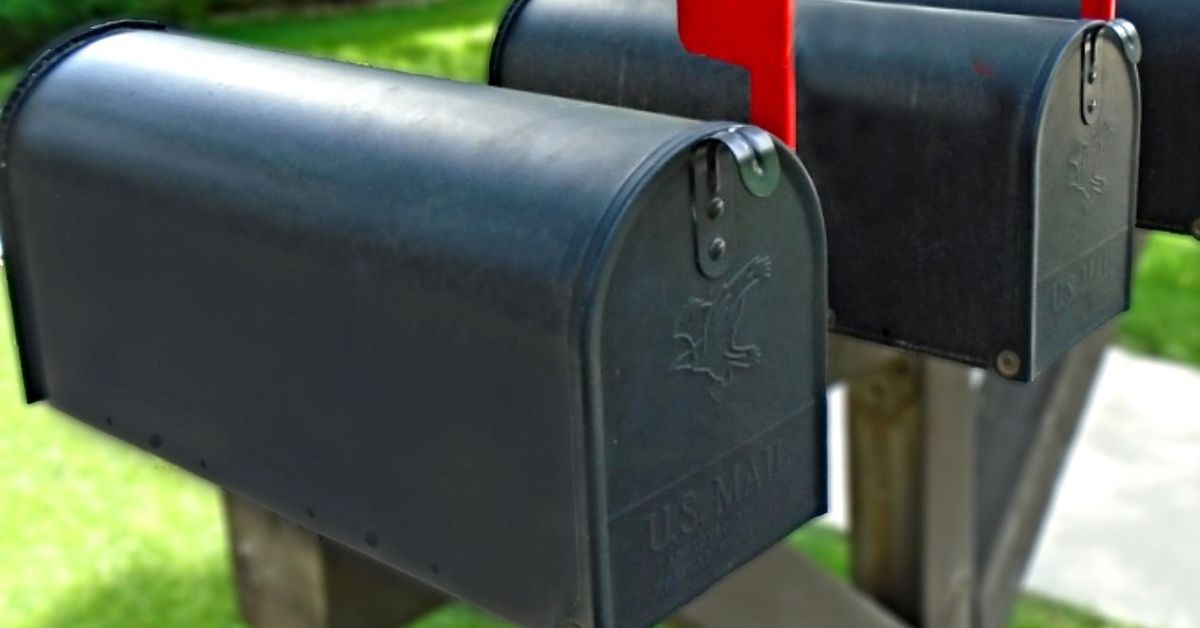 https://www.dfmurphy.com/wp-content/uploads/Untitled-design-60.jpg
628
1200
Murphy Insurance
https://dfmurphy.wpenginepowered.com/wp-content/uploads/Murphy-Insurance-Logo-Header.jpg
Murphy Insurance2026-09-24 07:00:582026-09-29 13:02:49How to Stop Receiving Mail Addressed to a Deceased Person
https://www.dfmurphy.com/wp-content/uploads/Untitled-design-60.jpg
628
1200
Murphy Insurance
https://dfmurphy.wpenginepowered.com/wp-content/uploads/Murphy-Insurance-Logo-Header.jpg
Murphy Insurance2026-09-24 07:00:582026-09-29 13:02:49How to Stop Receiving Mail Addressed to a Deceased Person https://www.dfmurphy.com/wp-content/uploads/Understanding-and-Preventing-Digital-Eye-Strain-1.jpg
628
1200
Wayne Texeira
https://dfmurphy.wpenginepowered.com/wp-content/uploads/Murphy-Insurance-Logo-Header.jpg
Wayne Texeira2026-09-21 11:30:102026-09-21 14:14:35Understanding and Preventing Digital Eye Strain
https://www.dfmurphy.com/wp-content/uploads/Understanding-and-Preventing-Digital-Eye-Strain-1.jpg
628
1200
Wayne Texeira
https://dfmurphy.wpenginepowered.com/wp-content/uploads/Murphy-Insurance-Logo-Header.jpg
Wayne Texeira2026-09-21 11:30:102026-09-21 14:14:35Understanding and Preventing Digital Eye Strain https://www.dfmurphy.com/wp-content/uploads/Pest-Prevention-Homeowners-Manual-Blog-Series-SMM.jpg
629
1200
Murphy Insurance
https://dfmurphy.wpenginepowered.com/wp-content/uploads/Murphy-Insurance-Logo-Header.jpg
Murphy Insurance2026-09-10 07:00:102026-09-04 14:01:19Pest Prevention | Homeowner’s Manual Blog Series
https://www.dfmurphy.com/wp-content/uploads/Pest-Prevention-Homeowners-Manual-Blog-Series-SMM.jpg
629
1200
Murphy Insurance
https://dfmurphy.wpenginepowered.com/wp-content/uploads/Murphy-Insurance-Logo-Header.jpg
Murphy Insurance2026-09-10 07:00:102026-09-04 14:01:19Pest Prevention | Homeowner’s Manual Blog Series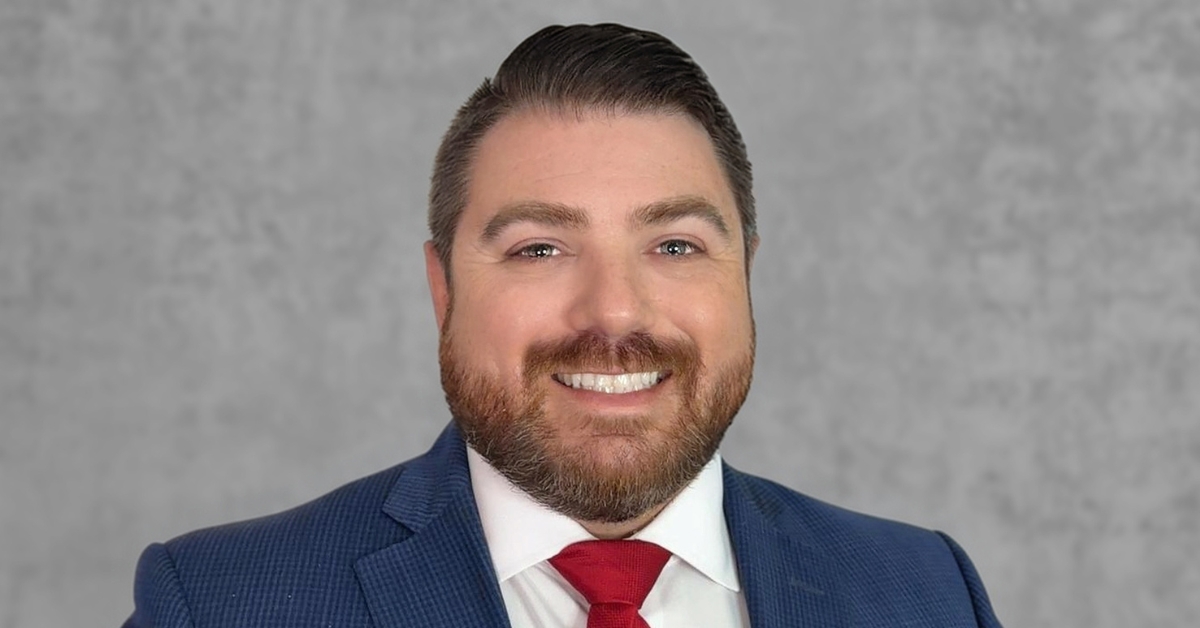 https://www.dfmurphy.com/wp-content/uploads/Evan-Macedo-1200-x-628-.jpg
628
1200
Wayne Texeira
https://dfmurphy.wpenginepowered.com/wp-content/uploads/Murphy-Insurance-Logo-Header.jpg
Wayne Texeira2026-09-09 11:19:362026-09-10 15:39:23Murphy Insurance Welcomes Evan Macedo to Our Leadership Team
https://www.dfmurphy.com/wp-content/uploads/Evan-Macedo-1200-x-628-.jpg
628
1200
Wayne Texeira
https://dfmurphy.wpenginepowered.com/wp-content/uploads/Murphy-Insurance-Logo-Header.jpg
Wayne Texeira2026-09-09 11:19:362026-09-10 15:39:23Murphy Insurance Welcomes Evan Macedo to Our Leadership Team https://www.dfmurphy.com/wp-content/uploads/Should-You-Put-Your-Teen-on-Your-Car-Policy-or-Get-Them-Their-Own-.jpg
628
1200
Murphy Insurance
https://dfmurphy.wpenginepowered.com/wp-content/uploads/Murphy-Insurance-Logo-Header.jpg
Murphy Insurance2026-08-25 07:00:452026-08-24 13:16:18Should You Put Your Teen on Your Car Policy or Get Them Their Own?
https://www.dfmurphy.com/wp-content/uploads/Should-You-Put-Your-Teen-on-Your-Car-Policy-or-Get-Them-Their-Own-.jpg
628
1200
Murphy Insurance
https://dfmurphy.wpenginepowered.com/wp-content/uploads/Murphy-Insurance-Logo-Header.jpg
Murphy Insurance2026-08-25 07:00:452026-08-24 13:16:18Should You Put Your Teen on Your Car Policy or Get Them Their Own? https://www.dfmurphy.com/wp-content/uploads/Electrical-Safety-Homeowners-Manual-Blog-Series-.jpg
629
1200
Murphy Insurance
https://dfmurphy.wpenginepowered.com/wp-content/uploads/Murphy-Insurance-Logo-Header.jpg
Murphy Insurance2026-08-17 07:00:102026-08-13 11:17:19Electrical Safety | Homeowner’s Manual Blog Series
https://www.dfmurphy.com/wp-content/uploads/Electrical-Safety-Homeowners-Manual-Blog-Series-.jpg
629
1200
Murphy Insurance
https://dfmurphy.wpenginepowered.com/wp-content/uploads/Murphy-Insurance-Logo-Header.jpg
Murphy Insurance2026-08-17 07:00:102026-08-13 11:17:19Electrical Safety | Homeowner’s Manual Blog SeriesVisit Our Auto Insurance Page

At Murphy Insurance, we are here to assist you in obtaining the appropriate auto insurance. Choosing the appropriate auto insurance coverage can be overwhelming. Every insurance company has its unique offerings, making it challenging to compare options effectively. That’s where we shine. We simplify the process by helping you evaluate provider and policy choices, seek out discounts, and optimize your car insurance within your budget constraints. Ultimately, our goal is to provide you with peace of mind, knowing that you and your loved ones are well-protected.

