Home Insurance “Rebuild Cost” vs. Market Value, Why it Matters
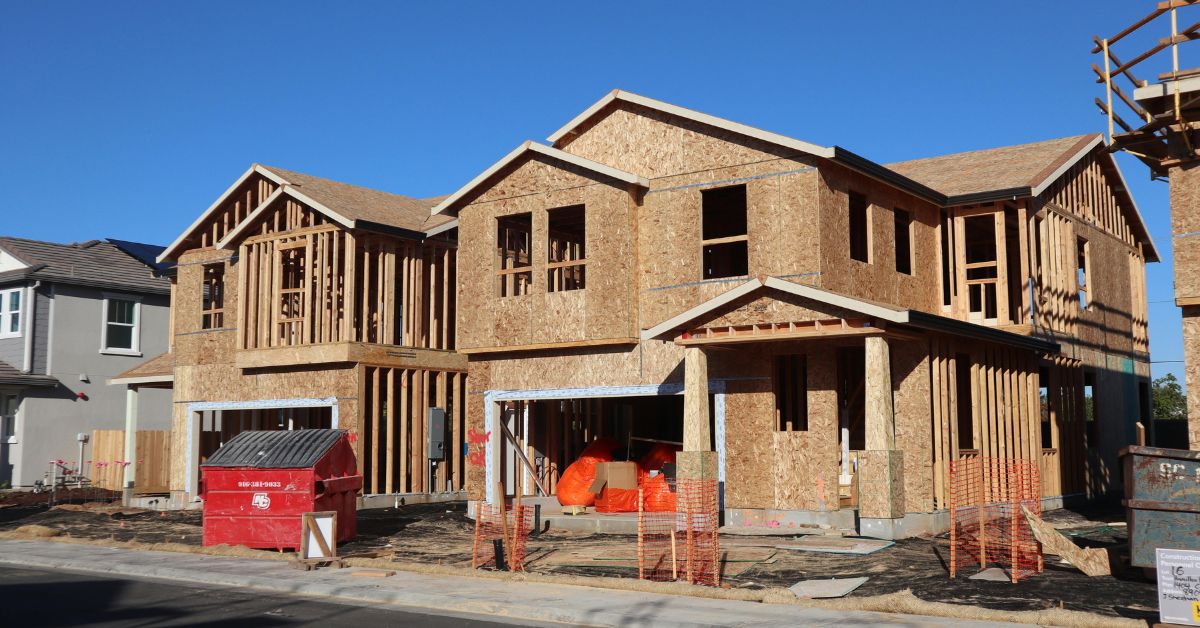
That assumption often leads to confusion. Insurance coverage is not based on market value but on rebuild cost, which is why coverage amounts may appear higher. As a result, homeowners may feel they are overinsured or paying too much, when the valuation coverage limit is actually a best estimate of what it would take to fully rebuild the home after a total loss.
Let’s dig deeper to give you a clearer understanding of how this works and why it matters.
Market Value vs. Rebuild Cost
Market value reflects what your home could sell for in the current real estate market. It includes factors such as location, school districts, neighborhood demand, and comparable sales. These values can change quickly based on market conditions.
Rebuild cost, also known as replacement cost, is the amount it would take to rebuild your home from the ground up after a total loss. This figure focuses on construction-related expenses, including labor, materials, permits, and building code requirements.
While market value is influenced by demand and location, rebuild cost is driven by construction costs, and the two numbers often differ significantly.
Why Insurance Uses Rebuild Cost
Home insurance is designed to pay for repairing or rebuilding your home after a covered loss, not to reimburse its resale value. Land value, market demand, and neighborhood trends do not affect the cost of rebuilding a structure.
For example, a home in a desirable neighborhood may sell for far more than it would cost to rebuild. On the other hand, in areas with lower property values, rebuilding a home can cost more than its market price due to labor and material expenses. If insurance coverage is based only on market value, homeowners risk carrying too little coverage when a claim occurs.
The Risk of Underinsurance
Underinsurance happens when your policy limit is lower than the actual cost to rebuild your home. Most homeowners policies include an inflation guard that automatically adjusts the insured value each year to help keep coverage aligned with rising rebuild costs. Even so, if rebuilding costs exceed your coverage limit after a major loss, you may be responsible for the difference.
Construction costs can rise rapidly due to inflation, labor shortages, supply chain disruptions, and changes in building codes. Because these factors often aren’t reflected in a home’s market value, rebuild costs can gradually outpace coverage, even with annual inflation adjustments in place.
Many policies also include coinsurance provisions, which may reduce claim payouts if the home is insured for less than the required percentage of its rebuild value. Taken together, these risks make it wise to review your policy with your agent periodically.
How Rebuild Cost Is Estimated
Insurance companies use specialized tools to estimate rebuild cost. Because these are estimates, it’s important to review your coverage periodically, especially after renovations or when construction costs rise. These calculations typically consider:
- Square footage and layout
- Construction type and materials
- Local labor rates
- Roofing, flooring, and interior finishes
- Current building codes
Ways to Protect Yourself
Homeowners can reduce the risk of underinsurance by:
- Reviewing rebuild cost estimates every 3-5 years
- Updating coverage after renovations or additions
- Ensuring custom features are included in estimates
- Considering extended or guaranteed replacement cost options
Working with an experienced insurance agent can help ensure your coverage reflects current rebuilding costs and local conditions.
Final Thoughts
Market value and rebuild cost serve very different purposes. While market value matters when buying or selling a home, rebuilding cost is what protects you after a loss. Contact us to review your homeowner’s policy to help prevent coverage gaps and financial surprises when it matters most.
 https://www.dfmurphy.com/wp-content/uploads/Electrical-Safety-Homeowners-Manual-Blog-Series-.jpg
629
1200
Murphy Insurance
https://dfmurphy.wpenginepowered.com/wp-content/uploads/Murphy-Insurance-Logo-Header.jpg
Murphy Insurance2026-08-17 07:00:102026-08-13 11:17:19Electrical Safety | Homeowner’s Manual Blog Series
https://www.dfmurphy.com/wp-content/uploads/Electrical-Safety-Homeowners-Manual-Blog-Series-.jpg
629
1200
Murphy Insurance
https://dfmurphy.wpenginepowered.com/wp-content/uploads/Murphy-Insurance-Logo-Header.jpg
Murphy Insurance2026-08-17 07:00:102026-08-13 11:17:19Electrical Safety | Homeowner’s Manual Blog Series https://www.dfmurphy.com/wp-content/uploads/Home-Inventory-Made-Simple-The-30-Minute-Method-That-Helps-Claims-Go-Faster.jpg
628
1200
Murphy Insurance
https://dfmurphy.wpenginepowered.com/wp-content/uploads/Murphy-Insurance-Logo-Header.jpg
Murphy Insurance2026-08-13 07:00:152026-07-27 12:49:37Home Inventory Made Simple | The 30-Minute Method That Helps Claims Go Faster
https://www.dfmurphy.com/wp-content/uploads/Home-Inventory-Made-Simple-The-30-Minute-Method-That-Helps-Claims-Go-Faster.jpg
628
1200
Murphy Insurance
https://dfmurphy.wpenginepowered.com/wp-content/uploads/Murphy-Insurance-Logo-Header.jpg
Murphy Insurance2026-08-13 07:00:152026-07-27 12:49:37Home Inventory Made Simple | The 30-Minute Method That Helps Claims Go Faster https://www.dfmurphy.com/wp-content/uploads/Outdoor-Maintenance-Flipped-HM-Blog-Series.jpg
630
1200
Murphy Insurance
https://dfmurphy.wpenginepowered.com/wp-content/uploads/Murphy-Insurance-Logo-Header.jpg
Murphy Insurance2026-07-09 07:00:502026-08-12 10:34:24Outdoor Maintenance | Homeowner’s Manual Blog Series
https://www.dfmurphy.com/wp-content/uploads/Outdoor-Maintenance-Flipped-HM-Blog-Series.jpg
630
1200
Murphy Insurance
https://dfmurphy.wpenginepowered.com/wp-content/uploads/Murphy-Insurance-Logo-Header.jpg
Murphy Insurance2026-07-09 07:00:502026-08-12 10:34:24Outdoor Maintenance | Homeowner’s Manual Blog Series https://www.dfmurphy.com/wp-content/uploads/Copy-of-Hurricane-Season-Has-Begun-1200.jpg
628
1200
Wayne Texeira
https://dfmurphy.wpenginepowered.com/wp-content/uploads/Murphy-Insurance-Logo-Header.jpg
Wayne Texeira2026-07-01 15:44:232026-07-30 10:27:12A Safer Start to Summer: Simple Habits for a Fun and Worry-Free Fourth of July
https://www.dfmurphy.com/wp-content/uploads/Copy-of-Hurricane-Season-Has-Begun-1200.jpg
628
1200
Wayne Texeira
https://dfmurphy.wpenginepowered.com/wp-content/uploads/Murphy-Insurance-Logo-Header.jpg
Wayne Texeira2026-07-01 15:44:232026-07-30 10:27:12A Safer Start to Summer: Simple Habits for a Fun and Worry-Free Fourth of July https://www.dfmurphy.com/wp-content/uploads/What-to-Do-When-Your-Home-Insurance-Company-Requires-Repairs.jpg
629
1200
Murphy Insurance
https://dfmurphy.wpenginepowered.com/wp-content/uploads/Murphy-Insurance-Logo-Header.jpg
Murphy Insurance2026-06-16 07:00:042026-06-11 02:34:53What to Do When Your Home Insurance Company Requires Repairs
https://www.dfmurphy.com/wp-content/uploads/What-to-Do-When-Your-Home-Insurance-Company-Requires-Repairs.jpg
629
1200
Murphy Insurance
https://dfmurphy.wpenginepowered.com/wp-content/uploads/Murphy-Insurance-Logo-Header.jpg
Murphy Insurance2026-06-16 07:00:042026-06-11 02:34:53What to Do When Your Home Insurance Company Requires Repairs https://www.dfmurphy.com/wp-content/uploads/Swimming-Pool-Safety-Homeowners-Manual-Blog-Series-2.jpg
628
1200
Murphy Insurance
https://dfmurphy.wpenginepowered.com/wp-content/uploads/Murphy-Insurance-Logo-Header.jpg
Murphy Insurance2026-06-11 01:20:412026-08-12 10:29:41Swimming Pool Safety | Homeowner’s Manual Blog Series
https://www.dfmurphy.com/wp-content/uploads/Untitled-design-129.jpg
628
1200
Murphy Insurance
https://dfmurphy.wpenginepowered.com/wp-content/uploads/Murphy-Insurance-Logo-Header.jpg
Murphy Insurance2026-06-02 07:00:592026-05-19 08:50:13Home Insurance “Rebuild Cost” vs. Market Value, Why it Matters
https://www.dfmurphy.com/wp-content/uploads/Swimming-Pool-Safety-Homeowners-Manual-Blog-Series-2.jpg
628
1200
Murphy Insurance
https://dfmurphy.wpenginepowered.com/wp-content/uploads/Murphy-Insurance-Logo-Header.jpg
Murphy Insurance2026-06-11 01:20:412026-08-12 10:29:41Swimming Pool Safety | Homeowner’s Manual Blog Series
https://www.dfmurphy.com/wp-content/uploads/Untitled-design-129.jpg
628
1200
Murphy Insurance
https://dfmurphy.wpenginepowered.com/wp-content/uploads/Murphy-Insurance-Logo-Header.jpg
Murphy Insurance2026-06-02 07:00:592026-05-19 08:50:13Home Insurance “Rebuild Cost” vs. Market Value, Why it Matters https://www.dfmurphy.com/wp-content/uploads/HVAC-System-Care-Energy-Efficiency-Homeowners-Manual-Blog-Series.jpg
628
1200
Murphy Insurance
https://dfmurphy.wpenginepowered.com/wp-content/uploads/Murphy-Insurance-Logo-Header.jpg
Murphy Insurance2026-05-28 07:00:422026-08-12 10:35:24HVAC System Care & Energy Efficiency | Homeowner’s Manual Blog Series
https://www.dfmurphy.com/wp-content/uploads/HVAC-System-Care-Energy-Efficiency-Homeowners-Manual-Blog-Series.jpg
628
1200
Murphy Insurance
https://dfmurphy.wpenginepowered.com/wp-content/uploads/Murphy-Insurance-Logo-Header.jpg
Murphy Insurance2026-05-28 07:00:422026-08-12 10:35:24HVAC System Care & Energy Efficiency | Homeowner’s Manual Blog Series https://www.dfmurphy.com/wp-content/uploads/Extension-Cord-1200.jpg
628
1200
Murphy Insurance
https://dfmurphy.wpenginepowered.com/wp-content/uploads/Murphy-Insurance-Logo-Header.jpg
Murphy Insurance2026-05-13 08:00:222026-05-17 12:03:31Stay Wired Into Electrical Safety This May
https://www.dfmurphy.com/wp-content/uploads/Extension-Cord-1200.jpg
628
1200
Murphy Insurance
https://dfmurphy.wpenginepowered.com/wp-content/uploads/Murphy-Insurance-Logo-Header.jpg
Murphy Insurance2026-05-13 08:00:222026-05-17 12:03:31Stay Wired Into Electrical Safety This May