
Whenever you connect to the internet at work, you create a potential entry point for cybercriminals.
Every link you click and every website you visit is an opportunity for malicious hackers to gain a foothold and infiltrate sensitive company systems and data.
Fortunately, many of these incidents are preventable with a few smart habits.

You don’t need to be a security expert to stay protected online. By adhering to safe internet browsing practices, you can better defend yourself and your employer against cyberthreats. Learn about common internet risks, outlines browsing do’s and don’ts, and offers tips to handle suspicious activity.
Common Internet Risks
As you browse the internet at work, it’s important to be aware of the following risks:
- Spoofed or lookalike websites—Cybercriminals may create convincing copycat websites of trusted domains to trick you into clicking on harmful URLs during online searches. Once you’ve landed on a spoofed website, hackers may hijack your device or inject it with viruses.
- Suspicious pop-up messages—While browsing the internet, you may receive unexpected pop-up messages with various claims, often urging you to provide your login credentials or other sensitive information in exchange for a prize or device upgrade. These pop-ups are usually phishing scams intended to deploy account takeovers and data breaches.
- Harmful software—When downloading seemingly harmless workplace attachments or programs from the internet, these files may be infected with harmful software. Upon download, this software could pave the way for destructive ransomware attacks.
Browsing Do’s and Don’ts
Given these risks, it’s crucial to implement robust online safeguards. When browsing the internet on the job, remember to always:
- Connect to the company’s virtual private network, especially when working remotely or using public Wi-Fi.
- Use only approved web browsers and extensions. Ask your employer for an approved list if you are unsure.
- Keep web browsers and any related plugins up to date.
- Verify URLs before clicking on them, looking for minor changes in the domain name.
- Use websites containing HTTPS whenever possible. This can help block hackers from eavesdropping and accessing the data sent between your device and the website.
In addition, you should never:
- Browse unfamiliar or suspicious websites.
- Download unanticipated attachments, software or extensions, particularly from unknown sources.
- Enter account credentials or other sensitive data into unverified pop-ups or domains.
Handling Suspicious Activity
- If you come across anything suspicious while browsing the internet at work, whether it’s an off-putting website, unexpected pop-up message or potentially dangerous file, take these steps:
- Never ignore your instincts. If something seems off, don’t engage with it.
- Report any suspicious online activity immediately. Contact the IT or security team and follow their instructions before taking any further action on your device.
- Don’t try to investigate or remedy a potential cyberattack by yourself. Always notify others and ask for assistance.
For More Information
Cybersecurity is everyone’s responsibility, but employers play a critical role in protecting their organizations from evolving online threats. Even with strong employee awareness and best practices in place, no business is immune to cyber incidents.
If you are an employer looking to strengthen your overall protection, talk with a Murphy Insurance representative about cyber liability insurance solutions designed to help safeguard your business.
 https://www.dfmurphy.com/wp-content/uploads/How-AI-Is-Changing-Cyber-Insurance-1200.jpg
628
1200
Wayne Texeira
https://dfmurphy.wpenginepowered.com/wp-content/uploads/Murphy-Insurance-Logo-Header.jpg
Wayne Texeira2026-09-15 07:00:112026-09-17 12:12:48How AI Is Changing Cyber Insurance
https://www.dfmurphy.com/wp-content/uploads/How-AI-Is-Changing-Cyber-Insurance-1200.jpg
628
1200
Wayne Texeira
https://dfmurphy.wpenginepowered.com/wp-content/uploads/Murphy-Insurance-Logo-Header.jpg
Wayne Texeira2026-09-15 07:00:112026-09-17 12:12:48How AI Is Changing Cyber Insurance https://www.dfmurphy.com/wp-content/uploads/Evan-Macedo-1200-x-628-.jpg
628
1200
Wayne Texeira
https://dfmurphy.wpenginepowered.com/wp-content/uploads/Murphy-Insurance-Logo-Header.jpg
Wayne Texeira2026-09-09 11:19:362026-09-10 15:39:23Murphy Insurance Welcomes Evan Macedo to Our Leadership Team
https://www.dfmurphy.com/wp-content/uploads/Evan-Macedo-1200-x-628-.jpg
628
1200
Wayne Texeira
https://dfmurphy.wpenginepowered.com/wp-content/uploads/Murphy-Insurance-Logo-Header.jpg
Wayne Texeira2026-09-09 11:19:362026-09-10 15:39:23Murphy Insurance Welcomes Evan Macedo to Our Leadership Team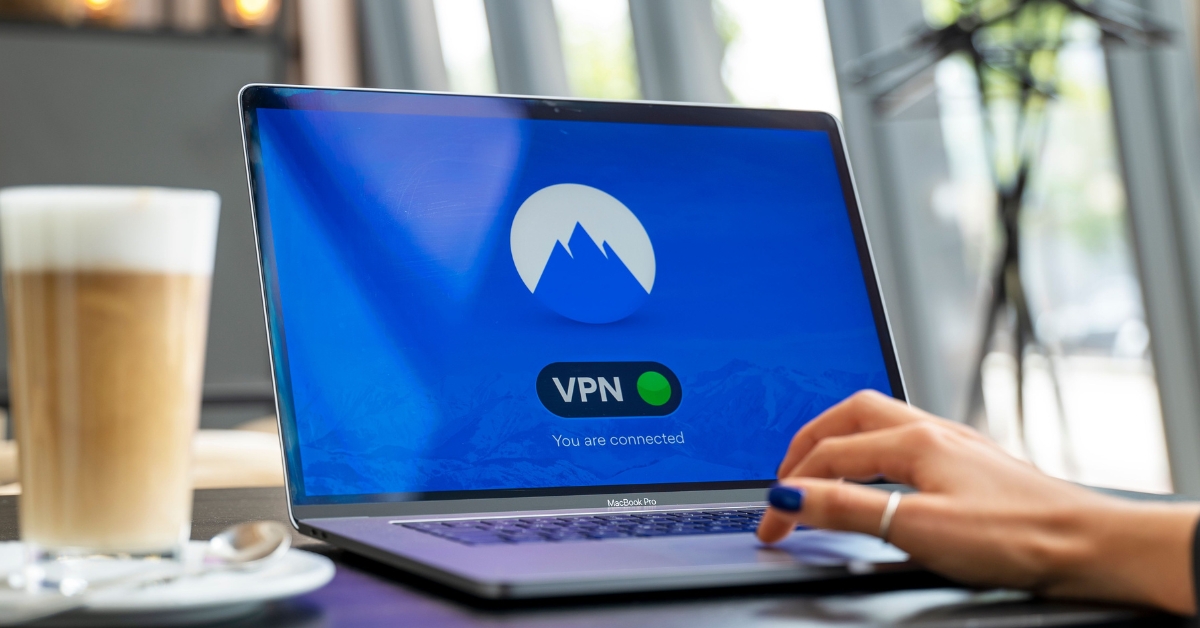 https://www.dfmurphy.com/wp-content/uploads/The-Value-of-Using-a-Virtual-Private-Network.jpg
628
1200
Wayne Texeira
https://dfmurphy.wpenginepowered.com/wp-content/uploads/Murphy-Insurance-Logo-Header.jpg
Wayne Texeira2026-09-01 21:08:272026-09-01 21:18:39The Value of Using a Virtual Private Network
https://www.dfmurphy.com/wp-content/uploads/The-Value-of-Using-a-Virtual-Private-Network.jpg
628
1200
Wayne Texeira
https://dfmurphy.wpenginepowered.com/wp-content/uploads/Murphy-Insurance-Logo-Header.jpg
Wayne Texeira2026-09-01 21:08:272026-09-01 21:18:39The Value of Using a Virtual Private Network https://www.dfmurphy.com/wp-content/uploads/Password-Management-Best-Practices.jpg
628
1200
Wayne Texeira
https://dfmurphy.wpenginepowered.com/wp-content/uploads/Murphy-Insurance-Logo-Header.jpg
Wayne Texeira2026-08-20 07:00:052026-08-13 18:55:41Cybersecurity Essentials | Password Management Best Practices
https://www.dfmurphy.com/wp-content/uploads/Password-Management-Best-Practices.jpg
628
1200
Wayne Texeira
https://dfmurphy.wpenginepowered.com/wp-content/uploads/Murphy-Insurance-Logo-Header.jpg
Wayne Texeira2026-08-20 07:00:052026-08-13 18:55:41Cybersecurity Essentials | Password Management Best Practices https://www.dfmurphy.com/wp-content/uploads/Man-looking-through-folder-scaled.jpg
1340
2560
Murphy Insurance
https://dfmurphy.wpenginepowered.com/wp-content/uploads/Murphy-Insurance-Logo-Header.jpg
Murphy Insurance2026-08-10 07:00:312026-06-26 15:01:52The Time Is Now to Kick-start Open Enrollment Efforts
https://www.dfmurphy.com/wp-content/uploads/Man-looking-through-folder-scaled.jpg
1340
2560
Murphy Insurance
https://dfmurphy.wpenginepowered.com/wp-content/uploads/Murphy-Insurance-Logo-Header.jpg
Murphy Insurance2026-08-10 07:00:312026-06-26 15:01:52The Time Is Now to Kick-start Open Enrollment Efforts https://www.dfmurphy.com/wp-content/uploads/Certificates-of-Insurance-The-Costly-Mistakes-Many-Businesses-Dont-Catch-.jpg
628
1200
Murphy Insurance
https://dfmurphy.wpenginepowered.com/wp-content/uploads/Murphy-Insurance-Logo-Header.jpg
Murphy Insurance2026-07-30 07:00:472026-07-25 10:37:00Certificates of Insurance: The Costly Mistakes Many Businesses Don’t Catch
https://www.dfmurphy.com/wp-content/uploads/Certificates-of-Insurance-The-Costly-Mistakes-Many-Businesses-Dont-Catch-.jpg
628
1200
Murphy Insurance
https://dfmurphy.wpenginepowered.com/wp-content/uploads/Murphy-Insurance-Logo-Header.jpg
Murphy Insurance2026-07-30 07:00:472026-07-25 10:37:00Certificates of Insurance: The Costly Mistakes Many Businesses Don’t Catch https://www.dfmurphy.com/wp-content/uploads/Safe-Internet-Browsing-Practices.jpg
628
1200
Wayne Texeira
https://dfmurphy.wpenginepowered.com/wp-content/uploads/Murphy-Insurance-Logo-Header.jpg
Wayne Texeira2026-07-21 07:00:532026-07-20 12:12:15Safe Internet Browsing Practices
https://www.dfmurphy.com/wp-content/uploads/Safe-Internet-Browsing-Practices.jpg
628
1200
Wayne Texeira
https://dfmurphy.wpenginepowered.com/wp-content/uploads/Murphy-Insurance-Logo-Header.jpg
Wayne Texeira2026-07-21 07:00:532026-07-20 12:12:15Safe Internet Browsing Practices https://www.dfmurphy.com/wp-content/uploads/Business-Interruption-Insurance-The-Coverage-That-Keeps-Your-Business-Alive-When-You-Cant-Open-Your-Doors-.jpg
628
1200
Murphy Insurance
https://dfmurphy.wpenginepowered.com/wp-content/uploads/Murphy-Insurance-Logo-Header.jpg
Murphy Insurance2026-07-14 07:00:212026-06-26 15:31:54Business Interruption Insurance: The Coverage That Keeps Your Business Alive When You Can’t Open Your Doors
https://www.dfmurphy.com/wp-content/uploads/Business-Interruption-Insurance-The-Coverage-That-Keeps-Your-Business-Alive-When-You-Cant-Open-Your-Doors-.jpg
628
1200
Murphy Insurance
https://dfmurphy.wpenginepowered.com/wp-content/uploads/Murphy-Insurance-Logo-Header.jpg
Murphy Insurance2026-07-14 07:00:212026-06-26 15:31:54Business Interruption Insurance: The Coverage That Keeps Your Business Alive When You Can’t Open Your Doors https://www.dfmurphy.com/wp-content/uploads/What-Counts-as-a-Home-Based-Business-.jpg
629
1200
Murphy Insurance
https://dfmurphy.wpenginepowered.com/wp-content/uploads/Murphy-Insurance-Logo-Header.jpg
Murphy Insurance2026-06-30 07:00:562026-06-26 14:40:30What Counts as a Home-Based Business (and When Your Home Policy Isn’t Enough)
https://www.dfmurphy.com/wp-content/uploads/What-Counts-as-a-Home-Based-Business-.jpg
629
1200
Murphy Insurance
https://dfmurphy.wpenginepowered.com/wp-content/uploads/Murphy-Insurance-Logo-Header.jpg
Murphy Insurance2026-06-30 07:00:562026-06-26 14:40:30What Counts as a Home-Based Business (and When Your Home Policy Isn’t Enough)Visit Our Business Insurance Page

Murphy Insurance stands as your steadfast partner in safeguarding your business from unforeseen challenges in today’s dynamic business landscape. In an era where comprehensive business insurance is not just a prudent choice but a vital one for ensuring the long-term stability and security of your enterprise, we are here to offer our expertise. Running a business inherently entails various risks that can potentially impact your financial stability and reputation. Learn more about our comprehensive business insurance solutions, which are meticulously designed to protect you from these potential threats, granting you peace of mind necessary to focus on the growth and prosperity of your business.

