
Electrical Safety | Homeowner’s Manual Blog Series
This blog series highlights key tips from our Homeowner’s Manual, designed to help you stay ahead of maintenance, reduce repair costs, and prevent common insurance claims. From roofing and plumbing to emergency preparedness and seasonal upkeep, each post shares practical steps to protect your home year-round plus access to a full monthly checklist in the complete downloadable guide.
Electrical Maintenance Tips Every Homeowner Should Know
Electricity keeps our homes comfortable, connected, and running smoothly. It powers everything from lighting and appliances to heating systems, home offices, and security devices. However, damaged wiring, overloaded circuits, and improper electrical work can quickly turn an everyday convenience into a serious safety hazard.

Regular maintenance and a basic understanding of electrical safety can reduce the risk of fires, injuries, and costly property damage. It can also help homeowners identify potential problems before an emergency occurs.
Watch for Signs of an Electrical Problem
Electrical issues are not always obvious. Some develop slowly behind walls or inside outlets before producing visible damage. Contact a licensed electrician promptly if you notice:
- Lights that frequently flicker or dim
- Circuit breakers that repeatedly trip
- Outlets or switches that feel warm
- Buzzing, crackling, or sizzling sounds
- Burning or unusual odors
- Discolored outlets or switch plates
- Sparks when plugging in an appliance
- Loose outlets or exposed wiring
- Mild shocks or tingling when touching an appliance
These warning signs should not be ignored. Turn off the affected appliance or circuit when it is safe to do so, and avoid using it until the problem has been evaluated.
Inspect Electrical Cords and Wiring
Frayed cords, cracked insulation, bent plugs, and exposed wires can lead to shocks or electrical fires. Periodically inspect the cords connected to lamps, appliances, chargers, power tools, and seasonal decorations.
Replace damaged cords instead of attempting a temporary repair with tape. Electrical cords should also remain uncovered. Running them beneath carpets or rugs can trap heat and make damage more difficult to detect.
Older homes may require additional attention. Outdated wiring and electrical panels may not be equipped to handle the number of appliances and electronic devices used in today’s households. A licensed electrician can assess the system and recommend appropriate updates.
Avoid Overloading Outlets and Circuits
Plugging too many devices into one outlet can cause a circuit to overheat. High-wattage appliances such as space heaters, air conditioners, microwaves, and toaster ovens should generally be plugged directly into a wall outlet rather than an extension cord or power strip.
Frequent breaker trips may indicate that a circuit is overloaded or that another electrical problem is present. A breaker is a safety device, not an inconvenience to work around. Never replace a breaker with one of a higher capacity unless the change is completed and approved by a qualified electrician.
Use Power Strips and Extension Cords Correctly
Power strips and extension cords are intended for specific uses and electrical loads. Check the manufacturer’s specifications before connecting equipment.
Extension cords should be considered a temporary solution, not permanent household wiring. Avoid connecting multiple extension cords or power strips together. This practice, sometimes called daisy-chaining, can cause overheating and increase the risk of fire.
A power strip is also not necessarily a surge protector. Look for a product specifically labeled for surge protection when connecting computers, televisions, gaming systems, or other sensitive electronics.
Consider Whole-House Surge Protection
Power surges can be caused by lightning, utility disruptions, damaged power lines, or electrical activity within the home. A whole-house surge protector installed at the electrical panel provides an added layer of protection for appliances, HVAC equipment, electronics, and smart-home devices.
Standard homeowners policies generally cover fire damage caused by lightning. Coverage for electronics or appliances damaged by a power surge may depend on the cause of the surge and the terms of the individual policy. Some policies cover surges resulting directly from lightning, while other electrical events may be treated differently.
Homeowners should ask their insurance agent how their policy addresses power surges and whether equipment breakdown coverage or another endorsement would provide broader protection.
Leave Major Electrical Work to Licensed Professionals
Replacing an outlet may appear to be a simple project, but incorrect electrical work can create a hidden hazard. Poor connections, improper wire sizes, overloaded circuits, and work that does not meet current building codes can increase the likelihood of a fire.
Massachusetts requires electrical work performed for hire to be completed by properly licensed electricians, and electrical installations may be reviewed for code compliance during a fire investigation.
Unpermitted or improperly completed work can also complicate a homeowner’s insurance claim. It does not automatically mean that every claim will be denied, but the insurer will investigate how the loss occurred and review the policy’s conditions and exclusions. Homeowners may also be responsible for correcting unsafe work or bringing portions of the electrical system up to code.
Keep permits, inspection records, invoices, and photographs from major electrical projects. These records can be valuable when selling the home, documenting improvements, or filing a claim.
Use Space Heaters With Care
Space heaters require a significant amount of electricity and should be used cautiously.
Keep a space heater at least three feet away from curtains, bedding, upholstered furniture, paper, clothing, and other combustible materials. Place it on a stable, level surface and plug it directly into a wall outlet.
Never leave a space heater running unattended or while sleeping. Stop using it immediately if the plug, cord, or outlet becomes unusually warm.
What to Do During an Electrical Emergency
If you smell burning, see sparks, or notice smoke, turn off the power only if it is safe to do so. Leave the home and call 911 if there is fire or immediate danger. Do not use water on an electrical fire or touch exposed wiring. Afterward, contact a licensed electrician and notify your insurance agency if there is property damage. Take photos and save receipts for emergency repairs or temporary living expenses.
Review Your Homeowners Insurance Regularly
Electrical systems and household technology change over time. Renovations, finished basements, home offices, electric vehicle chargers, generators, hot tubs, and new heating or cooling systems may all affect a home’s electrical needs and replacement cost.
After completing a major upgrade, speak with your insurance agent to confirm that your policy accurately reflects the home and its improvements. It is also helpful to review:
- Dwelling and personal property limits
- Replacement cost coverage
- Additional living expense coverage
- Equipment breakdown options
- Service line coverage
- Ordinance or law coverage for required code upgrades
- Deductibles and applicable exclusions
Coverage varies by insurance company and policy, so reviewing these details before a loss can help prevent surprises later.
Make Electrical Safety Part of Home Maintenance
A few preventive steps can make a meaningful difference. Inspect cords, avoid overloaded outlets, use heating equipment carefully, and address warning signs promptly. For larger repairs and upgrades, rely on a licensed electrician to ensure the work is completed safely and according to applicable codes.
Murphy Insurance is here to answer your homeowners insurance questions and review your coverage. Contact us to make sure your home and its electrical systems, appliances, and improvements are properly considered in your insurance protection.
Learn More
Download our Homeowner’s and Condo Owner’s Manuals
Owning a home or condominium is one of life’s biggest investments, and protecting it comes down to regular maintenance and thoughtful care. A well-kept home or condo not only makes daily life more comfortable but also helps you avoid unexpected and expensive repairs. From routine seasonal tasks to maintaining the structure itself, every detail contributes to your abode’s long-term safety and durability. Download our homeowner’s and condominium owner’s manuals to protect your peace of mind and your investment.


 https://www.dfmurphy.com/wp-content/uploads/Pest-Prevention-Homeowners-Manual-Blog-Series-SMM.jpg
629
1200
Murphy Insurance
https://dfmurphy.wpenginepowered.com/wp-content/uploads/Murphy-Insurance-Logo-Header.jpg
Murphy Insurance2026-09-10 07:00:102026-09-04 14:01:19Pest Prevention | Homeowner’s Manual Blog Series
https://www.dfmurphy.com/wp-content/uploads/Pest-Prevention-Homeowners-Manual-Blog-Series-SMM.jpg
629
1200
Murphy Insurance
https://dfmurphy.wpenginepowered.com/wp-content/uploads/Murphy-Insurance-Logo-Header.jpg
Murphy Insurance2026-09-10 07:00:102026-09-04 14:01:19Pest Prevention | Homeowner’s Manual Blog Series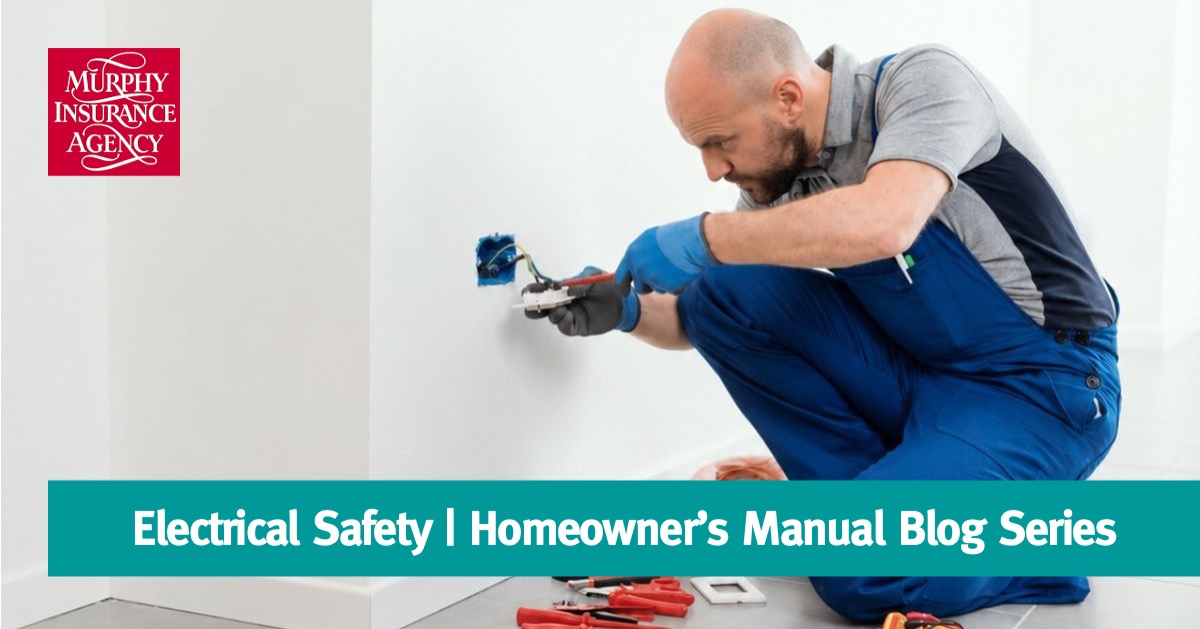 https://www.dfmurphy.com/wp-content/uploads/Electrical-Safety-Homeowners-Manual-Blog-Series-.jpg
629
1200
Murphy Insurance
https://dfmurphy.wpenginepowered.com/wp-content/uploads/Murphy-Insurance-Logo-Header.jpg
Murphy Insurance2026-08-17 07:00:102026-08-13 11:17:19Electrical Safety | Homeowner’s Manual Blog Series
https://www.dfmurphy.com/wp-content/uploads/Electrical-Safety-Homeowners-Manual-Blog-Series-.jpg
629
1200
Murphy Insurance
https://dfmurphy.wpenginepowered.com/wp-content/uploads/Murphy-Insurance-Logo-Header.jpg
Murphy Insurance2026-08-17 07:00:102026-08-13 11:17:19Electrical Safety | Homeowner’s Manual Blog Series https://www.dfmurphy.com/wp-content/uploads/Home-Inventory-Made-Simple-The-30-Minute-Method-That-Helps-Claims-Go-Faster.jpg
628
1200
Murphy Insurance
https://dfmurphy.wpenginepowered.com/wp-content/uploads/Murphy-Insurance-Logo-Header.jpg
Murphy Insurance2026-08-13 07:00:152026-07-27 12:49:37Home Inventory Made Simple | The 30-Minute Method That Helps Claims Go Faster
https://www.dfmurphy.com/wp-content/uploads/Home-Inventory-Made-Simple-The-30-Minute-Method-That-Helps-Claims-Go-Faster.jpg
628
1200
Murphy Insurance
https://dfmurphy.wpenginepowered.com/wp-content/uploads/Murphy-Insurance-Logo-Header.jpg
Murphy Insurance2026-08-13 07:00:152026-07-27 12:49:37Home Inventory Made Simple | The 30-Minute Method That Helps Claims Go Faster https://www.dfmurphy.com/wp-content/uploads/College-students-1-scaled.jpg
1340
2560
Murphy Insurance
https://dfmurphy.wpenginepowered.com/wp-content/uploads/Murphy-Insurance-Logo-Header.jpg
Murphy Insurance2026-08-03 07:00:232026-05-21 12:46:40Do College Students Need Renters Insurance?
https://www.dfmurphy.com/wp-content/uploads/College-students-1-scaled.jpg
1340
2560
Murphy Insurance
https://dfmurphy.wpenginepowered.com/wp-content/uploads/Murphy-Insurance-Logo-Header.jpg
Murphy Insurance2026-08-03 07:00:232026-05-21 12:46:40Do College Students Need Renters Insurance? https://www.dfmurphy.com/wp-content/uploads/Outdoor-Maintenance-Flipped-HM-Blog-Series.jpg
630
1200
Murphy Insurance
https://dfmurphy.wpenginepowered.com/wp-content/uploads/Murphy-Insurance-Logo-Header.jpg
Murphy Insurance2026-07-09 07:00:502026-08-12 10:34:24Outdoor Maintenance | Homeowner’s Manual Blog Series
https://www.dfmurphy.com/wp-content/uploads/Outdoor-Maintenance-Flipped-HM-Blog-Series.jpg
630
1200
Murphy Insurance
https://dfmurphy.wpenginepowered.com/wp-content/uploads/Murphy-Insurance-Logo-Header.jpg
Murphy Insurance2026-07-09 07:00:502026-08-12 10:34:24Outdoor Maintenance | Homeowner’s Manual Blog Series https://www.dfmurphy.com/wp-content/uploads/What-Counts-as-a-Home-Based-Business-.jpg
629
1200
Murphy Insurance
https://dfmurphy.wpenginepowered.com/wp-content/uploads/Murphy-Insurance-Logo-Header.jpg
Murphy Insurance2026-06-30 07:00:562026-06-26 14:40:30What Counts as a Home-Based Business (and When Your Home Policy Isn’t Enough)
https://www.dfmurphy.com/wp-content/uploads/What-Counts-as-a-Home-Based-Business-.jpg
629
1200
Murphy Insurance
https://dfmurphy.wpenginepowered.com/wp-content/uploads/Murphy-Insurance-Logo-Header.jpg
Murphy Insurance2026-06-30 07:00:562026-06-26 14:40:30What Counts as a Home-Based Business (and When Your Home Policy Isn’t Enough) https://www.dfmurphy.com/wp-content/uploads/What-to-Do-When-Your-Home-Insurance-Company-Requires-Repairs.jpg
629
1200
Murphy Insurance
https://dfmurphy.wpenginepowered.com/wp-content/uploads/Murphy-Insurance-Logo-Header.jpg
Murphy Insurance2026-06-16 07:00:042026-06-11 02:34:53What to Do When Your Home Insurance Company Requires Repairs
https://www.dfmurphy.com/wp-content/uploads/What-to-Do-When-Your-Home-Insurance-Company-Requires-Repairs.jpg
629
1200
Murphy Insurance
https://dfmurphy.wpenginepowered.com/wp-content/uploads/Murphy-Insurance-Logo-Header.jpg
Murphy Insurance2026-06-16 07:00:042026-06-11 02:34:53What to Do When Your Home Insurance Company Requires Repairs https://www.dfmurphy.com/wp-content/uploads/Swimming-Pool-Safety-Homeowners-Manual-Blog-Series-2.jpg
628
1200
Murphy Insurance
https://dfmurphy.wpenginepowered.com/wp-content/uploads/Murphy-Insurance-Logo-Header.jpg
Murphy Insurance2026-06-11 01:20:412026-08-12 10:29:41Swimming Pool Safety | Homeowner’s Manual Blog Series
https://www.dfmurphy.com/wp-content/uploads/Swimming-Pool-Safety-Homeowners-Manual-Blog-Series-2.jpg
628
1200
Murphy Insurance
https://dfmurphy.wpenginepowered.com/wp-content/uploads/Murphy-Insurance-Logo-Header.jpg
Murphy Insurance2026-06-11 01:20:412026-08-12 10:29:41Swimming Pool Safety | Homeowner’s Manual Blog Series https://www.dfmurphy.com/wp-content/uploads/Untitled-design-129.jpg
628
1200
Murphy Insurance
https://dfmurphy.wpenginepowered.com/wp-content/uploads/Murphy-Insurance-Logo-Header.jpg
Murphy Insurance2026-06-02 07:00:592026-05-19 08:50:13Home Insurance “Rebuild Cost” vs. Market Value, Why it Matters
https://www.dfmurphy.com/wp-content/uploads/Untitled-design-129.jpg
628
1200
Murphy Insurance
https://dfmurphy.wpenginepowered.com/wp-content/uploads/Murphy-Insurance-Logo-Header.jpg
Murphy Insurance2026-06-02 07:00:592026-05-19 08:50:13Home Insurance “Rebuild Cost” vs. Market Value, Why it MattersVisit Our Homeowners Insurance Page

Homeowners insurance shouldn’t be confusing. At Murphy Insurance, we help you find the right coverage for your home, from the roof over your head to what’s inside it. We are an independent agency, so we shop multiple carriers to find you real protection at a fair price. And we don’t stop at price and policy. We provide education to help protect you from claims, like our homeowners insurance manual and our extensive blog library. Visit our Homeowners Insurance page to learn more.

