
Flooding is a significant risk for homeowners and can damage drywall, flooring, furniture, and electronics. If water isn’t removed quickly, harmful mold can develop, posing health risks to occupants. In some cases, flooding can affect a home’s livability. With flood damage costs projected to rise as the climate warms, it is crucial for homeowners to have Flood Insurance to protect against unforeseen flooding losses.
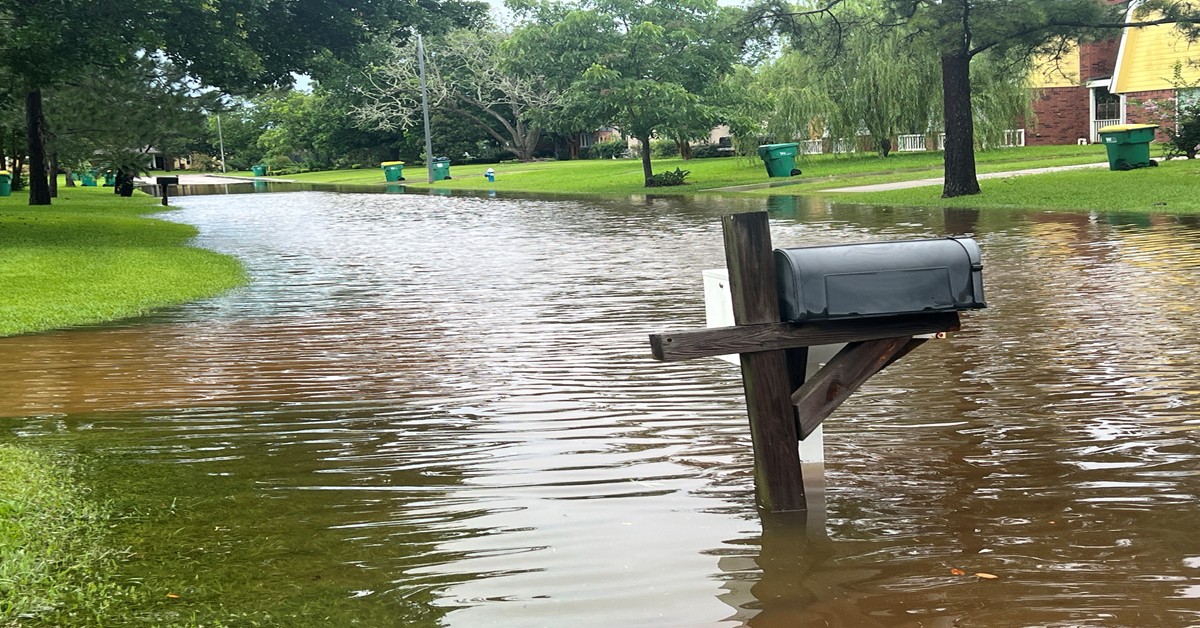
Flood Insurance is a specific type of property coverage that can augment your standard homeowners and renters insurance policies, which typically exclude flood damage.
Who Needs Flood Insurance?
While everyone can benefit from flood insurance, it’s especially important for homeowners in flood-prone areas in Metrowest, Massachusetts and throughout New England. You may want to consider coverage if:
- You live near rivers, coastal regions or low-lying land.
- Your house is in a designated flood zone.
- Your mortgage is financed by a lender that requires flood insurance.
That said, flooding isn’t limited to high-risk zones. The Federal Emergency Management Agency (FEMA) reports that roughly 40% of flood insurance claims come from properties outside high-risk flood areas.
In New England, heavy spring snowmelt, stalled summer thunderstorms, and coastal storms can all lead to unexpected flooding. Even a few inches of water in a basement can cause thousands of dollars in damage.
What Does Flood Insurance Cover?
Flood insurance policies are typically divided into two types of coverage:
Building (Structure) Coverage – This protects the physical structure of your home, including the foundation, walls, roof, electrical systems, plumbing, furnaces, water heaters, and built-in appliances.
Contents Coverage – This protects personal belongings such as furniture, clothing, electronics, and certain valuables inside the home.
It’s important to know that standard homeowners insurance policies generally do not cover flood damage. Flood coverage must be purchased separately.
Also, flood insurance typically does not cover temporary living expenses if you need to relocate after a loss — something many homeowners are surprised to learn. Reviewing both structure and contents limits ahead of time can help avoid gaps later.
Where to Get Flood Insurance
Flood insurance is most commonly provided through the National Flood Insurance Program (NFIP), which is administered by FEMA. These policies are federally backed but purchased through approved insurance agencies.
In recent years, private insurance companies have also begun offering flood insurance. Depending on the property, private policies may offer:
- Higher coverage limits
- Replacement cost coverage for contents
- Shorter waiting periods in some cases
- Additional coverage flexibility
However, eligibility requirements, pricing models, and coverage details can differ between NFIP and private options. That’s why understanding how each policy works matters.
At Murphy Insurance, we work with both NFIP-backed and private flood insurance programs. We help homeowners and business owners throughout Metrowest and New England:
- Review flood zone designations and real-world risk factors
- Compare federal and private coverage options side by side
- Understand policy limits, exclusions, and deductibles
- Plan around required waiting periods (most policies have a 30-day waiting period, with limited exceptions)
Flood insurance isn’t one-size-fits-all, and it isn’t only for coastal homes. Taking time to understand your options before storm season can make a significant difference in how well your property is protected. When it comes to flooding, preparation isn’t just practical — it’s protective. Contact us with questions and to obtain a quote.
 https://www.dfmurphy.com/wp-content/uploads/Likely-El-Nino-Heightens-Climate-Risks-This-Year.jpg
628
1200
Wayne Texeira
https://dfmurphy.wpenginepowered.com/wp-content/uploads/Murphy-Insurance-Logo-Header.jpg
Wayne Texeira2026-10-15 15:40:082026-10-15 16:08:16A Historic El Niño Could Heighten Weather Risks Through Fall & Winter
https://www.dfmurphy.com/wp-content/uploads/Why-Flood-Insurance-Matters.jpg
628
1200
Murphy Insurance
https://dfmurphy.wpenginepowered.com/wp-content/uploads/Murphy-Insurance-Logo-Header.jpg
Murphy Insurance2026-04-20 10:40:392026-05-17 12:18:07Why Flood Insurance Matters
https://www.dfmurphy.com/wp-content/uploads/Likely-El-Nino-Heightens-Climate-Risks-This-Year.jpg
628
1200
Wayne Texeira
https://dfmurphy.wpenginepowered.com/wp-content/uploads/Murphy-Insurance-Logo-Header.jpg
Wayne Texeira2026-10-15 15:40:082026-10-15 16:08:16A Historic El Niño Could Heighten Weather Risks Through Fall & Winter
https://www.dfmurphy.com/wp-content/uploads/Why-Flood-Insurance-Matters.jpg
628
1200
Murphy Insurance
https://dfmurphy.wpenginepowered.com/wp-content/uploads/Murphy-Insurance-Logo-Header.jpg
Murphy Insurance2026-04-20 10:40:392026-05-17 12:18:07Why Flood Insurance Matters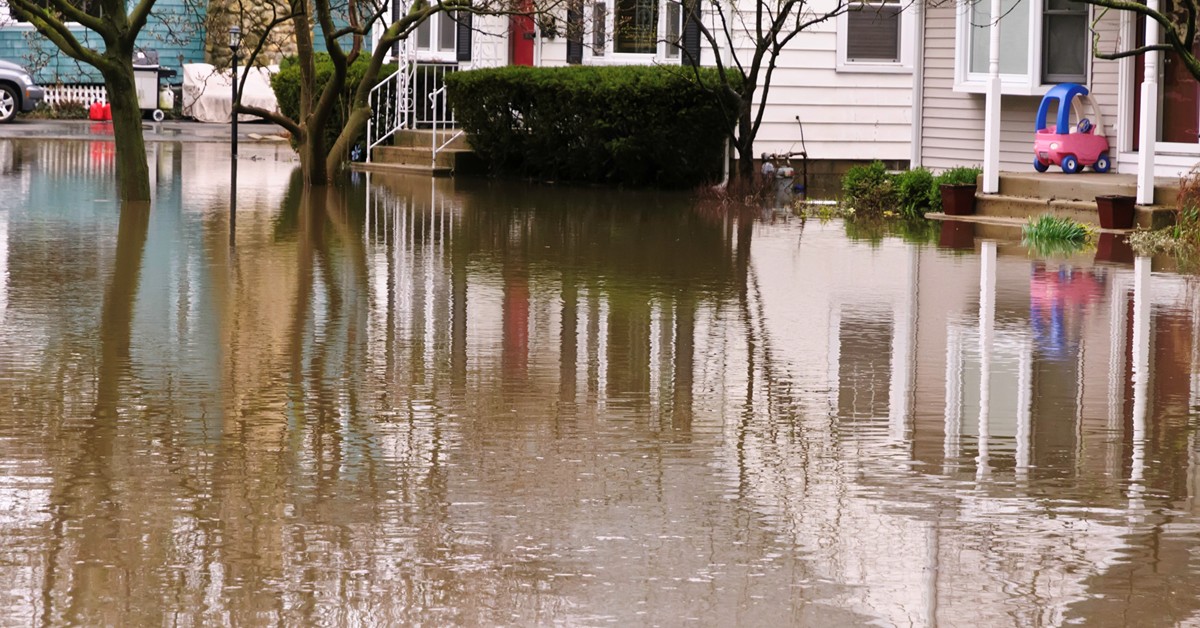 https://www.dfmurphy.com/wp-content/uploads/Flood-Insurance-May-Be-Critical-to-Safeguard-Your-MetroWest-Massachusetts-Home.jpg
628
1200
Murphy Insurance
https://dfmurphy.wpenginepowered.com/wp-content/uploads/Murphy-Insurance-Logo-Header.jpg
Murphy Insurance2025-07-21 08:35:032026-05-17 12:19:51Flood Insurance May Be Critical to Safeguard Your MetroWest, Massachusetts Home
https://www.dfmurphy.com/wp-content/uploads/Flood-Insurance-May-Be-Critical-to-Safeguard-Your-MetroWest-Massachusetts-Home.jpg
628
1200
Murphy Insurance
https://dfmurphy.wpenginepowered.com/wp-content/uploads/Murphy-Insurance-Logo-Header.jpg
Murphy Insurance2025-07-21 08:35:032026-05-17 12:19:51Flood Insurance May Be Critical to Safeguard Your MetroWest, Massachusetts Home https://www.dfmurphy.com/wp-content/uploads/Globe-Myth-42-1200.jpg
628
1200
Murphy Insurance
https://dfmurphy.wpenginepowered.com/wp-content/uploads/Murphy-Insurance-Logo-Header.jpg
Murphy Insurance2025-06-02 17:02:232025-06-02 17:02:23Insurance coverage is the same no matter where you live | Insurance Myths
https://www.dfmurphy.com/wp-content/uploads/Globe-Myth-42-1200.jpg
628
1200
Murphy Insurance
https://dfmurphy.wpenginepowered.com/wp-content/uploads/Murphy-Insurance-Logo-Header.jpg
Murphy Insurance2025-06-02 17:02:232025-06-02 17:02:23Insurance coverage is the same no matter where you live | Insurance Myths https://www.dfmurphy.com/wp-content/uploads/Protecting-Your-Marlborough-Home-A-Local-Guide-to-Homeowners-Insurance.jpg
628
1200
Murphy Insurance
https://dfmurphy.wpenginepowered.com/wp-content/uploads/Murphy-Insurance-Logo-Header.jpg
Murphy Insurance2025-05-07 11:18:362025-05-08 16:57:15Protecting Your Marlborough Home: A Local Guide to Homeowners Insurance
https://www.dfmurphy.com/wp-content/uploads/Protecting-Your-Marlborough-Home-A-Local-Guide-to-Homeowners-Insurance.jpg
628
1200
Murphy Insurance
https://dfmurphy.wpenginepowered.com/wp-content/uploads/Murphy-Insurance-Logo-Header.jpg
Murphy Insurance2025-05-07 11:18:362025-05-08 16:57:15Protecting Your Marlborough Home: A Local Guide to Homeowners Insurance https://www.dfmurphy.com/wp-content/uploads/Flooded-Home-28-1200.jpg
628
1200
Murphy Insurance
https://dfmurphy.wpenginepowered.com/wp-content/uploads/Murphy-Insurance-Logo-Header.jpg
Murphy Insurance2025-04-29 11:26:082025-05-16 15:07:35Home insurance covers all types of damage | Insurance Myths
https://www.dfmurphy.com/wp-content/uploads/Flooded-Home-28-1200.jpg
628
1200
Murphy Insurance
https://dfmurphy.wpenginepowered.com/wp-content/uploads/Murphy-Insurance-Logo-Header.jpg
Murphy Insurance2025-04-29 11:26:082025-05-16 15:07:35Home insurance covers all types of damage | Insurance Myths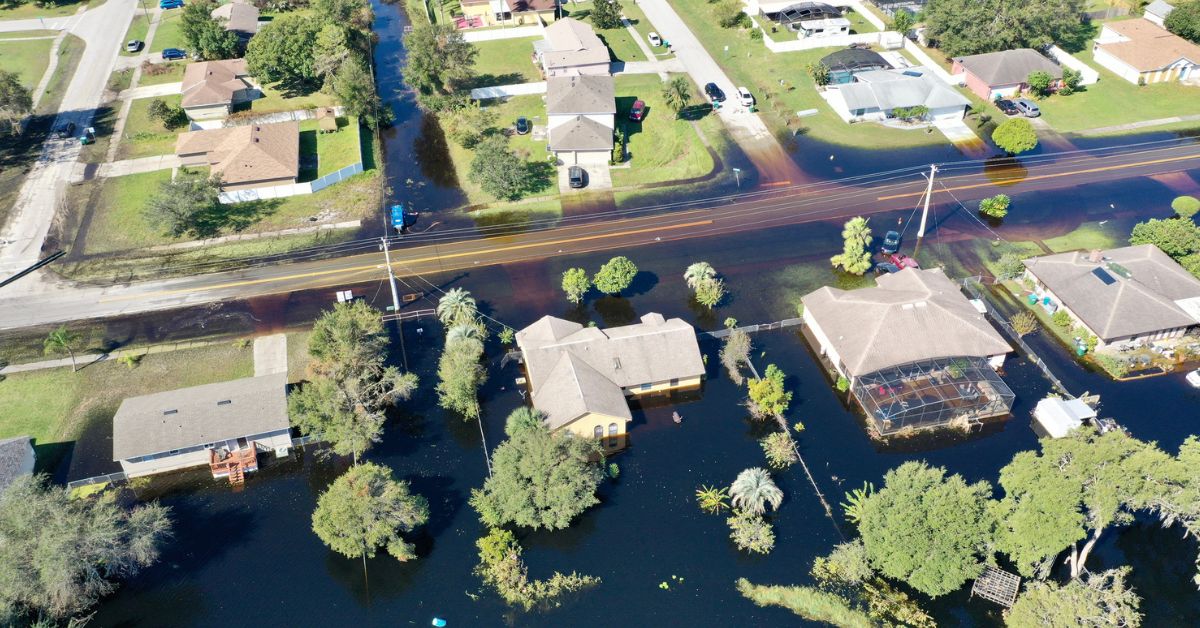 https://www.dfmurphy.com/wp-content/uploads/Flood-3-1200.jpg
628
1200
Murphy Insurance
https://dfmurphy.wpenginepowered.com/wp-content/uploads/Murphy-Insurance-Logo-Header.jpg
Murphy Insurance2025-01-13 12:30:132026-04-15 10:41:10Flood Insurance is only essential if you live in a high-risk area | Insurance Myths
https://www.dfmurphy.com/wp-content/uploads/Flood-3-1200.jpg
628
1200
Murphy Insurance
https://dfmurphy.wpenginepowered.com/wp-content/uploads/Murphy-Insurance-Logo-Header.jpg
Murphy Insurance2025-01-13 12:30:132026-04-15 10:41:10Flood Insurance is only essential if you live in a high-risk area | Insurance Myths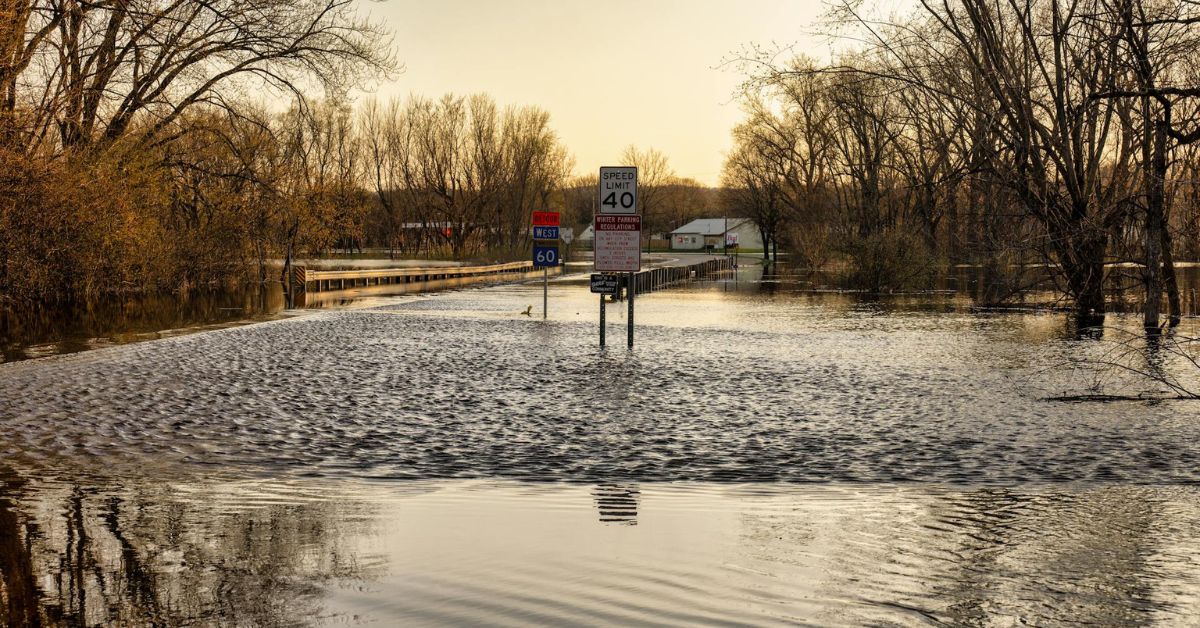 https://www.dfmurphy.com/wp-content/uploads/Flooding-3-1200.jpg
628
1200
Murphy Insurance
https://dfmurphy.wpenginepowered.com/wp-content/uploads/Murphy-Insurance-Logo-Header.jpg
Murphy Insurance2024-10-21 09:33:232026-04-08 11:42:17Why Flood Insurance is Essential: Lessons from Hurricanes Helene and Milton
https://www.dfmurphy.com/wp-content/uploads/Flooding-3-1200.jpg
628
1200
Murphy Insurance
https://dfmurphy.wpenginepowered.com/wp-content/uploads/Murphy-Insurance-Logo-Header.jpg
Murphy Insurance2024-10-21 09:33:232026-04-08 11:42:17Why Flood Insurance is Essential: Lessons from Hurricanes Helene and Milton https://www.dfmurphy.com/wp-content/uploads/Untitled-design-55.jpg
628
1200
Murphy Insurance
https://dfmurphy.wpenginepowered.com/wp-content/uploads/Murphy-Insurance-Logo-Header.jpg
Murphy Insurance2024-03-14 09:00:432024-07-23 15:18:25Is Your Business Prepared to Survive a Disaster?
https://www.dfmurphy.com/wp-content/uploads/Untitled-design-55.jpg
628
1200
Murphy Insurance
https://dfmurphy.wpenginepowered.com/wp-content/uploads/Murphy-Insurance-Logo-Header.jpg
Murphy Insurance2024-03-14 09:00:432024-07-23 15:18:25Is Your Business Prepared to Survive a Disaster?Visit Our Homeowners Insurance Page

At Murphy Insurance, we take great care in assessing your options for homeowners insurance to ensure that you receive the most favorable value. Our dedication to serving you entails collaborating with highly-rated insurance providers and conducting comprehensive assessments of available choices. Our goal is to achieve the ideal equilibrium between affordability and coverage that suits your unique needs. Please let us provide you with a customized homeowners insurance quote.
Visit Our Flood Insurance Page
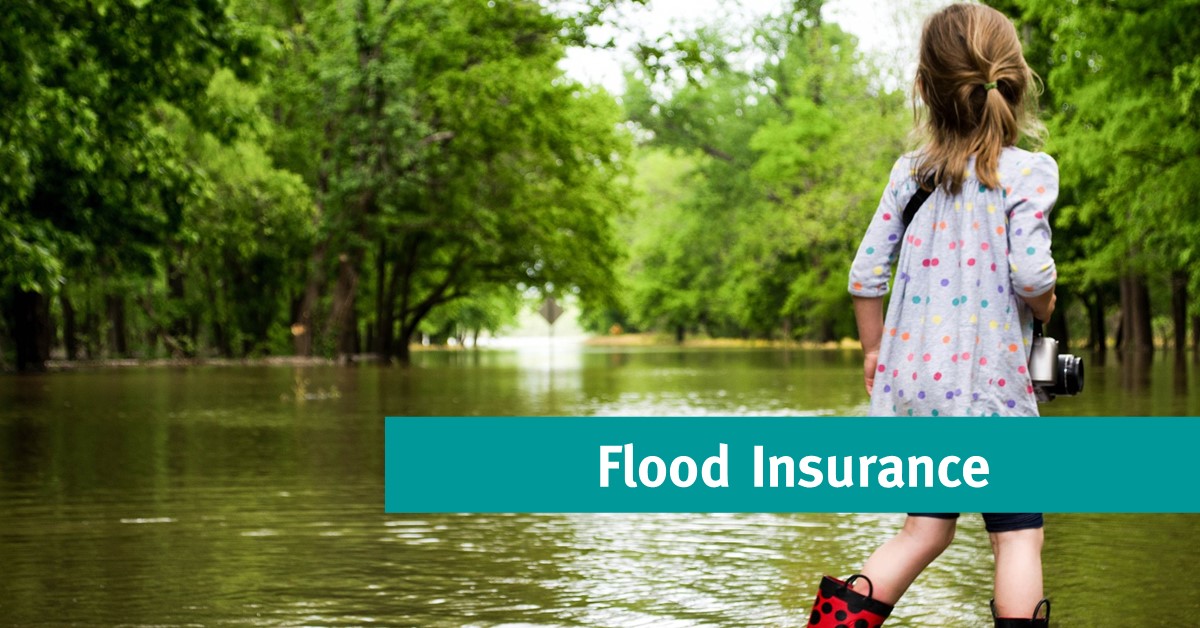
Flooding can happen anywhere—even in areas that have never seen high water. Just a few inches of floodwater can cause major damage, yet standard homeowners, renters, and business insurance policies don’t cover it. Flood Insurance is the only way to protect your home or property from this risk. Causes range from heavy rain and snowmelt to poor drainage, storms, and even nearby construction. Because policies typically require a 30-day waiting period, it’s important to plan ahead—don’t wait for a storm to take action.

