


 https://www.dfmurphy.com/wp-content/uploads/Why-Flood-Insurance-Matters.jpg
628
1200
Murphy Insurance
https://dfmurphy.wpenginepowered.com/wp-content/uploads/Murphy-Insurance-Logo-Header.jpg
Murphy Insurance2026-04-20 10:40:392026-05-17 12:18:07Why Flood Insurance Matters
https://www.dfmurphy.com/wp-content/uploads/Why-Flood-Insurance-Matters.jpg
628
1200
Murphy Insurance
https://dfmurphy.wpenginepowered.com/wp-content/uploads/Murphy-Insurance-Logo-Header.jpg
Murphy Insurance2026-04-20 10:40:392026-05-17 12:18:07Why Flood Insurance Matters
1. State Laws Shape What Coverage Looks Like
Insurance is regulated at the state level, meaning each state has its own rules about what coverage must include, what’s optional, and what insurers are required to offer. For example:
- Auto Insurance: Minimum liability requirements differ by state. Some states are “no-fault,” while others rely on a traditional tort system.
- Homeowners Insurance: Certain coverages—like protection for mold, sinkholes, or ordinance changes—might be mandatory in one state but not even offered in another.
- Business Insurance: States differ widely on what business owners are required to carry. Workers’ compensation laws, liability standards, and license-based coverage mandates can vary significantly.
Just because a policy might be similar in two different states doesn’t mean it provides the exact same protection.
2. Local Risks Affect Availability and Cost
Insurance companies evaluate risk based on geography—and those risks directly affect your premiums, deductibles, and available coverage.
- Premiums: Higher crime rates, traffic congestion, or accident frequency can drive up auto and home insurance rates.
- Coverage Restrictions: In high-risk zones—like coastal regions or wildfire-prone areas—insurers may limit what’s covered, raise deductibles, or stop writing new policies entirely.
- Business Risk Profiles: If your business operates in a high-risk industry or disaster-prone location, you may need specialized endorsements or face higher commercial premiums.
Insurers don’t just look at your behavior—they analyze your environment too.
3. Cost of Repairs and Services Isn’t Uniform
Even when policies have similar limits, the local cost of materials, labor, and services can create huge differences in how far your coverage goes:
- Home Insurance: Labor and construction costs in big cities or remote regions can be significantly higher than in smaller towns.
- Auto Insurance: Parts availability and repair shop rates vary by region, affecting the cost to settle a claim.
- Business Insurance: The cost to replace equipment or inventory after a loss depends on local supply chains and service rates.
The same dollar amount can have very different value depending on where you live.
4. Weather and Environmental Conditions Matter
Depending on where you live or operate, you might need to purchase extra coverage that isn’t included in a standard policy:
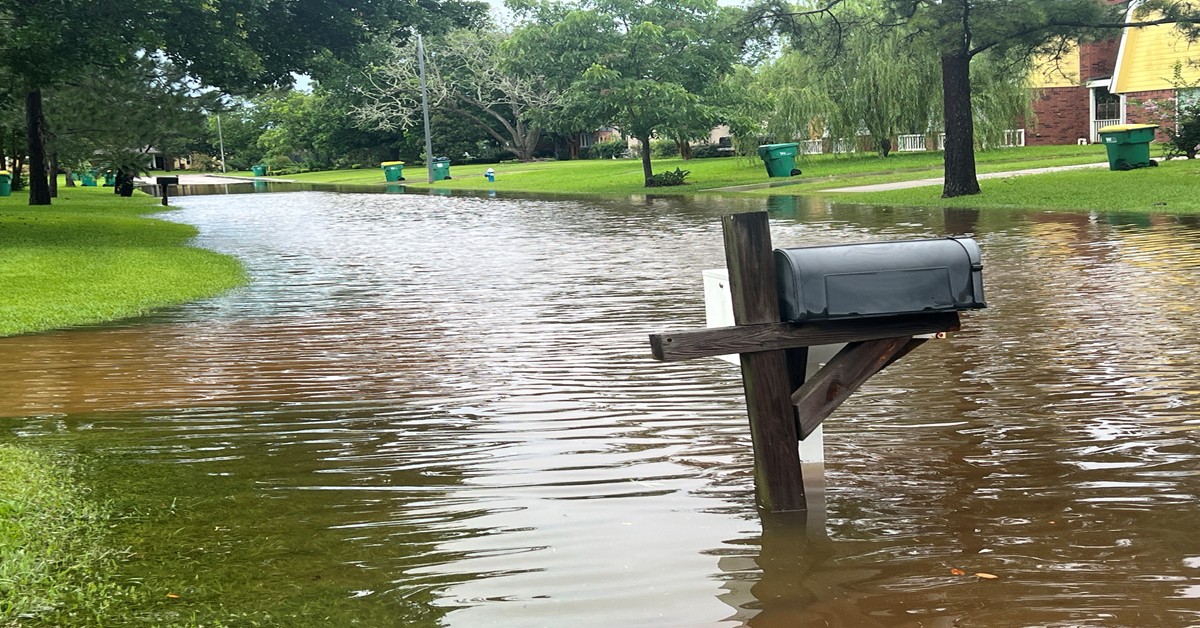
- Flood Insurance: Often required in FEMA-designated flood zones but not included in most homeowners policies.
- Earthquake Insurance: Commonly excluded unless purchased separately, and especially important in seismically active areas.
- Windstorm or Hail Coverage: Frequently comes with separate deductibles or exclusions in high-risk states.
Failing to tailor your policy to your local risks can leave you underinsured—sometimes when you need coverage most.
5. Market Conditions Can Shift Pricing and Availability 📈
Insurance markets are affected by broader economic trends and regional events. That can mean:
- Higher Premiums: If your region has seen an increase in claims (due to storms, theft, or inflation), insurers may raise rates—even if you haven’t filed a claim yourself.
- Limited Carrier Options: In some states or regions, insurers may pull back or stop offering certain types of coverage altogether due to profitability concerns or regulatory pressures.
- Stricter Underwriting: In volatile markets, insurers may tighten their guidelines—offering fewer discounts or denying more applications.
For example, a series of severe wildfires or lawsuits in one state can affect both the availability and affordability of home or business insurance there.
Insurance is far from one-size-fits-all. Your location plays a critical role in shaping your coverage options and costs. By understanding these regional differences, you can make informed decisions and secure the right protection for your needs. Contact us to find the best coverage for your area.
Learn about our Personal Insurance Policies
Every insurance company has its unique offerings, making it challenging to compare options effectively. That’s where we shine.
Learn about our Business Insurance Policies
Every insurance company has its unique offerings, making it challenging to compare options effectively. That’s where we shine.
https://www.dfmurphy.com/wp-content/uploads/Why-Flood-Insurance-Matters.jpg
628
1200
Murphy Insurance
https://dfmurphy.wpenginepowered.com/wp-content/uploads/Murphy-Insurance-Logo-Header.jpg
Murphy Insurance2026-04-20 10:40:392026-05-17 12:18:07Why Flood Insurance Matters https://www.dfmurphy.com/wp-content/uploads/Car-in-traffic-scaled.jpg
1340
2560
Murphy Insurance
https://dfmurphy.wpenginepowered.com/wp-content/uploads/Murphy-Insurance-Logo-Header.jpg
Murphy Insurance2025-06-20 15:37:252026-05-17 12:09:26Risks of Lowering Auto Coverage
https://www.dfmurphy.com/wp-content/uploads/Car-in-traffic-scaled.jpg
1340
2560
Murphy Insurance
https://dfmurphy.wpenginepowered.com/wp-content/uploads/Murphy-Insurance-Logo-Header.jpg
Murphy Insurance2025-06-20 15:37:252026-05-17 12:09:26Risks of Lowering Auto Coverage https://www.dfmurphy.com/wp-content/uploads/Signing-Paper-Myth-31-1200.png
628
1200
Murphy Insurance
https://dfmurphy.wpenginepowered.com/wp-content/uploads/Murphy-Insurance-Logo-Header.jpg
Murphy Insurance2025-06-02 17:57:542025-06-02 18:04:15Once I have insurance, I don’t need to review it | Insurance Myths
https://www.dfmurphy.com/wp-content/uploads/Globe-Myth-42-1200.jpg
628
1200
Murphy Insurance
https://dfmurphy.wpenginepowered.com/wp-content/uploads/Murphy-Insurance-Logo-Header.jpg
Murphy Insurance2025-06-02 17:02:232025-06-02 17:02:23Insurance coverage is the same no matter where you live | Insurance Myths
https://www.dfmurphy.com/wp-content/uploads/Signing-Paper-Myth-31-1200.png
628
1200
Murphy Insurance
https://dfmurphy.wpenginepowered.com/wp-content/uploads/Murphy-Insurance-Logo-Header.jpg
Murphy Insurance2025-06-02 17:57:542025-06-02 18:04:15Once I have insurance, I don’t need to review it | Insurance Myths
https://www.dfmurphy.com/wp-content/uploads/Globe-Myth-42-1200.jpg
628
1200
Murphy Insurance
https://dfmurphy.wpenginepowered.com/wp-content/uploads/Murphy-Insurance-Logo-Header.jpg
Murphy Insurance2025-06-02 17:02:232025-06-02 17:02:23Insurance coverage is the same no matter where you live | Insurance Myths https://www.dfmurphy.com/wp-content/uploads/Papers-20-1200.jpg
628
1200
Murphy Insurance
https://dfmurphy.wpenginepowered.com/wp-content/uploads/Murphy-Insurance-Logo-Header.jpg
Murphy Insurance2025-05-16 15:44:342025-05-16 15:48:06All insurance providers are the same—it doesn’t matter who you buy your insurance from | Insurance Myths
https://www.dfmurphy.com/wp-content/uploads/Papers-20-1200.jpg
628
1200
Murphy Insurance
https://dfmurphy.wpenginepowered.com/wp-content/uploads/Murphy-Insurance-Logo-Header.jpg
Murphy Insurance2025-05-16 15:44:342025-05-16 15:48:06All insurance providers are the same—it doesn’t matter who you buy your insurance from | Insurance Myths https://www.dfmurphy.com/wp-content/uploads/Person-Driving-Myth-14-1200.jpg
628
1200
Murphy Insurance
https://dfmurphy.wpenginepowered.com/wp-content/uploads/Murphy-Insurance-Logo-Header.jpg
Murphy Insurance2025-02-03 00:38:242025-05-05 15:20:52I only drive my car occasionally, so I don’t need higher limits | Insurance Myths
https://www.dfmurphy.com/wp-content/uploads/Person-Driving-Myth-14-1200.jpg
628
1200
Murphy Insurance
https://dfmurphy.wpenginepowered.com/wp-content/uploads/Murphy-Insurance-Logo-Header.jpg
Murphy Insurance2025-02-03 00:38:242025-05-05 15:20:52I only drive my car occasionally, so I don’t need higher limits | Insurance Myths https://www.dfmurphy.com/wp-content/uploads/Flood-3-1200.jpg
628
1200
Murphy Insurance
https://dfmurphy.wpenginepowered.com/wp-content/uploads/Murphy-Insurance-Logo-Header.jpg
Murphy Insurance2025-01-13 12:30:132026-04-15 10:41:10Flood Insurance is only essential if you live in a high-risk area | Insurance Myths
https://www.dfmurphy.com/wp-content/uploads/Flood-3-1200.jpg
628
1200
Murphy Insurance
https://dfmurphy.wpenginepowered.com/wp-content/uploads/Murphy-Insurance-Logo-Header.jpg
Murphy Insurance2025-01-13 12:30:132026-04-15 10:41:10Flood Insurance is only essential if you live in a high-risk area | Insurance Myths https://www.dfmurphy.com/wp-content/uploads/Car-window-rolled-down-scaled.jpg
1340
2560
Murphy Insurance
https://dfmurphy.wpenginepowered.com/wp-content/uploads/Murphy-Insurance-Logo-Header.jpg
Murphy Insurance2024-08-26 15:21:312026-05-17 12:14:216 Types of Auto Insurance Coverage
https://www.dfmurphy.com/wp-content/uploads/Car-window-rolled-down-scaled.jpg
1340
2560
Murphy Insurance
https://dfmurphy.wpenginepowered.com/wp-content/uploads/Murphy-Insurance-Logo-Header.jpg
Murphy Insurance2024-08-26 15:21:312026-05-17 12:14:216 Types of Auto Insurance Coverage
