
Preventive measures can temper the ravages of these destructive storms
Hurricanes can shatter lives as well as damage property. Being prepared can help you, your family or your business minimize the storm’s impact. The best time to start is before the threat is imminent. Don’t wait until a hurricane watch is issued because taking certain precautions may already be too late.
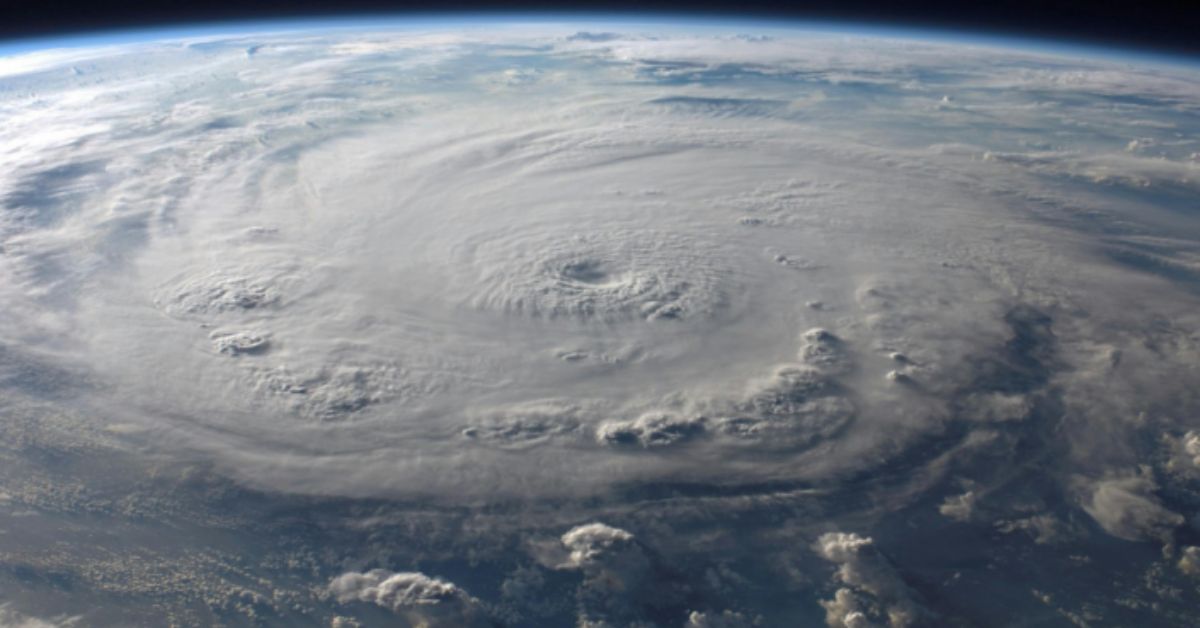
Following these preparation steps early in the season can reduce property damage and help you cope with any hurricane emergency with less stress.
1. Plan your evacuation route well ahead of time
If you live on the coast or in a mobile home, you may have to evacuate in the event of a significant storm.
While you’ll no doubt get instructions from the local government, it’s wise to create your evacuation plan well before a disaster strikes. This way, you can know about the nearest shelters, consider your pets in your plan, gather important papers, and do a trial run.
2. Keep non-perishable emergency supplies on hand
When a hurricane warning is issued, people run for the stores. As much as possible, get ahead of the rush by having the following on hand:
- Extra batteries
- Candles or lamps with fuel
- Matches (keep these dry)
- Materials and tools for emergency home repairs include heavy plastic sheeting, plywood, a hammer, etc.
- Prescription drugs
- A three-day supply of drinking water
- Food that you don’t have to refrigerate or cook
- First aid supplies
- A portable NOAA weather radio
- A wrench and other essential tools
- A flashlight
If you need to evacuate, bring these supplies with you. As expiration dates approach (for example, food or batteries), use the items and replenish your emergency stash.
3. Take an inventory of your personal property
Creating a home inventory will help ensure you have purchased enough insurance to replace your possessions. It can also speed the claims process and substantiate losses for income tax purposes. It is helpful should you need to apply for disaster aid. If you need to evacuate, be sure your home inventory is among the essential documents you take with you.
4. Review your insurance policies
This hurricane season insurance checklist can help you to understand your coverage and whether it’s adequate to repair or rebuild your home, if necessary, and to replace your belongings.
Keep in mind that your homeowners insurance covers the cost of temporary repairs for hurricane damage, as well as reasonable additional living expenses (ALE) over and above your everyday living expenses if you have to relocate (such as the extra expense of getting to work or to school if your temporary home is in a different community).
However, your homeowners policy doesn’t cover flood damage so you may consider flood insurance. If you live by the coast, you may also need a separate policy for protection against wind and wind-blown water damage.
If you have questions about what your current policy will cover or need to augment your current coverage, please Contact Us.
5. Take steps to protect your home
Hurricane-force winds can turn landscaping materials into missiles that can break windows and doors. Much of the property damage associated with hurricanes occurs after the windstorm when rain enters structures through broken windows, doors, and openings in the roof.
While retrofitting your home to protect against these possibilities is undoubtedly an expense, you can do it in stages.
- Replace gravel or rock landscaping materials with shredded bark, which is lighter and won’t cause as much harm.
- Cut weak branches and trees that could fall on your house, and keep shrubbery trimmed.
- Install storm shutters to protect your windows from breakage. Alternately, fit plywood panels to your windows, which can be nailed to window frames when a storm approaches.
- Make sure exterior doors are hurricane-proof, have at least three hinges, and have a deadbolt lock that is at least one inch long.
- Sliding doors should be made of tempered glass and, during a storm, covered with shutters or plywood. These doors are more vulnerable to wind damage than most others.
- Replace old garage doors and tracks with doors that are approved for both wind pressure and impact protection. Wind coming into your home through an opening this large poses grave problems for the rest of your home, especially your roof.
- Seal outside wall openings such as vents, outdoor electrical outlets, garden hose bibs, and locations where cables or pipes pass through the wall. Use a high-quality urethane-based caulk to prevent water penetration.
- If you live in a mobile home, you should know how to secure it against high winds and review your mobile home insurance policy.
- If you have a boat on a trailer, know how to anchor the trailer to the ground or house—and review your boat insurance policy.
6. Take steps to protect your business
Hurricanes take a toll on businesses, too, so be prepared.
- Create an emergency business response and continuity plan. This will help your business recover quickly in the event of a hurricane.
- Keep contact information for employees, suppliers, and vendors current so you can check on their well-being and communicate the next steps for resuming normal business operations.
- Review your business insurance policies to understand what’s covered.
Additional resources
Institute for Business & Home Safety
Source: Insurance Information Institute
 https://www.dfmurphy.com/wp-content/uploads/Personal-Insurance-Updates.jpg
628
1200
Wayne Texeira
https://dfmurphy.wpenginepowered.com/wp-content/uploads/Murphy-Insurance-Logo-Header.jpg
Wayne Texeira2026-10-20 14:12:092026-10-20 16:06:15Insurance Reminders: Don’t Forget These Updates
https://www.dfmurphy.com/wp-content/uploads/Personal-Insurance-Updates.jpg
628
1200
Wayne Texeira
https://dfmurphy.wpenginepowered.com/wp-content/uploads/Murphy-Insurance-Logo-Header.jpg
Wayne Texeira2026-10-20 14:12:092026-10-20 16:06:15Insurance Reminders: Don’t Forget These Updates https://www.dfmurphy.com/wp-content/uploads/Foundation-Structural-Integrity-Homeowners-Manual-Blog-Series-Blank.jpg
629
1200
Murphy Insurance
https://dfmurphy.wpenginepowered.com/wp-content/uploads/Murphy-Insurance-Logo-Header.jpg
Murphy Insurance2026-10-08 07:00:392026-10-15 14:33:14Foundation & Structural Integrity | Homeowner’s Manual Blog Series
https://www.dfmurphy.com/wp-content/uploads/Foundation-Structural-Integrity-Homeowners-Manual-Blog-Series-Blank.jpg
629
1200
Murphy Insurance
https://dfmurphy.wpenginepowered.com/wp-content/uploads/Murphy-Insurance-Logo-Header.jpg
Murphy Insurance2026-10-08 07:00:392026-10-15 14:33:14Foundation & Structural Integrity | Homeowner’s Manual Blog Series https://www.dfmurphy.com/wp-content/uploads/Fire-Prevention-Month-Helping-Protect-Your-Home-and-Family-from-Fire-Risks.jpg
628
1200
Murphy Insurance
https://dfmurphy.wpenginepowered.com/wp-content/uploads/Murphy-Insurance-Logo-Header.jpg
Murphy Insurance2026-10-01 07:00:502026-09-28 14:35:21Fire Prevention Month: Helping Protect Your Home and Family from Fire Risks
https://www.dfmurphy.com/wp-content/uploads/Fire-Prevention-Month-Helping-Protect-Your-Home-and-Family-from-Fire-Risks.jpg
628
1200
Murphy Insurance
https://dfmurphy.wpenginepowered.com/wp-content/uploads/Murphy-Insurance-Logo-Header.jpg
Murphy Insurance2026-10-01 07:00:502026-09-28 14:35:21Fire Prevention Month: Helping Protect Your Home and Family from Fire Risks https://www.dfmurphy.com/wp-content/uploads/Understanding-Safety-and-Responsibility-at-the-Playground-2.jpg
628
1200
Wayne Texeira
https://dfmurphy.wpenginepowered.com/wp-content/uploads/Murphy-Insurance-Logo-Header.jpg
Wayne Texeira2026-09-28 07:00:242026-09-28 12:45:02Understanding Safety and Responsibility at the Playground
https://www.dfmurphy.com/wp-content/uploads/Understanding-Safety-and-Responsibility-at-the-Playground-2.jpg
628
1200
Wayne Texeira
https://dfmurphy.wpenginepowered.com/wp-content/uploads/Murphy-Insurance-Logo-Header.jpg
Wayne Texeira2026-09-28 07:00:242026-09-28 12:45:02Understanding Safety and Responsibility at the Playground https://www.dfmurphy.com/wp-content/uploads/Untitled-design-60.jpg
628
1200
Murphy Insurance
https://dfmurphy.wpenginepowered.com/wp-content/uploads/Murphy-Insurance-Logo-Header.jpg
Murphy Insurance2026-09-24 07:00:582026-10-15 15:16:10How to Stop Receiving Mail Addressed to a Deceased Person
https://www.dfmurphy.com/wp-content/uploads/Untitled-design-60.jpg
628
1200
Murphy Insurance
https://dfmurphy.wpenginepowered.com/wp-content/uploads/Murphy-Insurance-Logo-Header.jpg
Murphy Insurance2026-09-24 07:00:582026-10-15 15:16:10How to Stop Receiving Mail Addressed to a Deceased Person https://www.dfmurphy.com/wp-content/uploads/Understanding-and-Preventing-Digital-Eye-Strain-1.jpg
628
1200
Wayne Texeira
https://dfmurphy.wpenginepowered.com/wp-content/uploads/Murphy-Insurance-Logo-Header.jpg
Wayne Texeira2026-09-21 11:30:102026-09-21 14:14:35Understanding and Preventing Digital Eye Strain
https://www.dfmurphy.com/wp-content/uploads/Understanding-and-Preventing-Digital-Eye-Strain-1.jpg
628
1200
Wayne Texeira
https://dfmurphy.wpenginepowered.com/wp-content/uploads/Murphy-Insurance-Logo-Header.jpg
Wayne Texeira2026-09-21 11:30:102026-09-21 14:14:35Understanding and Preventing Digital Eye Strain https://www.dfmurphy.com/wp-content/uploads/Pest-Prevention-Homeowners-Manual-BLANK.jpg
629
1200
Murphy Insurance
https://dfmurphy.wpenginepowered.com/wp-content/uploads/Murphy-Insurance-Logo-Header.jpg
Murphy Insurance2026-09-10 07:00:102026-10-20 15:55:35Pest Prevention | Homeowner’s Manual Blog Series
https://www.dfmurphy.com/wp-content/uploads/Pest-Prevention-Homeowners-Manual-BLANK.jpg
629
1200
Murphy Insurance
https://dfmurphy.wpenginepowered.com/wp-content/uploads/Murphy-Insurance-Logo-Header.jpg
Murphy Insurance2026-09-10 07:00:102026-10-20 15:55:35Pest Prevention | Homeowner’s Manual Blog Series https://www.dfmurphy.com/wp-content/uploads/Evan-Macedo-1200-x-628-.jpg
628
1200
Wayne Texeira
https://dfmurphy.wpenginepowered.com/wp-content/uploads/Murphy-Insurance-Logo-Header.jpg
Wayne Texeira2026-09-09 11:19:362026-09-10 15:39:23Murphy Insurance Welcomes Evan Macedo to Our Leadership Team
https://www.dfmurphy.com/wp-content/uploads/Evan-Macedo-1200-x-628-.jpg
628
1200
Wayne Texeira
https://dfmurphy.wpenginepowered.com/wp-content/uploads/Murphy-Insurance-Logo-Header.jpg
Wayne Texeira2026-09-09 11:19:362026-09-10 15:39:23Murphy Insurance Welcomes Evan Macedo to Our Leadership Team https://www.dfmurphy.com/wp-content/uploads/Should-You-Put-Your-Teen-on-Your-Car-Policy-or-Get-Them-Their-Own-.jpg
628
1200
Murphy Insurance
https://dfmurphy.wpenginepowered.com/wp-content/uploads/Murphy-Insurance-Logo-Header.jpg
Murphy Insurance2026-08-25 07:00:452026-08-24 13:16:18Should You Put Your Teen on Your Car Policy or Get Them Their Own?
https://www.dfmurphy.com/wp-content/uploads/Should-You-Put-Your-Teen-on-Your-Car-Policy-or-Get-Them-Their-Own-.jpg
628
1200
Murphy Insurance
https://dfmurphy.wpenginepowered.com/wp-content/uploads/Murphy-Insurance-Logo-Header.jpg
Murphy Insurance2026-08-25 07:00:452026-08-24 13:16:18Should You Put Your Teen on Your Car Policy or Get Them Their Own?Visit Our Personal Insurance Page

Life is an ever-changing journey, and it deserves a thoughtful, comprehensive plan to protect the things and people that matter most. Our dedicated team at Murphy Insurance is here to assist you in creating that plan. With a wide range of product options at our disposal, we ensure that your plan is tailored precisely to your requirements. Our commitment to providing clear, intelligent guidance to help you achieve true peace of mind. Learn more about our personal insurance portfolio.

