
Before You Hit the Road: Tips for Vehicle Maintenance
Memorial Day is often considered the kick-off of the summer vacation season. There are many great things about summer, but few can match the fun of a family vacation road trip. Families, friends, colleagues—we start discussing where to go this summer. Families plan to spend time together – that trip to the shore, the cabin in the mountains, camping at the lake. Friends start lining up their days off to take that long-talked-about fishing trip or head to that rented beach house.
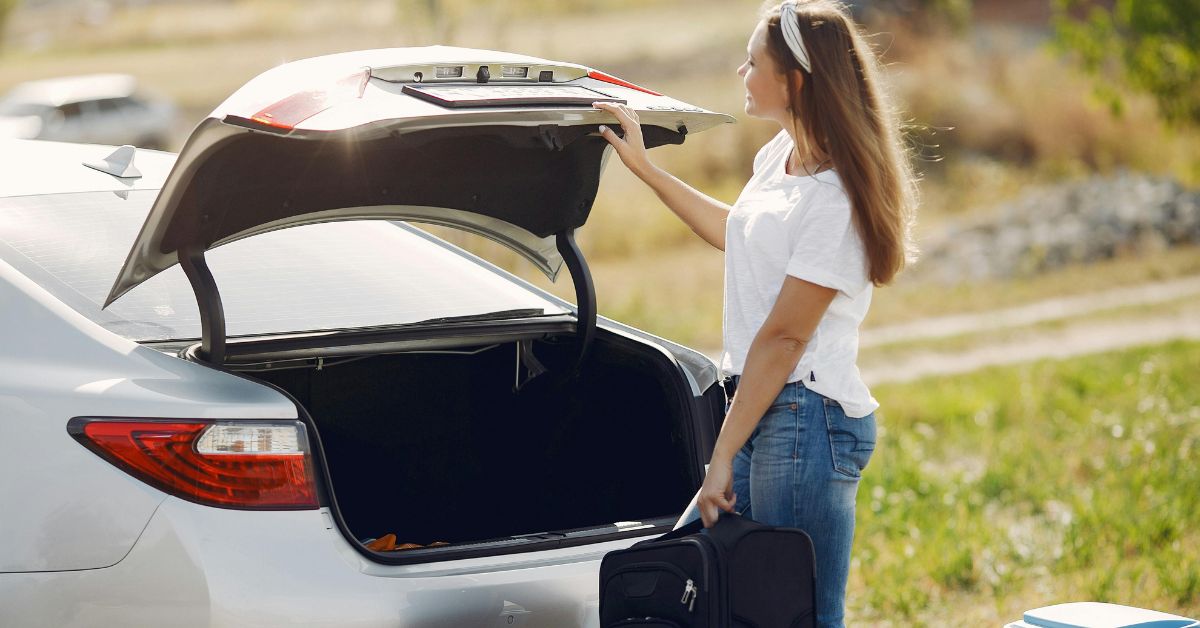
Whatever getaway you plan, before you hook up that new boat or camper or before you put your family or friends into your car, SUV, pickup, or RV, take the time to review some summer road travel safety tips. Prevention and planning are much easier than dealing with the consequences of a breakdown or, worse yet, a highway crash.
Before You Hit the Road
Regular maintenance such as tune-ups, oil changes, battery checks, and tire rotations go a long way toward preventing breakdowns before they happen. If your vehicle has been serviced according to the manufacturer’s recommendations, it should be in good shape and ready to travel. If not — or you don’t know the service history of the vehicle you plan to drive — schedule a preventive maintenance check-up with your mechanic now. Providing your car is well maintained, getting it ready for a road trip is relatively quick and easy. However, it’s essential to perform the following basic safety checks before you go:
Vehicle Safety Checklist
Tires — Air pressure, tread wear, spare
The best way to avoid a flat tire or, even more frightening, a blowout, is to check your vehicle’s tire pressure at least once a month—and don’t forget to check your spare. A tire doesn’t have to be punctured to lose air. All tires naturally lose some air over time. Under-inflation is the leading cause of tire failure.
If your vehicle is a truck, van, or SUV, monitoring your tire pressure is critical to your safety. These vehicles have higher centers of gravity and are more prone to rollover than cars when their tires fail. Suppose your vehicle and its tires are older, you must exercise special care about tire inflation and tire condition (including worn-out treads or apparent damage), particularly in warm weather.
When towing a trailer, it is essential to know that some of the loaded trailer’s weight is transferred to the towing vehicle. If you are towing, make sure you inflate your tires to the recommended pressure. You can check the tire information placard or your owner’s manual for the maximum recommended load for the vehicle and the correct tire pressure.
Check the air pressure in all your tires, including the spare. To get an accurate reading, check pressure when tires are cold, meaning they haven’t been driven on for at least three hours. It’s a good idea to keep a tire pressure gauge on hand in your vehicle for this purpose. The correct pressure for your tires is listed on a label inside the driver’s doorframe or in the vehicle owner’s manual—the correct pressure is NOT the number listed on the tire itself.
Also, take five minutes to inspect your tires for signs of excessive or irregular wear. If the tread is worn down to 1/16 of an inch, it’s time to replace your tires. Use the Lincoln’s head penny test, or look for the built-in wear bar indicators to determine when it’s time to replace your tires. Place a penny in the tread with Lincoln’s head upside down and facing you. If you can see the top of Lincoln’s head, you are ready for new tires. If you find irregular tread wear patterns, your tires need rotation, and your wheels must be realigned before leaving. For more information on tires and tire safety, check out the National Highway Traffic Safety Administration resource.
Belts and Hoses — Condition and fittings
Look under the hood and inspect all belts and hoses to make sure they are in good shape and have no signs of blisters, cracks, or cuts in the rubber. High summer temperatures accelerate the rate at which rubber belts and hoses degrade, so it’s best to replace them now if they show noticeable wear. While you’re at it, check all hose connections to make sure they’re secure.
Wiper Blades — Wear and tear on both sides
After the heavy toll imposed by winter storms and spring rains, windshield wipers are likely to be ragged from use and ready to be replaced. Like rubber belts and hoses, wiper blades are susceptible to the summer heat. Examine your blades for signs of wear and tear. If they aren’t in tip-top condition, invest in new ones before you go.
Cooling System — Coolant levels and servicing
Carefully check your coolant level to make sure it’s adequate. In addition, if it’s time to have your cooling system flushed and refilled (or even nearly time), have it done now. On a long road trip in the summer heat, you’ll want your cooling system functioning at peak performance to avoid the possibility of your engine overheating.
Fluid Levels — Oil, brake, transmission, power steering, coolant, and windshield washer fluids.
Periodically, you’ll want to check your vehicle’s oil level. As with coolant, if it’s time or even nearly time to have the oil changed, now would be a good time to do it. In addition, check the following fluid levels: brake, automatic transmission, power steering, windshield washer, and coolant. Make sure each reservoir is full, and if you see any sign of fluid leakage, take your vehicle in to be serviced.
Lights — Headlights, brake lights, turn signals, emergency flashers, interior lights, and trailer lights.
See and be seen! Make sure all the lights on your vehicle are in working order. Check your headlights, brake lights, turn signals, emergency flashers, and interior lights. If you’re towing a trailer, be sure to check your trailer lights, including brake lights and turn signals. Failure of trailer light connections is a common problem and a serious safety hazard.
Air Conditioning — AC check
Check AC performance before traveling. If you’re traveling with someone sensitive to heat, you may also want to make sure your AC system is functioning correctly. Lack of air conditioning on a hot summer day affects people in poor health or who are sensitive to heat, such as children and seniors. If the air is not blowing cold, repair the system before you go because emergency on-the-road repairs can be more costly than those you plan.
Source: NHTSA
 https://www.dfmurphy.com/wp-content/uploads/Pest-Prevention-Homeowners-Manual-Blog-Series-SMM.jpg
629
1200
Murphy Insurance
https://dfmurphy.wpenginepowered.com/wp-content/uploads/Murphy-Insurance-Logo-Header.jpg
Murphy Insurance2026-09-10 07:00:102026-09-04 14:01:19Pest Prevention | Homeowner’s Manual Blog Series
https://www.dfmurphy.com/wp-content/uploads/Pest-Prevention-Homeowners-Manual-Blog-Series-SMM.jpg
629
1200
Murphy Insurance
https://dfmurphy.wpenginepowered.com/wp-content/uploads/Murphy-Insurance-Logo-Header.jpg
Murphy Insurance2026-09-10 07:00:102026-09-04 14:01:19Pest Prevention | Homeowner’s Manual Blog Series https://www.dfmurphy.com/wp-content/uploads/Evan-Macedo-1200-x-628-.jpg
628
1200
Wayne Texeira
https://dfmurphy.wpenginepowered.com/wp-content/uploads/Murphy-Insurance-Logo-Header.jpg
Wayne Texeira2026-09-09 11:19:362026-09-10 15:39:23Murphy Insurance Welcomes Evan Macedo to Our Leadership Team
https://www.dfmurphy.com/wp-content/uploads/Evan-Macedo-1200-x-628-.jpg
628
1200
Wayne Texeira
https://dfmurphy.wpenginepowered.com/wp-content/uploads/Murphy-Insurance-Logo-Header.jpg
Wayne Texeira2026-09-09 11:19:362026-09-10 15:39:23Murphy Insurance Welcomes Evan Macedo to Our Leadership Team https://www.dfmurphy.com/wp-content/uploads/Should-You-Put-Your-Teen-on-Your-Car-Policy-or-Get-Them-Their-Own-.jpg
628
1200
Murphy Insurance
https://dfmurphy.wpenginepowered.com/wp-content/uploads/Murphy-Insurance-Logo-Header.jpg
Murphy Insurance2026-08-25 07:00:452026-08-24 13:16:18Should You Put Your Teen on Your Car Policy or Get Them Their Own?
https://www.dfmurphy.com/wp-content/uploads/Should-You-Put-Your-Teen-on-Your-Car-Policy-or-Get-Them-Their-Own-.jpg
628
1200
Murphy Insurance
https://dfmurphy.wpenginepowered.com/wp-content/uploads/Murphy-Insurance-Logo-Header.jpg
Murphy Insurance2026-08-25 07:00:452026-08-24 13:16:18Should You Put Your Teen on Your Car Policy or Get Them Their Own? https://www.dfmurphy.com/wp-content/uploads/Electrical-Safety-Homeowners-Manual-Blog-Series-.jpg
629
1200
Murphy Insurance
https://dfmurphy.wpenginepowered.com/wp-content/uploads/Murphy-Insurance-Logo-Header.jpg
Murphy Insurance2026-08-17 07:00:102026-08-13 11:17:19Electrical Safety | Homeowner’s Manual Blog Series
https://www.dfmurphy.com/wp-content/uploads/Electrical-Safety-Homeowners-Manual-Blog-Series-.jpg
629
1200
Murphy Insurance
https://dfmurphy.wpenginepowered.com/wp-content/uploads/Murphy-Insurance-Logo-Header.jpg
Murphy Insurance2026-08-17 07:00:102026-08-13 11:17:19Electrical Safety | Homeowner’s Manual Blog Series https://www.dfmurphy.com/wp-content/uploads/Home-Inventory-Made-Simple-The-30-Minute-Method-That-Helps-Claims-Go-Faster.jpg
628
1200
Murphy Insurance
https://dfmurphy.wpenginepowered.com/wp-content/uploads/Murphy-Insurance-Logo-Header.jpg
Murphy Insurance2026-08-13 07:00:152026-07-27 12:49:37Home Inventory Made Simple | The 30-Minute Method That Helps Claims Go Faster
https://www.dfmurphy.com/wp-content/uploads/Home-Inventory-Made-Simple-The-30-Minute-Method-That-Helps-Claims-Go-Faster.jpg
628
1200
Murphy Insurance
https://dfmurphy.wpenginepowered.com/wp-content/uploads/Murphy-Insurance-Logo-Header.jpg
Murphy Insurance2026-08-13 07:00:152026-07-27 12:49:37Home Inventory Made Simple | The 30-Minute Method That Helps Claims Go Faster https://www.dfmurphy.com/wp-content/uploads/College-students-1-scaled.jpg
1340
2560
Murphy Insurance
https://dfmurphy.wpenginepowered.com/wp-content/uploads/Murphy-Insurance-Logo-Header.jpg
Murphy Insurance2026-08-03 07:00:232026-05-21 12:46:40Do College Students Need Renters Insurance?
https://www.dfmurphy.com/wp-content/uploads/College-students-1-scaled.jpg
1340
2560
Murphy Insurance
https://dfmurphy.wpenginepowered.com/wp-content/uploads/Murphy-Insurance-Logo-Header.jpg
Murphy Insurance2026-08-03 07:00:232026-05-21 12:46:40Do College Students Need Renters Insurance? https://www.dfmurphy.com/wp-content/uploads/5-Ways-to-Stay-Cool-Under-Summer-Pressure.jpg
628
1200
Wayne Texeira
https://dfmurphy.wpenginepowered.com/wp-content/uploads/Murphy-Insurance-Logo-Header.jpg
Wayne Texeira2026-07-24 07:00:592026-08-14 13:03:125 Ways to Stay Cool Under Summer Pressure
https://www.dfmurphy.com/wp-content/uploads/5-Ways-to-Stay-Cool-Under-Summer-Pressure.jpg
628
1200
Wayne Texeira
https://dfmurphy.wpenginepowered.com/wp-content/uploads/Murphy-Insurance-Logo-Header.jpg
Wayne Texeira2026-07-24 07:00:592026-08-14 13:03:125 Ways to Stay Cool Under Summer Pressure https://www.dfmurphy.com/wp-content/uploads/MA-Low-Plate-Lottery-1200.jpg
628
1200
Murphy Insurance
https://dfmurphy.wpenginepowered.com/wp-content/uploads/Murphy-Insurance-Logo-Header.jpg
Murphy Insurance2026-07-15 08:30:252026-07-27 12:51:04Massachusetts Launches 2026 Low-Number License Plate Lottery With 237 Plates Up for Grabs
https://www.dfmurphy.com/wp-content/uploads/MA-Low-Plate-Lottery-1200.jpg
628
1200
Murphy Insurance
https://dfmurphy.wpenginepowered.com/wp-content/uploads/Murphy-Insurance-Logo-Header.jpg
Murphy Insurance2026-07-15 08:30:252026-07-27 12:51:04Massachusetts Launches 2026 Low-Number License Plate Lottery With 237 Plates Up for Grabs https://www.dfmurphy.com/wp-content/uploads/Outdoor-Maintenance-Flipped-HM-Blog-Series.jpg
630
1200
Murphy Insurance
https://dfmurphy.wpenginepowered.com/wp-content/uploads/Murphy-Insurance-Logo-Header.jpg
Murphy Insurance2026-07-09 07:00:502026-08-12 10:34:24Outdoor Maintenance | Homeowner’s Manual Blog Series
https://www.dfmurphy.com/wp-content/uploads/Outdoor-Maintenance-Flipped-HM-Blog-Series.jpg
630
1200
Murphy Insurance
https://dfmurphy.wpenginepowered.com/wp-content/uploads/Murphy-Insurance-Logo-Header.jpg
Murphy Insurance2026-07-09 07:00:502026-08-12 10:34:24Outdoor Maintenance | Homeowner’s Manual Blog SeriesVisit Our Auto Insurance Page

At Murphy Insurance, we are here to assist you in obtaining the appropriate auto insurance. Choosing the appropriate auto insurance coverage can be overwhelming. Every insurance company has its unique offerings, making it challenging to compare options effectively. That’s where we shine. We simplify the process by helping you evaluate provider and policy choices, seek out discounts, and optimize your car insurance within your budget constraints. Ultimately, our goal is to provide you with peace of mind, knowing that you and your loved ones are well-protected.

