
Foundation & Structural Integrity | Homeowner’s Manual Blog Series
This blog series highlights key tips from our Homeowner’s Manual, designed to help you stay ahead of maintenance, reduce repair costs, and prevent common insurance claims. From roofing and plumbing to emergency preparedness and seasonal upkeep, each post shares practical steps to protect your home year-round plus access to a full monthly checklist in the complete downloadable guide.
Keep Your Home on Solid Ground | Foundation & Structural Tips
Your home’s foundation does a lot of heavy lifting.
It supports the entire structure, helps keep your home level and stable, and blocks moisture and shifting soil.
Keeping your home’s foundation in good condition is key to protecting both your home and your investment.
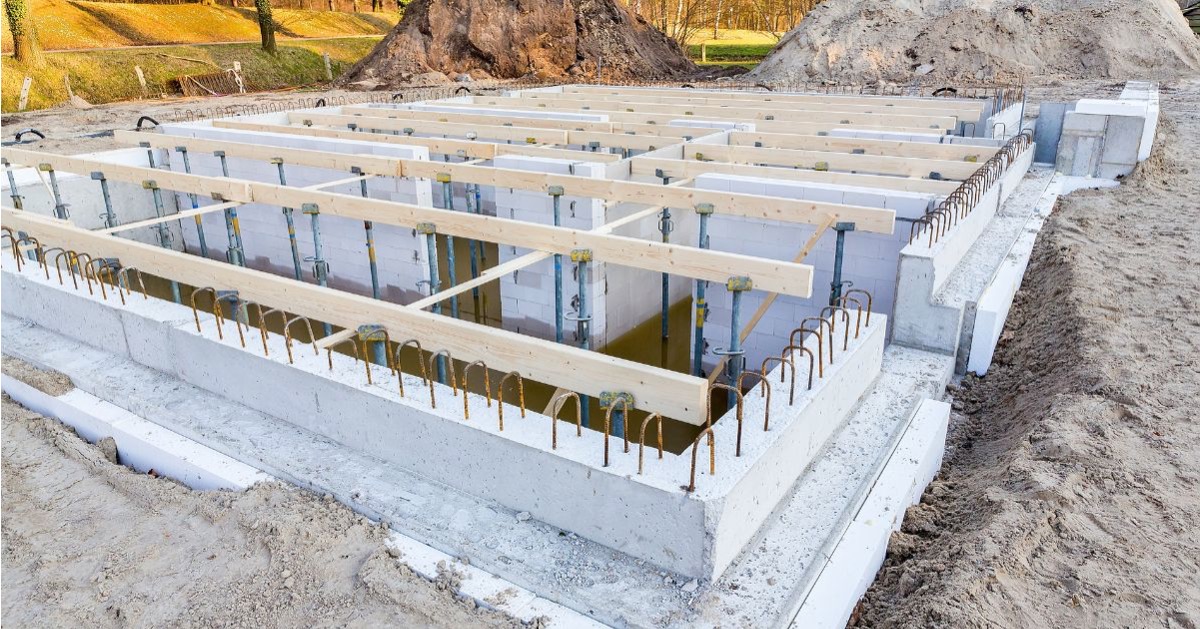
A strong home starts with a sound foundation, and routine maintenance can help keep small concerns from becoming major structural problems.
Watch for Foundation Cracks
Periodically inspect your home’s foundation, basement walls, and other visible structural areas for cracks. Some small cracks may be caused by normal settling, but cracks that grow, widen, or appear suddenly can signal a larger problem. Other warning signs may include uneven floors, doors or windows that begin sticking, or gaps around window and door frames.
Addressing a minor issue early may help prevent more significant structural damage later. If you notice a crack that concerns you, have a qualified professional evaluate it.
Keep Water Away From Your Foundation
Water is one of the biggest threats to a home’s foundation. Make sure gutters and downspouts work properly and direct water away from your house. The ground around your foundation should also slope away from the home rather than allowing water to collect alongside it.
Check drainage conditions after heavy rain, snowmelt, or major storms to identify problem areas before repeated moisture causes damage. Poor drainage can contribute to:
- Basement leaks and flooding
- Foundation deterioration
- Soil erosion
- Mold and mildew
- Cracking caused by soil expansion and contraction
Check Your Basement for Moisture
Basements can provide early clues that water is entering your home.
Regularly inspect basement walls and floors for water stains, dampness, musty odors, peeling paint, mold, or mildew. Investigate moisture problems promptly, since ongoing water intrusion can damage building materials and potentially affect your home’s structural condition. Controlling moisture also helps protect indoor air quality and makes your basement a healthier part of your living environment.
What About Water Backup?
Basements are especially vulnerable when a sump pump fails or a sewer line backs up during heavy rain. Many homeowners are surprised to learn that a standard homeowners policy often does not cover this type of damage. Water backup coverage is typically available as an add-on endorsement, which can help pay for cleanup, repairs, and damaged belongings when water backs up through drains or overflows from a sump pump. Coverage limits and terms vary by policy, so talk with your Murphy Insurance team member about whether water backup protection makes sense for your home.
Be Careful About Attic Storage
Attics often become convenient storage spaces, but not every attic is designed to support significant additional weight. Heavy boxes, furniture, books, or other belongings can place excessive stress on ceiling joists and other structural components. Before using an attic for substantial storage, make sure the space is designed to safely support the weight. Keeping attic storage organized and reasonably light can help reduce unnecessary strain on your home’s structure.
Foundation Damage and Homeowners’ Insurance
Homeowners’ insurance can provide valuable protection when your home suffers damage, but coverage for foundation and structural problems depends heavily on the cause. Generally, homeowners insurance covers sudden, accidental damage caused by covered events listed in your policy. Structural damage related to certain storms, falling objects, fire, or other covered losses may qualify for protection. However, insurance typically does not cover damage caused by routine wear and tear, neglect, gradual deterioration, poor maintenance, or normal settling and cracking.
Water damage also requires particular attention. Damage from a sudden covered plumbing problem may be treated differently from damage from long-term seepage, groundwater, or flooding. Standard homeowners policies generally do not cover flooding from rising surface water, so you need separate flood insurance. Mold coverage may also be limited and often depends on the source of the moisture that caused it.
Every policy and situation is different, so understand your specific coverage before a problem occurs.
Maintenance and Insurance Work Together
Home insurance is an important financial safeguard, but preventive maintenance remains one of the best ways to protect your property. Regularly inspect your foundation, control water around your home, address moisture problems, and avoid excessive structural loads to reduce the chances of serious damage. If you do discover damage, document the condition with photos and contact your insurance agent promptly if you believe a covered event may have caused it.
Protect the Home You’ve Built
Foundation and structural problems are often easier and less expensive to address when caught early. Adding these simple inspections to your regular home maintenance routine can help protect your property, preserve its value, and provide greater peace of mind. Murphy Insurance Agency is here to help you understand how your homeowners insurance protects your home and where coverage limitations may apply. Contact our team to review your homeowners coverage and make sure it still fits your needs.
For more helpful homeowner information, explore additional topics in our Homeowner’s Manual.
Learn More
Download our Homeowner’s and Condo Owner’s Manuals
Owning a home or condominium is one of life’s biggest investments, and protecting it comes down to regular maintenance and thoughtful care. A well-kept home or condo not only makes daily life more comfortable but also helps you avoid unexpected and expensive repairs. From routine seasonal tasks to maintaining the structure itself, every detail contributes to your abode’s long-term safety and durability. Download our homeowner’s and condominium owner’s manuals to protect your peace of mind and your investment.


 https://www.dfmurphy.com/wp-content/uploads/Foundation-Structural-Integrity-HM-Blog-Series-SMM-.jpg
629
1200
Murphy Insurance
https://dfmurphy.wpenginepowered.com/wp-content/uploads/Murphy-Insurance-Logo-Header.jpg
Murphy Insurance2026-10-08 07:00:392026-09-29 12:31:28Foundation & Structural Integrity | Homeowner’s Manual Blog Series
https://www.dfmurphy.com/wp-content/uploads/Foundation-Structural-Integrity-HM-Blog-Series-SMM-.jpg
629
1200
Murphy Insurance
https://dfmurphy.wpenginepowered.com/wp-content/uploads/Murphy-Insurance-Logo-Header.jpg
Murphy Insurance2026-10-08 07:00:392026-09-29 12:31:28Foundation & Structural Integrity | Homeowner’s Manual Blog Series https://www.dfmurphy.com/wp-content/uploads/Fire-Prevention-Month-Helping-Protect-Your-Home-and-Family-from-Fire-Risks.jpg
628
1200
Murphy Insurance
https://dfmurphy.wpenginepowered.com/wp-content/uploads/Murphy-Insurance-Logo-Header.jpg
Murphy Insurance2026-10-01 07:00:502026-09-28 14:35:21Fire Prevention Month: Helping Protect Your Home and Family from Fire Risks
https://www.dfmurphy.com/wp-content/uploads/Fire-Prevention-Month-Helping-Protect-Your-Home-and-Family-from-Fire-Risks.jpg
628
1200
Murphy Insurance
https://dfmurphy.wpenginepowered.com/wp-content/uploads/Murphy-Insurance-Logo-Header.jpg
Murphy Insurance2026-10-01 07:00:502026-09-28 14:35:21Fire Prevention Month: Helping Protect Your Home and Family from Fire Risks https://www.dfmurphy.com/wp-content/uploads/Pest-Prevention-Homeowners-Manual-Blog-Series-SMM.jpg
629
1200
Murphy Insurance
https://dfmurphy.wpenginepowered.com/wp-content/uploads/Murphy-Insurance-Logo-Header.jpg
Murphy Insurance2026-09-10 07:00:102026-09-04 14:01:19Pest Prevention | Homeowner’s Manual Blog Series
https://www.dfmurphy.com/wp-content/uploads/Pest-Prevention-Homeowners-Manual-Blog-Series-SMM.jpg
629
1200
Murphy Insurance
https://dfmurphy.wpenginepowered.com/wp-content/uploads/Murphy-Insurance-Logo-Header.jpg
Murphy Insurance2026-09-10 07:00:102026-09-04 14:01:19Pest Prevention | Homeowner’s Manual Blog Series https://www.dfmurphy.com/wp-content/uploads/Electrical-Safety-Homeowners-Manual-Blog-Series-.jpg
629
1200
Murphy Insurance
https://dfmurphy.wpenginepowered.com/wp-content/uploads/Murphy-Insurance-Logo-Header.jpg
Murphy Insurance2026-08-17 07:00:102026-08-13 11:17:19Electrical Safety | Homeowner’s Manual Blog Series
https://www.dfmurphy.com/wp-content/uploads/Electrical-Safety-Homeowners-Manual-Blog-Series-.jpg
629
1200
Murphy Insurance
https://dfmurphy.wpenginepowered.com/wp-content/uploads/Murphy-Insurance-Logo-Header.jpg
Murphy Insurance2026-08-17 07:00:102026-08-13 11:17:19Electrical Safety | Homeowner’s Manual Blog Series https://www.dfmurphy.com/wp-content/uploads/Home-Inventory-Made-Simple-The-30-Minute-Method-That-Helps-Claims-Go-Faster.jpg
628
1200
Murphy Insurance
https://dfmurphy.wpenginepowered.com/wp-content/uploads/Murphy-Insurance-Logo-Header.jpg
Murphy Insurance2026-08-13 07:00:152026-07-27 12:49:37Home Inventory Made Simple | The 30-Minute Method That Helps Claims Go Faster
https://www.dfmurphy.com/wp-content/uploads/Home-Inventory-Made-Simple-The-30-Minute-Method-That-Helps-Claims-Go-Faster.jpg
628
1200
Murphy Insurance
https://dfmurphy.wpenginepowered.com/wp-content/uploads/Murphy-Insurance-Logo-Header.jpg
Murphy Insurance2026-08-13 07:00:152026-07-27 12:49:37Home Inventory Made Simple | The 30-Minute Method That Helps Claims Go Faster https://www.dfmurphy.com/wp-content/uploads/College-students-1-scaled.jpg
1340
2560
Murphy Insurance
https://dfmurphy.wpenginepowered.com/wp-content/uploads/Murphy-Insurance-Logo-Header.jpg
Murphy Insurance2026-08-03 07:00:232026-05-21 12:46:40Do College Students Need Renters Insurance?
https://www.dfmurphy.com/wp-content/uploads/College-students-1-scaled.jpg
1340
2560
Murphy Insurance
https://dfmurphy.wpenginepowered.com/wp-content/uploads/Murphy-Insurance-Logo-Header.jpg
Murphy Insurance2026-08-03 07:00:232026-05-21 12:46:40Do College Students Need Renters Insurance? https://www.dfmurphy.com/wp-content/uploads/Outdoor-Maintenance-Flipped-HM-Blog-Series.jpg
630
1200
Murphy Insurance
https://dfmurphy.wpenginepowered.com/wp-content/uploads/Murphy-Insurance-Logo-Header.jpg
Murphy Insurance2026-07-09 07:00:502026-08-12 10:34:24Outdoor Maintenance | Homeowner’s Manual Blog Series
https://www.dfmurphy.com/wp-content/uploads/Outdoor-Maintenance-Flipped-HM-Blog-Series.jpg
630
1200
Murphy Insurance
https://dfmurphy.wpenginepowered.com/wp-content/uploads/Murphy-Insurance-Logo-Header.jpg
Murphy Insurance2026-07-09 07:00:502026-08-12 10:34:24Outdoor Maintenance | Homeowner’s Manual Blog Series https://www.dfmurphy.com/wp-content/uploads/What-Counts-as-a-Home-Based-Business-.jpg
629
1200
Murphy Insurance
https://dfmurphy.wpenginepowered.com/wp-content/uploads/Murphy-Insurance-Logo-Header.jpg
Murphy Insurance2026-06-30 07:00:562026-06-26 14:40:30What Counts as a Home-Based Business (and When Your Home Policy Isn’t Enough)
https://www.dfmurphy.com/wp-content/uploads/What-Counts-as-a-Home-Based-Business-.jpg
629
1200
Murphy Insurance
https://dfmurphy.wpenginepowered.com/wp-content/uploads/Murphy-Insurance-Logo-Header.jpg
Murphy Insurance2026-06-30 07:00:562026-06-26 14:40:30What Counts as a Home-Based Business (and When Your Home Policy Isn’t Enough) https://www.dfmurphy.com/wp-content/uploads/What-to-Do-When-Your-Home-Insurance-Company-Requires-Repairs.jpg
629
1200
Murphy Insurance
https://dfmurphy.wpenginepowered.com/wp-content/uploads/Murphy-Insurance-Logo-Header.jpg
Murphy Insurance2026-06-16 07:00:042026-06-11 02:34:53What to Do When Your Home Insurance Company Requires Repairs
https://www.dfmurphy.com/wp-content/uploads/What-to-Do-When-Your-Home-Insurance-Company-Requires-Repairs.jpg
629
1200
Murphy Insurance
https://dfmurphy.wpenginepowered.com/wp-content/uploads/Murphy-Insurance-Logo-Header.jpg
Murphy Insurance2026-06-16 07:00:042026-06-11 02:34:53What to Do When Your Home Insurance Company Requires RepairsVisit Our Homeowners Insurance Page

Homeowners insurance shouldn’t be confusing. At Murphy Insurance, we help you find the right coverage for your home, from the roof over your head to what’s inside it. We are an independent agency, so we shop multiple carriers to find you real protection at a fair price. And we don’t stop at price and policy. We provide education to help protect you from claims, like our homeowner’s insurance manual and our extensive blog library. Visit our Homeowners Insurance page to learn more.
