
What to Do When Your Home Insurance Company Requires Repairs
It is not uncommon for homeowners to receive a notice from their insurance company requesting that certain repairs be completed.
While it can feel unexpected, these requests are often part of a broader shift in how insurers evaluate risk.
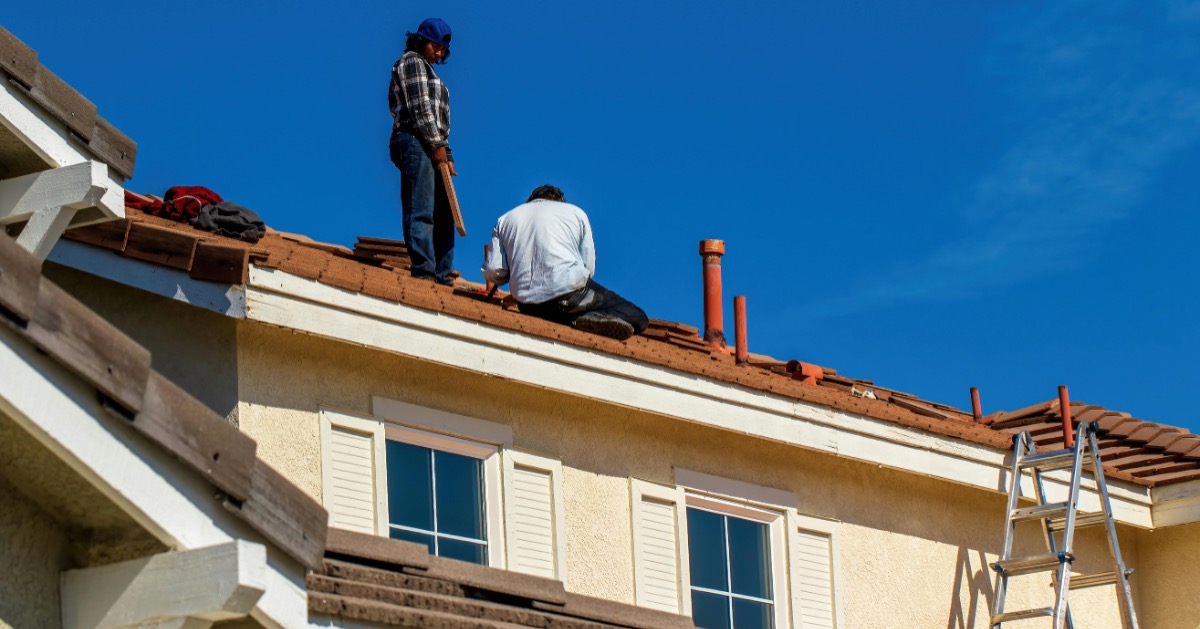
In recent years, insurance companies have taken a more proactive approach to reviewing property conditions, which means maintenance concerns are being identified earlier and more consistently.
In most cases, a repair notice does not mean your coverage is being immediately canceled. Instead, it is an opportunity to address conditions that could lead to future claims. However, these requests should be taken seriously. If required repairs are not completed within the specified timeframe, it can lead to more significant consequences, including nonrenewal or cancellation of your policy. Understanding why these notices are issued and how to respond can help you maintain continuous coverage and avoid complications.
Why Insurance Companies Require Repairs
Insurance companies require repairs when they identify conditions that increase the likelihood of a loss. These issues are typically identified during inspections, after a claim, or as part of routine underwriting reviews.
From an insurer’s perspective, these requests are not intended to be punitive. They are meant to reduce risk and prevent avoidable claims. A well-maintained home is less likely to experience damage from weather, fire, or water, which helps protect both the homeowner and the insurance company. Common repair requests often involve:
- Roof damage, missing shingles, leaks, or aging materials
- Peeling paint or rotting exterior wood
- Exposed wiring or outdated systems
- Damaged or rotting siding or trim
- Old or unsafe electrical panels or wiring
- Polybutylene or other high-risk plumbing materials
- Plumbing leaks or water damage issues
- Cracked or uneven walkways, steps, or driveways
- Dead, leaning, or overhanging trees
- Damaged gutters or drainage problems
- Foundation cracks or structural concerns
- Deteriorating decks or porches
- Outdated HVAC or heating systems that pose a fire risk
Many of these items fall under routine maintenance. However, when they are left unaddressed, they can increase the likelihood of a claim, which is why insurers require corrective action.
How Insurance Companies Identify These Issues
Insurance companies may identify maintenance concerns in a few different ways. In some cases, an inspector will visit the property, particularly when a policy is first issued or being reviewed. In other situations, insurers may rely on updated photos or third-party reports to understand the current condition of a home.
In many instances, these reviews are routine and focus on visible exterior conditions, such as the roof, siding, or surrounding property. Homeowners are not always required to be present, especially for exterior observations.
As part of normal underwriting and policy review, these steps help confirm that the home continues to meet the company’s guidelines. If concerns are identified, the insurer will typically notify the homeowner and provide time to address the issue.
What a Repair Notice Means
A repair notice is usually a warning, not a cancellation. It means your insurer is giving you time to correct an issue so you can continue coverage. Most notices outline:
- The specific repairs required
- A deadline for completion
- Instructions for submitting proof
Timelines typically range from 30 to 90 days, depending on the nature and severity of the issue.
It is important to review the notice carefully so you understand what is being requested. If anything is unclear, your insurance agent can help explain the requirements and what documentation will be needed.
What Happens If Repairs Are Not Completed
If required repairs are not completed within the timeframe provided, your insurance company may take further action. Depending on the situation, this may include:
- Issuing a nonrenewal notice at the end of your policy term
- Canceling the policy before renewal in more serious cases
- Requiring proof of completion before continuing coverage
Unresolved issues can also make it more difficult to obtain coverage with another insurer. Most companies will review property condition and prior underwriting concerns, and outstanding maintenance items can limit available options. For these reasons, it is important to treat repair requests as time-sensitive, even if the issue appears minor.
Steps to Take Right Away
If you receive a repair request:
- Review the notice carefully to understand what is required.
- Contact your insurance agent to confirm deadlines and documentation.
- Schedule repairs as soon as possible.
- Take before-and-after photos and save the invoices.
- Submit proof to your insurer on time.
If you cannot meet the deadline, contact your agent immediately. In some cases, insurers may grant an extension if you can show repairs are underway.
Why Acting Promptly Matters
Now that you understand why insurers issue repair notices and how inspections are conducted, you can approach a repair request with much more clarity and confidence. In most cases, the items identified relate to routine maintenance or safety concerns that insurers want addressed to reduce the risk of future claims. By reviewing the notice carefully, acting promptly, and documenting completed repairs, homeowners can move through the process efficiently and avoid unnecessary complications or coverage disruptions.
If you have questions about a repair notice or want help reviewing your homeowner’s insurance, contact us for guidance. Our team can help you understand your options and ensure your coverage stays protected.
 https://www.dfmurphy.com/wp-content/uploads/Likely-El-Nino-Heightens-Climate-Risks-This-Year.jpg
628
1200
Wayne Texeira
https://dfmurphy.wpenginepowered.com/wp-content/uploads/Murphy-Insurance-Logo-Header.jpg
Wayne Texeira2026-10-15 15:40:082026-10-15 16:08:16A Historic El Niño Could Heighten Weather Risks Through Fall & Winter
https://www.dfmurphy.com/wp-content/uploads/Likely-El-Nino-Heightens-Climate-Risks-This-Year.jpg
628
1200
Wayne Texeira
https://dfmurphy.wpenginepowered.com/wp-content/uploads/Murphy-Insurance-Logo-Header.jpg
Wayne Texeira2026-10-15 15:40:082026-10-15 16:08:16A Historic El Niño Could Heighten Weather Risks Through Fall & Winter https://www.dfmurphy.com/wp-content/uploads/Electrical-Safety-Homeowners-Manual-Blog-Series-.jpg
629
1200
Murphy Insurance
https://dfmurphy.wpenginepowered.com/wp-content/uploads/Murphy-Insurance-Logo-Header.jpg
Murphy Insurance2026-08-17 07:00:102026-08-13 11:17:19Electrical Safety | Homeowner’s Manual Blog Series
https://www.dfmurphy.com/wp-content/uploads/Electrical-Safety-Homeowners-Manual-Blog-Series-.jpg
629
1200
Murphy Insurance
https://dfmurphy.wpenginepowered.com/wp-content/uploads/Murphy-Insurance-Logo-Header.jpg
Murphy Insurance2026-08-17 07:00:102026-08-13 11:17:19Electrical Safety | Homeowner’s Manual Blog Series https://www.dfmurphy.com/wp-content/uploads/Home-Inventory-Made-Simple-The-30-Minute-Method-That-Helps-Claims-Go-Faster.jpg
628
1200
Murphy Insurance
https://dfmurphy.wpenginepowered.com/wp-content/uploads/Murphy-Insurance-Logo-Header.jpg
Murphy Insurance2026-08-13 07:00:152026-07-27 12:49:37Home Inventory Made Simple | The 30-Minute Method That Helps Claims Go Faster
https://www.dfmurphy.com/wp-content/uploads/Home-Inventory-Made-Simple-The-30-Minute-Method-That-Helps-Claims-Go-Faster.jpg
628
1200
Murphy Insurance
https://dfmurphy.wpenginepowered.com/wp-content/uploads/Murphy-Insurance-Logo-Header.jpg
Murphy Insurance2026-08-13 07:00:152026-07-27 12:49:37Home Inventory Made Simple | The 30-Minute Method That Helps Claims Go Faster https://www.dfmurphy.com/wp-content/uploads/Outdoor-Maintenance-Flipped-HM-Blog-Series.jpg
630
1200
Murphy Insurance
https://dfmurphy.wpenginepowered.com/wp-content/uploads/Murphy-Insurance-Logo-Header.jpg
Murphy Insurance2026-07-09 07:00:502026-08-12 10:34:24Outdoor Maintenance | Homeowner’s Manual Blog Series
https://www.dfmurphy.com/wp-content/uploads/Outdoor-Maintenance-Flipped-HM-Blog-Series.jpg
630
1200
Murphy Insurance
https://dfmurphy.wpenginepowered.com/wp-content/uploads/Murphy-Insurance-Logo-Header.jpg
Murphy Insurance2026-07-09 07:00:502026-08-12 10:34:24Outdoor Maintenance | Homeowner’s Manual Blog Series https://www.dfmurphy.com/wp-content/uploads/Copy-of-Hurricane-Season-Has-Begun-1200.jpg
628
1200
Wayne Texeira
https://dfmurphy.wpenginepowered.com/wp-content/uploads/Murphy-Insurance-Logo-Header.jpg
Wayne Texeira2026-07-01 15:44:232026-07-30 10:27:12A Safer Start to Summer: Simple Habits for a Fun and Worry-Free Fourth of July
https://www.dfmurphy.com/wp-content/uploads/What-to-Do-When-Your-Home-Insurance-Company-Requires-Repairs.jpg
629
1200
Murphy Insurance
https://dfmurphy.wpenginepowered.com/wp-content/uploads/Murphy-Insurance-Logo-Header.jpg
Murphy Insurance2026-06-16 07:00:042026-06-11 02:34:53What to Do When Your Home Insurance Company Requires Repairs
https://www.dfmurphy.com/wp-content/uploads/Copy-of-Hurricane-Season-Has-Begun-1200.jpg
628
1200
Wayne Texeira
https://dfmurphy.wpenginepowered.com/wp-content/uploads/Murphy-Insurance-Logo-Header.jpg
Wayne Texeira2026-07-01 15:44:232026-07-30 10:27:12A Safer Start to Summer: Simple Habits for a Fun and Worry-Free Fourth of July
https://www.dfmurphy.com/wp-content/uploads/What-to-Do-When-Your-Home-Insurance-Company-Requires-Repairs.jpg
629
1200
Murphy Insurance
https://dfmurphy.wpenginepowered.com/wp-content/uploads/Murphy-Insurance-Logo-Header.jpg
Murphy Insurance2026-06-16 07:00:042026-06-11 02:34:53What to Do When Your Home Insurance Company Requires Repairs https://www.dfmurphy.com/wp-content/uploads/Swimming-Pool-Safety-Homeowners-Manual-Blog-Series-2.jpg
628
1200
Murphy Insurance
https://dfmurphy.wpenginepowered.com/wp-content/uploads/Murphy-Insurance-Logo-Header.jpg
Murphy Insurance2026-06-11 01:20:412026-08-12 10:29:41Swimming Pool Safety | Homeowner’s Manual Blog Series
https://www.dfmurphy.com/wp-content/uploads/Swimming-Pool-Safety-Homeowners-Manual-Blog-Series-2.jpg
628
1200
Murphy Insurance
https://dfmurphy.wpenginepowered.com/wp-content/uploads/Murphy-Insurance-Logo-Header.jpg
Murphy Insurance2026-06-11 01:20:412026-08-12 10:29:41Swimming Pool Safety | Homeowner’s Manual Blog Series https://www.dfmurphy.com/wp-content/uploads/Untitled-design-129.jpg
628
1200
Murphy Insurance
https://dfmurphy.wpenginepowered.com/wp-content/uploads/Murphy-Insurance-Logo-Header.jpg
Murphy Insurance2026-06-02 07:00:592026-05-19 08:50:13Home Insurance “Rebuild Cost” vs. Market Value, Why it Matters
https://www.dfmurphy.com/wp-content/uploads/Untitled-design-129.jpg
628
1200
Murphy Insurance
https://dfmurphy.wpenginepowered.com/wp-content/uploads/Murphy-Insurance-Logo-Header.jpg
Murphy Insurance2026-06-02 07:00:592026-05-19 08:50:13Home Insurance “Rebuild Cost” vs. Market Value, Why it Matters https://www.dfmurphy.com/wp-content/uploads/HVAC-System-Care-Energy-Efficiency-Homeowners-Manual-Blog-Series.jpg
628
1200
Murphy Insurance
https://dfmurphy.wpenginepowered.com/wp-content/uploads/Murphy-Insurance-Logo-Header.jpg
Murphy Insurance2026-05-28 07:00:422026-08-12 10:35:24HVAC System Care & Energy Efficiency | Homeowner’s Manual Blog Series
https://www.dfmurphy.com/wp-content/uploads/HVAC-System-Care-Energy-Efficiency-Homeowners-Manual-Blog-Series.jpg
628
1200
Murphy Insurance
https://dfmurphy.wpenginepowered.com/wp-content/uploads/Murphy-Insurance-Logo-Header.jpg
Murphy Insurance2026-05-28 07:00:422026-08-12 10:35:24HVAC System Care & Energy Efficiency | Homeowner’s Manual Blog SeriesOur Homeowners Insurance

Murphy Insurance helps Massachusetts and New England homeowners find the right coverage by comparing options across top-rated carriers. Homeowners Insurance protects your home’s structure, personal belongings, and personal liability for household members, covering perils such as fire, weather, theft, and vandalism. Flood damage, however, requires a separate policy. Our professionals work to match your specific needs with the best balance of cost and coverage.

