
When setting the clocks forward in Spring for Daylight Savings Time or backward in the Fall, fire safety officials recommend checking that your smoke alarms and carbon monoxide detectors are in working order. Batteries don’t last forever. Vacuum them to remove dust, replace batteries, and test the alarms. This small effort could make all the difference in an emergency.
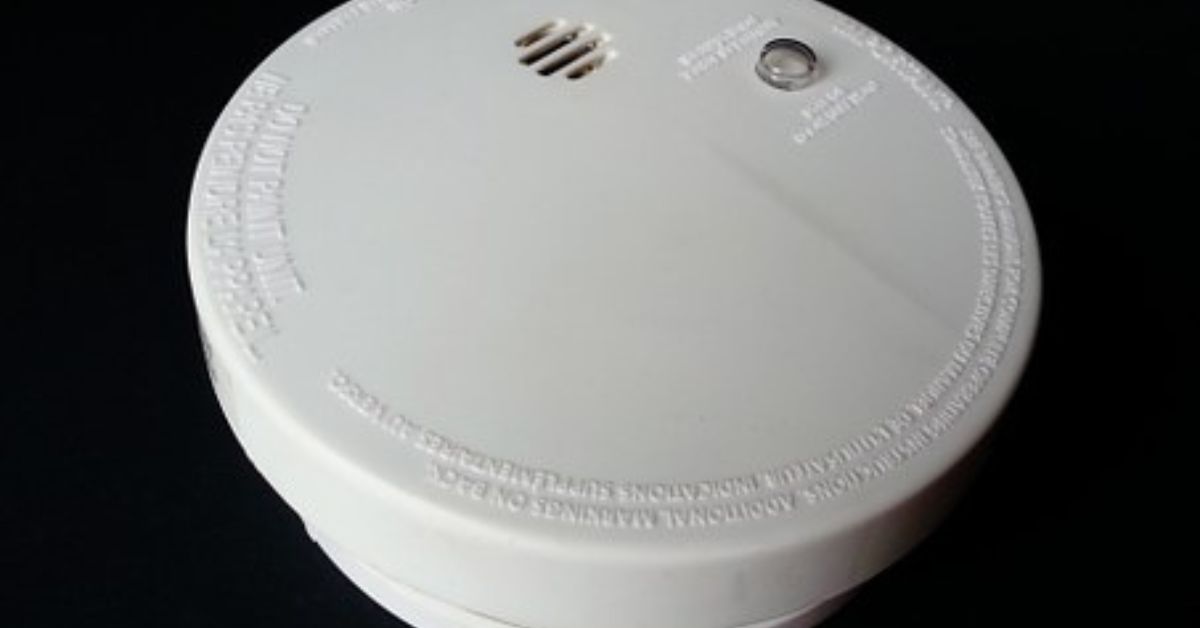
The life expectancy of smoke alarms is generally 8-10 years, after which their sensors can lose sensitivity. The test button only confirms that the battery, electronics, and alert system are working; it doesn’t mean the smoke sensor is working. Over time, dust gathers in detectors, which diminishes sensitivity. You can test sensors using an aerosol can of smoke alarm test spray that simulates smoke. Both hard-wired and battery-operated detectors need to be checked and replaced as needed.
If your alarms are over ten years old, why take a chance? It’s recommended that you replace all detectors at the same time to ensure that you’re using up-to-date technology throughout your home. It’s also easier to track when it’s time to replace them.
Most fatal fires occur at night. Thousands of lives are saved yearly simply because people have working smoke detectors to alert them. Working smoke detectors decrease the risk of dying in a house fire by nearly 50%. Many fire deaths are caused by inhaling the toxic smoke and gases emitted in the states of a fire so that early warning can make all the difference between life and death.
Carbon monoxide (CO) is a colorless, odorless gas produced whenever fuel, oil, kerosene, wood, or charcoal is burned. Exposure to CO can produce headaches, dizziness, nausea, and fainting, and at high levels, it can cause unconsciousness and death. Hundreds of people die accidentally each year from CO poisoning caused by malfunctioning or improperly used fuel-burning appliances (EPA data). Therefore, knowing the symptoms and having an alarm to alert you to a CO buildup can be the difference in saving lives.
Smoke & Carbon Monoxide Alarm Details
Smoke alarm and carbon monoxide detector requirements can vary from town to town, so it’s a good idea to check with your local fire department regarding local regulations for fire and smoke detector placement and type. Every home needs working smoke alarms to provide an early warning.
Smoke Alarms should be installed in all bedrooms, hallways that lead to sleeping areas, basements, and each additional level of your home. Generally, smoke alarms should be mounted on the ceiling 4” from the wall; wall mounts should be 4-12” from the ceiling. Do not install near windows, vents, or other draft areas.
Carbon Monoxide Detector Alarms must be located on every level of a home or dwelling unit, including habitable basements and attics. On levels with sleeping areas, the alarms must be placed within 10 feet of the bedroom doors.
- Take This Quiz: Are You Failing to Protect Your Family From a Fire?
- Smoke Alarms Save Lives
- Massachusetts Carbon Monoxide Alarm Requirements
- Carbon Monoxide Safety
Prepare and Practice Your Escape Plan
How would you get out of your home if a fire were to occur? You should have an evacuation plan with at least two escape routes. Ensure that everyone in your family knows the routes and practices to crawl low under smoke. Determine where to meet outside so you’ll know everyone is out.
Fire Officials also Recommend the Following:
- Testing smoke alarms monthly by pushing the ‘test’ button, which activates the alarm.
- Installing fire extinguishers in or near the kitchen.
- Preventative house cleaning to reduce or eliminate fire hazards.
 https://www.dfmurphy.com/wp-content/uploads/Extension-Cord-1200.jpg
628
1200
Murphy Insurance
https://dfmurphy.wpenginepowered.com/wp-content/uploads/Murphy-Insurance-Logo-Header.jpg
Murphy Insurance2026-05-13 08:00:222026-05-11 09:58:22Stay Wired Into Electrical Safety This May
https://www.dfmurphy.com/wp-content/uploads/Extension-Cord-1200.jpg
628
1200
Murphy Insurance
https://dfmurphy.wpenginepowered.com/wp-content/uploads/Murphy-Insurance-Logo-Header.jpg
Murphy Insurance2026-05-13 08:00:222026-05-11 09:58:22Stay Wired Into Electrical Safety This May https://www.dfmurphy.com/wp-content/uploads/Hurricane-Season-in-New-England-What-Homeowners-Need-to-Know-to-Stay-Protected.jpg
628
1200
Murphy Insurance
https://dfmurphy.wpenginepowered.com/wp-content/uploads/Murphy-Insurance-Logo-Header.jpg
Murphy Insurance2026-05-07 09:00:162026-05-08 11:18:24Hurricane Season in New England: What Homeowners Need to Know to Stay Protected
https://www.dfmurphy.com/wp-content/uploads/Hurricane-Season-in-New-England-What-Homeowners-Need-to-Know-to-Stay-Protected.jpg
628
1200
Murphy Insurance
https://dfmurphy.wpenginepowered.com/wp-content/uploads/Murphy-Insurance-Logo-Header.jpg
Murphy Insurance2026-05-07 09:00:162026-05-08 11:18:24Hurricane Season in New England: What Homeowners Need to Know to Stay Protected https://www.dfmurphy.com/wp-content/uploads/Motorcyclist-Cord-1200.jpg
628
1200
Murphy Insurance
https://dfmurphy.wpenginepowered.com/wp-content/uploads/Murphy-Insurance-Logo-Header.jpg
Murphy Insurance2026-05-05 13:35:062026-03-27 08:39:18Stay Safe With Motorcycle Safety Awareness Month
https://www.dfmurphy.com/wp-content/uploads/Motorcyclist-Cord-1200.jpg
628
1200
Murphy Insurance
https://dfmurphy.wpenginepowered.com/wp-content/uploads/Murphy-Insurance-Logo-Header.jpg
Murphy Insurance2026-05-05 13:35:062026-03-27 08:39:18Stay Safe With Motorcycle Safety Awareness Month Steering wheel
https://www.dfmurphy.com/wp-content/uploads/Steering-wheel-scaled.jpg
1340
2560
Murphy Insurance
https://dfmurphy.wpenginepowered.com/wp-content/uploads/Murphy-Insurance-Logo-Header.jpg
Murphy Insurance2026-04-29 09:00:382026-04-23 13:11:25What Should You Do After a Car Accident to Help Your Insurance Claim?
Steering wheel
https://www.dfmurphy.com/wp-content/uploads/Steering-wheel-scaled.jpg
1340
2560
Murphy Insurance
https://dfmurphy.wpenginepowered.com/wp-content/uploads/Murphy-Insurance-Logo-Header.jpg
Murphy Insurance2026-04-29 09:00:382026-04-23 13:11:25What Should You Do After a Car Accident to Help Your Insurance Claim? https://www.dfmurphy.com/wp-content/uploads/Murphy-Insurance-Proudly-Sponsors-the-Groton-Road-Race.jpg
628
1200
Murphy Insurance
https://dfmurphy.wpenginepowered.com/wp-content/uploads/Murphy-Insurance-Logo-Header.jpg
Murphy Insurance2026-04-23 13:21:552026-04-24 12:41:15Murphy Insurance Proudly Sponsors the Groton Road Race
https://www.dfmurphy.com/wp-content/uploads/Murphy-Insurance-Proudly-Sponsors-the-Groton-Road-Race.jpg
628
1200
Murphy Insurance
https://dfmurphy.wpenginepowered.com/wp-content/uploads/Murphy-Insurance-Logo-Header.jpg
Murphy Insurance2026-04-23 13:21:552026-04-24 12:41:15Murphy Insurance Proudly Sponsors the Groton Road Race https://www.dfmurphy.com/wp-content/uploads/Untitled-design-445.jpg
628
1200
Murphy Insurance
https://dfmurphy.wpenginepowered.com/wp-content/uploads/Murphy-Insurance-Logo-Header.jpg
Murphy Insurance2026-04-22 09:00:222026-04-21 16:19:36Plumbing & Water Damage Prevention | Homeowner’s Manual Blog Series
https://www.dfmurphy.com/wp-content/uploads/Untitled-design-445.jpg
628
1200
Murphy Insurance
https://dfmurphy.wpenginepowered.com/wp-content/uploads/Murphy-Insurance-Logo-Header.jpg
Murphy Insurance2026-04-22 09:00:222026-04-21 16:19:36Plumbing & Water Damage Prevention | Homeowner’s Manual Blog Series https://www.dfmurphy.com/wp-content/uploads/Why-Flood-Insurance-Matters.jpg
628
1200
Murphy Insurance
https://dfmurphy.wpenginepowered.com/wp-content/uploads/Murphy-Insurance-Logo-Header.jpg
Murphy Insurance2026-04-20 10:40:392026-04-22 16:43:31Why Flood Insurance Matters
https://www.dfmurphy.com/wp-content/uploads/Why-Flood-Insurance-Matters.jpg
628
1200
Murphy Insurance
https://dfmurphy.wpenginepowered.com/wp-content/uploads/Murphy-Insurance-Logo-Header.jpg
Murphy Insurance2026-04-20 10:40:392026-04-22 16:43:31Why Flood Insurance Matters https://www.dfmurphy.com/wp-content/uploads/Massachusetts-Boaters-A-New-Safety-Requirement-You-Need-to-Know-Before-Summer.jpg
628
1200
Murphy Insurance
https://dfmurphy.wpenginepowered.com/wp-content/uploads/Murphy-Insurance-Logo-Header.jpg
Murphy Insurance2026-04-17 14:51:132026-04-17 14:56:57Massachusetts Boaters: A New Safety Requirement You Need to Know Before Summer
https://www.dfmurphy.com/wp-content/uploads/Massachusetts-Boaters-A-New-Safety-Requirement-You-Need-to-Know-Before-Summer.jpg
628
1200
Murphy Insurance
https://dfmurphy.wpenginepowered.com/wp-content/uploads/Murphy-Insurance-Logo-Header.jpg
Murphy Insurance2026-04-17 14:51:132026-04-17 14:56:57Massachusetts Boaters: A New Safety Requirement You Need to Know Before Summer https://www.dfmurphy.com/wp-content/uploads/Why-Umbrella-Insurance-Matters-for-Local-Families-in-Bolton-MA-1.jpg
628
1200
Murphy Insurance
https://dfmurphy.wpenginepowered.com/wp-content/uploads/Murphy-Insurance-Logo-Header.jpg
Murphy Insurance2026-04-09 12:15:122026-04-21 09:54:49Why Umbrella Insurance Matters for Local Families in Bolton, MA
https://www.dfmurphy.com/wp-content/uploads/Why-Umbrella-Insurance-Matters-for-Local-Families-in-Bolton-MA-1.jpg
628
1200
Murphy Insurance
https://dfmurphy.wpenginepowered.com/wp-content/uploads/Murphy-Insurance-Logo-Header.jpg
Murphy Insurance2026-04-09 12:15:122026-04-21 09:54:49Why Umbrella Insurance Matters for Local Families in Bolton, MAVisit Our Homeowners Insurance Page

At Murphy Insurance, we take great care in assessing your options for homeowners insurance to ensure that you receive the most favorable value. Our dedication to serving you entails collaborating with highly-rated insurance providers and conducting comprehensive assessments of available choices. Our goal is to achieve the ideal equilibrium between affordability and coverage that suits your unique needs. Please let us provide you with a customized homeowners insurance quote.

