
Introducing the Murphy Insurance Homeowner’s Manual: Your Guide to Preventing Costly Home Repairs & Damages

For many people, buying a home is the single largest investment they’ll ever make. It’s a source of pride, comfort, and financial security. However, it also comes with ongoing responsibilities, and the reality that unexpected damage or repairs can disrupt their life and strain their budget.
That’s why Murphy Insurance Agency is proud to introduce our brand-new Homeowner’s Manual: Your Guide to Preventing Costly Home Repairs & Damages. This comprehensive resource was created to help homeowners like you stay ahead of problems before they turn into expensive insurance claims. It is part of our commitment to not only protect what matters most but also to help you avoid risk in the first place.
The Murphy Insurance Experience
 “We’ve taken decades of experience helping clients navigate everything from frozen pipes to fire damage and turned that knowledge into a practical, proactive guide,” said Dennis Murphy, Treasurer of Murphy Insurance Agency. “We see the patterns, the most common causes of claims, and the issues that could have been prevented with just a little foresight. This manual is about sharing that knowledge so you can take care of your home with confidence.”
Built around real-world insight, the Homeowner’s Manual offers clear, actionable tips on how to maintain your property and avoid common—and costly—issues. Topics include:
- Roof & gutter care to prevent leaks and ice dams
- Plumbing and water damage prevention
- HVAC system maintenance for comfort and efficiency
- Electrical and fire safety tips to reduce hazards
- Foundation and structural upkeep
- Pest control and outdoor maintenance
- Swimming pool and hot tub safety
- Emergency preparedness
- Plus: A month-by-month home maintenance checklist
Protect Your Home and Your Biggest Investment
From the seasonal tasks that can make or break your winter to simple upgrades that improve safety and energy efficiency, the guide is packed with advice to help homeowners protect their property year-round.
 “This manual isn’t just a checklist—it’s a tool built on the thousands of claim situations we’ve seen over the years,” said Wayne Texeira, Marketing Director. “We know what tends to go wrong in homes, what risks are overlooked, and what maintenance steps truly make a difference. Our goal is to help homeowners avoid those headaches before they ever happen.”
What sets this manual apart is its foundation in real claims data and firsthand experience from Murphy Insurance’s team of agents and adjusters. Every recommendation is based on what we know works—from reducing the likelihood of water damage to minimizing the chance of liability issues on your property.
And while proactive maintenance can’t prevent every issue, it can significantly reduce your chances of needing to file a claim—and in some cases, even lower your premiums.
🏠 Ready to take charge of your home’s protection?
- Download the Murphy Insurance Homeowner’s Manual today for practical, year-round guidance you can trust.
- Visit our Homeowners Insurance page to learn about our policies.
- Want help reviewing your current insurance coverage or have questions about how maintenance affects your policy? Call us at 800-222-8711 or contact us online.
 https://www.dfmurphy.com/wp-content/uploads/Foundation-Structural-Integrity-HM-Blog-Series-SMM-.jpg
629
1200
Murphy Insurance
https://dfmurphy.wpenginepowered.com/wp-content/uploads/Murphy-Insurance-Logo-Header.jpg
Murphy Insurance2026-10-08 07:00:392026-09-29 12:31:28Foundation & Structural Integrity | Homeowner’s Manual Blog Series
https://www.dfmurphy.com/wp-content/uploads/Foundation-Structural-Integrity-HM-Blog-Series-SMM-.jpg
629
1200
Murphy Insurance
https://dfmurphy.wpenginepowered.com/wp-content/uploads/Murphy-Insurance-Logo-Header.jpg
Murphy Insurance2026-10-08 07:00:392026-09-29 12:31:28Foundation & Structural Integrity | Homeowner’s Manual Blog Series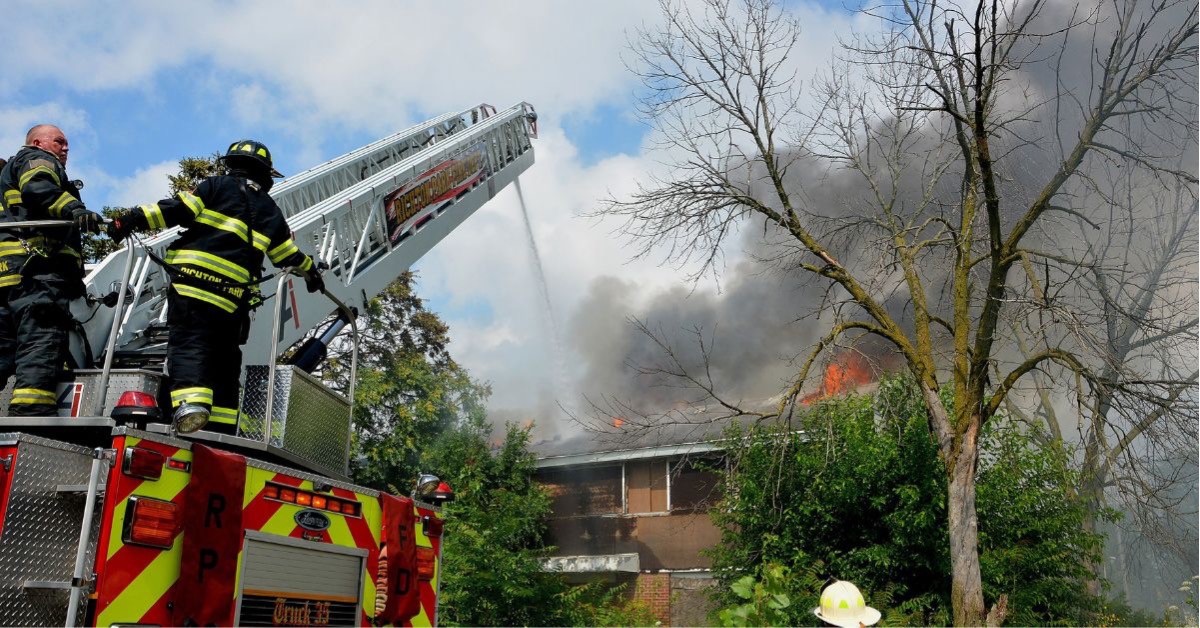 https://www.dfmurphy.com/wp-content/uploads/Fire-Prevention-Month-Helping-Protect-Your-Home-and-Family-from-Fire-Risks.jpg
628
1200
Murphy Insurance
https://dfmurphy.wpenginepowered.com/wp-content/uploads/Murphy-Insurance-Logo-Header.jpg
Murphy Insurance2026-10-01 07:00:502026-09-28 14:35:21Fire Prevention Month: Helping Protect Your Home and Family from Fire Risks
https://www.dfmurphy.com/wp-content/uploads/Fire-Prevention-Month-Helping-Protect-Your-Home-and-Family-from-Fire-Risks.jpg
628
1200
Murphy Insurance
https://dfmurphy.wpenginepowered.com/wp-content/uploads/Murphy-Insurance-Logo-Header.jpg
Murphy Insurance2026-10-01 07:00:502026-09-28 14:35:21Fire Prevention Month: Helping Protect Your Home and Family from Fire Risks https://www.dfmurphy.com/wp-content/uploads/Pest-Prevention-Homeowners-Manual-Blog-Series-SMM.jpg
629
1200
Murphy Insurance
https://dfmurphy.wpenginepowered.com/wp-content/uploads/Murphy-Insurance-Logo-Header.jpg
Murphy Insurance2026-09-10 07:00:102026-09-04 14:01:19Pest Prevention | Homeowner’s Manual Blog Series
https://www.dfmurphy.com/wp-content/uploads/Pest-Prevention-Homeowners-Manual-Blog-Series-SMM.jpg
629
1200
Murphy Insurance
https://dfmurphy.wpenginepowered.com/wp-content/uploads/Murphy-Insurance-Logo-Header.jpg
Murphy Insurance2026-09-10 07:00:102026-09-04 14:01:19Pest Prevention | Homeowner’s Manual Blog Series https://www.dfmurphy.com/wp-content/uploads/Electrical-Safety-Homeowners-Manual-Blog-Series-.jpg
629
1200
Murphy Insurance
https://dfmurphy.wpenginepowered.com/wp-content/uploads/Murphy-Insurance-Logo-Header.jpg
Murphy Insurance2026-08-17 07:00:102026-08-13 11:17:19Electrical Safety | Homeowner’s Manual Blog Series
https://www.dfmurphy.com/wp-content/uploads/Electrical-Safety-Homeowners-Manual-Blog-Series-.jpg
629
1200
Murphy Insurance
https://dfmurphy.wpenginepowered.com/wp-content/uploads/Murphy-Insurance-Logo-Header.jpg
Murphy Insurance2026-08-17 07:00:102026-08-13 11:17:19Electrical Safety | Homeowner’s Manual Blog Series https://www.dfmurphy.com/wp-content/uploads/Home-Inventory-Made-Simple-The-30-Minute-Method-That-Helps-Claims-Go-Faster.jpg
628
1200
Murphy Insurance
https://dfmurphy.wpenginepowered.com/wp-content/uploads/Murphy-Insurance-Logo-Header.jpg
Murphy Insurance2026-08-13 07:00:152026-07-27 12:49:37Home Inventory Made Simple | The 30-Minute Method That Helps Claims Go Faster
https://www.dfmurphy.com/wp-content/uploads/Home-Inventory-Made-Simple-The-30-Minute-Method-That-Helps-Claims-Go-Faster.jpg
628
1200
Murphy Insurance
https://dfmurphy.wpenginepowered.com/wp-content/uploads/Murphy-Insurance-Logo-Header.jpg
Murphy Insurance2026-08-13 07:00:152026-07-27 12:49:37Home Inventory Made Simple | The 30-Minute Method That Helps Claims Go Faster https://www.dfmurphy.com/wp-content/uploads/College-students-1-scaled.jpg
1340
2560
Murphy Insurance
https://dfmurphy.wpenginepowered.com/wp-content/uploads/Murphy-Insurance-Logo-Header.jpg
Murphy Insurance2026-08-03 07:00:232026-05-21 12:46:40Do College Students Need Renters Insurance?
https://www.dfmurphy.com/wp-content/uploads/College-students-1-scaled.jpg
1340
2560
Murphy Insurance
https://dfmurphy.wpenginepowered.com/wp-content/uploads/Murphy-Insurance-Logo-Header.jpg
Murphy Insurance2026-08-03 07:00:232026-05-21 12:46:40Do College Students Need Renters Insurance? https://www.dfmurphy.com/wp-content/uploads/Outdoor-Maintenance-Flipped-HM-Blog-Series.jpg
630
1200
Murphy Insurance
https://dfmurphy.wpenginepowered.com/wp-content/uploads/Murphy-Insurance-Logo-Header.jpg
Murphy Insurance2026-07-09 07:00:502026-08-12 10:34:24Outdoor Maintenance | Homeowner’s Manual Blog Series
https://www.dfmurphy.com/wp-content/uploads/Outdoor-Maintenance-Flipped-HM-Blog-Series.jpg
630
1200
Murphy Insurance
https://dfmurphy.wpenginepowered.com/wp-content/uploads/Murphy-Insurance-Logo-Header.jpg
Murphy Insurance2026-07-09 07:00:502026-08-12 10:34:24Outdoor Maintenance | Homeowner’s Manual Blog Series https://www.dfmurphy.com/wp-content/uploads/What-Counts-as-a-Home-Based-Business-.jpg
629
1200
Murphy Insurance
https://dfmurphy.wpenginepowered.com/wp-content/uploads/Murphy-Insurance-Logo-Header.jpg
Murphy Insurance2026-06-30 07:00:562026-06-26 14:40:30What Counts as a Home-Based Business (and When Your Home Policy Isn’t Enough)
https://www.dfmurphy.com/wp-content/uploads/What-Counts-as-a-Home-Based-Business-.jpg
629
1200
Murphy Insurance
https://dfmurphy.wpenginepowered.com/wp-content/uploads/Murphy-Insurance-Logo-Header.jpg
Murphy Insurance2026-06-30 07:00:562026-06-26 14:40:30What Counts as a Home-Based Business (and When Your Home Policy Isn’t Enough) https://www.dfmurphy.com/wp-content/uploads/What-to-Do-When-Your-Home-Insurance-Company-Requires-Repairs.jpg
629
1200
Murphy Insurance
https://dfmurphy.wpenginepowered.com/wp-content/uploads/Murphy-Insurance-Logo-Header.jpg
Murphy Insurance2026-06-16 07:00:042026-06-11 02:34:53What to Do When Your Home Insurance Company Requires Repairs
https://www.dfmurphy.com/wp-content/uploads/What-to-Do-When-Your-Home-Insurance-Company-Requires-Repairs.jpg
629
1200
Murphy Insurance
https://dfmurphy.wpenginepowered.com/wp-content/uploads/Murphy-Insurance-Logo-Header.jpg
Murphy Insurance2026-06-16 07:00:042026-06-11 02:34:53What to Do When Your Home Insurance Company Requires RepairsVisit Our Homeowners Insurance Page

Life is an ever-changing journey, and it deserves a thoughtful, comprehensive plan to protect the things and people that matter most. Our dedicated team at Murphy Insurance is here to assist you in creating that plan. With a wide range of product options at our disposal, we ensure that your plan is tailored precisely to your requirements. Our commitment to providing clear, intelligent guidance to help you achieve true peace of mind. Learn more about our personal insurance portfolio.

