
As Hurricane Season Approaches, Are You Prepared ?
While New England is not typically directly in the hurricane “strike zone” like the Gulf Coast or the Southeast, that doesn’t mean we’re immune to the dangers of hurricanes and tropical storms. In fact, over the years, we’ve seen that hurricanes can still pack a punch, bringing powerful winds, heavy rain, and flooding.
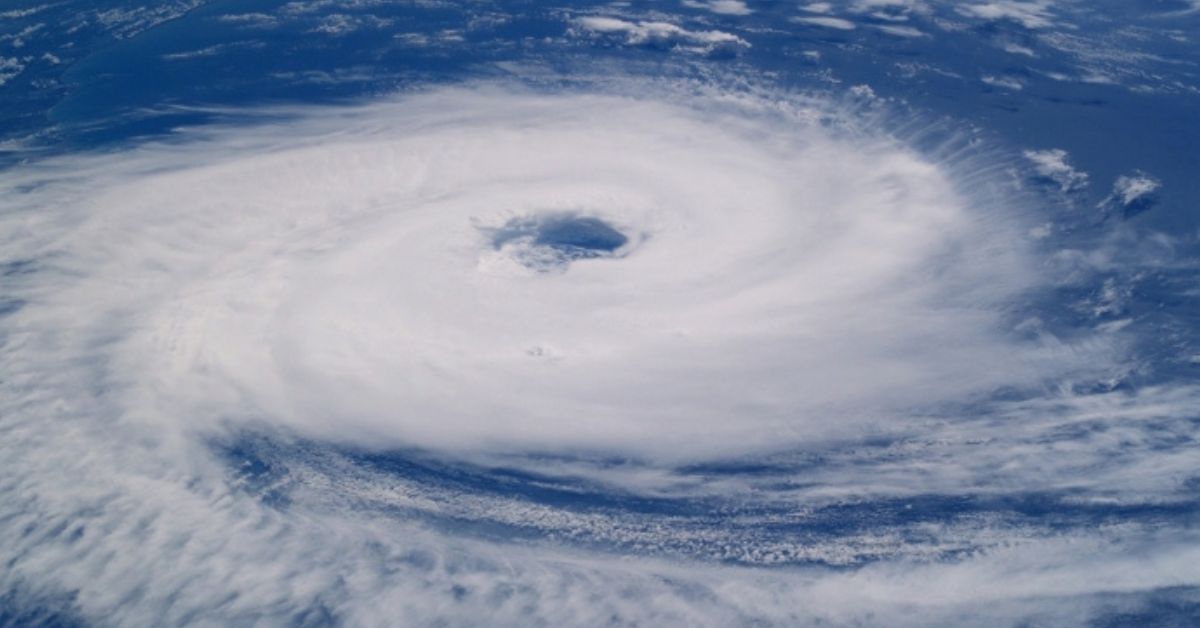
With hurricane season officially starting in June, it’s a good time to review your insurance coverage and make sure you’re prepared for any storm that could head our way. With that in mind, let’s dive into some important considerations as hurricane season approaches.
Understanding Windstorm Deductibles
Homeowners need to be aware if their insurance policy might include a windstorm deductible. This is a special deductible that applies when wind or hail causes damage to your property during a storm. It’s not the same as your regular deductible, and it can be significantly higher, sometimes ranging from 1% to 5% of your home’s insured value. For example, if your home is insured for $400,000 and you have a 2% windstorm deductible, you could be responsible for paying $8,000 before your insurance company covers the rest of the damage.
Is a Windstorm Deductible Part of My Policy?
Especially in New England coastal areas, many standard homeowners insurance policies have a separate windstorm deductible, often activated by hurricanes or named storms, but they may also be on policies for homes away from the coast. Because insurance companies can vary in when they apply a windstorm deductible, it’s important to understand the specifics of your policy and how it works. If you’re unsure, now is the time to review your policy with your agent to see if you need to adjust your coverage or add a windstorm endorsement.
Preparing for Hurricanes in New England
While New England doesn’t face the direct impact of hurricanes as often as the southern states, when a storm does make its way north, it can still cause substantial damage. Hurricane Sandy in 2012 and Hurricane Irene in 2011 are reminders of how severe weather can affect our region, bringing flooding, fallen trees, and power outages that can last for days.
Here are some steps you can take to prepare for the upcoming season:
-
Review and Update Your Insurance Coverage As mentioned earlier, now is the time to check your home insurance policy to ensure you’re covered for wind and flood damage. Take a closer look at your windstorm deductible, and ask about any exclusions that could leave you vulnerable. If you don’t have flood insurance, consider adding it to your policy, as flood damage is not covered under a standard homeowners policy. In fact, even if you don’t live near the coast, New England’s rain and flooding can still put your property at risk.
-
Create an Emergency Plan Hurricanes can bring more than just property damage; they can disrupt transportation, communication, and basic services. Make sure you and your family have an emergency plan in place. This should include evacuation routes, a list of important contacts, and a place to meet if you get separated. Prepare an emergency kit with essentials like non-perishable food, water, medications, and flashlights, and make sure your phone is charged.
-
Trim Trees and Secure Outdoor Items Falling trees are one of the most common sources of damage during storms. If you have large trees near your home, consider having them professionally trimmed before the season starts. Clear out gutters and drainpipes, and make sure your roof is in good condition to withstand heavy rains and strong winds. If there is an impending storm, don’t forget to secure outdoor furniture and other items that could become airborne in high winds.
-
Prepare for Coastal Flooding If you live along the coast or in a flood-prone area, it’s important to understand how your property is at risk. Coastal flooding can occur even without a direct hurricane impact, as storm surges can cause significant damage during heavy storms. Check with your local government to understand floodplain maps, and ensure you have proper flood coverage in place.
-
Know How to Document Damage In the unfortunate event that your home is damaged, having a clear plan for how to document losses can speed up the claims process. It’s wise to have a comprehensive home inventory of all your belongings (photos and videos are ideal) and receipts, if possible, because it makes the process much easier should you have to submit a claim. If you have damage after a storm, take photos before making any repairs, and notify your insurer as soon as possible.
-
Have a Contingency Plan for Power Outages Power outages can last for days in severe storms, so it’s wise to have backup plans in place. Consider investing in a generator to keep essential appliances running, and stock up on supplies such as bottled water, flashlights, and batteries. If you live in an area prone to flooding, it’s a good idea to keep valuables in higher areas of your home to minimize water damage.
-
Stay Informed Make sure you have access to reliable weather updates. Sign up for local alerts, and follow updates from the National Hurricane Center or your local news station. Knowing when a storm is approaching can help you prepare in advance, giving you a better chance of staying safe and minimizing property damage.
Be Proactive, Not Reactive
While hurricanes may not be a frequent threat to New England, they are still a real risk—and one that requires proactive planning. Now is the time to review your insurance coverage, understand any special deductibles that may apply, and take steps to protect your home and family. By being prepared, you can help ensure that you’re not left scrambling when the next big storm heads our way.
If you have any questions about your current insurance policy or need help understanding your windstorm deductible, don’t hesitate to reach out. Our team is here to help you navigate the ins and outs of your coverage and ensure you’re ready for whatever comes this hurricane season.
 https://www.dfmurphy.com/wp-content/uploads/Person-holding-car-keys-scaled.jpg
1340
2560
Murphy Insurance
https://dfmurphy.wpenginepowered.com/wp-content/uploads/Murphy-Insurance-Logo-Header.jpg
Murphy Insurance2026-05-20 07:00:042026-05-21 13:14:40What Is Comprehensive Coverage in Auto Insurance and What Does It Cover?
https://www.dfmurphy.com/wp-content/uploads/Person-holding-car-keys-scaled.jpg
1340
2560
Murphy Insurance
https://dfmurphy.wpenginepowered.com/wp-content/uploads/Murphy-Insurance-Logo-Header.jpg
Murphy Insurance2026-05-20 07:00:042026-05-21 13:14:40What Is Comprehensive Coverage in Auto Insurance and What Does It Cover? https://www.dfmurphy.com/wp-content/uploads/Extension-Cord-1200.jpg
628
1200
Murphy Insurance
https://dfmurphy.wpenginepowered.com/wp-content/uploads/Murphy-Insurance-Logo-Header.jpg
Murphy Insurance2026-05-13 08:00:222026-05-17 12:03:31Stay Wired Into Electrical Safety This May
https://www.dfmurphy.com/wp-content/uploads/Extension-Cord-1200.jpg
628
1200
Murphy Insurance
https://dfmurphy.wpenginepowered.com/wp-content/uploads/Murphy-Insurance-Logo-Header.jpg
Murphy Insurance2026-05-13 08:00:222026-05-17 12:03:31Stay Wired Into Electrical Safety This May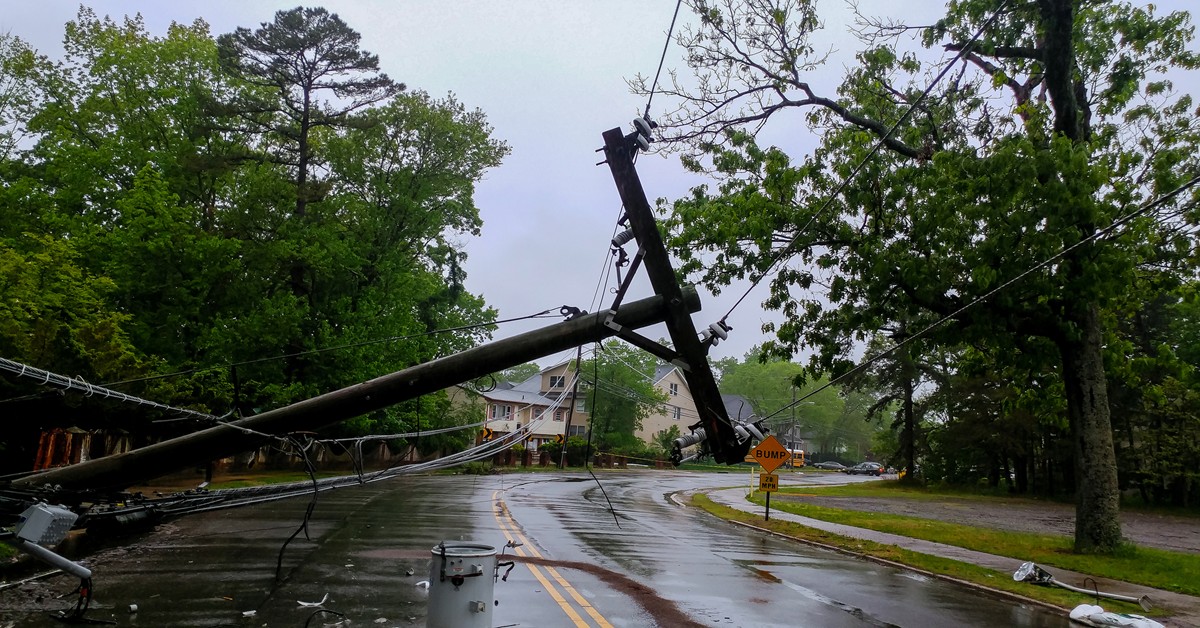 https://www.dfmurphy.com/wp-content/uploads/Hurricane-Season-in-New-England-What-Homeowners-Need-to-Know-to-Stay-Protected.jpg
628
1200
Murphy Insurance
https://dfmurphy.wpenginepowered.com/wp-content/uploads/Murphy-Insurance-Logo-Header.jpg
Murphy Insurance2026-05-07 09:00:162026-05-17 12:04:28Hurricane Season in New England: What Homeowners Need to Know to Stay Protected
https://www.dfmurphy.com/wp-content/uploads/Hurricane-Season-in-New-England-What-Homeowners-Need-to-Know-to-Stay-Protected.jpg
628
1200
Murphy Insurance
https://dfmurphy.wpenginepowered.com/wp-content/uploads/Murphy-Insurance-Logo-Header.jpg
Murphy Insurance2026-05-07 09:00:162026-05-17 12:04:28Hurricane Season in New England: What Homeowners Need to Know to Stay Protected https://www.dfmurphy.com/wp-content/uploads/Motorcyclist-Cord-1200.jpg
628
1200
Murphy Insurance
https://dfmurphy.wpenginepowered.com/wp-content/uploads/Murphy-Insurance-Logo-Header.jpg
Murphy Insurance2026-05-05 13:35:062026-05-17 12:17:25Stay Safe With Motorcycle Safety Awareness Month
https://www.dfmurphy.com/wp-content/uploads/Motorcyclist-Cord-1200.jpg
628
1200
Murphy Insurance
https://dfmurphy.wpenginepowered.com/wp-content/uploads/Murphy-Insurance-Logo-Header.jpg
Murphy Insurance2026-05-05 13:35:062026-05-17 12:17:25Stay Safe With Motorcycle Safety Awareness Month Steering wheel
https://www.dfmurphy.com/wp-content/uploads/Steering-wheel-scaled.jpg
1340
2560
Murphy Insurance
https://dfmurphy.wpenginepowered.com/wp-content/uploads/Murphy-Insurance-Logo-Header.jpg
Murphy Insurance2026-04-29 09:00:382026-05-17 12:17:39What Should You Do After a Car Accident to Help Your Insurance Claim?
Steering wheel
https://www.dfmurphy.com/wp-content/uploads/Steering-wheel-scaled.jpg
1340
2560
Murphy Insurance
https://dfmurphy.wpenginepowered.com/wp-content/uploads/Murphy-Insurance-Logo-Header.jpg
Murphy Insurance2026-04-29 09:00:382026-05-17 12:17:39What Should You Do After a Car Accident to Help Your Insurance Claim? https://www.dfmurphy.com/wp-content/uploads/Murphy-Insurance-Proudly-Sponsors-the-Groton-Road-Race.jpg
628
1200
Murphy Insurance
https://dfmurphy.wpenginepowered.com/wp-content/uploads/Murphy-Insurance-Logo-Header.jpg
Murphy Insurance2026-04-23 13:21:552026-04-24 12:41:15Murphy Insurance Proudly Sponsors the Groton Road Race
https://www.dfmurphy.com/wp-content/uploads/Murphy-Insurance-Proudly-Sponsors-the-Groton-Road-Race.jpg
628
1200
Murphy Insurance
https://dfmurphy.wpenginepowered.com/wp-content/uploads/Murphy-Insurance-Logo-Header.jpg
Murphy Insurance2026-04-23 13:21:552026-04-24 12:41:15Murphy Insurance Proudly Sponsors the Groton Road Race https://www.dfmurphy.com/wp-content/uploads/Untitled-design-445.jpg
628
1200
Murphy Insurance
https://dfmurphy.wpenginepowered.com/wp-content/uploads/Murphy-Insurance-Logo-Header.jpg
Murphy Insurance2026-04-22 09:00:222026-05-17 12:17:58Plumbing & Water Damage Prevention | Homeowner’s Manual Blog Series
https://www.dfmurphy.com/wp-content/uploads/Untitled-design-445.jpg
628
1200
Murphy Insurance
https://dfmurphy.wpenginepowered.com/wp-content/uploads/Murphy-Insurance-Logo-Header.jpg
Murphy Insurance2026-04-22 09:00:222026-05-17 12:17:58Plumbing & Water Damage Prevention | Homeowner’s Manual Blog Series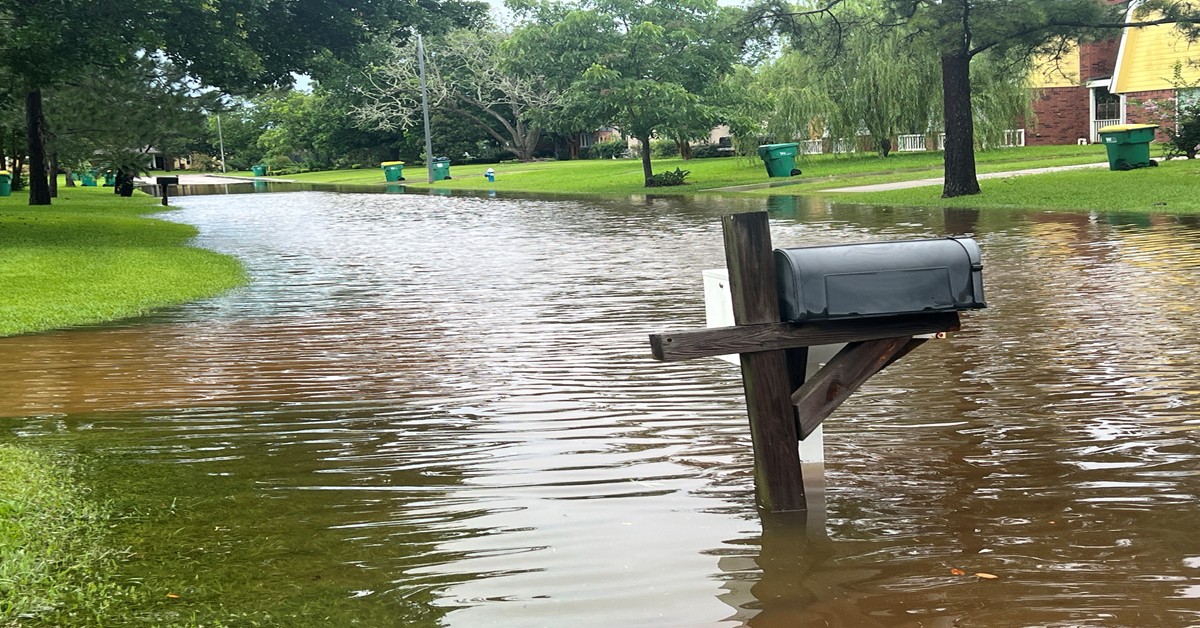 https://www.dfmurphy.com/wp-content/uploads/Why-Flood-Insurance-Matters.jpg
628
1200
Murphy Insurance
https://dfmurphy.wpenginepowered.com/wp-content/uploads/Murphy-Insurance-Logo-Header.jpg
Murphy Insurance2026-04-20 10:40:392026-05-17 12:18:07Why Flood Insurance Matters
https://www.dfmurphy.com/wp-content/uploads/Why-Flood-Insurance-Matters.jpg
628
1200
Murphy Insurance
https://dfmurphy.wpenginepowered.com/wp-content/uploads/Murphy-Insurance-Logo-Header.jpg
Murphy Insurance2026-04-20 10:40:392026-05-17 12:18:07Why Flood Insurance Matters https://www.dfmurphy.com/wp-content/uploads/Massachusetts-Boaters-A-New-Safety-Requirement-You-Need-to-Know-Before-Summer.jpg
628
1200
Murphy Insurance
https://dfmurphy.wpenginepowered.com/wp-content/uploads/Murphy-Insurance-Logo-Header.jpg
Murphy Insurance2026-04-17 14:51:132026-04-17 14:56:57Massachusetts Boaters: A New Safety Requirement You Need to Know Before Summer
https://www.dfmurphy.com/wp-content/uploads/Massachusetts-Boaters-A-New-Safety-Requirement-You-Need-to-Know-Before-Summer.jpg
628
1200
Murphy Insurance
https://dfmurphy.wpenginepowered.com/wp-content/uploads/Murphy-Insurance-Logo-Header.jpg
Murphy Insurance2026-04-17 14:51:132026-04-17 14:56:57Massachusetts Boaters: A New Safety Requirement You Need to Know Before SummerVisit Our Homeowners Insurance Page

Life is an ever-changing journey, and it deserves a thoughtful, comprehensive plan to protect the things and people that matter most. Our dedicated team at Murphy Insurance is here to assist you in creating that plan. With a wide range of product options at our disposal, we ensure that your plan is tailored precisely to your requirements. Our commitment to providing clear, intelligent guidance to help you achieve true peace of mind. Learn more about our personal insurance portfolio.

