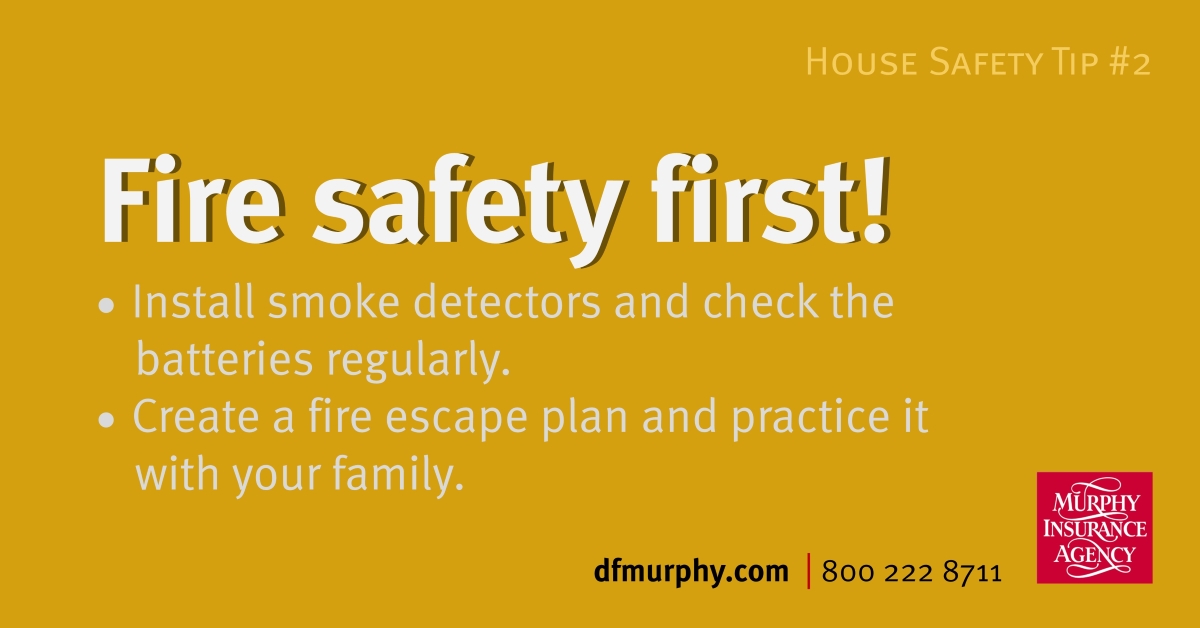
Make sure to:
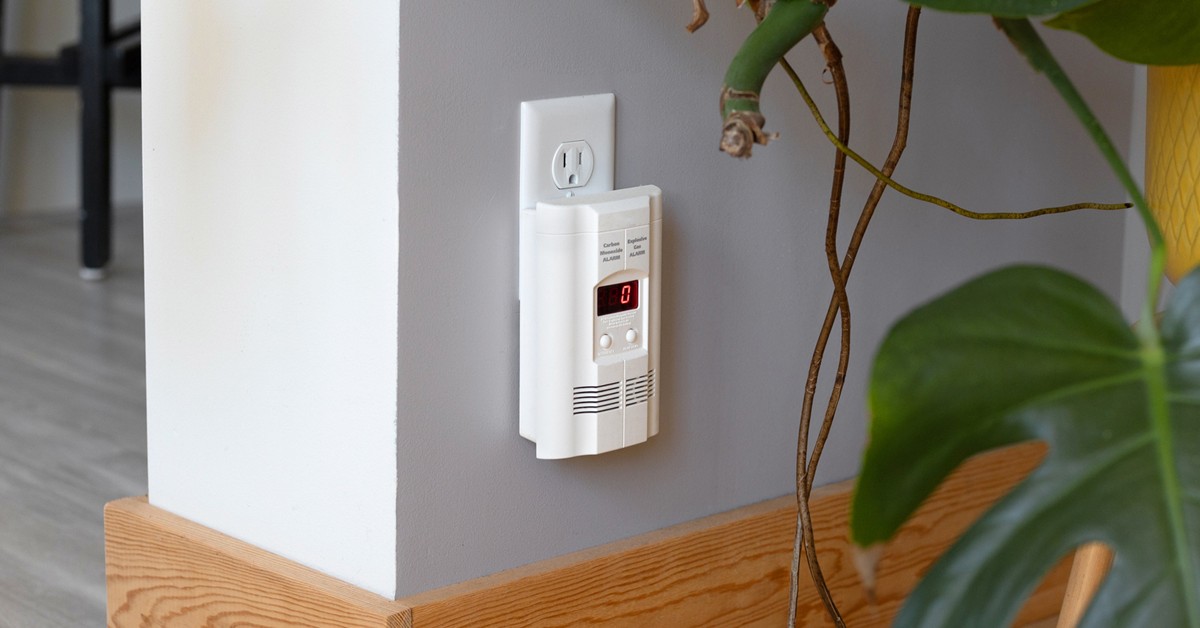
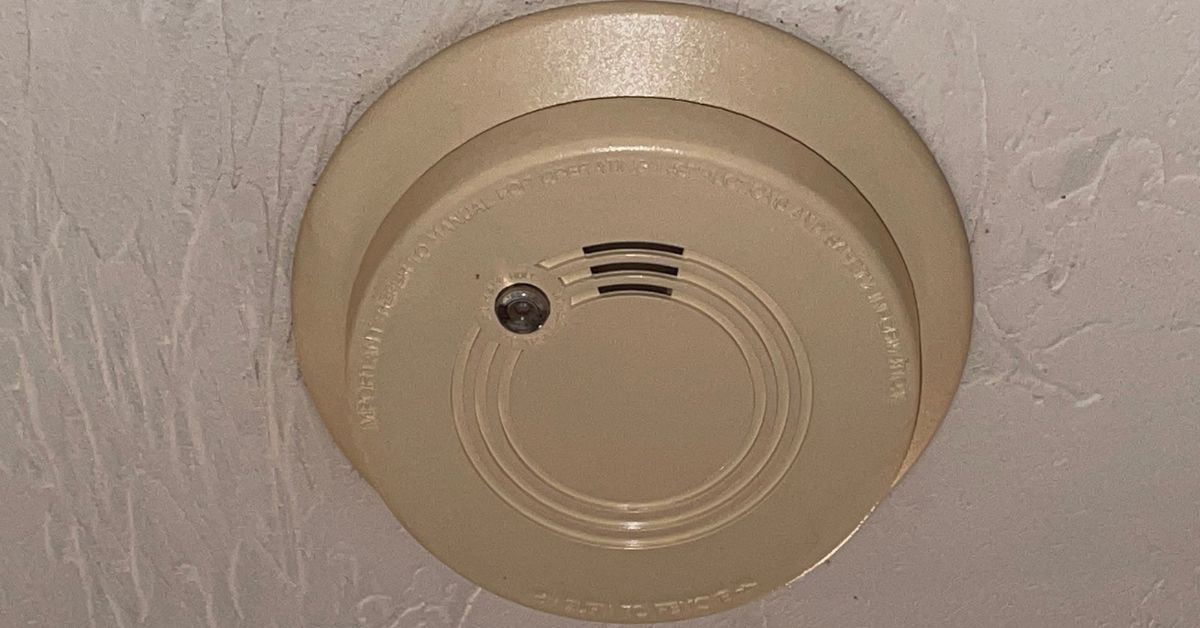
- Install smoke detectors on every level of your home, especially near bedrooms. Check your local fire safety guidelines for any additional placement requirements.
- Test them once a month to ensure they’re functioning
- Change the batteries at least once a year, or when you hear a low-battery chirp
- Replace the entire unit every 10 years as recommended by safety guidelines
Taking a few minutes to check your detectors can help prevent devastating outcomes.
Plan Your Way Out
In the event of a fire, confusion and panic can be just as dangerous as the flames. That’s why it’s critical to have a clear, practiced fire escape plan. Everyone in your household should know what to do and where to go. Create a strong plan by:
- Mapping out two exits from every room, if possible
- Designating a safe meeting spot outside the home
- Making sure all windows and doors open easily
- Practicing the escape plan twice a year, including at night
- Teaching children how to stay low and avoid smoke
Repetition builds confidence, especially for younger family members, and ensures that everyone reacts quickly and calmly in an emergency.
Prevention Means Protection
Fire damage can lead to major repairs, costly insurance claims, and, most importantly, the loss of priceless belongings or lives. Preventive steps like checking detectors and practicing your plan reduce risks and help ensure your home is properly protected—physically and financially.
Fire safety isn’t a one-time checklist. It’s a habit. Make it part of your routine and keep your household ready for whatever comes.