For many people, their home is their most significant asset, so it is crucial to avoid being underinsured. To protect their investment from disasters, homeowners should update their insurance regularly to include improvements, major purchases, and increased rebuilding costs.
In recent years, construction prices have risen significantly. Furthermore, materials and labor may become scarce after a disaster, driving repair and rebuilding costs up even further.
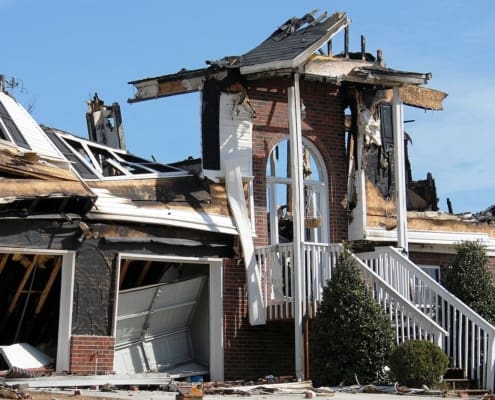
To adequately insure your home, it is essential to ask your insurance agent or company representative four key questions:
1. Do I have enough insurance to rebuild my home?
Your policy must cover the cost of rebuilding your home at current construction costs. Unfortunately, some homeowners purchase just enough insurance protection to satisfy their mortgage lender. Others need clarification on the real estate value of their home and what it would cost to rebuild it. You should have enough insurance to rebuild your home if it is destroyed. Be sure to consider the following:
- Replacement Cost Most policies cover replacement costs for damage to the structure. A replacement cost policy pays for repairing or replacing damaged property with materials of similar kind and quality.
- Extended Replacement Cost: This type of policy provides additional insurance coverage of 20 percent or more over the limits in your policy, which can be critical if a widespread disaster pushes up the cost of building materials and labor.
- Inflation Guard This coverage automatically adjusts the rebuilding costs of your home to reflect changes in construction costs. Find out if your policy includes this coverage or if you must purchase it separately.
- Ordinance or Law coverage: If your home is badly damaged, you may be required to rebuild it to meet new (often stricter) building codes. Ordinance or law coverage pays a specific amount toward these costs.
- Water Back-Up: This coverage ensures your property is protected from damage from sewer or drain back-up. Most insurers offer it as an add-on to a standard policy.
- Flood Insurance Standard home insurance policies cover disasters like fire, lightning, and hurricanes. They do not include flood coverage (including storm flooding). Flood insurance is available through the federal government’s National Flood Insurance Program (www.floodsmart.gov) but can be purchased from the same agent or company representative who provides your home or renters insurance. Make sure to buy flood insurance for the structure of your house and the contents. Excess Flood Protection, which offers higher coverage limits than the NFIP in the event of catastrophic loss by flooding, is available from some insurers. Remember that there is a 30-day waiting period before the insurance is valid.
2. Do I have enough insurance to replace all of my possessions?
Most homeowners insurance policies provide coverage for your possessions for approximately 50 percent to 70 percent of the amount of insurance you have on the structure of your home. So, if you have $100,000 worth of coverage on the structure of your home, you would be covered for $50,000 to $70,000 worth of the contents of your home, depending on the policy.
The best way to determine if this is enough coverage is to conduct a home inventory, which details everything you own and the estimated cost to replace these items if they are stolen or destroyed by a disaster. To help with this task, you can use the National Association of Insurance Commissioners Home Inventory App. Remember to keep your home inventory safe and take it with you if you need to evacuate your home during a disaster.
You can insure your possessions in two ways: by their actual cash value or their replacement cost. Review which coverage is best for your situation with your agent or company representative.
- Cash Value Policy This coverage pays the cost of replacing your belongings minus depreciation.
- Replacement Cost Policy This coverage reimburses you for the current cost of replacing your belongings.
To illustrate the difference between the two policies, suppose, for example, a fire destroys a 10-year-old television set in your living room. If you have a replacement cost policy for the contents of your home, the insurance company will pay to replace the TV with a comparable new one. If you have an actual cash value policy, it will pay only a tiny percentage of the cost of a new TV set because the old TV has been used for ten years and is now worth a lot less than its original cost. Some replacement cost policies specify that the insurance company purchases the new item as they can buy at a bulk or special rate. The price of replacement cost coverage is about 10 percent more than the actual cash value.
3. Do I have enough coverage for additional living expenses?
Coverage for additional living expenses pays the extra costs of temporarily living away from your home if you can’t live in it due to an insured disaster such as a hurricane. It covers hotel bills, restaurant meals, transportation, and other living expenses incurred while your home is inaccessible or being rebuilt. It is important to note that it covers only those over and above your regular living expenses, so it would not cover your mortgage or regular trips to the grocery store. If you rent out part of your house, this coverage also reimburses you for the rent you would have collected from your tenant if your home had not been destroyed.
Coverage for additional living expenses differs from company to company. Many policies cover about 20 percent of the insurance on your house. Some companies will sell you a policy that provides unlimited loss-of-use coverage for a limited time.
Ensure you know exactly how much coverage you have for additional living expenses and whether there is a time limit. If the standard coverage is inadequate, it can be increased for an extra premium.
4. Do I have enough insurance to protect my assets?
Although not a key element in disaster planning, it is also essential to have adequate liability protection. This covers you against lawsuits for bodily injury or property damage that you or your family members may cause to other people. It also pays for damage caused by pets. Liability insurance pays for both the cost of defending you in court and any damages a court rules you must pay—up to the limits of your policy. Most homeowners insurance policies provide a minimum of $100,000 worth of liability insurance, but higher amounts are available.
It is important to purchase enough liability insurance to protect your assets. Suppose more than the standard liability coverage in your homeowners policy is required. In that case, you may need an excess liability, or umbrella, policy, which provides additional coverage over and above what is covered in your home (and auto) insurance policy.
If you suffer damage from a disaster, contact your insurance agent immediately and begin the claims filing process. Also, if you need FEMA’s assistance, here are their Frequently Asked Questions about FEMA Disaster Assistance.
Source: Insurance Information Institute
 https://www.dfmurphy.com/wp-content/uploads/Foundation-Structural-Integrity-HM-Blog-Series-SMM-.jpg
629
1200
Murphy Insurance
https://dfmurphy.wpenginepowered.com/wp-content/uploads/Murphy-Insurance-Logo-Header.jpg
Murphy Insurance2026-10-08 07:00:392026-09-29 12:31:28Foundation & Structural Integrity | Homeowner’s Manual Blog Series
https://www.dfmurphy.com/wp-content/uploads/Foundation-Structural-Integrity-HM-Blog-Series-SMM-.jpg
629
1200
Murphy Insurance
https://dfmurphy.wpenginepowered.com/wp-content/uploads/Murphy-Insurance-Logo-Header.jpg
Murphy Insurance2026-10-08 07:00:392026-09-29 12:31:28Foundation & Structural Integrity | Homeowner’s Manual Blog Series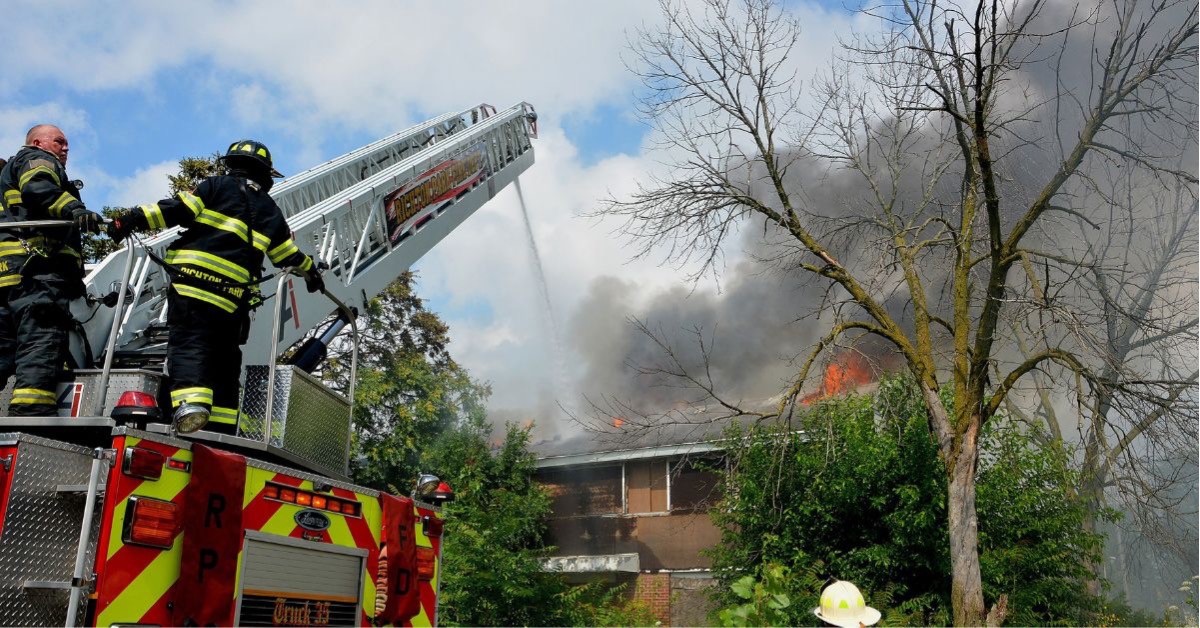 https://www.dfmurphy.com/wp-content/uploads/Fire-Prevention-Month-Helping-Protect-Your-Home-and-Family-from-Fire-Risks.jpg
628
1200
Murphy Insurance
https://dfmurphy.wpenginepowered.com/wp-content/uploads/Murphy-Insurance-Logo-Header.jpg
Murphy Insurance2026-10-01 07:00:502026-09-28 14:35:21Fire Prevention Month: Helping Protect Your Home and Family from Fire Risks
https://www.dfmurphy.com/wp-content/uploads/Fire-Prevention-Month-Helping-Protect-Your-Home-and-Family-from-Fire-Risks.jpg
628
1200
Murphy Insurance
https://dfmurphy.wpenginepowered.com/wp-content/uploads/Murphy-Insurance-Logo-Header.jpg
Murphy Insurance2026-10-01 07:00:502026-09-28 14:35:21Fire Prevention Month: Helping Protect Your Home and Family from Fire Risks https://www.dfmurphy.com/wp-content/uploads/Understanding-Safety-and-Responsibility-at-the-Playground-2.jpg
628
1200
Wayne Texeira
https://dfmurphy.wpenginepowered.com/wp-content/uploads/Murphy-Insurance-Logo-Header.jpg
Wayne Texeira2026-09-28 07:00:242026-09-28 12:45:02Understanding Safety and Responsibility at the Playground
https://www.dfmurphy.com/wp-content/uploads/Understanding-Safety-and-Responsibility-at-the-Playground-2.jpg
628
1200
Wayne Texeira
https://dfmurphy.wpenginepowered.com/wp-content/uploads/Murphy-Insurance-Logo-Header.jpg
Wayne Texeira2026-09-28 07:00:242026-09-28 12:45:02Understanding Safety and Responsibility at the Playground https://www.dfmurphy.com/wp-content/uploads/Untitled-design-60.jpg
628
1200
Murphy Insurance
https://dfmurphy.wpenginepowered.com/wp-content/uploads/Murphy-Insurance-Logo-Header.jpg
Murphy Insurance2026-09-24 07:00:582026-09-29 13:02:49How to Stop Receiving Mail Addressed to a Deceased Person
https://www.dfmurphy.com/wp-content/uploads/Untitled-design-60.jpg
628
1200
Murphy Insurance
https://dfmurphy.wpenginepowered.com/wp-content/uploads/Murphy-Insurance-Logo-Header.jpg
Murphy Insurance2026-09-24 07:00:582026-09-29 13:02:49How to Stop Receiving Mail Addressed to a Deceased Person https://www.dfmurphy.com/wp-content/uploads/Understanding-and-Preventing-Digital-Eye-Strain-1.jpg
628
1200
Wayne Texeira
https://dfmurphy.wpenginepowered.com/wp-content/uploads/Murphy-Insurance-Logo-Header.jpg
Wayne Texeira2026-09-21 11:30:102026-09-21 14:14:35Understanding and Preventing Digital Eye Strain
https://www.dfmurphy.com/wp-content/uploads/Understanding-and-Preventing-Digital-Eye-Strain-1.jpg
628
1200
Wayne Texeira
https://dfmurphy.wpenginepowered.com/wp-content/uploads/Murphy-Insurance-Logo-Header.jpg
Wayne Texeira2026-09-21 11:30:102026-09-21 14:14:35Understanding and Preventing Digital Eye Strain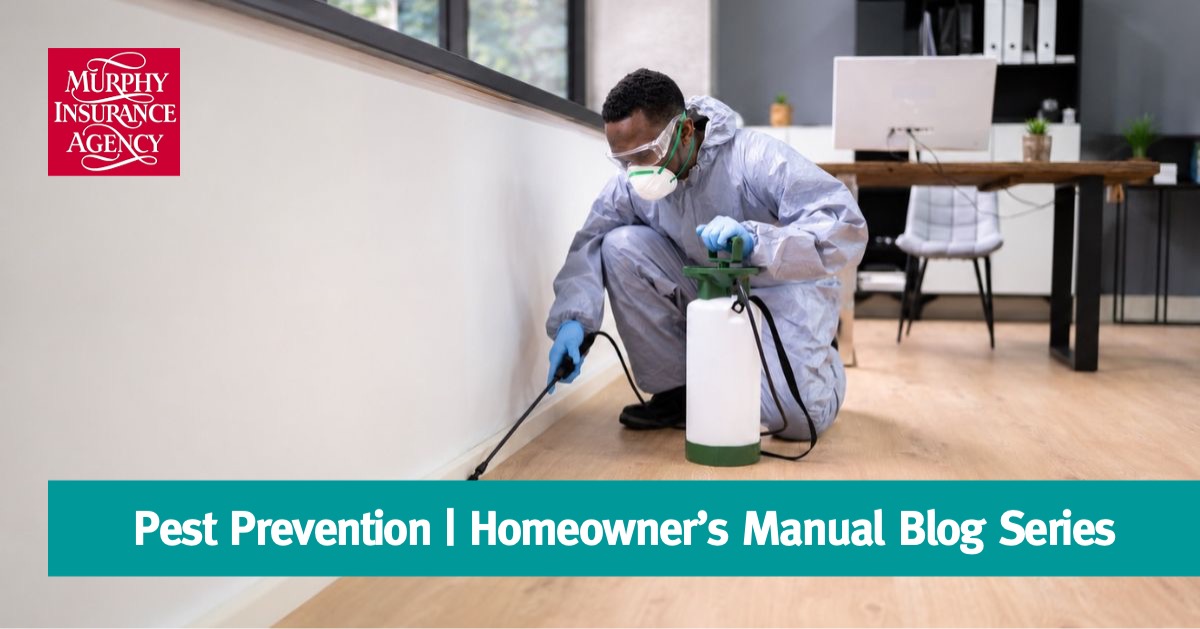 https://www.dfmurphy.com/wp-content/uploads/Pest-Prevention-Homeowners-Manual-Blog-Series-SMM.jpg
629
1200
Murphy Insurance
https://dfmurphy.wpenginepowered.com/wp-content/uploads/Murphy-Insurance-Logo-Header.jpg
Murphy Insurance2026-09-10 07:00:102026-09-04 14:01:19Pest Prevention | Homeowner’s Manual Blog Series
https://www.dfmurphy.com/wp-content/uploads/Pest-Prevention-Homeowners-Manual-Blog-Series-SMM.jpg
629
1200
Murphy Insurance
https://dfmurphy.wpenginepowered.com/wp-content/uploads/Murphy-Insurance-Logo-Header.jpg
Murphy Insurance2026-09-10 07:00:102026-09-04 14:01:19Pest Prevention | Homeowner’s Manual Blog Series https://www.dfmurphy.com/wp-content/uploads/Evan-Macedo-1200-x-628-.jpg
628
1200
Wayne Texeira
https://dfmurphy.wpenginepowered.com/wp-content/uploads/Murphy-Insurance-Logo-Header.jpg
Wayne Texeira2026-09-09 11:19:362026-09-10 15:39:23Murphy Insurance Welcomes Evan Macedo to Our Leadership Team
https://www.dfmurphy.com/wp-content/uploads/Evan-Macedo-1200-x-628-.jpg
628
1200
Wayne Texeira
https://dfmurphy.wpenginepowered.com/wp-content/uploads/Murphy-Insurance-Logo-Header.jpg
Wayne Texeira2026-09-09 11:19:362026-09-10 15:39:23Murphy Insurance Welcomes Evan Macedo to Our Leadership Team https://www.dfmurphy.com/wp-content/uploads/Should-You-Put-Your-Teen-on-Your-Car-Policy-or-Get-Them-Their-Own-.jpg
628
1200
Murphy Insurance
https://dfmurphy.wpenginepowered.com/wp-content/uploads/Murphy-Insurance-Logo-Header.jpg
Murphy Insurance2026-08-25 07:00:452026-08-24 13:16:18Should You Put Your Teen on Your Car Policy or Get Them Their Own?
https://www.dfmurphy.com/wp-content/uploads/Should-You-Put-Your-Teen-on-Your-Car-Policy-or-Get-Them-Their-Own-.jpg
628
1200
Murphy Insurance
https://dfmurphy.wpenginepowered.com/wp-content/uploads/Murphy-Insurance-Logo-Header.jpg
Murphy Insurance2026-08-25 07:00:452026-08-24 13:16:18Should You Put Your Teen on Your Car Policy or Get Them Their Own? https://www.dfmurphy.com/wp-content/uploads/Electrical-Safety-Homeowners-Manual-Blog-Series-.jpg
629
1200
Murphy Insurance
https://dfmurphy.wpenginepowered.com/wp-content/uploads/Murphy-Insurance-Logo-Header.jpg
Murphy Insurance2026-08-17 07:00:102026-08-13 11:17:19Electrical Safety | Homeowner’s Manual Blog Series
https://www.dfmurphy.com/wp-content/uploads/Electrical-Safety-Homeowners-Manual-Blog-Series-.jpg
629
1200
Murphy Insurance
https://dfmurphy.wpenginepowered.com/wp-content/uploads/Murphy-Insurance-Logo-Header.jpg
Murphy Insurance2026-08-17 07:00:102026-08-13 11:17:19Electrical Safety | Homeowner’s Manual Blog Series