
Molds are organisms that break down animal matter and dead plants. Though most molds grow outdoors, they can travel inside through open windows and doors, air conditioning systems, and on pets, clothing and shoes. Once inside your home, mold needs a moist food source, such as lint, ceiling tiles, wood, wallboard, etc.
Mold not only damages your property, but it can also cause serious health complications after long-term exposure. With this in mind, try these prevention tips to keep mold out of your home.

Clean up any water damage or flooding thoroughly and immediately.
- Use a dehumidifier and a wet/dry vacuum to remove water quickly.
- Remove carpeting that cannot be dried out within 48 hours. If your carpet was contaminated by sewer water or a flood, it needs to be replaced.
- Repair basement cracks so that moisture cannot seep in.
- Add mold inhibitors to paint.
- Use a dehumidifier and/or air conditioner to reduce indoor moisture, especially during humid months of the year.
- Empty the drip pans in your air conditioner, refrigerator, and dehumidifier regularly to prevent water buildup.
- Run the exhaust fan for 20 minutes before and after showering, or consider using a humidistat-controlled fan that turns off when the moisture is ventilated from the area.
- Fix plumbing leaks immediately. Mold will begin to grow within 24 to 48 hours after a leak.
The Complications of Mold Exposure
A mold problem can cause serious health effects—especially for young children, the elderly, those who suffer from allergies or asthma and those with prior respiratory conditions. Symptoms of mold sensitivity include eye irritation, nasal stuffiness, shortness of breath, wheezing, and lung infections (in rare cases).
If you or a family member is experiencing some of these symptoms, consult a physician for a proper evaluation and diagnosis.
Home Insurance & Mold Coverage
Home insurance policies provides coverage for mold damage; however, it does not cover every instance of mold damage. Coverage depends on the cause of loss and circumstances that resulted in the mold. When coverage does apply, standard home policies typically provide coverage, under the Limited Fungi, Wet or Dry Rot, or Bacteria Coverage endorsement (see sample), of up to $10,000 for property damage and $50,000 for liability, if someone other than a household member becomes sick because of the mold. However, the challenge is that mold can grow in places where you can’t immediately identify it, which can quickly cause the cost of remediation and repairs to exceed the basic limits. We recommend purchasing expanded coverage of up to $50,000 for property damage and $100,000 for liability, which is generally available from most carriers if you are eligible.
 https://www.dfmurphy.com/wp-content/uploads/Personal-Insurance-Updates.jpg
628
1200
Wayne Texeira
https://dfmurphy.wpenginepowered.com/wp-content/uploads/Murphy-Insurance-Logo-Header.jpg
Wayne Texeira2026-10-20 14:12:092026-10-20 16:06:15Insurance Reminders: Don’t Forget These Updates
https://www.dfmurphy.com/wp-content/uploads/Personal-Insurance-Updates.jpg
628
1200
Wayne Texeira
https://dfmurphy.wpenginepowered.com/wp-content/uploads/Murphy-Insurance-Logo-Header.jpg
Wayne Texeira2026-10-20 14:12:092026-10-20 16:06:15Insurance Reminders: Don’t Forget These Updates https://www.dfmurphy.com/wp-content/uploads/Foundation-Structural-Integrity-Homeowners-Manual-Blog-Series-Blank.jpg
629
1200
Murphy Insurance
https://dfmurphy.wpenginepowered.com/wp-content/uploads/Murphy-Insurance-Logo-Header.jpg
Murphy Insurance2026-10-08 07:00:392026-10-15 14:33:14Foundation & Structural Integrity | Homeowner’s Manual Blog Series
https://www.dfmurphy.com/wp-content/uploads/Foundation-Structural-Integrity-Homeowners-Manual-Blog-Series-Blank.jpg
629
1200
Murphy Insurance
https://dfmurphy.wpenginepowered.com/wp-content/uploads/Murphy-Insurance-Logo-Header.jpg
Murphy Insurance2026-10-08 07:00:392026-10-15 14:33:14Foundation & Structural Integrity | Homeowner’s Manual Blog Series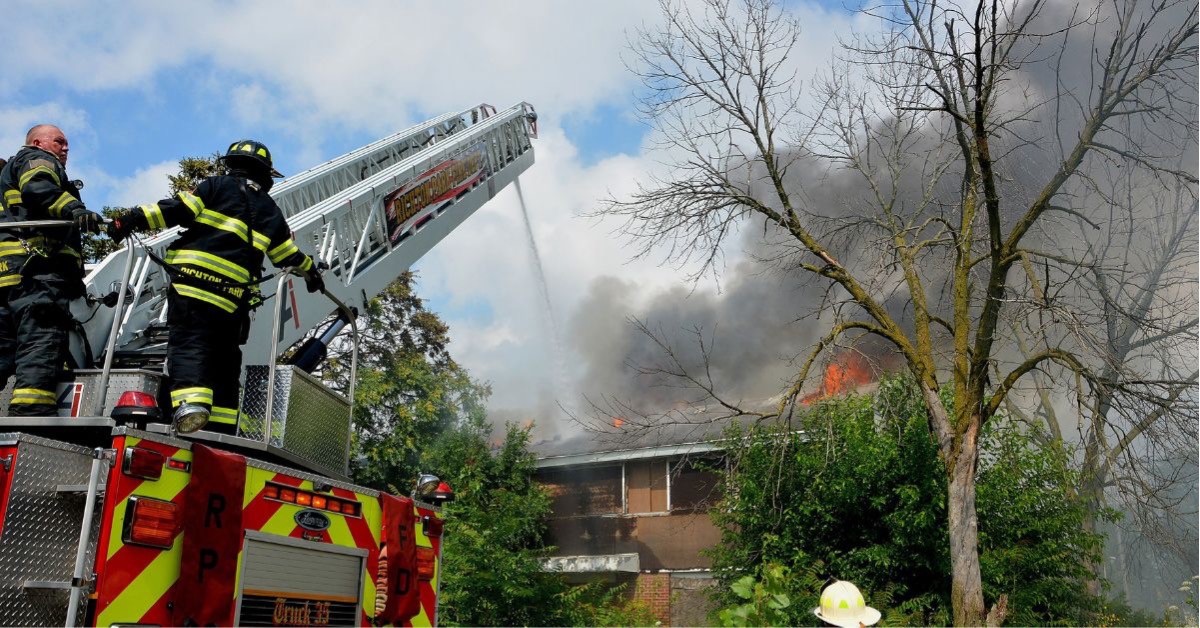 https://www.dfmurphy.com/wp-content/uploads/Fire-Prevention-Month-Helping-Protect-Your-Home-and-Family-from-Fire-Risks.jpg
628
1200
Murphy Insurance
https://dfmurphy.wpenginepowered.com/wp-content/uploads/Murphy-Insurance-Logo-Header.jpg
Murphy Insurance2026-10-01 07:00:502026-09-28 14:35:21Fire Prevention Month: Helping Protect Your Home and Family from Fire Risks
https://www.dfmurphy.com/wp-content/uploads/Fire-Prevention-Month-Helping-Protect-Your-Home-and-Family-from-Fire-Risks.jpg
628
1200
Murphy Insurance
https://dfmurphy.wpenginepowered.com/wp-content/uploads/Murphy-Insurance-Logo-Header.jpg
Murphy Insurance2026-10-01 07:00:502026-09-28 14:35:21Fire Prevention Month: Helping Protect Your Home and Family from Fire Risks https://www.dfmurphy.com/wp-content/uploads/Understanding-Safety-and-Responsibility-at-the-Playground-2.jpg
628
1200
Wayne Texeira
https://dfmurphy.wpenginepowered.com/wp-content/uploads/Murphy-Insurance-Logo-Header.jpg
Wayne Texeira2026-09-28 07:00:242026-09-28 12:45:02Understanding Safety and Responsibility at the Playground
https://www.dfmurphy.com/wp-content/uploads/Understanding-Safety-and-Responsibility-at-the-Playground-2.jpg
628
1200
Wayne Texeira
https://dfmurphy.wpenginepowered.com/wp-content/uploads/Murphy-Insurance-Logo-Header.jpg
Wayne Texeira2026-09-28 07:00:242026-09-28 12:45:02Understanding Safety and Responsibility at the Playground https://www.dfmurphy.com/wp-content/uploads/Untitled-design-60.jpg
628
1200
Murphy Insurance
https://dfmurphy.wpenginepowered.com/wp-content/uploads/Murphy-Insurance-Logo-Header.jpg
Murphy Insurance2026-09-24 07:00:582026-10-15 15:16:10How to Stop Receiving Mail Addressed to a Deceased Person
https://www.dfmurphy.com/wp-content/uploads/Untitled-design-60.jpg
628
1200
Murphy Insurance
https://dfmurphy.wpenginepowered.com/wp-content/uploads/Murphy-Insurance-Logo-Header.jpg
Murphy Insurance2026-09-24 07:00:582026-10-15 15:16:10How to Stop Receiving Mail Addressed to a Deceased Person https://www.dfmurphy.com/wp-content/uploads/Understanding-and-Preventing-Digital-Eye-Strain-1.jpg
628
1200
Wayne Texeira
https://dfmurphy.wpenginepowered.com/wp-content/uploads/Murphy-Insurance-Logo-Header.jpg
Wayne Texeira2026-09-21 11:30:102026-09-21 14:14:35Understanding and Preventing Digital Eye Strain
https://www.dfmurphy.com/wp-content/uploads/Understanding-and-Preventing-Digital-Eye-Strain-1.jpg
628
1200
Wayne Texeira
https://dfmurphy.wpenginepowered.com/wp-content/uploads/Murphy-Insurance-Logo-Header.jpg
Wayne Texeira2026-09-21 11:30:102026-09-21 14:14:35Understanding and Preventing Digital Eye Strain https://www.dfmurphy.com/wp-content/uploads/Pest-Prevention-Homeowners-Manual-BLANK.jpg
629
1200
Murphy Insurance
https://dfmurphy.wpenginepowered.com/wp-content/uploads/Murphy-Insurance-Logo-Header.jpg
Murphy Insurance2026-09-10 07:00:102026-10-20 15:55:35Pest Prevention | Homeowner’s Manual Blog Series
https://www.dfmurphy.com/wp-content/uploads/Pest-Prevention-Homeowners-Manual-BLANK.jpg
629
1200
Murphy Insurance
https://dfmurphy.wpenginepowered.com/wp-content/uploads/Murphy-Insurance-Logo-Header.jpg
Murphy Insurance2026-09-10 07:00:102026-10-20 15:55:35Pest Prevention | Homeowner’s Manual Blog Series https://www.dfmurphy.com/wp-content/uploads/Evan-Macedo-1200-x-628-.jpg
628
1200
Wayne Texeira
https://dfmurphy.wpenginepowered.com/wp-content/uploads/Murphy-Insurance-Logo-Header.jpg
Wayne Texeira2026-09-09 11:19:362026-09-10 15:39:23Murphy Insurance Welcomes Evan Macedo to Our Leadership Team
https://www.dfmurphy.com/wp-content/uploads/Evan-Macedo-1200-x-628-.jpg
628
1200
Wayne Texeira
https://dfmurphy.wpenginepowered.com/wp-content/uploads/Murphy-Insurance-Logo-Header.jpg
Wayne Texeira2026-09-09 11:19:362026-09-10 15:39:23Murphy Insurance Welcomes Evan Macedo to Our Leadership Team https://www.dfmurphy.com/wp-content/uploads/Should-You-Put-Your-Teen-on-Your-Car-Policy-or-Get-Them-Their-Own-.jpg
628
1200
Murphy Insurance
https://dfmurphy.wpenginepowered.com/wp-content/uploads/Murphy-Insurance-Logo-Header.jpg
Murphy Insurance2026-08-25 07:00:452026-08-24 13:16:18Should You Put Your Teen on Your Car Policy or Get Them Their Own?
https://www.dfmurphy.com/wp-content/uploads/Should-You-Put-Your-Teen-on-Your-Car-Policy-or-Get-Them-Their-Own-.jpg
628
1200
Murphy Insurance
https://dfmurphy.wpenginepowered.com/wp-content/uploads/Murphy-Insurance-Logo-Header.jpg
Murphy Insurance2026-08-25 07:00:452026-08-24 13:16:18Should You Put Your Teen on Your Car Policy or Get Them Their Own?Visit Our Homeowners Insurance Page

At Murphy Insurance, we take great care in assessing your options for homeowners insurance to ensure that you receive the most favorable value. Our dedication to serving you entails collaborating with highly-rated insurance providers and conducting comprehensive assessments of available choices. Our goal is to achieve the ideal equilibrium between affordability and coverage that suits your unique needs. Please let us provide you with a customized homeowners insurance quote.

