
Being a defensive driver entails utilizing various road skills to defend yourself against potential accident hazards. Using proper defensive driving techniques will help keep both you and other drivers safe on the road. With this in mind, be sure to implement the following defensive driving guidance the next time you get behind the wheel.

- Eliminate distractions. The first step in being a defensive driver is to reduce distractions while you drive. As such, it’s important to make sure the road is your sole focus—avoid using your cellphone, adjusting the radio, programming your GPS, eating, drinking or applying makeup behind the wheel.
- Remain alert. In addition to eliminating distractions, it’s vital to be fully aware of your surroundings on the road. This practice will help you better detect upcoming hazards, allowing you to respond as quickly and safely as possible. Check your mirrors often, and try to scan road conditions approximately 20 to 30 seconds ahead of you. Specifically, keep an eye out for other drivers, nearby pedestrians and road obstructions (e.g., traffic cones or construction work).
- Follow the rules of the road. This includes wearing your seat belt, obeying speed limits, using your turn signals and avoiding driving with excess passengers in your vehicle. Also, make sure you approach intersections with caution—never run a red light or stop sign. Even if you have the right of way, look around to confirm it’s safe to cross the intersection before doing so.
- Avoid aggressive driving (and drivers). Aggressive habits—such as switching lanes frequently, braking or accelerating suddenly, and tailgating other drivers—can increase your likelihood of being involved in an accident. Try to be as predictable and forgiving as possible by always leaving at least a four-second distance between you and the vehicle in front of you, avoiding abrupt lane changes and keeping a steady pace. If another driver is displaying aggressive habits, try to distance yourself from them or pull over when it is safe to do so.
- Be extra careful in adverse conditions. In severe weather (e.g., heavy rain, snow and fog), road conditions can be significantly more dangerous. Take additional precautions by reducing your speed, increasing your following distance, braking earlier and using your headlights.
Don’t Forget to Take Care of Your Vehicle
Even the most defensive drivers could contribute to an accident on the road if operating an unsafe vehicle. Make sure you keep your vehicle in good shape by taking it for routine oil changes and fluid checks, ensuring the tires are properly inflated and performing other maintenance as needed. For additional driving safety tips and auto insurance solutions, contact us today.
 https://www.dfmurphy.com/wp-content/uploads/Foundation-Structural-Integrity-Homeowners-Manual-Blog-Series-Blank.jpg
629
1200
Murphy Insurance
https://dfmurphy.wpenginepowered.com/wp-content/uploads/Murphy-Insurance-Logo-Header.jpg
Murphy Insurance2026-10-08 07:00:392026-10-15 14:33:14Foundation & Structural Integrity | Homeowner’s Manual Blog Series
https://www.dfmurphy.com/wp-content/uploads/Foundation-Structural-Integrity-Homeowners-Manual-Blog-Series-Blank.jpg
629
1200
Murphy Insurance
https://dfmurphy.wpenginepowered.com/wp-content/uploads/Murphy-Insurance-Logo-Header.jpg
Murphy Insurance2026-10-08 07:00:392026-10-15 14:33:14Foundation & Structural Integrity | Homeowner’s Manual Blog Series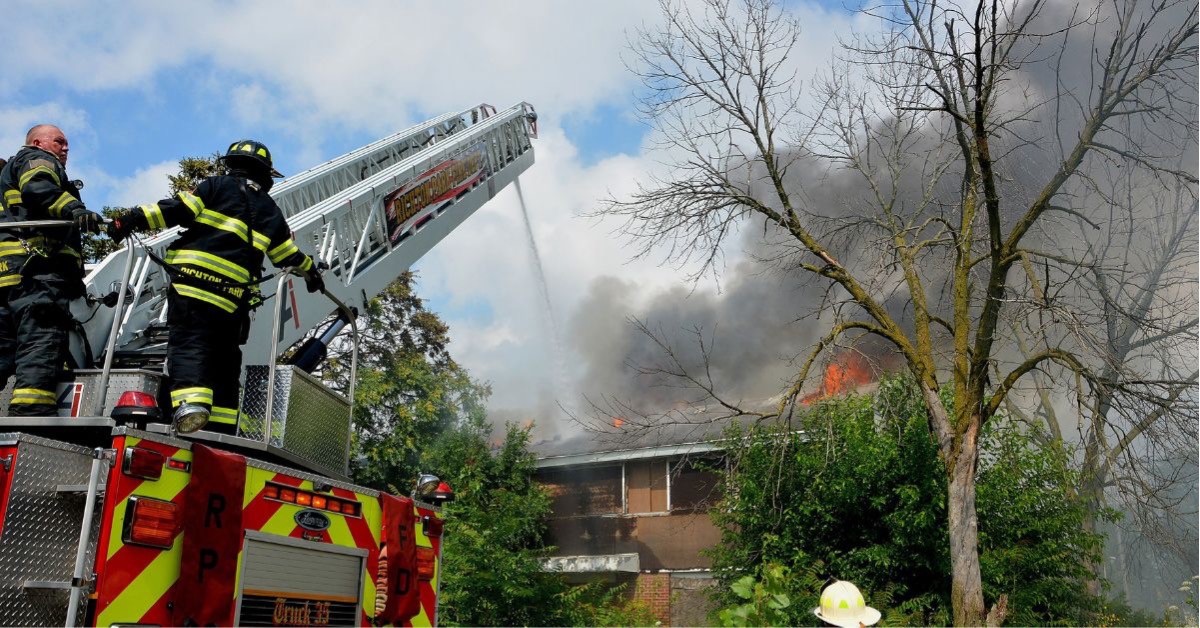 https://www.dfmurphy.com/wp-content/uploads/Fire-Prevention-Month-Helping-Protect-Your-Home-and-Family-from-Fire-Risks.jpg
628
1200
Murphy Insurance
https://dfmurphy.wpenginepowered.com/wp-content/uploads/Murphy-Insurance-Logo-Header.jpg
Murphy Insurance2026-10-01 07:00:502026-09-28 14:35:21Fire Prevention Month: Helping Protect Your Home and Family from Fire Risks
https://www.dfmurphy.com/wp-content/uploads/Fire-Prevention-Month-Helping-Protect-Your-Home-and-Family-from-Fire-Risks.jpg
628
1200
Murphy Insurance
https://dfmurphy.wpenginepowered.com/wp-content/uploads/Murphy-Insurance-Logo-Header.jpg
Murphy Insurance2026-10-01 07:00:502026-09-28 14:35:21Fire Prevention Month: Helping Protect Your Home and Family from Fire Risks https://www.dfmurphy.com/wp-content/uploads/Understanding-Safety-and-Responsibility-at-the-Playground-2.jpg
628
1200
Wayne Texeira
https://dfmurphy.wpenginepowered.com/wp-content/uploads/Murphy-Insurance-Logo-Header.jpg
Wayne Texeira2026-09-28 07:00:242026-09-28 12:45:02Understanding Safety and Responsibility at the Playground
https://www.dfmurphy.com/wp-content/uploads/Understanding-Safety-and-Responsibility-at-the-Playground-2.jpg
628
1200
Wayne Texeira
https://dfmurphy.wpenginepowered.com/wp-content/uploads/Murphy-Insurance-Logo-Header.jpg
Wayne Texeira2026-09-28 07:00:242026-09-28 12:45:02Understanding Safety and Responsibility at the Playground https://www.dfmurphy.com/wp-content/uploads/Untitled-design-60.jpg
628
1200
Murphy Insurance
https://dfmurphy.wpenginepowered.com/wp-content/uploads/Murphy-Insurance-Logo-Header.jpg
Murphy Insurance2026-09-24 07:00:582026-10-15 15:16:10How to Stop Receiving Mail Addressed to a Deceased Person
https://www.dfmurphy.com/wp-content/uploads/Untitled-design-60.jpg
628
1200
Murphy Insurance
https://dfmurphy.wpenginepowered.com/wp-content/uploads/Murphy-Insurance-Logo-Header.jpg
Murphy Insurance2026-09-24 07:00:582026-10-15 15:16:10How to Stop Receiving Mail Addressed to a Deceased Person https://www.dfmurphy.com/wp-content/uploads/Understanding-and-Preventing-Digital-Eye-Strain-1.jpg
628
1200
Wayne Texeira
https://dfmurphy.wpenginepowered.com/wp-content/uploads/Murphy-Insurance-Logo-Header.jpg
Wayne Texeira2026-09-21 11:30:102026-09-21 14:14:35Understanding and Preventing Digital Eye Strain
https://www.dfmurphy.com/wp-content/uploads/Understanding-and-Preventing-Digital-Eye-Strain-1.jpg
628
1200
Wayne Texeira
https://dfmurphy.wpenginepowered.com/wp-content/uploads/Murphy-Insurance-Logo-Header.jpg
Wayne Texeira2026-09-21 11:30:102026-09-21 14:14:35Understanding and Preventing Digital Eye Strain https://www.dfmurphy.com/wp-content/uploads/Pest-Prevention-Homeowners-Manual-Blog-Series-SMM.jpg
629
1200
Murphy Insurance
https://dfmurphy.wpenginepowered.com/wp-content/uploads/Murphy-Insurance-Logo-Header.jpg
Murphy Insurance2026-09-10 07:00:102026-09-04 14:01:19Pest Prevention | Homeowner’s Manual Blog Series
https://www.dfmurphy.com/wp-content/uploads/Pest-Prevention-Homeowners-Manual-Blog-Series-SMM.jpg
629
1200
Murphy Insurance
https://dfmurphy.wpenginepowered.com/wp-content/uploads/Murphy-Insurance-Logo-Header.jpg
Murphy Insurance2026-09-10 07:00:102026-09-04 14:01:19Pest Prevention | Homeowner’s Manual Blog Series https://www.dfmurphy.com/wp-content/uploads/Evan-Macedo-1200-x-628-.jpg
628
1200
Wayne Texeira
https://dfmurphy.wpenginepowered.com/wp-content/uploads/Murphy-Insurance-Logo-Header.jpg
Wayne Texeira2026-09-09 11:19:362026-09-10 15:39:23Murphy Insurance Welcomes Evan Macedo to Our Leadership Team
https://www.dfmurphy.com/wp-content/uploads/Evan-Macedo-1200-x-628-.jpg
628
1200
Wayne Texeira
https://dfmurphy.wpenginepowered.com/wp-content/uploads/Murphy-Insurance-Logo-Header.jpg
Wayne Texeira2026-09-09 11:19:362026-09-10 15:39:23Murphy Insurance Welcomes Evan Macedo to Our Leadership Team https://www.dfmurphy.com/wp-content/uploads/Should-You-Put-Your-Teen-on-Your-Car-Policy-or-Get-Them-Their-Own-.jpg
628
1200
Murphy Insurance
https://dfmurphy.wpenginepowered.com/wp-content/uploads/Murphy-Insurance-Logo-Header.jpg
Murphy Insurance2026-08-25 07:00:452026-08-24 13:16:18Should You Put Your Teen on Your Car Policy or Get Them Their Own?
https://www.dfmurphy.com/wp-content/uploads/Should-You-Put-Your-Teen-on-Your-Car-Policy-or-Get-Them-Their-Own-.jpg
628
1200
Murphy Insurance
https://dfmurphy.wpenginepowered.com/wp-content/uploads/Murphy-Insurance-Logo-Header.jpg
Murphy Insurance2026-08-25 07:00:452026-08-24 13:16:18Should You Put Your Teen on Your Car Policy or Get Them Their Own?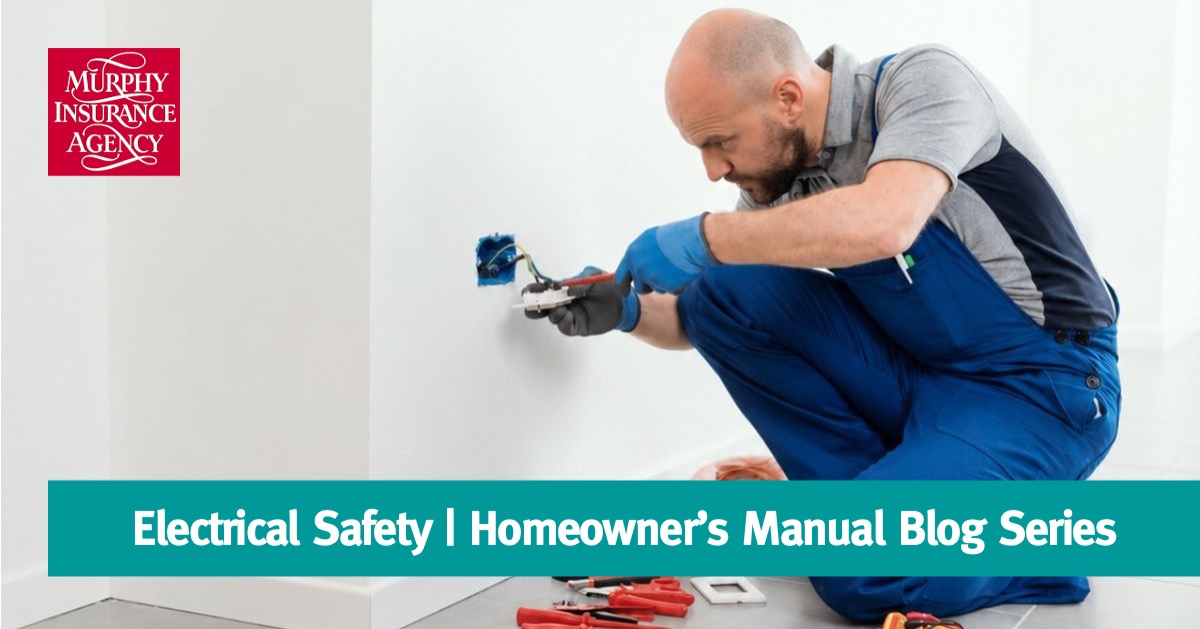 https://www.dfmurphy.com/wp-content/uploads/Electrical-Safety-Homeowners-Manual-Blog-Series-.jpg
629
1200
Murphy Insurance
https://dfmurphy.wpenginepowered.com/wp-content/uploads/Murphy-Insurance-Logo-Header.jpg
Murphy Insurance2026-08-17 07:00:102026-08-13 11:17:19Electrical Safety | Homeowner’s Manual Blog Series
https://www.dfmurphy.com/wp-content/uploads/Electrical-Safety-Homeowners-Manual-Blog-Series-.jpg
629
1200
Murphy Insurance
https://dfmurphy.wpenginepowered.com/wp-content/uploads/Murphy-Insurance-Logo-Header.jpg
Murphy Insurance2026-08-17 07:00:102026-08-13 11:17:19Electrical Safety | Homeowner’s Manual Blog SeriesVisit Our Auto Insurance Page

At Murphy Insurance, we are here to assist you in obtaining the appropriate auto insurance. Choosing the appropriate auto insurance coverage can be overwhelming. Every insurance company has its unique offerings, making it challenging to compare options effectively. That’s where we shine. We simplify the process by helping you evaluate provider and policy choices, seek out discounts, and optimize your car insurance within your budget constraints. Ultimately, our goal is to provide you with peace of mind, knowing that you and your loved ones are well-protected.

