
Be Ready for Severe Winter Weather: Snowstorms, Ice, and Extreme Cold
Forecasters nationwide are warning of a major winter storm system expected to sweep across the central and eastern United States this weekend, bringing widespread snow, ice, and dangerously cold temperatures that could affect millions of people from Texas to the Northeast. This storm is more than your typical winter squall.
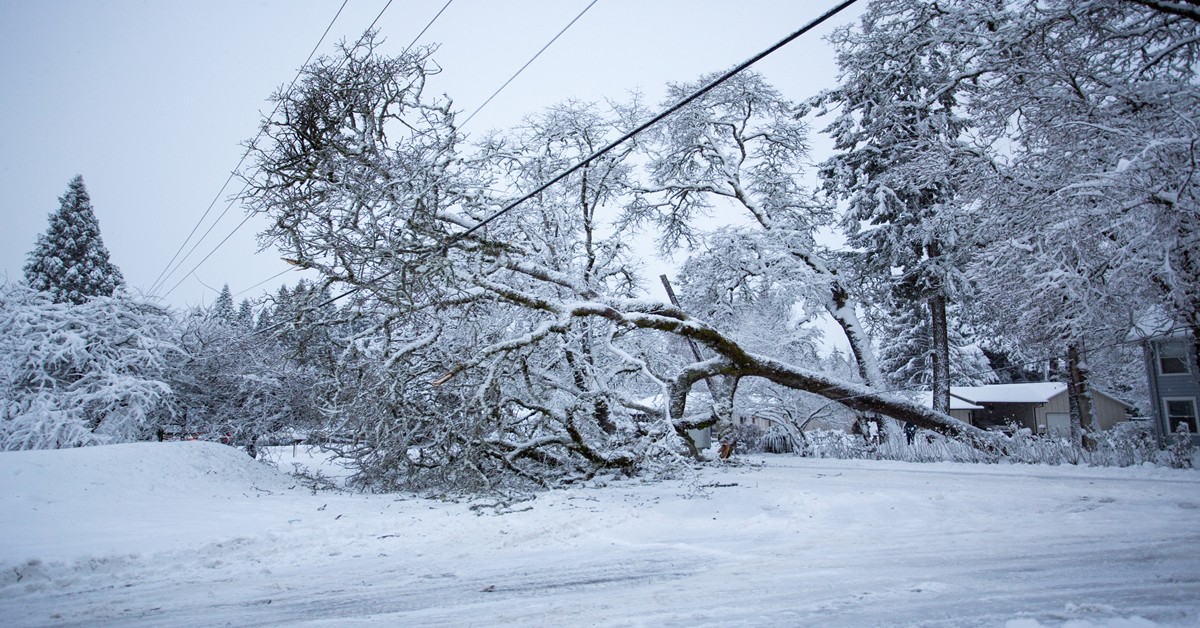
It is the result of a powerful Arctic air mass combining with Gulf moisture, and the impacts could be serious. Ice accumulation, heavy snow, and enduring sub-freezing temperatures are all possible, and winter storm watches and warnings are expanding across many states.
A Look Back: Learning from Past Winter Extremes
Winter weather can surprise and challenge even prepared communities.
In February 2021, a deep freeze and ice storm brought Texas to its knees. Millions lost power during multiple days of sub-freezing temperatures, and hundreds of lives were lost. That event led to widespread grid failures and highlighted the importance of winter readiness.
The Blizzard of 1978 brought historic snowfall and hurricane-force winds to Massachusetts and Rhode Island, dumping more than two feet of snow in many areas and creating massive snowdrifts. The storm shut down highways, stranded thousands of motorists, caused widespread power outages, and forced businesses and schools to close for days. The blizzard reshaped emergency planning and winter storm preparedness in New England.
Events like these underscore the disruptive power of winter storms and the critical value of preparation.
How to Prepare for a Winter Storm
Here are practical steps residents can take before a storm arrives to protect themselves, their families, and their property:
1. Stock Up on Essentials
- Food and Water: At least 3 to 5 days of non-perishable food and drinking water.
- Medicine and Supplies: Prescriptions, first-aid supplies, and pet needs.
- Batteries and Flashlights: Power outages are common with deep freezes.
- Warm Clothing and Blankets: Dress in layers and ensure everyone stays warm.
2. Winterize Your Home
- Thermostat: Keep your thermostat set to a steady warm temperature throughout the storm.
- Pipes: For very cold days, let your faucets slowly drip. This minimizes the chance that your pipes might freeze.
- Insulation: Insulate pipes and wrap exposed outdoor faucets. Seal drafts around doors and windows to retain heat
3. Prepare Your Vehicle
- Check Levels: Fill the gas tank and maintain proper antifreeze levels.
- Emergency Kit: Keep one in the car, including blankets, food, water, a shovel, and a phone charger.
- Safety Check: Check tires and brakes before travel, and avoid driving if possible during heavy snow or ice.
4. Stay Informed
Weather conditions can change rapidly. Sign up for local alerts, monitor forecasts, and heed warnings from the National Weather Service.
5. Plan for Vulnerable Individuals
Check on elderly relatives, neighbors, and others who may need assistance preparing or staying warm.
Things Not to Do in a Winter Snowstorm
- Do not travel unless it is absolutely necessary: Snow and ice reduce visibility and traction, making even short trips dangerous. Staying off the roads helps keep you safe and allows emergency crews to do their jobs.
- Do not use generators, grills, or space heaters improperly: Never run generators or grills indoors or in garages. Or use your oven to heat your house. Improper use of these items can lead to carbon monoxide poisoning or fire hazards.
- Do not assume power outages will be short: Winter storms can disrupt power for extended periods. Relying on the grid without backup lighting, batteries, or supplies can leave you vulnerable.
Final Thoughts
Winter storms can move quickly from forecast models into major real-world impacts. With this weekend’s storm on the horizon, now is the time to act before the snow flies and temperatures plunge. Preparing today could make all the difference in keeping your family safe, warm, and connected through the storm. Stay safe, stay warm, be ready and Go Pats!
 https://www.dfmurphy.com/wp-content/uploads/Shoveling-snow-scaled.jpg
1340
2560
Murphy Insurance
https://dfmurphy.wpenginepowered.com/wp-content/uploads/Murphy-Insurance-Logo-Header.jpg
Murphy Insurance2026-02-05 12:33:242026-02-07 13:28:54Snowmelt Damage Prevention Tips
https://www.dfmurphy.com/wp-content/uploads/Be-Ready-for-Severe-Winter-Weather-Snowstorms-Ice-and-Extreme-Cold.jpg
628
1200
Murphy Insurance
https://dfmurphy.wpenginepowered.com/wp-content/uploads/Murphy-Insurance-Logo-Header.jpg
Murphy Insurance2026-01-22 18:03:182026-01-23 08:42:56Be Ready for Severe Winter Weather: Snowstorms, Ice, and Extreme Cold
https://www.dfmurphy.com/wp-content/uploads/Shoveling-snow-scaled.jpg
1340
2560
Murphy Insurance
https://dfmurphy.wpenginepowered.com/wp-content/uploads/Murphy-Insurance-Logo-Header.jpg
Murphy Insurance2026-02-05 12:33:242026-02-07 13:28:54Snowmelt Damage Prevention Tips
https://www.dfmurphy.com/wp-content/uploads/Be-Ready-for-Severe-Winter-Weather-Snowstorms-Ice-and-Extreme-Cold.jpg
628
1200
Murphy Insurance
https://dfmurphy.wpenginepowered.com/wp-content/uploads/Murphy-Insurance-Logo-Header.jpg
Murphy Insurance2026-01-22 18:03:182026-01-23 08:42:56Be Ready for Severe Winter Weather: Snowstorms, Ice, and Extreme Cold https://www.dfmurphy.com/wp-content/uploads/Car-outside-of-garage-scaled.jpg
1340
2560
Murphy Insurance
https://dfmurphy.wpenginepowered.com/wp-content/uploads/Murphy-Insurance-Logo-Header.jpg
Murphy Insurance2025-02-06 11:55:232025-02-13 16:56:25Vehicle Storage Tips During Winter
https://www.dfmurphy.com/wp-content/uploads/Car-outside-of-garage-scaled.jpg
1340
2560
Murphy Insurance
https://dfmurphy.wpenginepowered.com/wp-content/uploads/Murphy-Insurance-Logo-Header.jpg
Murphy Insurance2025-02-06 11:55:232025-02-13 16:56:25Vehicle Storage Tips During Winter https://www.dfmurphy.com/wp-content/uploads/Car-in-snow-scaled.jpg
1340
2560
Murphy Insurance
https://dfmurphy.wpenginepowered.com/wp-content/uploads/Murphy-Insurance-Logo-Header.jpg
Murphy Insurance2025-01-15 08:54:282024-12-31 12:24:22Tips for Driving in Extreme Weather
https://www.dfmurphy.com/wp-content/uploads/Car-in-snow-scaled.jpg
1340
2560
Murphy Insurance
https://dfmurphy.wpenginepowered.com/wp-content/uploads/Murphy-Insurance-Logo-Header.jpg
Murphy Insurance2025-01-15 08:54:282024-12-31 12:24:22Tips for Driving in Extreme Weather https://www.dfmurphy.com/wp-content/uploads/Snowy-Neighborhood-1200.png
628
1200
Murphy Insurance
https://dfmurphy.wpenginepowered.com/wp-content/uploads/Murphy-Insurance-Logo-Header.jpg
Murphy Insurance2024-11-28 11:25:452025-11-16 18:28:07Protect Your Property This Winter: Tips to Prevent Costly Damage
https://www.dfmurphy.com/wp-content/uploads/Snowy-Neighborhood-1200.png
628
1200
Murphy Insurance
https://dfmurphy.wpenginepowered.com/wp-content/uploads/Murphy-Insurance-Logo-Header.jpg
Murphy Insurance2024-11-28 11:25:452025-11-16 18:28:07Protect Your Property This Winter: Tips to Prevent Costly Damage https://www.dfmurphy.com/wp-content/uploads/Reduce-The-Risk-of-Winter-Related-Losses.jpg
628
1200
Murphy Insurance
https://dfmurphy.wpenginepowered.com/wp-content/uploads/Murphy-Insurance-Logo-Header.jpg
Murphy Insurance2023-12-21 09:00:012024-07-29 12:36:09Reduce The Risk of Winter-Related Losses
https://www.dfmurphy.com/wp-content/uploads/Reduce-The-Risk-of-Winter-Related-Losses.jpg
628
1200
Murphy Insurance
https://dfmurphy.wpenginepowered.com/wp-content/uploads/Murphy-Insurance-Logo-Header.jpg
Murphy Insurance2023-12-21 09:00:012024-07-29 12:36:09Reduce The Risk of Winter-Related Losses https://www.dfmurphy.com/wp-content/uploads/Untitled-design-128.jpg
628
1200
Murphy Insurance
https://dfmurphy.wpenginepowered.com/wp-content/uploads/Murphy-Insurance-Logo-Header.jpg
Murphy Insurance2023-08-02 09:00:492024-06-24 21:00:12Free Resources to Help Small Businesses Survive Severe Weather Events
https://www.dfmurphy.com/wp-content/uploads/Untitled-design-128.jpg
628
1200
Murphy Insurance
https://dfmurphy.wpenginepowered.com/wp-content/uploads/Murphy-Insurance-Logo-Header.jpg
Murphy Insurance2023-08-02 09:00:492024-06-24 21:00:12Free Resources to Help Small Businesses Survive Severe Weather Events https://www.dfmurphy.com/wp-content/uploads/Untitled-design-2024-05-06T130918.071.jpg
628
1200
Murphy Insurance
https://dfmurphy.wpenginepowered.com/wp-content/uploads/Murphy-Insurance-Logo-Header.jpg
Murphy Insurance2022-12-21 09:00:592025-04-15 16:13:5410 Tips for Safe Winter Driving
https://www.dfmurphy.com/wp-content/uploads/Untitled-design-2024-05-06T130918.071.jpg
628
1200
Murphy Insurance
https://dfmurphy.wpenginepowered.com/wp-content/uploads/Murphy-Insurance-Logo-Header.jpg
Murphy Insurance2022-12-21 09:00:592025-04-15 16:13:5410 Tips for Safe Winter Driving https://www.dfmurphy.com/wp-content/uploads/Untitled-design-108.jpg
628
1200
Murphy Insurance
https://dfmurphy.wpenginepowered.com/wp-content/uploads/Murphy-Insurance-Logo-Header.jpg
Murphy Insurance2021-11-18 09:00:162025-06-18 12:04:16Is Your House Properly Winter-Proofed? Good Maintenance Can Prevent Damage to Your Home
https://www.dfmurphy.com/wp-content/uploads/Untitled-design-108.jpg
628
1200
Murphy Insurance
https://dfmurphy.wpenginepowered.com/wp-content/uploads/Murphy-Insurance-Logo-Header.jpg
Murphy Insurance2021-11-18 09:00:162025-06-18 12:04:16Is Your House Properly Winter-Proofed? Good Maintenance Can Prevent Damage to Your HomeVisit Our Homeowners Insurance Page

Life is an ever-changing journey, and it deserves a thoughtful, comprehensive plan to protect the things and people that matter most. Our dedicated team at Murphy Insurance is here to assist you in creating that plan. With a wide range of product options at our disposal, we ensure that your plan is tailored precisely to your requirements. Our commitment to providing clear, intelligent guidance to help you achieve true peace of mind. Learn more about our personal insurance portfolio.

