
Renting out your home—whether it’s just a spare room or the entire property—can be a way to earn extra income. From short-term vacation stays to long-term leases, more homeowners are exploring rental opportunities than ever before. But before you hand over the keys, it’s important to understand the potential liabilities involved. As your insurance partner, we want to help you make informed decisions that protect your home, your finances, and your peace of mind.

Short-Term vs. Long-Term Rentals: Know the Difference
-
Short-term rentals (like those listed on platforms such as Airbnb or Vrbo) often involve higher guest turnover, which can mean more wear and tear on your home—and potentially greater liability exposure.
-
Long-term rentals typically involve more stable tenants, but come with their own set of legal and insurance implications.
No matter the length of stay, here are some best practices to help you manage the risks and enjoy peace of mind.
Tips for Safely Renting Out Your Home
-
Research Local Laws and Regulations
Before listing your home, check with your city or county to understand local ordinances related to rental properties. Some areas have restrictions on short-term rentals, licensing requirements, or zoning limitations. It’s also wise to consult a legal professional to ensure your rental plans comply with applicable laws and avoid potential fines or legal issues. -
Screen Your Renters
Always request references, especially for long-term renters. For short-term guests, use reputable rental platforms that offer background checks or host protections. -
Use a Clear Rental Agreement
Create a written rental agreement outlining the terms of the stay, including:
-
- Rent and payment details
- Security deposit terms
- Occupancy limits
- Rules and restrictions (e.g., pets, smoking, noise)
- Liability and maintenance responsibilities
-
Require a Security Deposit
A security deposit provides a financial cushion for any damages caused during the rental period. Research to understand laws governing how security deposits must be handled, and be clear about what’s refundable and under what conditions. -
Consider a Property Manager
If you’re away for an extended period, hiring a property manager can provide on-the-ground support. They can respond to issues quickly and ensure the property remains in good condition. -
Protect Your Personal Belongings
Store valuable or sentimental items in a secure, locked area of your home. Alternatively, consider removing them entirely while the property is being rented. -
Document Your Home’s Condition
Take date-stamped photos or videos of all rooms and furnishings before tenants move in. This serves as documentation in case you need to file a claim for damage later. -
Manage Your Mail
Have your mail forwarded or held by the postal service while you’re away to prevent renters from handling sensitive information or packages. -
Stay Accessible
Provide your contact details to both your renters and a trusted neighbor in case of emergencies or questions during the rental period.
Insurance Matters: What You Should Know
Renting your home, whether occasionally or regularly, can affect your homeowners insurance. Here’s what to consider:
- Short-term rentals are often considered a business activity. Many standard homeowners policies don’t cover business-related claims. You may need additional coverage or a separate policy for short-term rental use.
- Long-term rentals usually require a landlord or rental dwelling policy, which offers different protection than a standard homeowners policy.
Before listing your property, contact your insurance agent to discuss:
- Whether your current policy covers rental activities
- The type of policy you need based on the length and frequency of rentals
- Liability protection in case a guest is injured on your property
- Coverage for damage caused by tenants or guests
We’re Here to Help
Renting out your home can be a smart way to generate income, but it’s not without risk. With thoughtful preparation and the right insurance protection in place, you can rent confidently—knowing you’ve taken steps to protect both your property and your peace of mind.
Have questions about how renting your home affects your insurance? We’re here to help! Contact us to review your current policy and explore the best coverage options for your unique situation.
 https://www.dfmurphy.com/wp-content/uploads/Foundation-Structural-Integrity-Homeowners-Manual-Blog-Series-Blank.jpg
629
1200
Murphy Insurance
https://dfmurphy.wpenginepowered.com/wp-content/uploads/Murphy-Insurance-Logo-Header.jpg
Murphy Insurance2026-10-08 07:00:392026-10-15 14:33:14Foundation & Structural Integrity | Homeowner’s Manual Blog Series
https://www.dfmurphy.com/wp-content/uploads/Foundation-Structural-Integrity-Homeowners-Manual-Blog-Series-Blank.jpg
629
1200
Murphy Insurance
https://dfmurphy.wpenginepowered.com/wp-content/uploads/Murphy-Insurance-Logo-Header.jpg
Murphy Insurance2026-10-08 07:00:392026-10-15 14:33:14Foundation & Structural Integrity | Homeowner’s Manual Blog Series https://www.dfmurphy.com/wp-content/uploads/Fire-Prevention-Month-Helping-Protect-Your-Home-and-Family-from-Fire-Risks.jpg
628
1200
Murphy Insurance
https://dfmurphy.wpenginepowered.com/wp-content/uploads/Murphy-Insurance-Logo-Header.jpg
Murphy Insurance2026-10-01 07:00:502026-09-28 14:35:21Fire Prevention Month: Helping Protect Your Home and Family from Fire Risks
https://www.dfmurphy.com/wp-content/uploads/Fire-Prevention-Month-Helping-Protect-Your-Home-and-Family-from-Fire-Risks.jpg
628
1200
Murphy Insurance
https://dfmurphy.wpenginepowered.com/wp-content/uploads/Murphy-Insurance-Logo-Header.jpg
Murphy Insurance2026-10-01 07:00:502026-09-28 14:35:21Fire Prevention Month: Helping Protect Your Home and Family from Fire Risks https://www.dfmurphy.com/wp-content/uploads/Understanding-Safety-and-Responsibility-at-the-Playground-2.jpg
628
1200
Wayne Texeira
https://dfmurphy.wpenginepowered.com/wp-content/uploads/Murphy-Insurance-Logo-Header.jpg
Wayne Texeira2026-09-28 07:00:242026-09-28 12:45:02Understanding Safety and Responsibility at the Playground
https://www.dfmurphy.com/wp-content/uploads/Understanding-Safety-and-Responsibility-at-the-Playground-2.jpg
628
1200
Wayne Texeira
https://dfmurphy.wpenginepowered.com/wp-content/uploads/Murphy-Insurance-Logo-Header.jpg
Wayne Texeira2026-09-28 07:00:242026-09-28 12:45:02Understanding Safety and Responsibility at the Playground https://www.dfmurphy.com/wp-content/uploads/Untitled-design-60.jpg
628
1200
Murphy Insurance
https://dfmurphy.wpenginepowered.com/wp-content/uploads/Murphy-Insurance-Logo-Header.jpg
Murphy Insurance2026-09-24 07:00:582026-10-15 15:16:10How to Stop Receiving Mail Addressed to a Deceased Person
https://www.dfmurphy.com/wp-content/uploads/Untitled-design-60.jpg
628
1200
Murphy Insurance
https://dfmurphy.wpenginepowered.com/wp-content/uploads/Murphy-Insurance-Logo-Header.jpg
Murphy Insurance2026-09-24 07:00:582026-10-15 15:16:10How to Stop Receiving Mail Addressed to a Deceased Person https://www.dfmurphy.com/wp-content/uploads/Understanding-and-Preventing-Digital-Eye-Strain-1.jpg
628
1200
Wayne Texeira
https://dfmurphy.wpenginepowered.com/wp-content/uploads/Murphy-Insurance-Logo-Header.jpg
Wayne Texeira2026-09-21 11:30:102026-09-21 14:14:35Understanding and Preventing Digital Eye Strain
https://www.dfmurphy.com/wp-content/uploads/Understanding-and-Preventing-Digital-Eye-Strain-1.jpg
628
1200
Wayne Texeira
https://dfmurphy.wpenginepowered.com/wp-content/uploads/Murphy-Insurance-Logo-Header.jpg
Wayne Texeira2026-09-21 11:30:102026-09-21 14:14:35Understanding and Preventing Digital Eye Strain https://www.dfmurphy.com/wp-content/uploads/Pest-Prevention-Homeowners-Manual-Blog-Series-SMM.jpg
629
1200
Murphy Insurance
https://dfmurphy.wpenginepowered.com/wp-content/uploads/Murphy-Insurance-Logo-Header.jpg
Murphy Insurance2026-09-10 07:00:102026-09-04 14:01:19Pest Prevention | Homeowner’s Manual Blog Series
https://www.dfmurphy.com/wp-content/uploads/Pest-Prevention-Homeowners-Manual-Blog-Series-SMM.jpg
629
1200
Murphy Insurance
https://dfmurphy.wpenginepowered.com/wp-content/uploads/Murphy-Insurance-Logo-Header.jpg
Murphy Insurance2026-09-10 07:00:102026-09-04 14:01:19Pest Prevention | Homeowner’s Manual Blog Series https://www.dfmurphy.com/wp-content/uploads/Evan-Macedo-1200-x-628-.jpg
628
1200
Wayne Texeira
https://dfmurphy.wpenginepowered.com/wp-content/uploads/Murphy-Insurance-Logo-Header.jpg
Wayne Texeira2026-09-09 11:19:362026-09-10 15:39:23Murphy Insurance Welcomes Evan Macedo to Our Leadership Team
https://www.dfmurphy.com/wp-content/uploads/Evan-Macedo-1200-x-628-.jpg
628
1200
Wayne Texeira
https://dfmurphy.wpenginepowered.com/wp-content/uploads/Murphy-Insurance-Logo-Header.jpg
Wayne Texeira2026-09-09 11:19:362026-09-10 15:39:23Murphy Insurance Welcomes Evan Macedo to Our Leadership Team https://www.dfmurphy.com/wp-content/uploads/Should-You-Put-Your-Teen-on-Your-Car-Policy-or-Get-Them-Their-Own-.jpg
628
1200
Murphy Insurance
https://dfmurphy.wpenginepowered.com/wp-content/uploads/Murphy-Insurance-Logo-Header.jpg
Murphy Insurance2026-08-25 07:00:452026-08-24 13:16:18Should You Put Your Teen on Your Car Policy or Get Them Their Own?
https://www.dfmurphy.com/wp-content/uploads/Should-You-Put-Your-Teen-on-Your-Car-Policy-or-Get-Them-Their-Own-.jpg
628
1200
Murphy Insurance
https://dfmurphy.wpenginepowered.com/wp-content/uploads/Murphy-Insurance-Logo-Header.jpg
Murphy Insurance2026-08-25 07:00:452026-08-24 13:16:18Should You Put Your Teen on Your Car Policy or Get Them Their Own?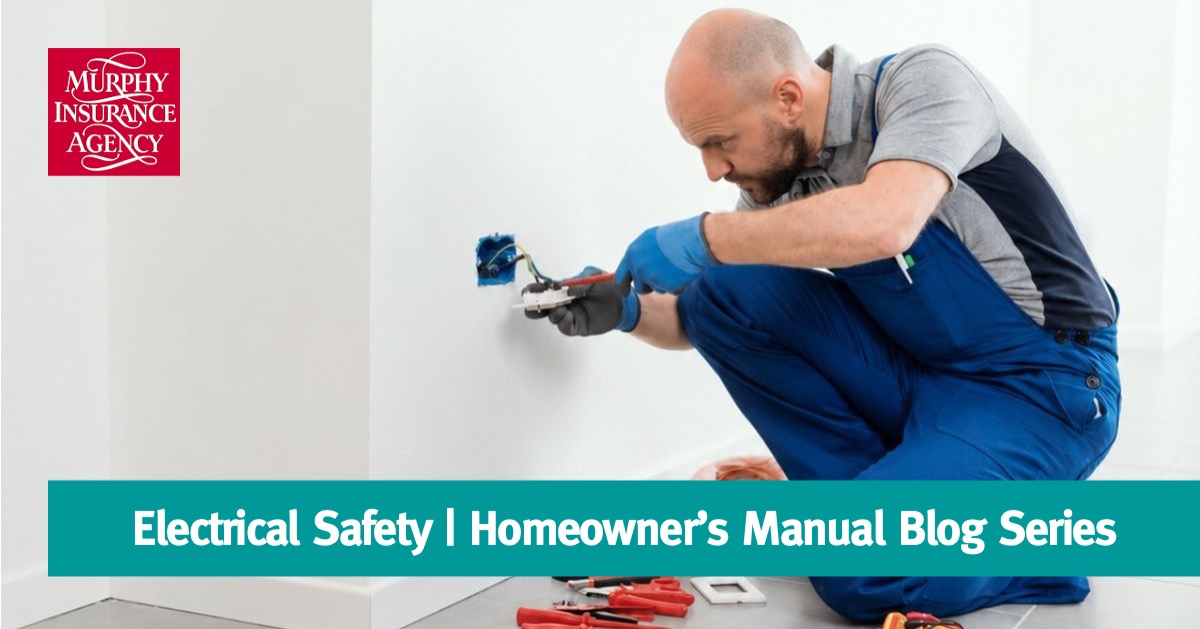 https://www.dfmurphy.com/wp-content/uploads/Electrical-Safety-Homeowners-Manual-Blog-Series-.jpg
629
1200
Murphy Insurance
https://dfmurphy.wpenginepowered.com/wp-content/uploads/Murphy-Insurance-Logo-Header.jpg
Murphy Insurance2026-08-17 07:00:102026-08-13 11:17:19Electrical Safety | Homeowner’s Manual Blog Series
https://www.dfmurphy.com/wp-content/uploads/Electrical-Safety-Homeowners-Manual-Blog-Series-.jpg
629
1200
Murphy Insurance
https://dfmurphy.wpenginepowered.com/wp-content/uploads/Murphy-Insurance-Logo-Header.jpg
Murphy Insurance2026-08-17 07:00:102026-08-13 11:17:19Electrical Safety | Homeowner’s Manual Blog SeriesVisit Our Homeowners Insurance Page
At Murphy Insurance, we take great care in assessing your options for homeowners insurance to ensure that you receive the most favorable value. Our dedication to serving you entails collaborating with highly-rated insurance providers and conducting comprehensive assessments of available choices. Our goal is to achieve the ideal equilibrium between affordability and coverage that suits your unique needs. Please let us provide you with a customized homeowners insurance quote.

