
Frozen pipes can be an unnoticed danger, often going undetected until the weather begins to thaw. By that time, the resulting water damage can be extensive and costly. Fortunately, maintaining a consistent temperature in your home, keeping it warm, and ensuring proper insulation can help safeguard your pipes from freezing this winter.
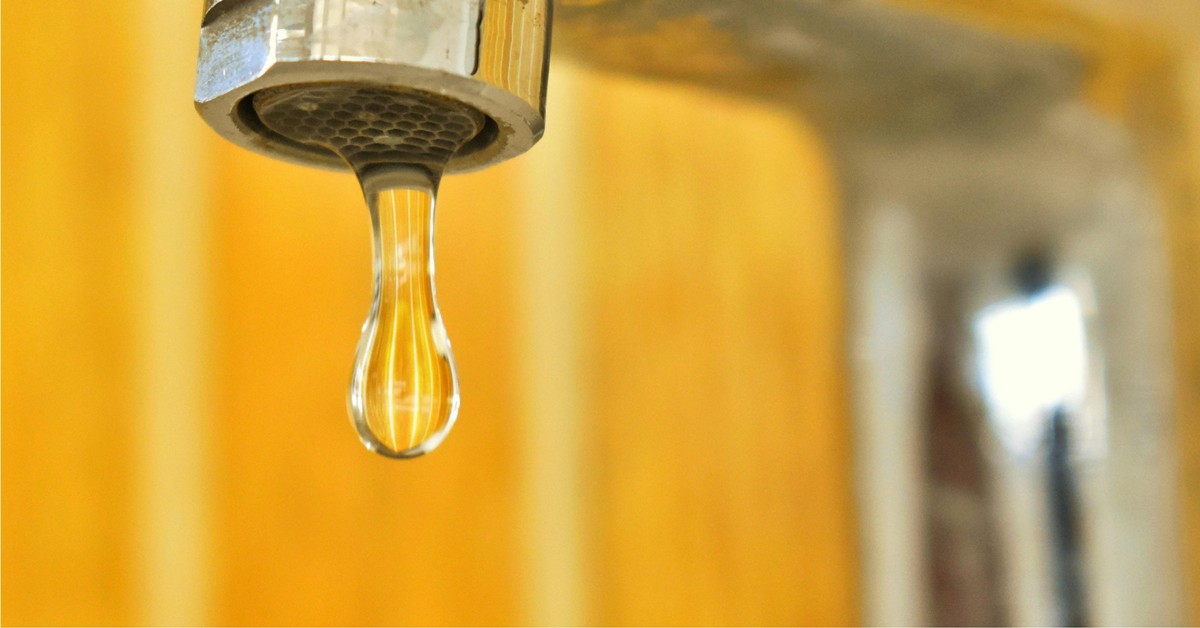
Tips to Prevent Frozen Pipes
- Keep garage doors closed to protect any pipes located inside the garage.
- Leave cabinet doors open where plumbing is located to allow warm air to circulate around the pipes.
- For pipes prone to freezing (hot and cold), let faucets drip slightly.
- Ensure your home’s heating system is set to a minimum of 55°F.
- Disconnect hoses from outdoor faucets. Even frost-proof faucets or sillcocks require hoses to be removed during freezing temperatures to allow any leftover water to drain.
- If available, shut off interior valves supplying outdoor water hookups. Open exterior faucets to drain any remaining water. Keep these faucets open during the winter months while the water supply remains off.
- Identify areas in your home that have previously experienced freezing issues, and consult a plumber or contractor to address those vulnerable spots before cold weather sets in.
Steps to Take if a Pipe Freezes
- Quickly locate and shut off the main water supply valve before temperatures rise above freezing.
- Open all faucets, including outdoor ones, to drain the water from the pipes.
- Check pipes for any damage, especially in crawl spaces and attics, if it’s safe to do so.
- As the temperature increases, stay alert for any signs of leaks, such as dripping water or unusual sounds.
- If a leak is detected, do not turn the water supply back on. Open all faucets to drain the remaining water and call a licensed plumber for assistance.
- If no leaks are found, turn the water supply on gradually. Continue to monitor for leaks before fully restoring water flow. Be ready to shut off the water immediately if leaks appear.
- Keep towels, buckets, and fans nearby to manage and dry any water from leaks.
- Avoid using torches or heat guns to thaw frozen pipes as they pose a fire hazard.
- For damaged pipes, contact a professional plumber for repairs.
- If a frozen pipe bursts and causes significant damage, contact your insurance provider immediately.
Why Are Frozen Pipes a Problem?
When water freezes, it expands, creating pressure that can cause both metal and plastic pipes to rupture, leading to severe water damage in your home.
- Expanding ice places significant strain on pipes, regardless of the material.
- Frozen water can block the pipe, and when it begins to thaw, leaking or flooding can occur.
Which Pipes Are Most Vulnerable?
Pipes exposed to outdoor elements or located along the outer walls of your home are more susceptible to freezing. These include:
- Outdoor faucets and hose connections.
- Swimming pool supply lines.
- Lawn irrigation systems.
- Pipes in unheated areas such as basements, crawl spaces, attics, garages, or under kitchen and bathroom cabinets.
- Pipes along exterior walls with insufficient insulation.
Preventing Frozen Pipes
Before Winter:
- Inspect your home for uninsulated or poorly insulated pipes, especially in basements, attics, crawl spaces, garages, and under plumbing cabinets. Insulate both hot and cold water pipes as needed.
- Use pipe sleeves, UL-listed heat tape, or heat cables to insulate or warm exposed pipes.
During Winter:
- Shut off indoor valves supplying outdoor water connections.
- Open outdoor faucets to drain any leftover water; keep them open throughout the winter while the supply remains off.
- Close garage doors to shield any pipes inside.
- Keep cabinet doors open to allow warm air to reach plumbing.
- Allow faucets connected to at-risk pipes to drip slightly.
- Maintain a minimum indoor temperature of 55°F.
 https://www.dfmurphy.com/wp-content/uploads/Personal-Insurance-Updates.jpg
628
1200
Wayne Texeira
https://dfmurphy.wpenginepowered.com/wp-content/uploads/Murphy-Insurance-Logo-Header.jpg
Wayne Texeira2026-10-20 14:12:092026-10-20 16:06:15Insurance Reminders: Don’t Forget These Updates
https://www.dfmurphy.com/wp-content/uploads/Personal-Insurance-Updates.jpg
628
1200
Wayne Texeira
https://dfmurphy.wpenginepowered.com/wp-content/uploads/Murphy-Insurance-Logo-Header.jpg
Wayne Texeira2026-10-20 14:12:092026-10-20 16:06:15Insurance Reminders: Don’t Forget These Updates https://www.dfmurphy.com/wp-content/uploads/Foundation-Structural-Integrity-Homeowners-Manual-Blog-Series-Blank.jpg
629
1200
Murphy Insurance
https://dfmurphy.wpenginepowered.com/wp-content/uploads/Murphy-Insurance-Logo-Header.jpg
Murphy Insurance2026-10-08 07:00:392026-10-15 14:33:14Foundation & Structural Integrity | Homeowner’s Manual Blog Series
https://www.dfmurphy.com/wp-content/uploads/Foundation-Structural-Integrity-Homeowners-Manual-Blog-Series-Blank.jpg
629
1200
Murphy Insurance
https://dfmurphy.wpenginepowered.com/wp-content/uploads/Murphy-Insurance-Logo-Header.jpg
Murphy Insurance2026-10-08 07:00:392026-10-15 14:33:14Foundation & Structural Integrity | Homeowner’s Manual Blog Series https://www.dfmurphy.com/wp-content/uploads/Fire-Prevention-Month-Helping-Protect-Your-Home-and-Family-from-Fire-Risks.jpg
628
1200
Murphy Insurance
https://dfmurphy.wpenginepowered.com/wp-content/uploads/Murphy-Insurance-Logo-Header.jpg
Murphy Insurance2026-10-01 07:00:502026-09-28 14:35:21Fire Prevention Month: Helping Protect Your Home and Family from Fire Risks
https://www.dfmurphy.com/wp-content/uploads/Fire-Prevention-Month-Helping-Protect-Your-Home-and-Family-from-Fire-Risks.jpg
628
1200
Murphy Insurance
https://dfmurphy.wpenginepowered.com/wp-content/uploads/Murphy-Insurance-Logo-Header.jpg
Murphy Insurance2026-10-01 07:00:502026-09-28 14:35:21Fire Prevention Month: Helping Protect Your Home and Family from Fire Risks https://www.dfmurphy.com/wp-content/uploads/Understanding-Safety-and-Responsibility-at-the-Playground-2.jpg
628
1200
Wayne Texeira
https://dfmurphy.wpenginepowered.com/wp-content/uploads/Murphy-Insurance-Logo-Header.jpg
Wayne Texeira2026-09-28 07:00:242026-09-28 12:45:02Understanding Safety and Responsibility at the Playground
https://www.dfmurphy.com/wp-content/uploads/Understanding-Safety-and-Responsibility-at-the-Playground-2.jpg
628
1200
Wayne Texeira
https://dfmurphy.wpenginepowered.com/wp-content/uploads/Murphy-Insurance-Logo-Header.jpg
Wayne Texeira2026-09-28 07:00:242026-09-28 12:45:02Understanding Safety and Responsibility at the Playground https://www.dfmurphy.com/wp-content/uploads/Untitled-design-60.jpg
628
1200
Murphy Insurance
https://dfmurphy.wpenginepowered.com/wp-content/uploads/Murphy-Insurance-Logo-Header.jpg
Murphy Insurance2026-09-24 07:00:582026-10-15 15:16:10How to Stop Receiving Mail Addressed to a Deceased Person
https://www.dfmurphy.com/wp-content/uploads/Untitled-design-60.jpg
628
1200
Murphy Insurance
https://dfmurphy.wpenginepowered.com/wp-content/uploads/Murphy-Insurance-Logo-Header.jpg
Murphy Insurance2026-09-24 07:00:582026-10-15 15:16:10How to Stop Receiving Mail Addressed to a Deceased Person https://www.dfmurphy.com/wp-content/uploads/Understanding-and-Preventing-Digital-Eye-Strain-1.jpg
628
1200
Wayne Texeira
https://dfmurphy.wpenginepowered.com/wp-content/uploads/Murphy-Insurance-Logo-Header.jpg
Wayne Texeira2026-09-21 11:30:102026-09-21 14:14:35Understanding and Preventing Digital Eye Strain
https://www.dfmurphy.com/wp-content/uploads/Understanding-and-Preventing-Digital-Eye-Strain-1.jpg
628
1200
Wayne Texeira
https://dfmurphy.wpenginepowered.com/wp-content/uploads/Murphy-Insurance-Logo-Header.jpg
Wayne Texeira2026-09-21 11:30:102026-09-21 14:14:35Understanding and Preventing Digital Eye Strain https://www.dfmurphy.com/wp-content/uploads/Pest-Prevention-Homeowners-Manual-BLANK.jpg
629
1200
Murphy Insurance
https://dfmurphy.wpenginepowered.com/wp-content/uploads/Murphy-Insurance-Logo-Header.jpg
Murphy Insurance2026-09-10 07:00:102026-10-20 15:55:35Pest Prevention | Homeowner’s Manual Blog Series
https://www.dfmurphy.com/wp-content/uploads/Pest-Prevention-Homeowners-Manual-BLANK.jpg
629
1200
Murphy Insurance
https://dfmurphy.wpenginepowered.com/wp-content/uploads/Murphy-Insurance-Logo-Header.jpg
Murphy Insurance2026-09-10 07:00:102026-10-20 15:55:35Pest Prevention | Homeowner’s Manual Blog Series https://www.dfmurphy.com/wp-content/uploads/Evan-Macedo-1200-x-628-.jpg
628
1200
Wayne Texeira
https://dfmurphy.wpenginepowered.com/wp-content/uploads/Murphy-Insurance-Logo-Header.jpg
Wayne Texeira2026-09-09 11:19:362026-09-10 15:39:23Murphy Insurance Welcomes Evan Macedo to Our Leadership Team
https://www.dfmurphy.com/wp-content/uploads/Evan-Macedo-1200-x-628-.jpg
628
1200
Wayne Texeira
https://dfmurphy.wpenginepowered.com/wp-content/uploads/Murphy-Insurance-Logo-Header.jpg
Wayne Texeira2026-09-09 11:19:362026-09-10 15:39:23Murphy Insurance Welcomes Evan Macedo to Our Leadership Team https://www.dfmurphy.com/wp-content/uploads/Should-You-Put-Your-Teen-on-Your-Car-Policy-or-Get-Them-Their-Own-.jpg
628
1200
Murphy Insurance
https://dfmurphy.wpenginepowered.com/wp-content/uploads/Murphy-Insurance-Logo-Header.jpg
Murphy Insurance2026-08-25 07:00:452026-08-24 13:16:18Should You Put Your Teen on Your Car Policy or Get Them Their Own?
https://www.dfmurphy.com/wp-content/uploads/Should-You-Put-Your-Teen-on-Your-Car-Policy-or-Get-Them-Their-Own-.jpg
628
1200
Murphy Insurance
https://dfmurphy.wpenginepowered.com/wp-content/uploads/Murphy-Insurance-Logo-Header.jpg
Murphy Insurance2026-08-25 07:00:452026-08-24 13:16:18Should You Put Your Teen on Your Car Policy or Get Them Their Own?Visit Our Homeowners Insurance Page

At Murphy Insurance, we take great care in assessing your options for homeowners insurance to ensure that you receive the most favorable value. Our dedication to serving you entails collaborating with highly-rated insurance providers and conducting comprehensive assessments of available choices. Our goal is to achieve the ideal equilibrium between affordability and coverage that suits your unique needs. Please let us provide you with a customized homeowners insurance quote.

