
If you have high-value jewelry, antiques, fine art, collectibles or other valuables scheduled for separate coverage on your home policy, you most likely provided an appraisal or receipt to establish the insurance limit amount for the item. You might think that you’re all set because the insured value has been established; however, because values can shift over time, periodically updating appraisals is strongly recommended.

Jewelry Should Be Appraised Every Few Years for Several Reasons
- The market value of precious metals and stones can be volatile and may change from year to year.
- The value of jewelry may change as the inflation rate changes.
- Damage to jewelry may impact its value.
These same issues of market, inflation, and condition can similarly apply to antiques, fine art, collectibles, and other high-value items you insure separately; therefore, they also need to have periodic appraisal updates. For jewelry, the Insurance Institute of America recommends updating every two years, but it’s up to you (the insured) to decide when to provide an updated appraisal to your insurer.
Ultimately, you want your appraisals to be recent because if a claim occurs you want to be properly compensated. Outdated appraisals can result in you being underinsured, which can result in you being compensated only up to your insurance limit even if it is determined that the actual value at the time of loss was significantly more. If you have questions about appraisals, contact your insurance professional for guidance.
 https://www.dfmurphy.com/wp-content/uploads/5-Ways-to-Stay-Cool-Under-Summer-Pressure.jpg
628
1200
Wayne Texeira
https://dfmurphy.wpenginepowered.com/wp-content/uploads/Murphy-Insurance-Logo-Header.jpg
Wayne Texeira2026-07-24 07:00:592026-07-20 13:00:395 Ways to Stay Cool Under Summer Pressure
https://www.dfmurphy.com/wp-content/uploads/5-Ways-to-Stay-Cool-Under-Summer-Pressure.jpg
628
1200
Wayne Texeira
https://dfmurphy.wpenginepowered.com/wp-content/uploads/Murphy-Insurance-Logo-Header.jpg
Wayne Texeira2026-07-24 07:00:592026-07-20 13:00:395 Ways to Stay Cool Under Summer Pressure https://www.dfmurphy.com/wp-content/uploads/MA-Low-Plate-Lottery-1200.jpg
628
1200
Murphy Insurance
https://dfmurphy.wpenginepowered.com/wp-content/uploads/Murphy-Insurance-Logo-Header.jpg
Murphy Insurance2026-07-15 08:30:252026-07-27 12:51:04Massachusetts Launches 2026 Low-Number License Plate Lottery With 237 Plates Up for Grabs
https://www.dfmurphy.com/wp-content/uploads/MA-Low-Plate-Lottery-1200.jpg
628
1200
Murphy Insurance
https://dfmurphy.wpenginepowered.com/wp-content/uploads/Murphy-Insurance-Logo-Header.jpg
Murphy Insurance2026-07-15 08:30:252026-07-27 12:51:04Massachusetts Launches 2026 Low-Number License Plate Lottery With 237 Plates Up for Grabs https://www.dfmurphy.com/wp-content/uploads/Outdoor-Maintenance-Flipped-HM-Blog-Series.jpg
630
1200
Murphy Insurance
https://dfmurphy.wpenginepowered.com/wp-content/uploads/Murphy-Insurance-Logo-Header.jpg
Murphy Insurance2026-07-09 07:00:502026-07-27 14:14:44Outdoor Maintenance | Homeowner’s Manual Blog Series
https://www.dfmurphy.com/wp-content/uploads/Outdoor-Maintenance-Flipped-HM-Blog-Series.jpg
630
1200
Murphy Insurance
https://dfmurphy.wpenginepowered.com/wp-content/uploads/Murphy-Insurance-Logo-Header.jpg
Murphy Insurance2026-07-09 07:00:502026-07-27 14:14:44Outdoor Maintenance | Homeowner’s Manual Blog Series https://www.dfmurphy.com/wp-content/uploads/Copy-of-Hurricane-Season-Has-Begun-1200.jpg
628
1200
Wayne Texeira
https://dfmurphy.wpenginepowered.com/wp-content/uploads/Murphy-Insurance-Logo-Header.jpg
Wayne Texeira2026-07-01 15:44:232026-07-07 08:30:07A Safer Start to Summer: Simple Habits for a Fun and Worry-Free Fourth of July
https://www.dfmurphy.com/wp-content/uploads/Copy-of-Hurricane-Season-Has-Begun-1200.jpg
628
1200
Wayne Texeira
https://dfmurphy.wpenginepowered.com/wp-content/uploads/Murphy-Insurance-Logo-Header.jpg
Wayne Texeira2026-07-01 15:44:232026-07-07 08:30:07A Safer Start to Summer: Simple Habits for a Fun and Worry-Free Fourth of July https://www.dfmurphy.com/wp-content/uploads/Hurricane-Season-Has-Begun-1200.jpg
628
1200
Wayne Texeira
https://dfmurphy.wpenginepowered.com/wp-content/uploads/Murphy-Insurance-Logo-Header.jpg
Wayne Texeira2026-06-18 10:03:112026-07-01 14:56:15Tropical Storm Arthur—a Reminder That Hurricane Season Has Begun
https://www.dfmurphy.com/wp-content/uploads/Hurricane-Season-Has-Begun-1200.jpg
628
1200
Wayne Texeira
https://dfmurphy.wpenginepowered.com/wp-content/uploads/Murphy-Insurance-Logo-Header.jpg
Wayne Texeira2026-06-18 10:03:112026-07-01 14:56:15Tropical Storm Arthur—a Reminder That Hurricane Season Has Begun https://www.dfmurphy.com/wp-content/uploads/What-to-Do-When-Your-Home-Insurance-Company-Requires-Repairs.jpg
629
1200
Murphy Insurance
https://dfmurphy.wpenginepowered.com/wp-content/uploads/Murphy-Insurance-Logo-Header.jpg
Murphy Insurance2026-06-16 07:00:042026-06-11 02:34:53What to Do When Your Home Insurance Company Requires Repairs
https://www.dfmurphy.com/wp-content/uploads/What-to-Do-When-Your-Home-Insurance-Company-Requires-Repairs.jpg
629
1200
Murphy Insurance
https://dfmurphy.wpenginepowered.com/wp-content/uploads/Murphy-Insurance-Logo-Header.jpg
Murphy Insurance2026-06-16 07:00:042026-06-11 02:34:53What to Do When Your Home Insurance Company Requires Repairs https://www.dfmurphy.com/wp-content/uploads/Swimming-Pool-Safety-Homeowners-Manual-Blog-Series-2.jpg
628
1200
Murphy Insurance
https://dfmurphy.wpenginepowered.com/wp-content/uploads/Murphy-Insurance-Logo-Header.jpg
Murphy Insurance2026-06-11 01:20:412026-06-11 01:42:14Swimming Pool Safety | Homeowner’s Manual Blog Series
https://www.dfmurphy.com/wp-content/uploads/Swimming-Pool-Safety-Homeowners-Manual-Blog-Series-2.jpg
628
1200
Murphy Insurance
https://dfmurphy.wpenginepowered.com/wp-content/uploads/Murphy-Insurance-Logo-Header.jpg
Murphy Insurance2026-06-11 01:20:412026-06-11 01:42:14Swimming Pool Safety | Homeowner’s Manual Blog Series https://www.dfmurphy.com/wp-content/uploads/Untitled-design-129.jpg
628
1200
Murphy Insurance
https://dfmurphy.wpenginepowered.com/wp-content/uploads/Murphy-Insurance-Logo-Header.jpg
Murphy Insurance2026-06-02 07:00:592026-05-19 08:50:13Home Insurance “Rebuild Cost” vs. Market Value, Why it Matters
https://www.dfmurphy.com/wp-content/uploads/Untitled-design-129.jpg
628
1200
Murphy Insurance
https://dfmurphy.wpenginepowered.com/wp-content/uploads/Murphy-Insurance-Logo-Header.jpg
Murphy Insurance2026-06-02 07:00:592026-05-19 08:50:13Home Insurance “Rebuild Cost” vs. Market Value, Why it Matters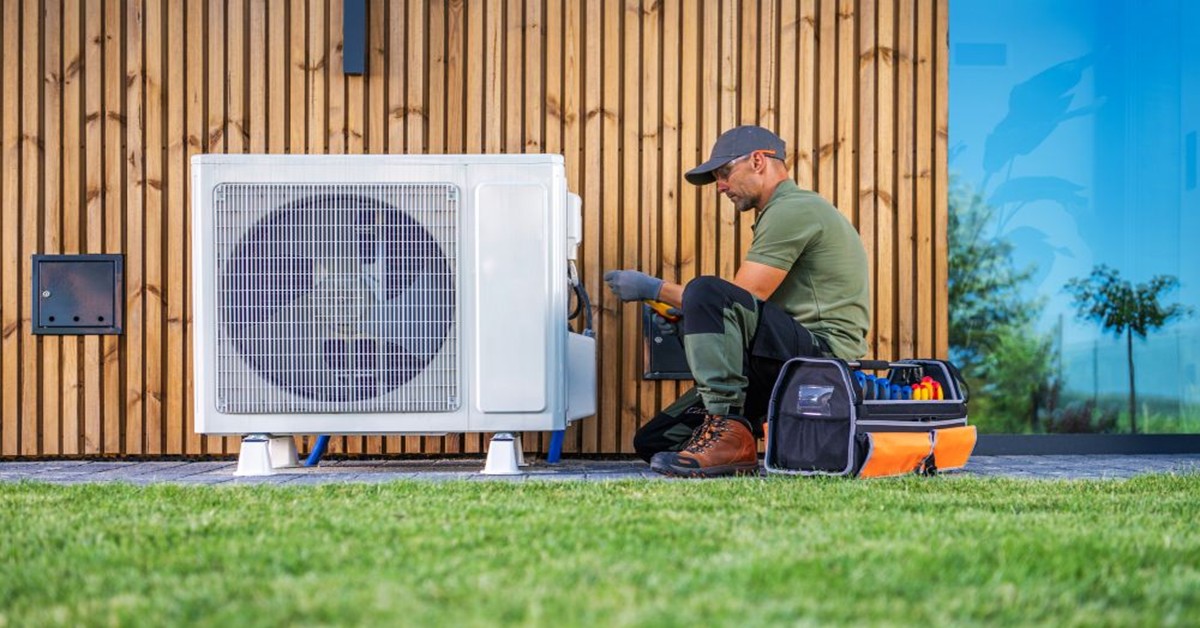 https://www.dfmurphy.com/wp-content/uploads/HVAC-System-Care-Energy-Efficiency-Homeowners-Manual-Blog-Series.jpg
628
1200
Murphy Insurance
https://dfmurphy.wpenginepowered.com/wp-content/uploads/Murphy-Insurance-Logo-Header.jpg
Murphy Insurance2026-05-28 07:00:422026-05-20 15:38:42HVAC System Care & Energy Efficiency | Homeowner’s Manual Blog Series
https://www.dfmurphy.com/wp-content/uploads/HVAC-System-Care-Energy-Efficiency-Homeowners-Manual-Blog-Series.jpg
628
1200
Murphy Insurance
https://dfmurphy.wpenginepowered.com/wp-content/uploads/Murphy-Insurance-Logo-Header.jpg
Murphy Insurance2026-05-28 07:00:422026-05-20 15:38:42HVAC System Care & Energy Efficiency | Homeowner’s Manual Blog SeriesVisit Our Homeowners Insurance Page

At Murphy Insurance, we take great care in assessing your options for homeowners insurance to ensure that you receive the most favorable value. Our dedication to serving you entails collaborating with highly-rated insurance providers and conducting comprehensive assessments of available choices. Our goal is to achieve the ideal equilibrium between affordability and coverage that suits your unique needs. Please let us provide you with a customized homeowners insurance quote.

