
Water damage is among the most common reasons for making a property damage claim. Home, condominium, renter insurance and commercial property policies cover a variety of types of property damage caused by water. However, not every instance of water damage is covered by insurance. Damage being covered by a policy can depend on the cause of water damage and the type of policy you have. In some cases, it may depend on whether or not you’ve purchased optional coverages.

Water damage causes
Causes of water damage can be categorized in several ways:
- Sudden or accidental water discharge or overflow – a burst pipe; washing machine malfunction; toilet, sink or tub overflows
- Weather related damage – weight of ice, snow or sleet; ice dams; freezing pipes; wind damage; roof damage due to hail or falling trees.
- Sewer backup – back up discharge from a sewer system or sump pump into your property
- Flood – excessive rainfall or a sudden thaw causing a rapid rising, overflow or accumulation of water. Not every situation meets the insurance flood definition
- Seepage and gradual damage – infiltration of water into a structure caused by surface water such as rain, runoff, or saturated ground.
What’s usually covered
Sudden or accidental discharge – Overflow of water – Weather related damage. Most standard policies cover damage from a “sudden or accidental discharge, or overflow of water” or “weather related damage as outlined above, but situations and policies vary, so it’s wise to review the specific language of your insurance policy to be sure you understand any limitations.
What’s typically not covered
Flooding – Sewer Backup. Most standard policies do not provide coverage for backups of sewers or drains, or flooding. The good news is that you generally have the option to purchase coverage for these situations. Coverage for sewer back up can usually be added to a standard policy through an endorsement. To be covered for flooding, you need to purchase a separate policy, typically from the National Flood Insurance Program (NFIP).
Be aware that not every situation of rising or rush water meets the NFIP definition of a flood. The NFIP definition is specific regarding flooded area and number of properties involved in order for a water event to qualify as a flood and have flood insurance coverage apply.
Seepage and Gradual damage. Seepage is a situation where water enters the home by some other means than the above qualifying covered loss situations. For example, surface water coming in through cracks in the foundation or other openings. Seepage is typically not covered by insurance policies because it is viewed as a maintenance issue. If you have seepage or drainage issues, speak with a contractor about how to remedy the situation.
Gradual damage is something that happens slowly overtime due to aging materials, normal wear, or other issues, which is why periodically inspecting your property and making preventative repairs for proper maintenance is important. Some examples include leaky plumbing causing damage to ceilings, walls or floors; deteriorating roof materials allow water to enter; rot, corrosion or mold. If water damage is not sudden or accidental, but rather results from a problem that went undetected for some time, there is typically not coverage.
What to do if you have water damage
Don’t wait to call your insurer. If you notice damage to your home, call your insurance agent or insurance company as soon as possible. Your insurance professional can offer advice and may be able to arrange for assistance to help prevent further damage. They may be able to help get experienced professionals out faster to address the problem than if you call on your own.
Take steps to prevent further damage. You are responsible for preventing further damage. While waiting for the insurance adjuster and starting clean up, you may feel the need to move things or throw something away. Before you do so take a few minutes to document what has occurred and any possessions or materials. If the situation is an emergency and you need to take immediate action to prevent further damage by hiring a plumber or contractor, keep receipts and records of any expenditure.
Be proactive
If the above general overview has raised questions for you, speak with your insurance professional. Confirm what coverage you have and what optional coverage is available such as flood or sewer backup protection. By making adjustments to your insurance and following a good maintenance and prevention plan, you can reduce the chances of damage to your home. Also, if a claim does happen you‘ll be better prepared.
Note: The above descriptions of damage and claim coverage are only general in nature. Claim situations and policies vary; therefore, final claims determinations depends on the circumstances and the coverage provided by the specific policy. https://www.dfmurphy.com/wp-content/uploads/Personal-Insurance-Updates.jpg
628
1200
Wayne Texeira
https://dfmurphy.wpenginepowered.com/wp-content/uploads/Murphy-Insurance-Logo-Header.jpg
Wayne Texeira2026-10-20 14:12:092026-10-20 16:06:15Insurance Reminders: Don’t Forget These Updates
https://www.dfmurphy.com/wp-content/uploads/Personal-Insurance-Updates.jpg
628
1200
Wayne Texeira
https://dfmurphy.wpenginepowered.com/wp-content/uploads/Murphy-Insurance-Logo-Header.jpg
Wayne Texeira2026-10-20 14:12:092026-10-20 16:06:15Insurance Reminders: Don’t Forget These Updates https://www.dfmurphy.com/wp-content/uploads/Foundation-Structural-Integrity-Homeowners-Manual-Blog-Series-Blank.jpg
629
1200
Murphy Insurance
https://dfmurphy.wpenginepowered.com/wp-content/uploads/Murphy-Insurance-Logo-Header.jpg
Murphy Insurance2026-10-08 07:00:392026-10-15 14:33:14Foundation & Structural Integrity | Homeowner’s Manual Blog Series
https://www.dfmurphy.com/wp-content/uploads/Foundation-Structural-Integrity-Homeowners-Manual-Blog-Series-Blank.jpg
629
1200
Murphy Insurance
https://dfmurphy.wpenginepowered.com/wp-content/uploads/Murphy-Insurance-Logo-Header.jpg
Murphy Insurance2026-10-08 07:00:392026-10-15 14:33:14Foundation & Structural Integrity | Homeowner’s Manual Blog Series https://www.dfmurphy.com/wp-content/uploads/5-Common-Insurance-Mistakes-Small-Businesses-Make-.jpg
628
1200
Murphy Insurance
https://dfmurphy.wpenginepowered.com/wp-content/uploads/Murphy-Insurance-Logo-Header.jpg
Murphy Insurance2026-10-06 12:51:292026-10-06 16:02:595 Common Insurance Mistakes Small Businesses Make
https://www.dfmurphy.com/wp-content/uploads/5-Common-Insurance-Mistakes-Small-Businesses-Make-.jpg
628
1200
Murphy Insurance
https://dfmurphy.wpenginepowered.com/wp-content/uploads/Murphy-Insurance-Logo-Header.jpg
Murphy Insurance2026-10-06 12:51:292026-10-06 16:02:595 Common Insurance Mistakes Small Businesses Make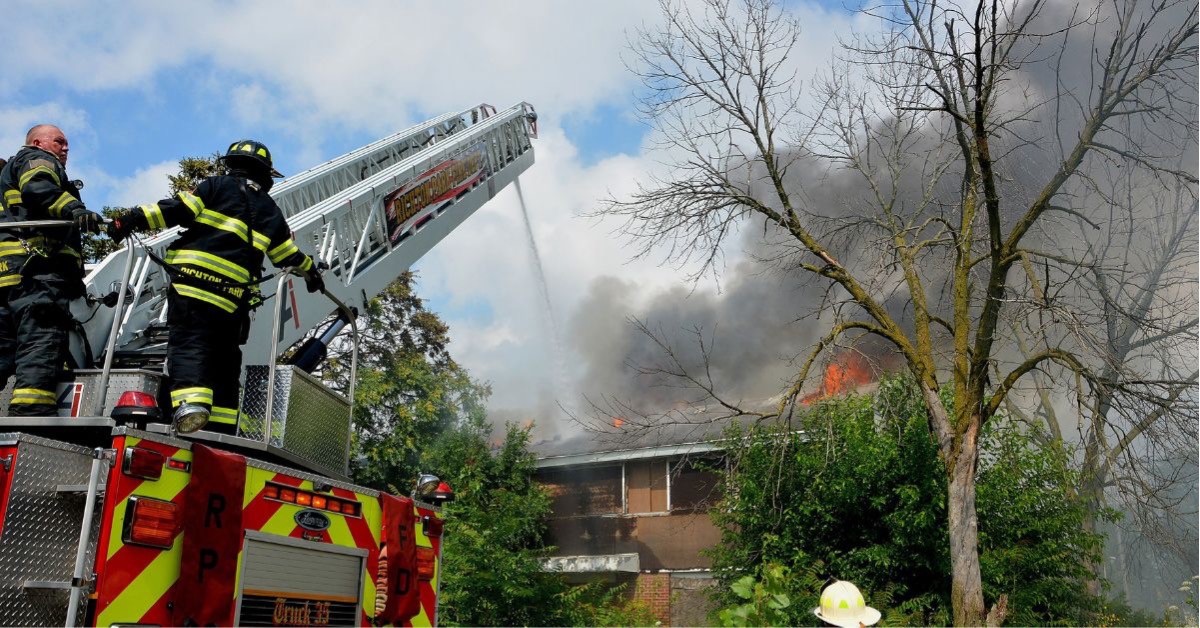 https://www.dfmurphy.com/wp-content/uploads/Fire-Prevention-Month-Helping-Protect-Your-Home-and-Family-from-Fire-Risks.jpg
628
1200
Murphy Insurance
https://dfmurphy.wpenginepowered.com/wp-content/uploads/Murphy-Insurance-Logo-Header.jpg
Murphy Insurance2026-10-01 07:00:502026-09-28 14:35:21Fire Prevention Month: Helping Protect Your Home and Family from Fire Risks
https://www.dfmurphy.com/wp-content/uploads/Fire-Prevention-Month-Helping-Protect-Your-Home-and-Family-from-Fire-Risks.jpg
628
1200
Murphy Insurance
https://dfmurphy.wpenginepowered.com/wp-content/uploads/Murphy-Insurance-Logo-Header.jpg
Murphy Insurance2026-10-01 07:00:502026-09-28 14:35:21Fire Prevention Month: Helping Protect Your Home and Family from Fire Risks https://www.dfmurphy.com/wp-content/uploads/Addressing-5-Common-Sources-of-General-Liability-Claims.png
907
1734
Wayne Texeira
https://dfmurphy.wpenginepowered.com/wp-content/uploads/Murphy-Insurance-Logo-Header.jpg
Wayne Texeira2026-09-30 07:00:482026-09-28 13:20:16Addressing 5 Common Sources of General Liability Claims
https://www.dfmurphy.com/wp-content/uploads/Addressing-5-Common-Sources-of-General-Liability-Claims.png
907
1734
Wayne Texeira
https://dfmurphy.wpenginepowered.com/wp-content/uploads/Murphy-Insurance-Logo-Header.jpg
Wayne Texeira2026-09-30 07:00:482026-09-28 13:20:16Addressing 5 Common Sources of General Liability Claims https://www.dfmurphy.com/wp-content/uploads/Understanding-Safety-and-Responsibility-at-the-Playground-2.jpg
628
1200
Wayne Texeira
https://dfmurphy.wpenginepowered.com/wp-content/uploads/Murphy-Insurance-Logo-Header.jpg
Wayne Texeira2026-09-28 07:00:242026-09-28 12:45:02Understanding Safety and Responsibility at the Playground
https://www.dfmurphy.com/wp-content/uploads/Understanding-Safety-and-Responsibility-at-the-Playground-2.jpg
628
1200
Wayne Texeira
https://dfmurphy.wpenginepowered.com/wp-content/uploads/Murphy-Insurance-Logo-Header.jpg
Wayne Texeira2026-09-28 07:00:242026-09-28 12:45:02Understanding Safety and Responsibility at the Playground https://www.dfmurphy.com/wp-content/uploads/Untitled-design-60.jpg
628
1200
Murphy Insurance
https://dfmurphy.wpenginepowered.com/wp-content/uploads/Murphy-Insurance-Logo-Header.jpg
Murphy Insurance2026-09-24 07:00:582026-10-15 15:16:10How to Stop Receiving Mail Addressed to a Deceased Person
https://www.dfmurphy.com/wp-content/uploads/Untitled-design-60.jpg
628
1200
Murphy Insurance
https://dfmurphy.wpenginepowered.com/wp-content/uploads/Murphy-Insurance-Logo-Header.jpg
Murphy Insurance2026-09-24 07:00:582026-10-15 15:16:10How to Stop Receiving Mail Addressed to a Deceased Person https://www.dfmurphy.com/wp-content/uploads/Understanding-and-Preventing-Digital-Eye-Strain-1.jpg
628
1200
Wayne Texeira
https://dfmurphy.wpenginepowered.com/wp-content/uploads/Murphy-Insurance-Logo-Header.jpg
Wayne Texeira2026-09-21 11:30:102026-09-21 14:14:35Understanding and Preventing Digital Eye Strain
https://www.dfmurphy.com/wp-content/uploads/Understanding-and-Preventing-Digital-Eye-Strain-1.jpg
628
1200
Wayne Texeira
https://dfmurphy.wpenginepowered.com/wp-content/uploads/Murphy-Insurance-Logo-Header.jpg
Wayne Texeira2026-09-21 11:30:102026-09-21 14:14:35Understanding and Preventing Digital Eye Strain https://www.dfmurphy.com/wp-content/uploads/How-AI-Is-Changing-Cyber-Insurance-1200.jpg
628
1200
Wayne Texeira
https://dfmurphy.wpenginepowered.com/wp-content/uploads/Murphy-Insurance-Logo-Header.jpg
Wayne Texeira2026-09-15 07:00:112026-09-17 12:12:48How AI Is Changing Cyber Insurance
https://www.dfmurphy.com/wp-content/uploads/How-AI-Is-Changing-Cyber-Insurance-1200.jpg
628
1200
Wayne Texeira
https://dfmurphy.wpenginepowered.com/wp-content/uploads/Murphy-Insurance-Logo-Header.jpg
Wayne Texeira2026-09-15 07:00:112026-09-17 12:12:48How AI Is Changing Cyber InsuranceVisit Our Personal Insurance Page

Life is an ever-changing journey, and it deserves a thoughtful, comprehensive plan to protect the things and people that matter most. Our dedicated team at Murphy Insurance is here to assist you in creating that plan. With a wide range of product options at our disposal, we ensure that your plan is tailored precisely to your requirements. Our commitment to providing clear, intelligent guidance to help you achieve true peace of mind. Learn more about our personal insurance portfolio.
Visit Our Business Insurance Page

Murphy Insurance stands as your steadfast partner in safeguarding your business from unforeseen challenges in today’s dynamic business landscape. In an era where comprehensive business insurance is not just a prudent choice but a vital one for ensuring the long-term stability and security of your enterprise, we are here to offer our expertise. Running a business inherently entails various risks that can potentially impact your financial stability and reputation. Learn more about our comprehensive business insurance solutions, which are meticulously designed to protect you from these potential threats, granting you peace of mind necessary to focus on the growth and prosperity of your business.

