
Safe riding and fostering cooperation among all road users can reduce highway fatalities and injuries. Motorists must grasp the unique safety hurdles motorcyclists face, including size and visibility issues, as well as their riding techniques like downshifting and weaving. Elevating motorists’ awareness will enhance the safety of drivers and riders when sharing the road.

In 2018, motorcycle rider deaths accounted for 14% of all motor vehicle crash deaths. While there was a 5% decrease in motorcycle deaths over the previous year, this was still a loss of 4,985 lives, with the most significant frequency of occurrences happening in June, July & August. Based on miles traveled, the number of deaths on motorcycles in 2017 was nearly 27 times the number in cars, according to the National Highway Traffic Safety Administration.
Tips for Motorists
- Research and state-level data consistently identify motorists as being at fault in over half of all multi-vehicle motorcycle-involved collisions.
- NHTSA-funded research has shown that people behind the wheels of passenger vehicles are distracted more than 50 percent of the time. Road users should never drive, bike, or walk while distracted. Doing so can result in tragic consequences for all on the road, including motorcyclists.
- It may seem inconsequential, but improperly using a vehicle’s rear-view and side-view mirrors contributes to collisions, particularly with smaller vehicles like motorcycles. With roughly 40 percent of a vehicle’s outer perimeter zones hidden by blind spots, improper adjustment or lack of use of one’s side-view mirrors can have dire consequences for motorcyclists.
- If you are turning at an intersection, and your view of oncoming traffic is partially obstructed, wait to see around the obstruction, sufficiently scan for all roadway users (pedestrians and motorcyclists included), and proceed cautiously. Slow your decision-making process down at intersections.
- If there are large differences in speed among vehicles in traffic, one’s reaction time and ability to assess and respond to a potential collision, such as a lane change, are significantly hindered. When approaching a congested roadway, being diligent in modifying one’s speed to match that of the cars in traffic can be a lifesaver, particularly for motorcyclists.
- Allow a motorcyclist a full lane width. Though it may seem like there is enough room in a single lane for a motor vehicle and a motorcycle, looks can be deceiving. Share the road, not the lane: a motorcyclist needs room to maneuver safely.
- Because motorcycles are smaller than most vehicles, they can be difficult to see. Their size can also cause other drivers to misjudge their speed and distance.
- Motorcycles’ size also counts against them when it comes to blind spots. Motorcyclists can be easily hidden in a vehicle’s blind spot. Always look for motorcycles by checking your mirrors and blind spots before switching to another traffic lane.
- Always signal your intentions before changing lanes or merging with traffic. This allows motorcyclists to anticipate your movement and find a safe lane position.
- Don’t be fooled by a flashing turn signal on a motorcycle—it may not be self-canceling, and the motorcyclist may have forgotten to turn it off. Wait to be sure the rider is going to turn before you proceed.
- Allow more follow distance – three or four seconds – when following a motorcycle; this gives the rider more time to maneuver or stop in an emergency. Motorcycle riders may suddenly need to change speed or adjust lane position to avoid hazards such as potholes, gravel, wet or slippery surfaces, pavement seams, railroad crossings, and grooved pavement.
Tips for Motorcyclists
- Wear a DOT-compliant helmet and use reflective tape and gear to be more visible. Wearing a helmet is the best way to protect your brain in the case of an accident.
- Be sure your motorcycle helmet meets the U.S. Department of Transportation (DOT) Federal Motor Vehicle Safety Standard (FMVSS) 218. Look for the DOT symbol on the outside back of the helmet. While all motorcycle helmets sold in the US must meet the federal standard and have the DOT certification label, some retailers sell “novelty helmets” that do not meet safety standards and will not protect you in a crash. Fake DOT labels are also being sold to put on these unsafe helmets. Purchase from a reputable source.
- Never ride while impaired or distracted—it is not worth the risk of killing or injuring yourself or someone else. Plus, a DUI costs $10,000 on average and can lead to jail time, loss of your driver’s license, and higher insurance rates.
Please ensure that you are properly covered and that your auto and motorcycle insurance policies are up-to-date. Feel free to Contact Us at Murphy Insurance for more information.
 https://www.dfmurphy.com/wp-content/uploads/Should-You-Put-Your-Teen-on-Your-Car-Policy-or-Get-Them-Their-Own-.jpg
628
1200
Murphy Insurance
https://dfmurphy.wpenginepowered.com/wp-content/uploads/Murphy-Insurance-Logo-Header.jpg
Murphy Insurance2026-08-25 07:00:452026-08-24 13:16:18Should You Put Your Teen on Your Car Policy or Get Them Their Own?
https://www.dfmurphy.com/wp-content/uploads/Should-You-Put-Your-Teen-on-Your-Car-Policy-or-Get-Them-Their-Own-.jpg
628
1200
Murphy Insurance
https://dfmurphy.wpenginepowered.com/wp-content/uploads/Murphy-Insurance-Logo-Header.jpg
Murphy Insurance2026-08-25 07:00:452026-08-24 13:16:18Should You Put Your Teen on Your Car Policy or Get Them Their Own? https://www.dfmurphy.com/wp-content/uploads/Electrical-Safety-Homeowners-Manual-Blog-Series-.jpg
629
1200
Murphy Insurance
https://dfmurphy.wpenginepowered.com/wp-content/uploads/Murphy-Insurance-Logo-Header.jpg
Murphy Insurance2026-08-17 07:00:102026-08-13 11:17:19Electrical Safety | Homeowner’s Manual Blog Series
https://www.dfmurphy.com/wp-content/uploads/Electrical-Safety-Homeowners-Manual-Blog-Series-.jpg
629
1200
Murphy Insurance
https://dfmurphy.wpenginepowered.com/wp-content/uploads/Murphy-Insurance-Logo-Header.jpg
Murphy Insurance2026-08-17 07:00:102026-08-13 11:17:19Electrical Safety | Homeowner’s Manual Blog Series https://www.dfmurphy.com/wp-content/uploads/Home-Inventory-Made-Simple-The-30-Minute-Method-That-Helps-Claims-Go-Faster.jpg
628
1200
Murphy Insurance
https://dfmurphy.wpenginepowered.com/wp-content/uploads/Murphy-Insurance-Logo-Header.jpg
Murphy Insurance2026-08-13 07:00:152026-07-27 12:49:37Home Inventory Made Simple | The 30-Minute Method That Helps Claims Go Faster
https://www.dfmurphy.com/wp-content/uploads/Home-Inventory-Made-Simple-The-30-Minute-Method-That-Helps-Claims-Go-Faster.jpg
628
1200
Murphy Insurance
https://dfmurphy.wpenginepowered.com/wp-content/uploads/Murphy-Insurance-Logo-Header.jpg
Murphy Insurance2026-08-13 07:00:152026-07-27 12:49:37Home Inventory Made Simple | The 30-Minute Method That Helps Claims Go Faster https://www.dfmurphy.com/wp-content/uploads/College-students-1-scaled.jpg
1340
2560
Murphy Insurance
https://dfmurphy.wpenginepowered.com/wp-content/uploads/Murphy-Insurance-Logo-Header.jpg
Murphy Insurance2026-08-03 07:00:232026-05-21 12:46:40Do College Students Need Renters Insurance?
https://www.dfmurphy.com/wp-content/uploads/College-students-1-scaled.jpg
1340
2560
Murphy Insurance
https://dfmurphy.wpenginepowered.com/wp-content/uploads/Murphy-Insurance-Logo-Header.jpg
Murphy Insurance2026-08-03 07:00:232026-05-21 12:46:40Do College Students Need Renters Insurance? https://www.dfmurphy.com/wp-content/uploads/5-Ways-to-Stay-Cool-Under-Summer-Pressure.jpg
628
1200
Wayne Texeira
https://dfmurphy.wpenginepowered.com/wp-content/uploads/Murphy-Insurance-Logo-Header.jpg
Wayne Texeira2026-07-24 07:00:592026-08-14 13:03:125 Ways to Stay Cool Under Summer Pressure
https://www.dfmurphy.com/wp-content/uploads/5-Ways-to-Stay-Cool-Under-Summer-Pressure.jpg
628
1200
Wayne Texeira
https://dfmurphy.wpenginepowered.com/wp-content/uploads/Murphy-Insurance-Logo-Header.jpg
Wayne Texeira2026-07-24 07:00:592026-08-14 13:03:125 Ways to Stay Cool Under Summer Pressure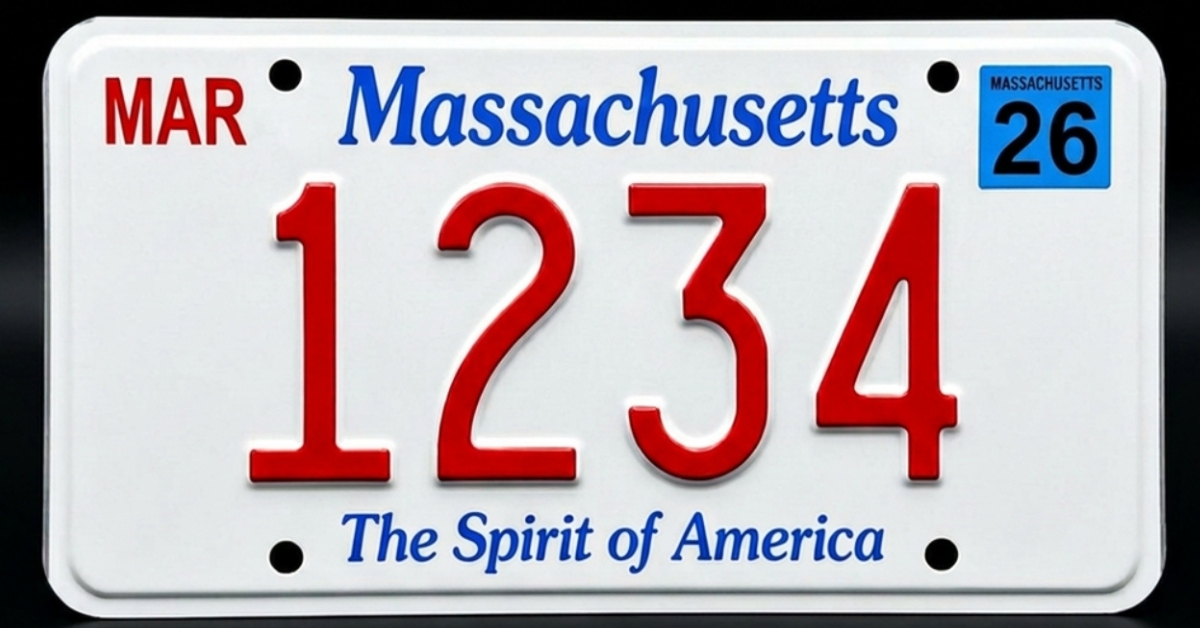 https://www.dfmurphy.com/wp-content/uploads/MA-Low-Plate-Lottery-1200.jpg
628
1200
Murphy Insurance
https://dfmurphy.wpenginepowered.com/wp-content/uploads/Murphy-Insurance-Logo-Header.jpg
Murphy Insurance2026-07-15 08:30:252026-07-27 12:51:04Massachusetts Launches 2026 Low-Number License Plate Lottery With 237 Plates Up for Grabs
https://www.dfmurphy.com/wp-content/uploads/MA-Low-Plate-Lottery-1200.jpg
628
1200
Murphy Insurance
https://dfmurphy.wpenginepowered.com/wp-content/uploads/Murphy-Insurance-Logo-Header.jpg
Murphy Insurance2026-07-15 08:30:252026-07-27 12:51:04Massachusetts Launches 2026 Low-Number License Plate Lottery With 237 Plates Up for Grabs https://www.dfmurphy.com/wp-content/uploads/Outdoor-Maintenance-Flipped-HM-Blog-Series.jpg
630
1200
Murphy Insurance
https://dfmurphy.wpenginepowered.com/wp-content/uploads/Murphy-Insurance-Logo-Header.jpg
Murphy Insurance2026-07-09 07:00:502026-08-12 10:34:24Outdoor Maintenance | Homeowner’s Manual Blog Series
https://www.dfmurphy.com/wp-content/uploads/Outdoor-Maintenance-Flipped-HM-Blog-Series.jpg
630
1200
Murphy Insurance
https://dfmurphy.wpenginepowered.com/wp-content/uploads/Murphy-Insurance-Logo-Header.jpg
Murphy Insurance2026-07-09 07:00:502026-08-12 10:34:24Outdoor Maintenance | Homeowner’s Manual Blog Series https://www.dfmurphy.com/wp-content/uploads/Copy-of-Hurricane-Season-Has-Begun-1200.jpg
628
1200
Wayne Texeira
https://dfmurphy.wpenginepowered.com/wp-content/uploads/Murphy-Insurance-Logo-Header.jpg
Wayne Texeira2026-07-01 15:44:232026-07-30 10:27:12A Safer Start to Summer: Simple Habits for a Fun and Worry-Free Fourth of July
https://www.dfmurphy.com/wp-content/uploads/Copy-of-Hurricane-Season-Has-Begun-1200.jpg
628
1200
Wayne Texeira
https://dfmurphy.wpenginepowered.com/wp-content/uploads/Murphy-Insurance-Logo-Header.jpg
Wayne Texeira2026-07-01 15:44:232026-07-30 10:27:12A Safer Start to Summer: Simple Habits for a Fun and Worry-Free Fourth of July https://www.dfmurphy.com/wp-content/uploads/Hurricane-Season-Has-Begun-1200.jpg
628
1200
Wayne Texeira
https://dfmurphy.wpenginepowered.com/wp-content/uploads/Murphy-Insurance-Logo-Header.jpg
Wayne Texeira2026-06-18 10:03:112026-07-01 14:56:15Tropical Storm Arthur—a Reminder That Hurricane Season Has Begun
https://www.dfmurphy.com/wp-content/uploads/Hurricane-Season-Has-Begun-1200.jpg
628
1200
Wayne Texeira
https://dfmurphy.wpenginepowered.com/wp-content/uploads/Murphy-Insurance-Logo-Header.jpg
Wayne Texeira2026-06-18 10:03:112026-07-01 14:56:15Tropical Storm Arthur—a Reminder That Hurricane Season Has BegunVisit Our Auto Insurance Page

At Murphy Insurance, we are here to assist you in obtaining the appropriate auto insurance. Choosing the appropriate auto insurance coverage can be overwhelming. Every insurance company has its unique offerings, making it challenging to compare options effectively. That’s where we shine. We simplify the process by helping you evaluate provider and policy choices, seek out discounts, and optimize your car insurance within your budget constraints. Ultimately, our goal is to provide you with peace of mind, knowing that you and your loved ones are well-protected.

