
Family, Home, and Career Status Should Be Reflected In Your Policy Coverage.
Our insurance needs change as circumstances in our lives change, which is why we recommend doing an annual insurance review.
When reviewing your insurance coverage, these ten questions can help you figure out whether you may need to talk to your insurance professional about making a change to your coverage:

1. Have you gotten married or divorced? If you have gotten married, you may qualify for a discount on your
auto insurance. Couples may bring two cars into the relationship and two different auto insurance companies, so take the opportunity to review your existing coverage and see which company offers the best combination of price and service.
If you merge two households, you may need to update your homeowners insurance. You may also want to consider increasing your insurance for any new valuables received, such as wedding gifts and jewelry, such as wedding and engagement rings.
After getting married, it is essential to review your life insurance needs. If one spouse is not working, he or she might be dependent on the working spouse’s income; if so, reviewing life and disability insurance coverage is prudent. The spouse not working outside the home should also consider having a separate life insurance policy because, in the event of premature death, the services he or she provides for the household would need to be replaced, which could prove costly to the surviving spouse. Moreover, even if both spouses are working, couples often make financial commitments based on both incomes, so the loss of one spouse’s income due to death or disability could be financially devastating without adequate insurance.
On the other hand, if you got divorced over the past year, you will probably no longer be sharing a car with your former spouse and have likely moved to a different residence. If this is the case, you should inform your insurer, as you will need to set up separate auto and homeowners insurance policies.
2. Have you had a baby?
If you have recently added a child to your family, whether by birth or adoption, it is essential to review your life insurance and disability income insurance protection.
If you are planning for your life insurance to match your survivors’ expenses after your death, the new child will no doubt add to those expenses, requiring more life insurance to keep your family secure. If you plan to save for your child’s college education, life insurance can ensure the completion of that plan. And if you keep your current life insurance policy, don’t forget to update the beneficiary designations to include the new child.
3. Did your teenager get a driver’s license?
It is generally cheaper to add your teenagers to your auto insurance policy than for them to purchase their own. If they are going to be driving their car, consider insuring it with your company so you can get a multi-car discount. Choose the car carefully—the type of car a young person drives can dramatically affect the price of insurance. You and your teens should choose a vehicle that is easy to drive and would offer protection in the event of a crash.
Also, encourage your kids to get good grades and to take a driver training course. Most companies will give discounts to students who get at least a “B” average in school and take recognized driving courses.
If your teenagers move at least 100 miles from home—for example, to go to college—you can get a discount for the time they are not around to drive the car (assuming they leave it at home).
4. Have you switched jobs or experienced a significant change in your income?
If you had life insurance and disability insurance through your former employer, and your new employer does not provide equivalent protection, you can replace the “lost” coverage with individual policies.
With an income increase, you may have taken on additional financial commitments that your survivors will depend on. Review your life and disability insurance to ensure it is adequate to maintain those commitments.
You may want to cut your life insurance premiums if your income decreases. Term life insurance is a good option, as the premium rates are very reasonable. If you already have two or more policies, you might be able to replace both with a single policy at a lower rate because you may reach a “milestone” in insurance. (For example, at many life insurance companies, $500,000 of insurance costs less than $450,000 because of the milestone discount.) But don’t drop existing life insurance until you have a new policy.
5. Have you done extensive renovations on your home?
Suppose you have made significant improvements to your home, such as adding a new room, enclosing a porch, or expanding a kitchen or bathroom. If you don’t report the changes to your insurance company, you risk being underinsured. Increasing the value of the home’s structure may require increasing your homeowners insurance coverage limits.
Don’t overlook new structures outside of your home. If you built a gazebo, a new shed for your tools, or installed a pool or hot tub, you should speak to your insurance professional.
If you purchase furniture, exercise equipment, or electronics as part of a renovation, you may need to increase the insurance on your personal possessions. Keep receipts and add any new items to your home inventory. To create a personal home inventory, try the I.I.I.’s free Know Your Stuff® Home Inventory Tool or use Murphy Insurance’s Inventory Worksheets (Adobe) or (Excel).
6. Have you decided to buy a second home?
If you are searching for a vacation home or a second home you might retire to, research the availability and cost of homeowners insurance before committing to the purchase.
The factors that make a vacation home seem ideal, whether it is a waterfront property or a mountain retreat, can often introduce risks that make it costly and difficult to insure, such as proximity to the coast and the likelihood that it will be vacant for long periods.
Don’t skimp on the insurance if you have already bought a vacation home. The risk of theft or disaster is just as significant, if not more so, in a second home as in your primary residence.
Ask about flood insurance if your new property is close to the water. Landowner insurance policies do not cover damage to your home or belongings from a flood. Flood insurance is available from the National Flood Insurance Program (NFIP) and some private insurers and is generally sold through private agents and brokers. You can ask your insurance professional whether your home is at risk for flood or enter your address on the NFIP website to determine whether your home is in a flood zone. If you have a very valuable home, some homeowners insurers offer excess flood coverage over and above what the NFIP policies provide.
7. Have you acquired any new valuables, such as jewelry, electronic equipment, fine art, or antiques?
A standard homeowners policy offers only limited coverage for highly valuable items. If you have made purchases or received gifts that exceed these limits, you should consider supplementing your policy with a scheduled coverage floater or endorsement, a separate policy that provides additional insurance for your valuables and covers them for perils not included in your policy, such as accidental loss. Before purchasing a floater, the items covered must be professionally appraised. Keep receipts and add the new items to your home inventory.
8. Have you signed a lease on a house or apartment?
If you are renting a home, your landlord is responsible for insuring the structure of the building but not for insuring your possessions—that is up to you. Renters insurance is a good investment if you want to be covered against losses from theft and catastrophes such as fire, lightning, and windstorm damage. Like homeowners insurance, renters insurance includes personal liability, which covers your responsibility to other people injured at your home or elsewhere by you. It pays legal defense costs if you are taken to court.
Regardless of whether you are a renter or an owner, you will have the following options when it comes to insuring your possessions:
- Actual cash value pays to replace your home or possessions minus a depreciation deduction.
- Replacement costs include rebuilding or repairing your home or replacing your possessions without a deduction for depreciation. Replacement cost coverage is preferable and typically doesn’t cost significantly more, especially when you consider the additional value of the coverage.
Think carefully about your financial position in the aftermath of a disaster, and make sure you have the right type of policy.
9. Have you joined a carpool?
If you are a frequent carpool driver, whether it is to work, or ferrying kids to school and other activities, your personal liability insurance should reflect the increased risk of additional passengers in the automobile. Check with your insurance professional to make sure your coverage is adequate.
10. Have you retired?
If you commuted regularly to your job, your mileage has likely plummeted in retirement. If so, you should report it to your auto insurer, as it could significantly lower the cost of your auto insurance premiums. Furthermore, depending on the insurance company, drivers over 50-55 may get a discount.
Source: Insurance Information Institute
 https://www.dfmurphy.com/wp-content/uploads/Personal-Insurance-Updates.jpg
628
1200
Wayne Texeira
https://dfmurphy.wpenginepowered.com/wp-content/uploads/Murphy-Insurance-Logo-Header.jpg
Wayne Texeira2026-10-20 14:12:092026-10-20 16:06:15Insurance Reminders: Don’t Forget These Updates
https://www.dfmurphy.com/wp-content/uploads/Personal-Insurance-Updates.jpg
628
1200
Wayne Texeira
https://dfmurphy.wpenginepowered.com/wp-content/uploads/Murphy-Insurance-Logo-Header.jpg
Wayne Texeira2026-10-20 14:12:092026-10-20 16:06:15Insurance Reminders: Don’t Forget These Updates https://www.dfmurphy.com/wp-content/uploads/Foundation-Structural-Integrity-Homeowners-Manual-Blog-Series-Blank.jpg
629
1200
Murphy Insurance
https://dfmurphy.wpenginepowered.com/wp-content/uploads/Murphy-Insurance-Logo-Header.jpg
Murphy Insurance2026-10-08 07:00:392026-10-15 14:33:14Foundation & Structural Integrity | Homeowner’s Manual Blog Series
https://www.dfmurphy.com/wp-content/uploads/Foundation-Structural-Integrity-Homeowners-Manual-Blog-Series-Blank.jpg
629
1200
Murphy Insurance
https://dfmurphy.wpenginepowered.com/wp-content/uploads/Murphy-Insurance-Logo-Header.jpg
Murphy Insurance2026-10-08 07:00:392026-10-15 14:33:14Foundation & Structural Integrity | Homeowner’s Manual Blog Series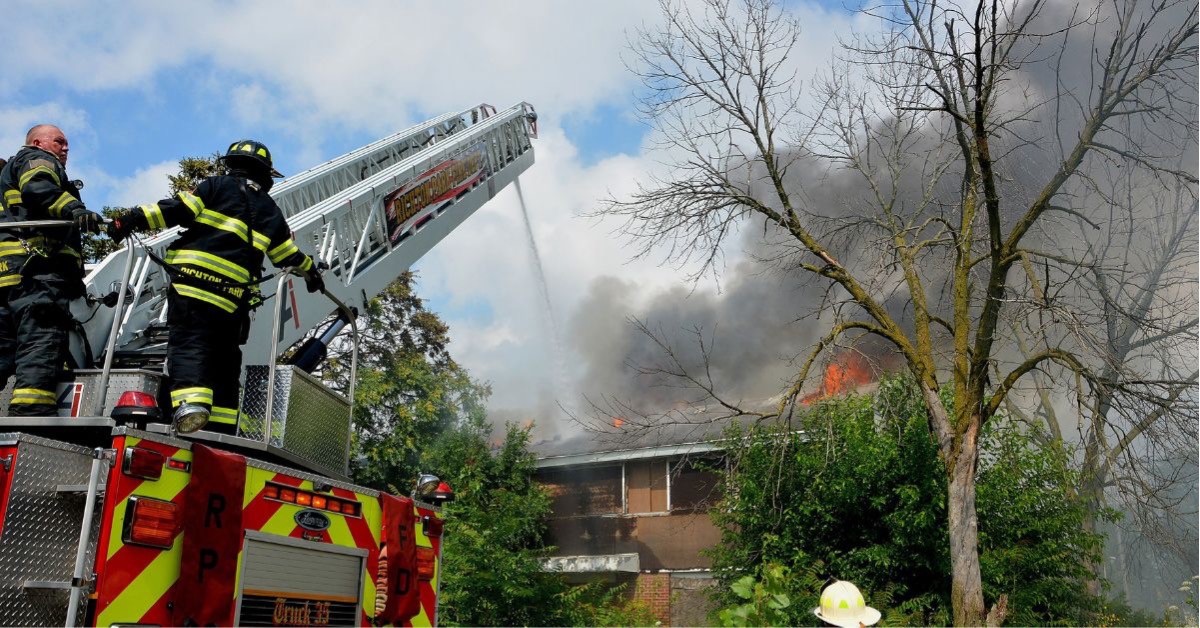 https://www.dfmurphy.com/wp-content/uploads/Fire-Prevention-Month-Helping-Protect-Your-Home-and-Family-from-Fire-Risks.jpg
628
1200
Murphy Insurance
https://dfmurphy.wpenginepowered.com/wp-content/uploads/Murphy-Insurance-Logo-Header.jpg
Murphy Insurance2026-10-01 07:00:502026-09-28 14:35:21Fire Prevention Month: Helping Protect Your Home and Family from Fire Risks
https://www.dfmurphy.com/wp-content/uploads/Fire-Prevention-Month-Helping-Protect-Your-Home-and-Family-from-Fire-Risks.jpg
628
1200
Murphy Insurance
https://dfmurphy.wpenginepowered.com/wp-content/uploads/Murphy-Insurance-Logo-Header.jpg
Murphy Insurance2026-10-01 07:00:502026-09-28 14:35:21Fire Prevention Month: Helping Protect Your Home and Family from Fire Risks https://www.dfmurphy.com/wp-content/uploads/Understanding-Safety-and-Responsibility-at-the-Playground-2.jpg
628
1200
Wayne Texeira
https://dfmurphy.wpenginepowered.com/wp-content/uploads/Murphy-Insurance-Logo-Header.jpg
Wayne Texeira2026-09-28 07:00:242026-09-28 12:45:02Understanding Safety and Responsibility at the Playground
https://www.dfmurphy.com/wp-content/uploads/Understanding-Safety-and-Responsibility-at-the-Playground-2.jpg
628
1200
Wayne Texeira
https://dfmurphy.wpenginepowered.com/wp-content/uploads/Murphy-Insurance-Logo-Header.jpg
Wayne Texeira2026-09-28 07:00:242026-09-28 12:45:02Understanding Safety and Responsibility at the Playground https://www.dfmurphy.com/wp-content/uploads/Untitled-design-60.jpg
628
1200
Murphy Insurance
https://dfmurphy.wpenginepowered.com/wp-content/uploads/Murphy-Insurance-Logo-Header.jpg
Murphy Insurance2026-09-24 07:00:582026-10-15 15:16:10How to Stop Receiving Mail Addressed to a Deceased Person
https://www.dfmurphy.com/wp-content/uploads/Untitled-design-60.jpg
628
1200
Murphy Insurance
https://dfmurphy.wpenginepowered.com/wp-content/uploads/Murphy-Insurance-Logo-Header.jpg
Murphy Insurance2026-09-24 07:00:582026-10-15 15:16:10How to Stop Receiving Mail Addressed to a Deceased Person https://www.dfmurphy.com/wp-content/uploads/Understanding-and-Preventing-Digital-Eye-Strain-1.jpg
628
1200
Wayne Texeira
https://dfmurphy.wpenginepowered.com/wp-content/uploads/Murphy-Insurance-Logo-Header.jpg
Wayne Texeira2026-09-21 11:30:102026-09-21 14:14:35Understanding and Preventing Digital Eye Strain
https://www.dfmurphy.com/wp-content/uploads/Understanding-and-Preventing-Digital-Eye-Strain-1.jpg
628
1200
Wayne Texeira
https://dfmurphy.wpenginepowered.com/wp-content/uploads/Murphy-Insurance-Logo-Header.jpg
Wayne Texeira2026-09-21 11:30:102026-09-21 14:14:35Understanding and Preventing Digital Eye Strain https://www.dfmurphy.com/wp-content/uploads/Pest-Prevention-Homeowners-Manual-BLANK.jpg
629
1200
Murphy Insurance
https://dfmurphy.wpenginepowered.com/wp-content/uploads/Murphy-Insurance-Logo-Header.jpg
Murphy Insurance2026-09-10 07:00:102026-10-20 15:55:35Pest Prevention | Homeowner’s Manual Blog Series
https://www.dfmurphy.com/wp-content/uploads/Pest-Prevention-Homeowners-Manual-BLANK.jpg
629
1200
Murphy Insurance
https://dfmurphy.wpenginepowered.com/wp-content/uploads/Murphy-Insurance-Logo-Header.jpg
Murphy Insurance2026-09-10 07:00:102026-10-20 15:55:35Pest Prevention | Homeowner’s Manual Blog Series https://www.dfmurphy.com/wp-content/uploads/Evan-Macedo-1200-x-628-.jpg
628
1200
Wayne Texeira
https://dfmurphy.wpenginepowered.com/wp-content/uploads/Murphy-Insurance-Logo-Header.jpg
Wayne Texeira2026-09-09 11:19:362026-09-10 15:39:23Murphy Insurance Welcomes Evan Macedo to Our Leadership Team
https://www.dfmurphy.com/wp-content/uploads/Evan-Macedo-1200-x-628-.jpg
628
1200
Wayne Texeira
https://dfmurphy.wpenginepowered.com/wp-content/uploads/Murphy-Insurance-Logo-Header.jpg
Wayne Texeira2026-09-09 11:19:362026-09-10 15:39:23Murphy Insurance Welcomes Evan Macedo to Our Leadership Team https://www.dfmurphy.com/wp-content/uploads/Should-You-Put-Your-Teen-on-Your-Car-Policy-or-Get-Them-Their-Own-.jpg
628
1200
Murphy Insurance
https://dfmurphy.wpenginepowered.com/wp-content/uploads/Murphy-Insurance-Logo-Header.jpg
Murphy Insurance2026-08-25 07:00:452026-08-24 13:16:18Should You Put Your Teen on Your Car Policy or Get Them Their Own?
https://www.dfmurphy.com/wp-content/uploads/Should-You-Put-Your-Teen-on-Your-Car-Policy-or-Get-Them-Their-Own-.jpg
628
1200
Murphy Insurance
https://dfmurphy.wpenginepowered.com/wp-content/uploads/Murphy-Insurance-Logo-Header.jpg
Murphy Insurance2026-08-25 07:00:452026-08-24 13:16:18Should You Put Your Teen on Your Car Policy or Get Them Their Own?Visit Our Personal Insurance Page

Life is an ever-changing journey, and it deserves a thoughtful, comprehensive plan to protect the things and people that matter most. Our dedicated team at Murphy Insurance is here to assist you in creating that plan. With a wide range of product options at our disposal, we ensure that your plan is tailored precisely to your requirements. Our commitment to providing clear, intelligent guidance to help you achieve true peace of mind. Learn more about our personal insurance portfolio.

