
Hurricane Season in New England: What Homeowners Need to Know to Stay Protected
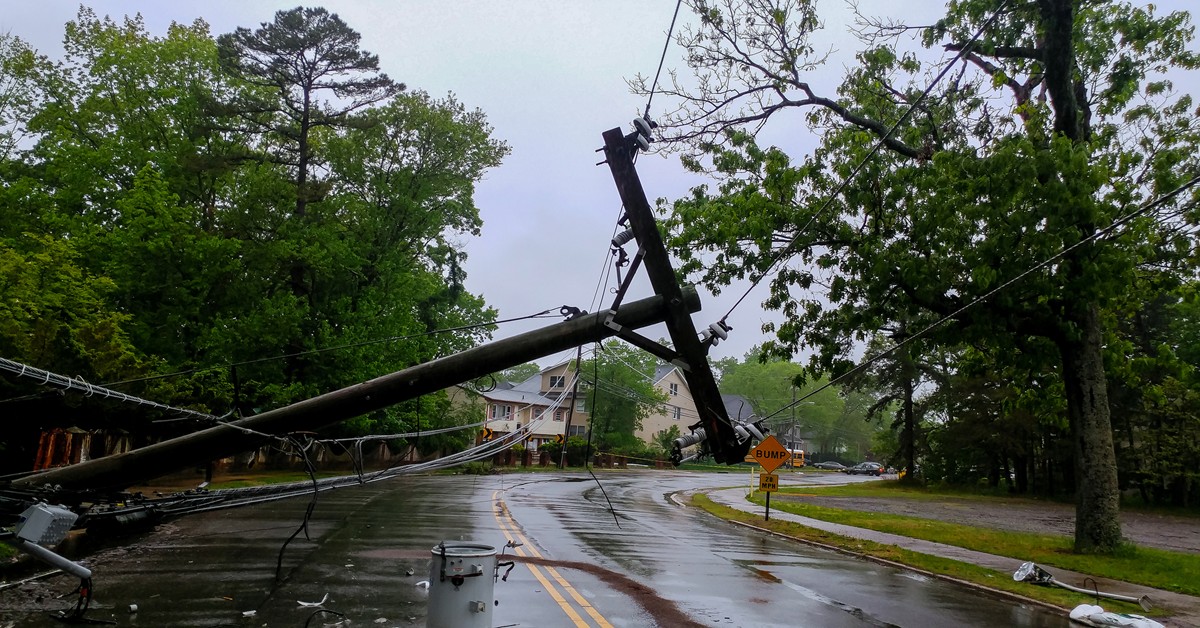
Hurricane season runs from June 1 through November 30, and while New England is not hit as frequently as the southern U.S., the region is far from immune. Storms like Hurricane Irene and Hurricane Sandy have shown that even weakened systems can bring severe flooding, power outages, and widespread property damage across Massachusetts and the Northeast.
The key takeaway: preparation matters just as much here as it does in coastal hurricane zones.
Why Hurricane Risk Is Real in New England
Historically, New England has experienced dozens of impactful storms, including catastrophic events like the 1938 hurricane, which caused widespread destruction and hundreds of fatalities. On average, the region sees a hurricane or major tropical storm about every other year. While direct hits are less common, these storms can still cause significant damage from flooding, fallen trees, and extended power outages.
Many homeowners underestimate the risk because storms often weaken before reaching New England, but the primary threats here are not just wind. Flooding and tree damage are often the biggest concerns. Even when storms arrive as tropical storms or post-tropical systems, they can still cause:
- Heavy rainfall and flash flooding
- Extended power outages
- Structural damage from trees and debris
- Coastal storm surge in certain areas
Start With Your Insurance Coverage
Before focusing on physical preparation, the most important step is reviewing your insurance.
Review Your Coverage Limits
Make sure your policy reflects the true cost to rebuild your home, not its market value. You should also consider adding extended or guaranteed replacement cost coverage, an inflation guard to keep up with rising construction costs, and ordinance or law coverage to account for updated building codes.
Understand Your Windstorm Deductible
Many homeowners’ policies include a separate windstorm deductible, especially in coastal or higher-risk areas. Instead of a flat dollar amount, this deductible is typically calculated as a percentage of your home’s insured value, often ranging from 1% to 5%. For example, a $400,000 home with a 2% deductible means an out-of-pocket cost of $8,000, while a 5% deductible would be $20,000. It is also important to understand when this deductible applies, as it may be triggered by named storms or specific wind events, depending on your policy. Because this differs from a standard deductible, it is one of the most commonly misunderstood parts of hurricane coverage and should be reviewed carefully before a storm hits.
Know What Flood Insurance Covers
Standard homeowners’ insurance does NOT cover flood damage. You should strongly consider a separate flood insurance policy if your home is at risk of:
- Heavy rain accumulation
- Rising water from nearby bodies of water
- Storm surge (coastal areas)
Document Your Belongings
A home inventory is critical. Most policies cover personal property at 50–70% of your dwelling coverage, but without documentation, claims become much harder.
Prepare Your Property
Simple preventive steps can significantly reduce damage. These steps help minimize both wind and debris-related damage.
- Trim trees and remove loose branches
- Secure outdoor furniture and trampolines
- Bring loose items indoors
- Board up vulnerable windows if needed
- Consider storm shutters or reinforced doors
- Inspect your roof and gutters
Build a Hurricane Preparedness Plan & Kit
Preparation is not just about reacting when a storm is coming. It starts well before hurricane season peaks. If you live near the coast or in a flood-prone area, evacuation planning is especially important. Don’t wait until a storm is approaching. Stores quickly run out of essentials. Every household should have a clear emergency plan and kit that includes:
- Evacuation routes
- Emergency contacts
- A meeting place if family members are separated
- At least three days of water and non-perishable food
- Charge phones and have backup batteries
- Flashlights and extra batteries
- First aid supplies and medications
- A weather radio
- Basic tools and repair materials
What To Do When a Hurricane Threatens
When a storm is forecasted, timing becomes critical. Conditions can change quickly, especially in New England, where storm paths are less predictable. Monitor updates from:
- National Weather Service
- Local emergency alerts
- Trusted news sources
Staying Safe During the Storm
Once the storm hits, safety becomes the top priority. Flooding is often the biggest danger. Even shallow water can be hazardous, so never attempt to drive through flooded roads.
- Stay indoors and away from windows
- Move to an interior room during high winds
- Avoid driving unless absolutely necessary
What To Do After the Storm
Many injuries and insurance claims happen after the storm passes, not during it. Be cautious of:
- Downed power lines
- Unstable trees or structures
- Flood-damaged roads and bridges
If your home is affected:
- Document damage with photos
- Contact your insurance provider as soon as possible
- Avoid making permanent repairs until claims are reviewed
- Food may need to be discarded after extended outages
- Municipal water may need to be boiled before use
A Proactive Approach Makes All the Difference
Hurricane preparedness in New England is about being proactive, not reactive. Storms may be less frequent here, but when they do occur, they can be highly disruptive. The combination of insurance awareness, advance planning, and smart preparation can make a significant difference in how well you and your home recover. If you have questions about your coverage or want to make sure you’re fully protected, working with one of our trusted representatives can help you navigate your options and avoid costly surprises.
 https://www.dfmurphy.com/wp-content/uploads/Hurricane-Season-Has-Begun-1200.jpg
628
1200
Wayne Texeira
https://dfmurphy.wpenginepowered.com/wp-content/uploads/Murphy-Insurance-Logo-Header.jpg
Wayne Texeira2026-06-18 10:03:112026-07-01 14:56:15Tropical Storm Arthur—a Reminder That Hurricane Season Has Begun
https://www.dfmurphy.com/wp-content/uploads/Hurricane-Season-in-New-England-What-Homeowners-Need-to-Know-to-Stay-Protected.jpg
628
1200
Murphy Insurance
https://dfmurphy.wpenginepowered.com/wp-content/uploads/Murphy-Insurance-Logo-Header.jpg
Murphy Insurance2026-05-07 09:00:162026-05-17 12:04:28Hurricane Season in New England: What Homeowners Need to Know to Stay Protected
https://www.dfmurphy.com/wp-content/uploads/Hurricane-Season-Has-Begun-1200.jpg
628
1200
Wayne Texeira
https://dfmurphy.wpenginepowered.com/wp-content/uploads/Murphy-Insurance-Logo-Header.jpg
Wayne Texeira2026-06-18 10:03:112026-07-01 14:56:15Tropical Storm Arthur—a Reminder That Hurricane Season Has Begun
https://www.dfmurphy.com/wp-content/uploads/Hurricane-Season-in-New-England-What-Homeowners-Need-to-Know-to-Stay-Protected.jpg
628
1200
Murphy Insurance
https://dfmurphy.wpenginepowered.com/wp-content/uploads/Murphy-Insurance-Logo-Header.jpg
Murphy Insurance2026-05-07 09:00:162026-05-17 12:04:28Hurricane Season in New England: What Homeowners Need to Know to Stay Protected https://www.dfmurphy.com/wp-content/uploads/Flooded-Home-28-1200.jpg
628
1200
Murphy Insurance
https://dfmurphy.wpenginepowered.com/wp-content/uploads/Murphy-Insurance-Logo-Header.jpg
Murphy Insurance2025-04-29 11:26:082025-05-16 15:07:35Home insurance covers all types of damage | Insurance Myths
https://www.dfmurphy.com/wp-content/uploads/Flooded-Home-28-1200.jpg
628
1200
Murphy Insurance
https://dfmurphy.wpenginepowered.com/wp-content/uploads/Murphy-Insurance-Logo-Header.jpg
Murphy Insurance2025-04-29 11:26:082025-05-16 15:07:35Home insurance covers all types of damage | Insurance Myths https://www.dfmurphy.com/wp-content/uploads/Untitled-design-19.jpg
628
1200
Murphy Insurance
https://dfmurphy.wpenginepowered.com/wp-content/uploads/Murphy-Insurance-Logo-Header.jpg
Murphy Insurance2025-04-21 13:10:502026-04-08 11:43:46Get Ready for Hurricane Season in New England: What You Need to Know
https://www.dfmurphy.com/wp-content/uploads/Untitled-design-19.jpg
628
1200
Murphy Insurance
https://dfmurphy.wpenginepowered.com/wp-content/uploads/Murphy-Insurance-Logo-Header.jpg
Murphy Insurance2023-09-01 09:00:442025-03-23 13:04:34What to Do When a Hurricane Threatens
https://www.dfmurphy.com/wp-content/uploads/Untitled-design-19.jpg
628
1200
Murphy Insurance
https://dfmurphy.wpenginepowered.com/wp-content/uploads/Murphy-Insurance-Logo-Header.jpg
Murphy Insurance2025-04-21 13:10:502026-04-08 11:43:46Get Ready for Hurricane Season in New England: What You Need to Know
https://www.dfmurphy.com/wp-content/uploads/Untitled-design-19.jpg
628
1200
Murphy Insurance
https://dfmurphy.wpenginepowered.com/wp-content/uploads/Murphy-Insurance-Logo-Header.jpg
Murphy Insurance2023-09-01 09:00:442025-03-23 13:04:34What to Do When a Hurricane Threatens https://www.dfmurphy.com/wp-content/uploads/Untitled-design-2024-05-08T094722.989.jpg
628
1200
Murphy Insurance
https://dfmurphy.wpenginepowered.com/wp-content/uploads/Murphy-Insurance-Logo-Header.jpg
Murphy Insurance2023-08-29 09:00:572025-04-02 12:58:49How to Keep Safe During a Hurricane
https://www.dfmurphy.com/wp-content/uploads/Untitled-design-2024-05-08T094722.989.jpg
628
1200
Murphy Insurance
https://dfmurphy.wpenginepowered.com/wp-content/uploads/Murphy-Insurance-Logo-Header.jpg
Murphy Insurance2023-08-29 09:00:572025-04-02 12:58:49How to Keep Safe During a Hurricane https://www.dfmurphy.com/wp-content/uploads/Untitled-design-128.jpg
628
1200
Murphy Insurance
https://dfmurphy.wpenginepowered.com/wp-content/uploads/Murphy-Insurance-Logo-Header.jpg
Murphy Insurance2023-08-02 09:00:492024-06-24 21:00:12Free Resources to Help Small Businesses Survive Severe Weather Events
https://www.dfmurphy.com/wp-content/uploads/Untitled-design-128.jpg
628
1200
Murphy Insurance
https://dfmurphy.wpenginepowered.com/wp-content/uploads/Murphy-Insurance-Logo-Header.jpg
Murphy Insurance2023-08-02 09:00:492024-06-24 21:00:12Free Resources to Help Small Businesses Survive Severe Weather Events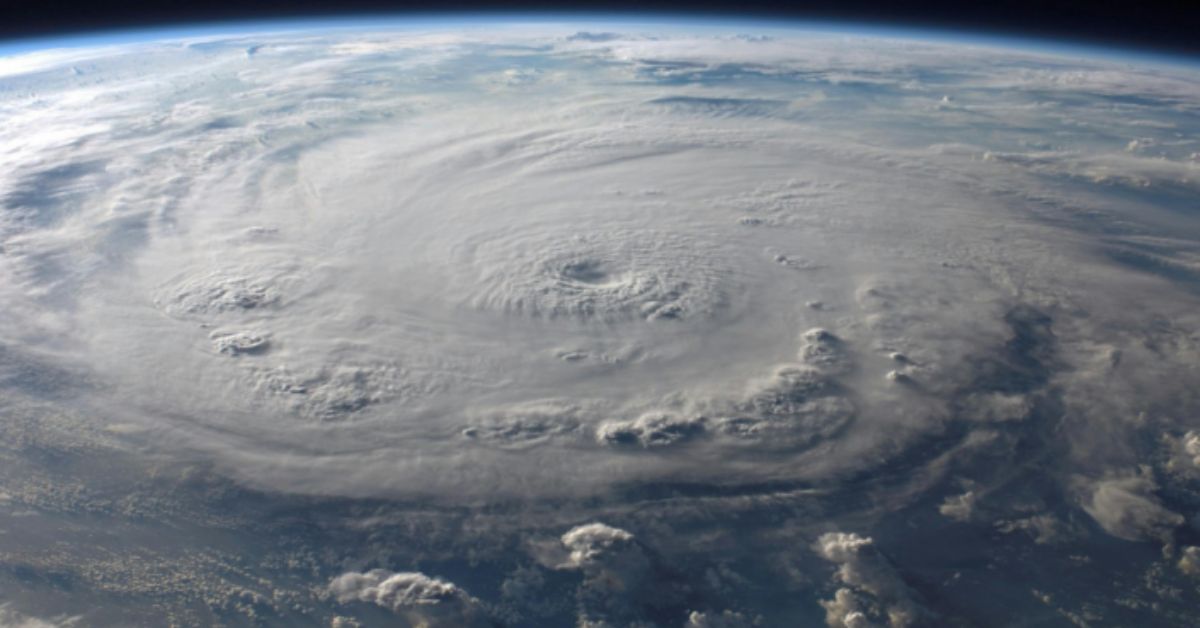 https://www.dfmurphy.com/wp-content/uploads/Untitled-design-30.jpg
628
1200
Murphy Insurance
https://dfmurphy.wpenginepowered.com/wp-content/uploads/Murphy-Insurance-Logo-Header.jpg
Murphy Insurance2023-07-11 09:00:412025-03-23 13:05:07How to Prepare for Hurricane Season
https://www.dfmurphy.com/wp-content/uploads/Untitled-design-30.jpg
628
1200
Murphy Insurance
https://dfmurphy.wpenginepowered.com/wp-content/uploads/Murphy-Insurance-Logo-Header.jpg
Murphy Insurance2023-07-11 09:00:412025-03-23 13:05:07How to Prepare for Hurricane Season https://www.dfmurphy.com/wp-content/uploads/Untitled-design-46.jpg
628
1200
Murphy Insurance
https://dfmurphy.wpenginepowered.com/wp-content/uploads/Murphy-Insurance-Logo-Header.jpg
Murphy Insurance2023-05-03 09:00:522024-07-23 14:23:46Hurricane Season Insurance Checklist
https://www.dfmurphy.com/wp-content/uploads/Untitled-design-46.jpg
628
1200
Murphy Insurance
https://dfmurphy.wpenginepowered.com/wp-content/uploads/Murphy-Insurance-Logo-Header.jpg
Murphy Insurance2023-05-03 09:00:522024-07-23 14:23:46Hurricane Season Insurance ChecklistVisit Our Homeowners Insurance Page

Your home is likely your biggest investment, and protecting it requires more than a standard off-the-shelf policy. Homeowners Insurance from Murphy Insurance gives Massachusetts homeowners a smarter way to shop, with experienced advisors who compare options across top-rated carriers to find the right balance of cost and coverage for your specific situation.
Our policies cover your dwelling, personal belongings, and personal liability, including protection from fire, severe weather, theft, vandalism, and more. Discounts are available, too, including savings for bundling auto and home, new construction, and central station alarm systems. With six Massachusetts locations and a reputation built on trust, Murphy Insurance makes protecting your home straightforward.

