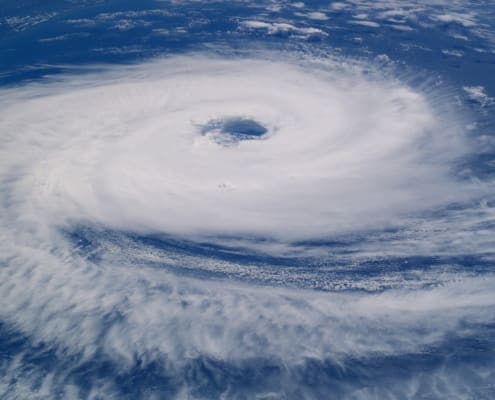
Hurricanes are violent and dangerous to your family and your home. When a hurricane threatens to bear down, ensure you know how to batten down your hatches and protect yourself, your loved ones, and your property.
When It’s Hurricane Season
Hurricane season starts June 1 and runs through November 30. Take steps to prepare in advance for a potential hurricane before a warning. It’s the best way to protect your family, your home, and your business.
For more preparedness tips, handy checklists (including ones you can personalize yourself), and evacuation planning advice to cover a variety of disasters, read I.I.I.’s Know Your Plan. It’s a great tool to help get you and your family—including pets—organized and ready to act quickly if a hurricane or other emergency strikes.
When a Hurricane Watch is Issued
A hurricane watch is issued when there is a threat of a hurricane within a 24-36 hour period. At that time, you should:
- Purchase any emergency supplies that you don’t already have on hand. Hit the stores early, as items such as batteries, candles, and flashlights will get snapped up quickly.
- Prepare your yard by removing all outdoor furniture, lawn items, planters, and other materials that could be picked up by high winds. If you haven’t already, remove weak branches on plants and trees, lower antennas and retractable awnings.
- Review your evacuation plan and, if you have a pet, your pet’s evacuation plan to prepare for a potential evacuation.
- Jot down the name and phone number of your insurer and insurance professional, and keep this information handy in your wallet or purse.
- Fully charge your cell phone.
- Fill your car’s gasoline tank.
When a Hurricane Warning is Issued
A hurricane warning is issued when hurricane conditions are expected in 24 hours or less, which means a storm is imminent.
- Stay informed of the storm’s progress by listening to the radio or TV. Listen to a NOAA Weather Radio for critical information from the National Weather Service (NWS).
- Install hurricane shutters, board up or otherwise securely shutter large windows, and draw drapes across windows and doors.
- Get off the boat—never remain on a boat during a hurricane! Check the mooring lines of boats in the water.
If Evacuation Becomes Necessary
Hopefully, you’re fully prepared with an evacuation plan. Also remember:
- Don’t wait until the last minute—shelters might be full, or the roads might be jammed. If you have pets, consider traveling before an evacuation is ordered—otherwise, officials might order you to leave your pet behind.
- Take along survival supplies from your list.
- Please keep important papers with you at all times, including your home inventory, and make sure you have your insurance professional’s name and phone number.
- Take warm, protective clothing for the whole family in case you get stuck while evacuating.
- Lock all windows and doors in your home. Don’t compound hurricane damage with the threat of possible looters.
- Keep all receipts for anything that might be considered an additional living expense if your home is destroyed or damaged and rendered uninhabitable. Documentation is essential when filing an insurance claim.
If You Remain at Home During a Hurricane
Stay indoors. Don’t go out even during the brief calm when the eye of the storm passes over, as wind speeds can increase dramatically in seconds.
- Stay away from windows and glass doors, and move furniture away from exposed doors and windows.
- Stay on the downwind side of the house. If your home has an “inside” room, stay there during the height of the hurricane.
- Keep the television or radio tuned into information from official sources.
After the Hurricane, Beware of the Dangers that Remain
The storm may have passed, but it likely has created new dangers.
- Beware of outdoor hazards like loose or fallen tree limbs, loose signage, or awnings that are in danger of breaking off and falling.
- Keep away from loose or dangling power lines, and report them immediately to the proper authority.
- Walk or drive extra cautiously, as washouts may weaken road and bridge structures.
- In the event of a power outage, throw out food that may be spoiled.
- Boil municipal water before drinking until you have been told it is safe.
If Your Home is Damaged
Notify your insurance professional as soon as possible of any losses. If you must relocate, let your representative know where you can be contacted. In addition:
- Make temporary repairs—if they can be made safely—to protect property from further damage or looting; for insurance purposes, keep all receipts for materials used.
- Get written estimates for any proposed repair jobs and use only reputable contractors. Be especially careful of building contractors who want huge deposits up front or encourage you to spend a lot of money on temporary repairs. Ask for their references and check with the Better Business Bureau on complaints.
- Gather any other receipts for expenses that will be covered by insurance or will be tax deductible.
Source: Insurance Information Institute
Additional resources
III: Preparing for a Hurricane
Red Cross: Hurricane Safety Checklist
 https://www.dfmurphy.com/wp-content/uploads/Umbrella-Insurance-1.jpg
628
1200
Murphy Insurance
https://dfmurphy.wpenginepowered.com/wp-content/uploads/Murphy-Insurance-Logo-Header.jpg
Murphy Insurance2026-03-01 08:12:512025-09-30 10:10:07Understanding the Importance of Umbrella Insurance: Why It’s Worth Considering
https://www.dfmurphy.com/wp-content/uploads/Umbrella-Insurance-1.jpg
628
1200
Murphy Insurance
https://dfmurphy.wpenginepowered.com/wp-content/uploads/Murphy-Insurance-Logo-Header.jpg
Murphy Insurance2026-03-01 08:12:512025-09-30 10:10:07Understanding the Importance of Umbrella Insurance: Why It’s Worth Considering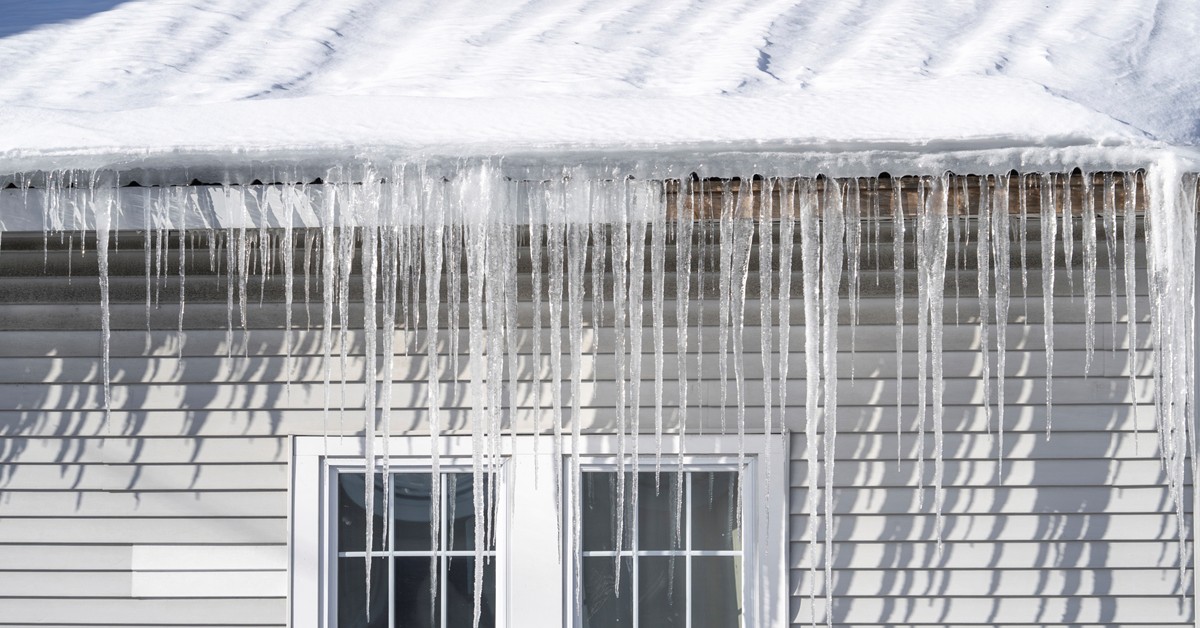 https://www.dfmurphy.com/wp-content/uploads/What-to-Do-When-Ice-Dams-Form-A-Practical-Guide-for-New-England-Homeowners.jpg
628
1200
Wayne Texeira
https://dfmurphy.wpenginepowered.com/wp-content/uploads/Murphy-Insurance-Logo-Header.jpg
Wayne Texeira2026-02-25 17:02:182026-02-25 17:06:07What to Do When Ice Dams Form: A Practical Guide for New England Homeowners
https://www.dfmurphy.com/wp-content/uploads/What-to-Do-When-Ice-Dams-Form-A-Practical-Guide-for-New-England-Homeowners.jpg
628
1200
Wayne Texeira
https://dfmurphy.wpenginepowered.com/wp-content/uploads/Murphy-Insurance-Logo-Header.jpg
Wayne Texeira2026-02-25 17:02:182026-02-25 17:06:07What to Do When Ice Dams Form: A Practical Guide for New England Homeowners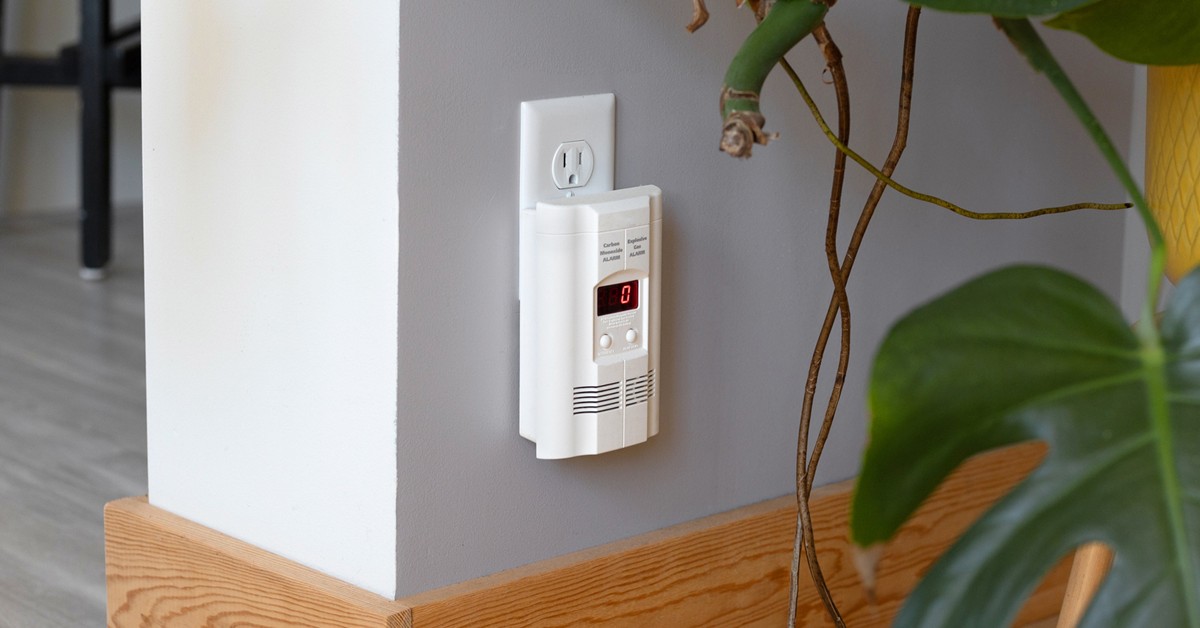 https://www.dfmurphy.com/wp-content/uploads/Carbon-Monoxide-Safety-for-Your-Home-and-Your-Vehicle.jpg
628
1200
Wayne Texeira
https://dfmurphy.wpenginepowered.com/wp-content/uploads/Murphy-Insurance-Logo-Header.jpg
Wayne Texeira2026-02-25 16:49:162026-02-25 16:55:36Carbon Monoxide Safety for Your Home and Your Vehicle
https://www.dfmurphy.com/wp-content/uploads/Carbon-Monoxide-Safety-for-Your-Home-and-Your-Vehicle.jpg
628
1200
Wayne Texeira
https://dfmurphy.wpenginepowered.com/wp-content/uploads/Murphy-Insurance-Logo-Header.jpg
Wayne Texeira2026-02-25 16:49:162026-02-25 16:55:36Carbon Monoxide Safety for Your Home and Your Vehicle https://www.dfmurphy.com/wp-content/uploads/Black-History-Month-Insurance-1200-1.jpg
628
1200
Wayne Texeira
https://dfmurphy.wpenginepowered.com/wp-content/uploads/Murphy-Insurance-Logo-Header.jpg
Wayne Texeira2026-02-19 09:59:522026-02-19 12:58:40Honoring Black History Month: Contributions in the Insurance Industry
https://www.dfmurphy.com/wp-content/uploads/Black-History-Month-Insurance-1200-1.jpg
628
1200
Wayne Texeira
https://dfmurphy.wpenginepowered.com/wp-content/uploads/Murphy-Insurance-Logo-Header.jpg
Wayne Texeira2026-02-19 09:59:522026-02-19 12:58:40Honoring Black History Month: Contributions in the Insurance Industry https://www.dfmurphy.com/wp-content/uploads/Life-Insurance-Love-Insurance-1200.jpg
628
1200
Murphy Insurance
https://dfmurphy.wpenginepowered.com/wp-content/uploads/Murphy-Insurance-Logo-Header.jpg
Murphy Insurance2026-02-13 15:23:592026-02-13 15:44:38Love Insurance: How Life Insurance Can Be the Best Valentine’s Gift
https://www.dfmurphy.com/wp-content/uploads/Life-Insurance-Love-Insurance-1200.jpg
628
1200
Murphy Insurance
https://dfmurphy.wpenginepowered.com/wp-content/uploads/Murphy-Insurance-Logo-Header.jpg
Murphy Insurance2026-02-13 15:23:592026-02-13 15:44:38Love Insurance: How Life Insurance Can Be the Best Valentine’s Gift https://www.dfmurphy.com/wp-content/uploads/Shoveling-snow-scaled.jpg
1340
2560
Murphy Insurance
https://dfmurphy.wpenginepowered.com/wp-content/uploads/Murphy-Insurance-Logo-Header.jpg
Murphy Insurance2026-02-05 12:33:242026-02-07 13:28:54Snowmelt Damage Prevention Tips
https://www.dfmurphy.com/wp-content/uploads/Shoveling-snow-scaled.jpg
1340
2560
Murphy Insurance
https://dfmurphy.wpenginepowered.com/wp-content/uploads/Murphy-Insurance-Logo-Header.jpg
Murphy Insurance2026-02-05 12:33:242026-02-07 13:28:54Snowmelt Damage Prevention Tips https://www.dfmurphy.com/wp-content/uploads/Side-view-mirror-scaled.jpg
1340
2560
Murphy Insurance
https://dfmurphy.wpenginepowered.com/wp-content/uploads/Murphy-Insurance-Logo-Header.jpg
Murphy Insurance2026-02-02 09:00:382026-02-05 16:39:51The Defensive Driving Process
https://www.dfmurphy.com/wp-content/uploads/Side-view-mirror-scaled.jpg
1340
2560
Murphy Insurance
https://dfmurphy.wpenginepowered.com/wp-content/uploads/Murphy-Insurance-Logo-Header.jpg
Murphy Insurance2026-02-02 09:00:382026-02-05 16:39:51The Defensive Driving Process https://www.dfmurphy.com/wp-content/uploads/Be-Ready-for-Severe-Winter-Weather-Snowstorms-Ice-and-Extreme-Cold.jpg
628
1200
Murphy Insurance
https://dfmurphy.wpenginepowered.com/wp-content/uploads/Murphy-Insurance-Logo-Header.jpg
Murphy Insurance2026-01-22 18:03:182026-01-23 08:42:56Be Ready for Severe Winter Weather: Snowstorms, Ice, and Extreme Cold
https://www.dfmurphy.com/wp-content/uploads/Be-Ready-for-Severe-Winter-Weather-Snowstorms-Ice-and-Extreme-Cold.jpg
628
1200
Murphy Insurance
https://dfmurphy.wpenginepowered.com/wp-content/uploads/Murphy-Insurance-Logo-Header.jpg
Murphy Insurance2026-01-22 18:03:182026-01-23 08:42:56Be Ready for Severe Winter Weather: Snowstorms, Ice, and Extreme Cold https://www.dfmurphy.com/wp-content/uploads/Chimney-scaled.jpg
1340
2560
Murphy Insurance
https://dfmurphy.wpenginepowered.com/wp-content/uploads/Murphy-Insurance-Logo-Header.jpg
Murphy Insurance2026-01-22 09:00:452025-12-10 13:28:51Chimney Maintenance Is Essential
https://www.dfmurphy.com/wp-content/uploads/Chimney-scaled.jpg
1340
2560
Murphy Insurance
https://dfmurphy.wpenginepowered.com/wp-content/uploads/Murphy-Insurance-Logo-Header.jpg
Murphy Insurance2026-01-22 09:00:452025-12-10 13:28:51Chimney Maintenance Is Essential