
Being a defensive driver entails driving to prevent accidents in spite of the actions of others or the presence of adverse road conditions. In other words, implementing defensive driving techniques allows you to be ready for any and all surprises on the road.
To be a defensive driver, it’s important to follow a three-step process of seeing hazards, determining potential responses and acting in time. Keep reading to learn more about this process.
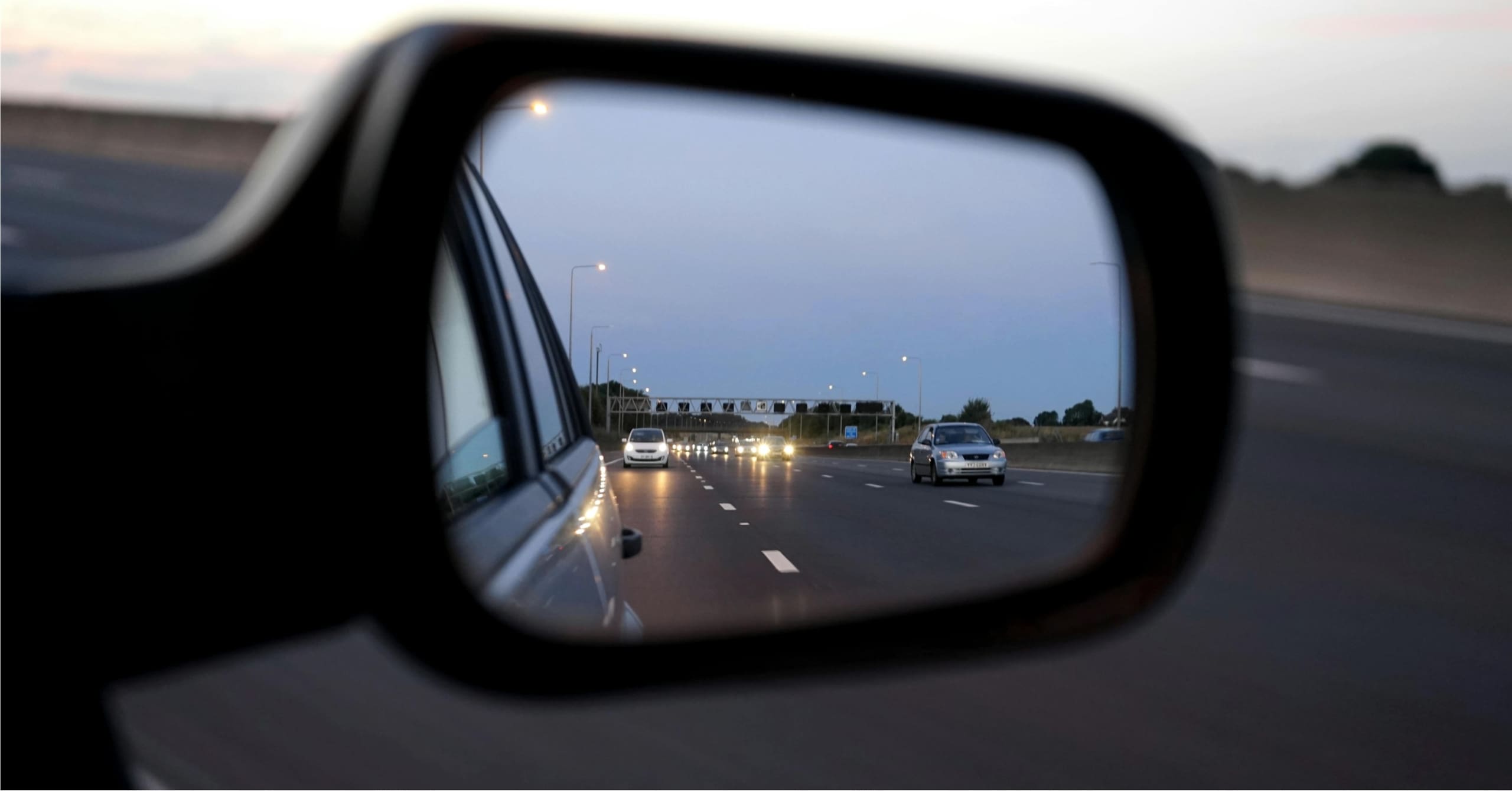
Three Steps To Achieve Defensive Driving
- See the hazard. Always actively scan your surroundings when you are behind the wheel. It is best practice to look at least 30 seconds ahead while driving to detect upcoming hazards as quickly as possible. Never assume that hazards will resolve themselves before you reach them.
- Determine the response. In addition to detecting potential problems or safety concerns on the road in a timely manner, it’s also important to know how to adequately protect yourself in the event that a hazard appears. Be sure to review potentially hazardous situations behind the wheel to formulate proper responses for different scenarios. This might include finding safe stopping points along your route if adverse road conditions require you to pull over, or leaving enough distance between yourself and other vehicles to help prevent a collision from sudden braking.
- Act in time. After you detect a hazard and determine a response, it’s crucial to act quickly. The sooner you act, the more time you will have to avoid a potentially dangerous situation. However, make sure that you won’t put other drivers or nearby pedestrians at risk before you act. Your quick response should prioritize the safety of everyone on the road.
Keep in mind that defensive driving requires the knowledge and strict observance of all traffic rules and regulations applicable to the area you are driving in. It also means you should be alert to others’ illegal actions and driving errors, and be willing to make timely adjustments to your own driving to avoid an accident.
The Value of Defensive Driving
By keeping safe driving techniques in mind, you will learn how to modify and tailor your own driving behavior to the unexpected actions of other drivers, pedestrians and animals on the road. In doing so, you’ll be ready for a variety of unpredictable factors, such as adverse weather, poor road conditions, unexpected traffic patterns and mechanical troubles.
Massachusetts Roads Demand Defensive Driving
Driving in Massachusetts presents unique challenges that make defensive driving especially important. From dense traffic along Route 128, Route 495 and the Mass Pike to narrow local roads and unpredictable New England weather, drivers need to stay alert and adaptable at all times.
At Murphy Insurance, we work with drivers across MetroWest Massachusetts and Greater Boston, and we see how quickly road conditions can change. Heavy congestion, aggressive merging, frequent construction zones, and sudden weather shifts all increase the risk of accidents. Defensive driving helps reduce those risks before they turn into claims.
For additional driving safety guidance and auto insurance solutions, contact us today.
 https://www.dfmurphy.com/wp-content/uploads/Driver-with-phone-scaled.jpg
1340
2560
Murphy Insurance
https://dfmurphy.wpenginepowered.com/wp-content/uploads/Murphy-Insurance-Logo-Header.jpg
Murphy Insurance2026-04-02 09:46:182026-03-03 12:40:36Preventing Distracted Driving
https://www.dfmurphy.com/wp-content/uploads/Driver-with-phone-scaled.jpg
1340
2560
Murphy Insurance
https://dfmurphy.wpenginepowered.com/wp-content/uploads/Murphy-Insurance-Logo-Header.jpg
Murphy Insurance2026-04-02 09:46:182026-03-03 12:40:36Preventing Distracted Driving https://www.dfmurphy.com/wp-content/uploads/17-OUI-will-cost-you-money-1200-x-628-2.jpg
630
1200
Murphy Insurance
https://dfmurphy.wpenginepowered.com/wp-content/uploads/Murphy-Insurance-Logo-Header.jpg
Murphy Insurance2026-02-24 16:27:562026-02-24 16:40:08OUI Will Cost You Money | Auto Insurance Tips
https://www.dfmurphy.com/wp-content/uploads/Side-view-mirror-scaled.jpg
1340
2560
Murphy Insurance
https://dfmurphy.wpenginepowered.com/wp-content/uploads/Murphy-Insurance-Logo-Header.jpg
Murphy Insurance2026-02-02 09:00:382026-02-05 16:39:51The Defensive Driving Process
https://www.dfmurphy.com/wp-content/uploads/17-OUI-will-cost-you-money-1200-x-628-2.jpg
630
1200
Murphy Insurance
https://dfmurphy.wpenginepowered.com/wp-content/uploads/Murphy-Insurance-Logo-Header.jpg
Murphy Insurance2026-02-24 16:27:562026-02-24 16:40:08OUI Will Cost You Money | Auto Insurance Tips
https://www.dfmurphy.com/wp-content/uploads/Side-view-mirror-scaled.jpg
1340
2560
Murphy Insurance
https://dfmurphy.wpenginepowered.com/wp-content/uploads/Murphy-Insurance-Logo-Header.jpg
Murphy Insurance2026-02-02 09:00:382026-02-05 16:39:51The Defensive Driving Process https://www.dfmurphy.com/wp-content/uploads/RR-16-buckle-on-short-trips.jpg
778
1487
Murphy Insurance
https://dfmurphy.wpenginepowered.com/wp-content/uploads/Murphy-Insurance-Logo-Header.jpg
Murphy Insurance2025-12-09 16:17:122025-12-09 16:17:12Buckle up Even on Short Trips | Auto Insurance Tips
https://www.dfmurphy.com/wp-content/uploads/RR-16-buckle-on-short-trips.jpg
778
1487
Murphy Insurance
https://dfmurphy.wpenginepowered.com/wp-content/uploads/Murphy-Insurance-Logo-Header.jpg
Murphy Insurance2025-12-09 16:17:122025-12-09 16:17:12Buckle up Even on Short Trips | Auto Insurance Tips https://www.dfmurphy.com/wp-content/uploads/RR-15-elminate-blind-spots.jpg
778
1487
Murphy Insurance
https://dfmurphy.wpenginepowered.com/wp-content/uploads/Murphy-Insurance-Logo-Header.jpg
Murphy Insurance2025-12-09 16:12:402025-12-09 16:12:40Eliminate Blind Spots | Auto Insurance Tips
https://www.dfmurphy.com/wp-content/uploads/RR-15-elminate-blind-spots.jpg
778
1487
Murphy Insurance
https://dfmurphy.wpenginepowered.com/wp-content/uploads/Murphy-Insurance-Logo-Header.jpg
Murphy Insurance2025-12-09 16:12:402025-12-09 16:12:40Eliminate Blind Spots | Auto Insurance Tips https://www.dfmurphy.com/wp-content/uploads/RR-14-stay-focused.jpg
778
1487
Murphy Insurance
https://dfmurphy.wpenginepowered.com/wp-content/uploads/Murphy-Insurance-Logo-Header.jpg
Murphy Insurance2025-12-08 15:17:012025-12-08 15:17:01Stay Focused on Driving | Auto Insurance Tips
https://www.dfmurphy.com/wp-content/uploads/RR-14-stay-focused.jpg
778
1487
Murphy Insurance
https://dfmurphy.wpenginepowered.com/wp-content/uploads/Murphy-Insurance-Logo-Header.jpg
Murphy Insurance2025-12-08 15:17:012025-12-08 15:17:01Stay Focused on Driving | Auto Insurance Tips https://www.dfmurphy.com/wp-content/uploads/RR-13-Buckle-Up.jpg
778
1487
Murphy Insurance
https://dfmurphy.wpenginepowered.com/wp-content/uploads/Murphy-Insurance-Logo-Header.jpg
Murphy Insurance2025-12-03 16:31:422025-12-03 16:31:42Buckle up! | Auto Insurance Tips
https://www.dfmurphy.com/wp-content/uploads/RR-13-Buckle-Up.jpg
778
1487
Murphy Insurance
https://dfmurphy.wpenginepowered.com/wp-content/uploads/Murphy-Insurance-Logo-Header.jpg
Murphy Insurance2025-12-03 16:31:422025-12-03 16:31:42Buckle up! | Auto Insurance Tips https://www.dfmurphy.com/wp-content/uploads/RR-12-Stand-behind-guard-rail.jpg
778
1487
Murphy Insurance
https://dfmurphy.wpenginepowered.com/wp-content/uploads/Murphy-Insurance-Logo-Header.jpg
Murphy Insurance2025-12-03 16:20:162025-12-03 16:20:16Stand Behind the Guard Rail | Auto Insurance Tips
https://www.dfmurphy.com/wp-content/uploads/RR-12-Stand-behind-guard-rail.jpg
778
1487
Murphy Insurance
https://dfmurphy.wpenginepowered.com/wp-content/uploads/Murphy-Insurance-Logo-Header.jpg
Murphy Insurance2025-12-03 16:20:162025-12-03 16:20:16Stand Behind the Guard Rail | Auto Insurance Tips https://www.dfmurphy.com/wp-content/uploads/Driver-and-a-passenger-scaled.jpg
1340
2560
Murphy Insurance
https://dfmurphy.wpenginepowered.com/wp-content/uploads/Murphy-Insurance-Logo-Header.jpg
Murphy Insurance2025-12-01 08:42:232025-06-26 16:10:28Don’t Drink and Drive
https://www.dfmurphy.com/wp-content/uploads/Driver-and-a-passenger-scaled.jpg
1340
2560
Murphy Insurance
https://dfmurphy.wpenginepowered.com/wp-content/uploads/Murphy-Insurance-Logo-Header.jpg
Murphy Insurance2025-12-01 08:42:232025-06-26 16:10:28Don’t Drink and DriveVisit Our Auto Insurance Page

At Murphy Insurance, we are here to assist you in obtaining the appropriate auto insurance. Choosing the appropriate auto insurance coverage can be overwhelming. Every insurance company has its unique offerings, making it challenging to compare options effectively. That’s where we shine. We simplify the process by helping you evaluate provider and policy choices, seek out discounts, and optimize your car insurance within your budget constraints. Ultimately, our goal is to provide you with peace of mind, knowing that you and your loved ones are well-protected.

