

Wayne Texeira, Marketing Director, CFMP
When it comes to protecting your personal possessions and financial well-being, having a home inventory is important. You never know when something happens and you’ll need to file an insurance claim. And, if you own antiques or fine art, the unique nature of such items makes having detailed documentation crucial so that you’ll receive appropriate insurance compensation if a loss occurs.

Documenting Valuation
Proper valuation is essential to protect your financial investment. While a receipt may be sufficient for recent purchases, we recommend having your antiques and fine art appraised as their value often appreciates over time. Periodically updating appraisals is also wise to ensure you maintain sufficient coverage.
- Work with a qualified appraiser who has experience evaluating items similar to yours.
- Check credentials and discuss the appraisal cost in advance to avoid problems.
Tips On Creating An Inventory
- Document all your antiques and fine art pieces, not only items of higher value. A collection of lesser-value items can add up to a substantial amount. You need proof of their worth to collect the true value in a claim situation. Consider getting appraisals for all items.
- List all pieces with full descriptions including history and assessed value. Keep receipts or the most recent appraisals, if you have them, with your list.
- Take pictures of each piece in your collection. Use the time stamp feature if available and label all photos. Digital photos are inexpensive and easy to store. Video is a great way to give a verbal description of items, and can be a first step to creating a quick inventory.
- Safely store your inventory and documentation. Keep a copy for handy access, but store the information in a safe location, preferably away from your home and separate from your collection.
- Keep the inventory up to date. When you make purchases, update your inventory, and be sure to notify your insurer. Policies often provide coverage for newly purchased items but only for a very short period of time unless you specifically add them to your schedule.
Taking time to prepare an inventory also allows you to assess if you have the right amount of insurance protection. It’s important to prepare an inventory not only for antiques and fine art but also for all your personal possessions. If the unthinkable happens and you experience a fire or other major loss, you won’t have to suffer the additional trauma of having to try to document details about all of your possessions from memory.
There are a variety of methods and approaches to organizing an inventory. The key issue is to find a method that works for you and to get started. The sooner you get your inventory in place…the sooner you’ll be able to have peace of mind.
Visit dfmurphy.com/homeinventory for more tips on documenting all your possessions.
 https://www.dfmurphy.com/wp-content/uploads/Driver-with-phone-scaled.jpg
1340
2560
Murphy Insurance
https://dfmurphy.wpenginepowered.com/wp-content/uploads/Murphy-Insurance-Logo-Header.jpg
Murphy Insurance2026-04-02 09:46:182026-03-03 12:40:36Preventing Distracted Driving
https://www.dfmurphy.com/wp-content/uploads/Driver-with-phone-scaled.jpg
1340
2560
Murphy Insurance
https://dfmurphy.wpenginepowered.com/wp-content/uploads/Murphy-Insurance-Logo-Header.jpg
Murphy Insurance2026-04-02 09:46:182026-03-03 12:40:36Preventing Distracted Driving https://www.dfmurphy.com/wp-content/uploads/Financial-Literacy-Month-Graphic.jpg
628
1200
Murphy Insurance
https://dfmurphy.wpenginepowered.com/wp-content/uploads/Murphy-Insurance-Logo-Header.jpg
Murphy Insurance2026-04-01 08:00:382026-03-29 19:44:55Financial Literacy Month: Building Confidence in Your Financial Future
https://www.dfmurphy.com/wp-content/uploads/Financial-Literacy-Month-Graphic.jpg
628
1200
Murphy Insurance
https://dfmurphy.wpenginepowered.com/wp-content/uploads/Murphy-Insurance-Logo-Header.jpg
Murphy Insurance2026-04-01 08:00:382026-03-29 19:44:55Financial Literacy Month: Building Confidence in Your Financial Future https://www.dfmurphy.com/wp-content/uploads/500-Blog-Posts.jpg
628
1200
Wayne Texeira
https://dfmurphy.wpenginepowered.com/wp-content/uploads/Murphy-Insurance-Logo-Header.jpg
Wayne Texeira2026-03-31 15:04:582026-03-31 15:26:29500 Blog Posts and Counting: A Milestone Worth Celebrating
https://www.dfmurphy.com/wp-content/uploads/500-Blog-Posts.jpg
628
1200
Wayne Texeira
https://dfmurphy.wpenginepowered.com/wp-content/uploads/Murphy-Insurance-Logo-Header.jpg
Wayne Texeira2026-03-31 15:04:582026-03-31 15:26:29500 Blog Posts and Counting: A Milestone Worth Celebrating https://www.dfmurphy.com/wp-content/uploads/Roof-Gutter-Care-Homeowners-Manual.jpg
628
1200
Murphy Insurance
https://dfmurphy.wpenginepowered.com/wp-content/uploads/Murphy-Insurance-Logo-Header.jpg
Murphy Insurance2026-03-25 20:10:112026-03-27 14:50:36Roof & Gutter Care | Homeowner’s Manual Blog Series
https://www.dfmurphy.com/wp-content/uploads/Roof-Gutter-Care-Homeowners-Manual.jpg
628
1200
Murphy Insurance
https://dfmurphy.wpenginepowered.com/wp-content/uploads/Murphy-Insurance-Logo-Header.jpg
Murphy Insurance2026-03-25 20:10:112026-03-27 14:50:36Roof & Gutter Care | Homeowner’s Manual Blog Series https://www.dfmurphy.com/wp-content/uploads/Massachusetts-RMV-Text-Scams-Are-Rising-How-to-Protect-Yourself.jpg
628
1200
Murphy Insurance
https://dfmurphy.wpenginepowered.com/wp-content/uploads/Murphy-Insurance-Logo-Header.jpg
Murphy Insurance2026-03-18 17:30:532026-03-18 17:34:05Massachusetts RMV Text Scams Are Rising: How to Protect Yourself
https://www.dfmurphy.com/wp-content/uploads/Massachusetts-RMV-Text-Scams-Are-Rising-How-to-Protect-Yourself.jpg
628
1200
Murphy Insurance
https://dfmurphy.wpenginepowered.com/wp-content/uploads/Murphy-Insurance-Logo-Header.jpg
Murphy Insurance2026-03-18 17:30:532026-03-18 17:34:05Massachusetts RMV Text Scams Are Rising: How to Protect Yourself https://www.dfmurphy.com/wp-content/uploads/Understanding-the-Importance-of-Umbrella-Insurance-Why-Its-Worth-Considering.jpg
628
1200
Murphy Insurance
https://dfmurphy.wpenginepowered.com/wp-content/uploads/Murphy-Insurance-Logo-Header.jpg
Murphy Insurance2026-03-01 08:12:512026-03-11 12:10:54Understanding the Importance of Umbrella Insurance: Why It’s Worth Considering
https://www.dfmurphy.com/wp-content/uploads/Understanding-the-Importance-of-Umbrella-Insurance-Why-Its-Worth-Considering.jpg
628
1200
Murphy Insurance
https://dfmurphy.wpenginepowered.com/wp-content/uploads/Murphy-Insurance-Logo-Header.jpg
Murphy Insurance2026-03-01 08:12:512026-03-11 12:10:54Understanding the Importance of Umbrella Insurance: Why It’s Worth Considering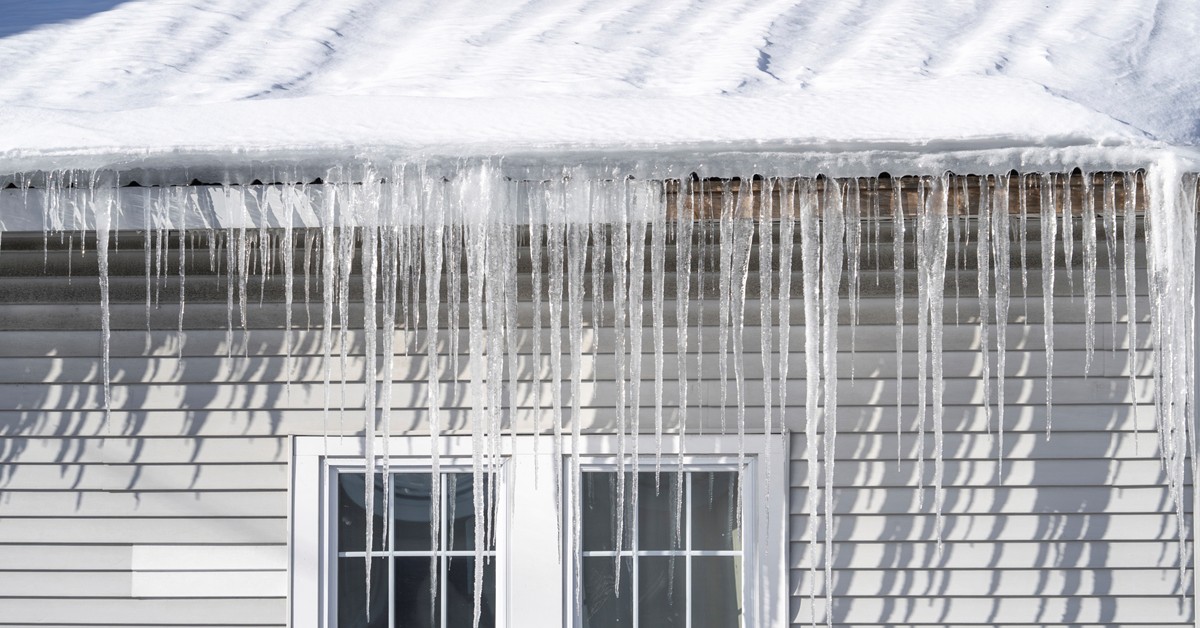 https://www.dfmurphy.com/wp-content/uploads/What-to-Do-When-Ice-Dams-Form-A-Practical-Guide-for-New-England-Homeowners.jpg
628
1200
Wayne Texeira
https://dfmurphy.wpenginepowered.com/wp-content/uploads/Murphy-Insurance-Logo-Header.jpg
Wayne Texeira2026-02-25 17:02:182026-02-25 17:06:07What to Do When Ice Dams Form: A Practical Guide for New England Homeowners
https://www.dfmurphy.com/wp-content/uploads/What-to-Do-When-Ice-Dams-Form-A-Practical-Guide-for-New-England-Homeowners.jpg
628
1200
Wayne Texeira
https://dfmurphy.wpenginepowered.com/wp-content/uploads/Murphy-Insurance-Logo-Header.jpg
Wayne Texeira2026-02-25 17:02:182026-02-25 17:06:07What to Do When Ice Dams Form: A Practical Guide for New England Homeowners https://www.dfmurphy.com/wp-content/uploads/Carbon-Monoxide-Safety-for-Your-Home-and-Your-Vehicle.jpg
628
1200
Wayne Texeira
https://dfmurphy.wpenginepowered.com/wp-content/uploads/Murphy-Insurance-Logo-Header.jpg
Wayne Texeira2026-02-24 16:49:162026-03-13 16:01:26Carbon Monoxide Safety for Your Home and Your Vehicle
https://www.dfmurphy.com/wp-content/uploads/Carbon-Monoxide-Safety-for-Your-Home-and-Your-Vehicle.jpg
628
1200
Wayne Texeira
https://dfmurphy.wpenginepowered.com/wp-content/uploads/Murphy-Insurance-Logo-Header.jpg
Wayne Texeira2026-02-24 16:49:162026-03-13 16:01:26Carbon Monoxide Safety for Your Home and Your Vehicle https://www.dfmurphy.com/wp-content/uploads/Mardi-Gras-2.jpg
628
1200
Murphy Insurance
https://dfmurphy.wpenginepowered.com/wp-content/uploads/Murphy-Insurance-Logo-Header.jpg
Murphy Insurance2026-02-20 17:25:302026-03-13 16:00:47Mardi Gras: Taste of the Chamber Brings Local Flavor and Networking to Marlborough
https://www.dfmurphy.com/wp-content/uploads/Mardi-Gras-2.jpg
628
1200
Murphy Insurance
https://dfmurphy.wpenginepowered.com/wp-content/uploads/Murphy-Insurance-Logo-Header.jpg
Murphy Insurance2026-02-20 17:25:302026-03-13 16:00:47Mardi Gras: Taste of the Chamber Brings Local Flavor and Networking to MarlboroughVisit Our Homeowners Insurance Page

At Murphy Insurance, we take great care in assessing your options for homeowners insurance to ensure that you receive the most favorable value. Our dedication to serving you entails collaborating with highly-rated insurance providers and conducting comprehensive assessments of available choices. Our goal is to achieve the ideal equilibrium between affordability and coverage that suits your unique needs. Please let us provide you with a customized homeowners insurance quote.

