
If someone were to ask you what was covered under your auto insurance policy, would you be able to tell them? Like most of us, you would probably have a hard time confidently answering that question. Interpreting the various types of coverage offered under your auto insurance policy can be tricky, but extremely beneficial. The more you understand your policy, the more peace of mind you have knowing you are sufficiently covered in an accident. To help you develop a better understanding of your policy, here are six types of coverage that it may include.

Liability Coverage
Purchasing auto liability coverage can offer you financial assistance in the event that you are found liable for a vehicle-related incident. In most states, you are required to have two forms of liability coverage in order to meet the state’s minimum auto insurance requirements. The two forms of liability coverage offered are:
- Bodily injury liability: Bodily Injury liability coverage pays for medical expenses caused by an incident for which you are found at-fault. If you or others listed on your policy were to injure a third party with your vehicle, it would be covered under your bodily injury liability coverage. Not only does bodily injury liability cover medical expenses, it can also help cover lost wages of the injured party.
- Property damage liability: Similar to bodily injury liability, if you or someone on your policy collide with another person’s
vehicle or property, your property damage liability coverage will assist you in paying for repair or replacement costs.
Personal Injury Protection (PIP) Coverage
Unlike bodily injury liability coverage, PIP is designed to cover medical costs, lost wages and other expenses for you, drivers listed on your policy and passengers in your vehicle who may become injured due to a car accident—regardless of who is deemed at-fault. As such, it is also referred to as “no-fault” coverage. PIP coverage is not offered in all states. Since PIP requires your insurance company to help cover expenses regardless of who’s at fault for the incident, having PIP coverage typically results in higher premium costs.
Collision Coverage
Damage to your vehicle from a collision with another vehicle or object should be covered under your collision coverage. Collision coverage is typically required if your car is still being financed—but once your car is paid off, you often have the choice to keep or remove collision coverage from your auto policy. Although your policy may be cheaper without it, collision coverage can be beneficial in helping you cover damages to your vehicle for which you are found at-fault. If the damages were caused by a third party, it would be up to their insurance company to cover the damages.
Comprehensive Coverage
Simply put, comprehensive coverage provides insurance for losses caused by anything that isn’t covered under your collision coverage, such as losses from natural disasters, riots, vandalism and contact with an animal. If a tree were to get struck by lightning and fall on top of your vehicle, your comprehensive coverage could help cover damages to your vehicle from the incident. Although comprehensive insurance tends to have lower premiums than collision insurance, the cost can vary depending on your deductible amount and policy limits.
Uninsured Motorist Coverage
A recent study by the Insurance Research Council revealed that, in the United States, roughly 1 in 8 drivers are uninsured. Having uninsured motorist coverage can ensure you are protected in the event that your car is involved in a hit-in-run or if you get in a car accident with an uninsured third party. Let’s say you don’t have uninsured motorist coverage—if an uninsured individual were to crash into your vehicle, resulting in major repair costs and medical expenses, you could be financially responsible for all of your vehicle repairs and medical bills.
Underinsured Motorist Coverage
Much like uninsured motorist coverage, underinsured motorist coverage applies if you are involved in an accident with an individual who doesn’t have sufficient insurance to cover all of the damage to your vehicle or your medical bills. For example, if your claim exceeded the other driver’s policy limits, underinsured motorist coverage would help cover the remaining balance of the claim after the third party’s insurance limit was reached. Both underinsured and uninsured motorist coverage are required in some states, while it still remains optional in others.
Contact Us
For more information on the various types of coverage offered under your auto insurance policy, or for more information on your current policy, contact Murphy Insurance Agency today!
 https://www.dfmurphy.com/wp-content/uploads/Umbrella-Insurance-1.jpg
628
1200
Murphy Insurance
https://dfmurphy.wpenginepowered.com/wp-content/uploads/Murphy-Insurance-Logo-Header.jpg
Murphy Insurance2026-03-01 08:12:512025-09-30 10:10:07Understanding the Importance of Umbrella Insurance: Why It’s Worth Considering
https://www.dfmurphy.com/wp-content/uploads/Umbrella-Insurance-1.jpg
628
1200
Murphy Insurance
https://dfmurphy.wpenginepowered.com/wp-content/uploads/Murphy-Insurance-Logo-Header.jpg
Murphy Insurance2026-03-01 08:12:512025-09-30 10:10:07Understanding the Importance of Umbrella Insurance: Why It’s Worth Considering https://www.dfmurphy.com/wp-content/uploads/What-to-Do-When-Ice-Dams-Form-A-Practical-Guide-for-New-England-Homeowners.jpg
628
1200
Wayne Texeira
https://dfmurphy.wpenginepowered.com/wp-content/uploads/Murphy-Insurance-Logo-Header.jpg
Wayne Texeira2026-02-25 17:02:182026-02-25 17:06:07What to Do When Ice Dams Form: A Practical Guide for New England Homeowners
https://www.dfmurphy.com/wp-content/uploads/What-to-Do-When-Ice-Dams-Form-A-Practical-Guide-for-New-England-Homeowners.jpg
628
1200
Wayne Texeira
https://dfmurphy.wpenginepowered.com/wp-content/uploads/Murphy-Insurance-Logo-Header.jpg
Wayne Texeira2026-02-25 17:02:182026-02-25 17:06:07What to Do When Ice Dams Form: A Practical Guide for New England Homeowners https://www.dfmurphy.com/wp-content/uploads/Carbon-Monoxide-Safety-for-Your-Home-and-Your-Vehicle.jpg
628
1200
Wayne Texeira
https://dfmurphy.wpenginepowered.com/wp-content/uploads/Murphy-Insurance-Logo-Header.jpg
Wayne Texeira2026-02-25 16:49:162026-02-25 16:55:36Carbon Monoxide Safety for Your Home and Your Vehicle
https://www.dfmurphy.com/wp-content/uploads/Carbon-Monoxide-Safety-for-Your-Home-and-Your-Vehicle.jpg
628
1200
Wayne Texeira
https://dfmurphy.wpenginepowered.com/wp-content/uploads/Murphy-Insurance-Logo-Header.jpg
Wayne Texeira2026-02-25 16:49:162026-02-25 16:55:36Carbon Monoxide Safety for Your Home and Your Vehicle https://www.dfmurphy.com/wp-content/uploads/Black-History-Month-Insurance-1200-1.jpg
628
1200
Wayne Texeira
https://dfmurphy.wpenginepowered.com/wp-content/uploads/Murphy-Insurance-Logo-Header.jpg
Wayne Texeira2026-02-19 09:59:522026-02-19 12:58:40Honoring Black History Month: Contributions in the Insurance Industry
https://www.dfmurphy.com/wp-content/uploads/Black-History-Month-Insurance-1200-1.jpg
628
1200
Wayne Texeira
https://dfmurphy.wpenginepowered.com/wp-content/uploads/Murphy-Insurance-Logo-Header.jpg
Wayne Texeira2026-02-19 09:59:522026-02-19 12:58:40Honoring Black History Month: Contributions in the Insurance Industry https://www.dfmurphy.com/wp-content/uploads/Life-Insurance-Love-Insurance-1200.jpg
628
1200
Murphy Insurance
https://dfmurphy.wpenginepowered.com/wp-content/uploads/Murphy-Insurance-Logo-Header.jpg
Murphy Insurance2026-02-13 15:23:592026-02-13 15:44:38Love Insurance: How Life Insurance Can Be the Best Valentine’s Gift
https://www.dfmurphy.com/wp-content/uploads/Life-Insurance-Love-Insurance-1200.jpg
628
1200
Murphy Insurance
https://dfmurphy.wpenginepowered.com/wp-content/uploads/Murphy-Insurance-Logo-Header.jpg
Murphy Insurance2026-02-13 15:23:592026-02-13 15:44:38Love Insurance: How Life Insurance Can Be the Best Valentine’s Gift https://www.dfmurphy.com/wp-content/uploads/Shoveling-snow-scaled.jpg
1340
2560
Murphy Insurance
https://dfmurphy.wpenginepowered.com/wp-content/uploads/Murphy-Insurance-Logo-Header.jpg
Murphy Insurance2026-02-05 12:33:242026-02-07 13:28:54Snowmelt Damage Prevention Tips
https://www.dfmurphy.com/wp-content/uploads/Shoveling-snow-scaled.jpg
1340
2560
Murphy Insurance
https://dfmurphy.wpenginepowered.com/wp-content/uploads/Murphy-Insurance-Logo-Header.jpg
Murphy Insurance2026-02-05 12:33:242026-02-07 13:28:54Snowmelt Damage Prevention Tips https://www.dfmurphy.com/wp-content/uploads/Side-view-mirror-scaled.jpg
1340
2560
Murphy Insurance
https://dfmurphy.wpenginepowered.com/wp-content/uploads/Murphy-Insurance-Logo-Header.jpg
Murphy Insurance2026-02-02 09:00:382026-02-05 16:39:51The Defensive Driving Process
https://www.dfmurphy.com/wp-content/uploads/Side-view-mirror-scaled.jpg
1340
2560
Murphy Insurance
https://dfmurphy.wpenginepowered.com/wp-content/uploads/Murphy-Insurance-Logo-Header.jpg
Murphy Insurance2026-02-02 09:00:382026-02-05 16:39:51The Defensive Driving Process https://www.dfmurphy.com/wp-content/uploads/Be-Ready-for-Severe-Winter-Weather-Snowstorms-Ice-and-Extreme-Cold.jpg
628
1200
Murphy Insurance
https://dfmurphy.wpenginepowered.com/wp-content/uploads/Murphy-Insurance-Logo-Header.jpg
Murphy Insurance2026-01-22 18:03:182026-01-23 08:42:56Be Ready for Severe Winter Weather: Snowstorms, Ice, and Extreme Cold
https://www.dfmurphy.com/wp-content/uploads/Be-Ready-for-Severe-Winter-Weather-Snowstorms-Ice-and-Extreme-Cold.jpg
628
1200
Murphy Insurance
https://dfmurphy.wpenginepowered.com/wp-content/uploads/Murphy-Insurance-Logo-Header.jpg
Murphy Insurance2026-01-22 18:03:182026-01-23 08:42:56Be Ready for Severe Winter Weather: Snowstorms, Ice, and Extreme Cold https://www.dfmurphy.com/wp-content/uploads/Chimney-scaled.jpg
1340
2560
Murphy Insurance
https://dfmurphy.wpenginepowered.com/wp-content/uploads/Murphy-Insurance-Logo-Header.jpg
Murphy Insurance2026-01-22 09:00:452025-12-10 13:28:51Chimney Maintenance Is Essential
https://www.dfmurphy.com/wp-content/uploads/Chimney-scaled.jpg
1340
2560
Murphy Insurance
https://dfmurphy.wpenginepowered.com/wp-content/uploads/Murphy-Insurance-Logo-Header.jpg
Murphy Insurance2026-01-22 09:00:452025-12-10 13:28:51Chimney Maintenance Is EssentialVisit Our Auto Insurance Page
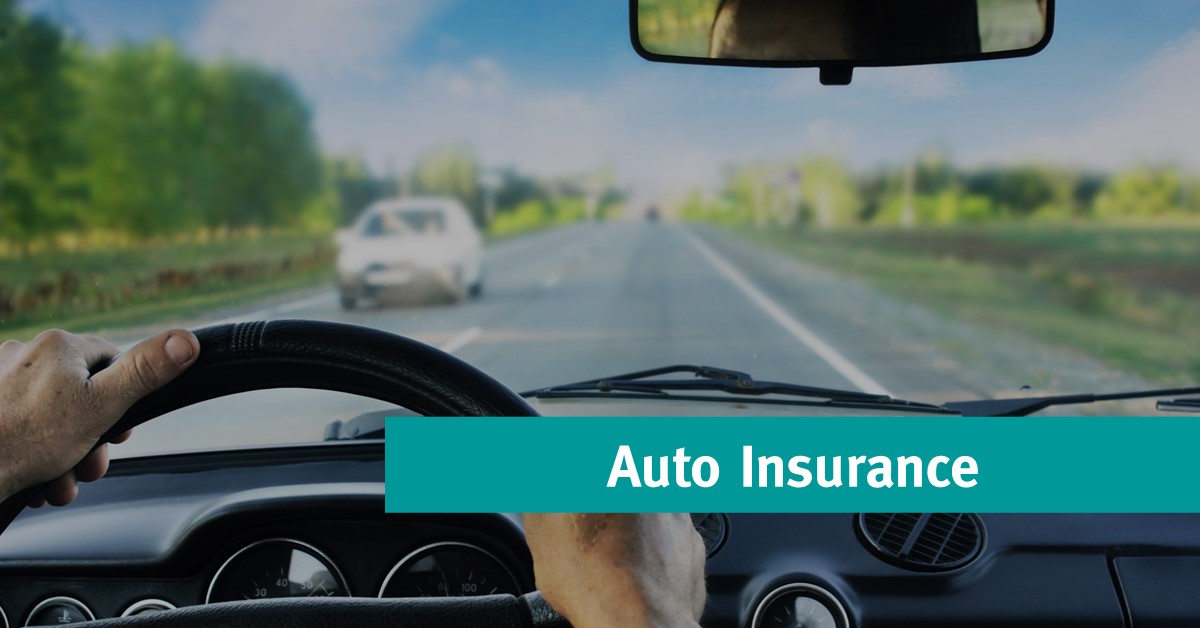
At Murphy Insurance, we are here to assist you in obtaining the appropriate auto insurance. Choosing the appropriate auto insurance coverage can be overwhelming. Every insurance company has its unique offerings, making it challenging to compare options effectively. That’s where we shine. We simplify the process by helping you evaluate provider and policy choices, seek out discounts, and optimize your car insurance within your budget constraints. Ultimately, our goal is to provide you with peace of mind, knowing that you and your loved ones are well-protected.
