
Protect yourself while renting a car —without wasting money.
If you’re looking to rent a car, depending on your needs and location, there are several alternatives—traditional brick-and-mortar companies, peer-to-peer car services, and car-sharing programs—each with its insurance parameters. It pays to understand your existing coverage first and then look at your rental insurance options.
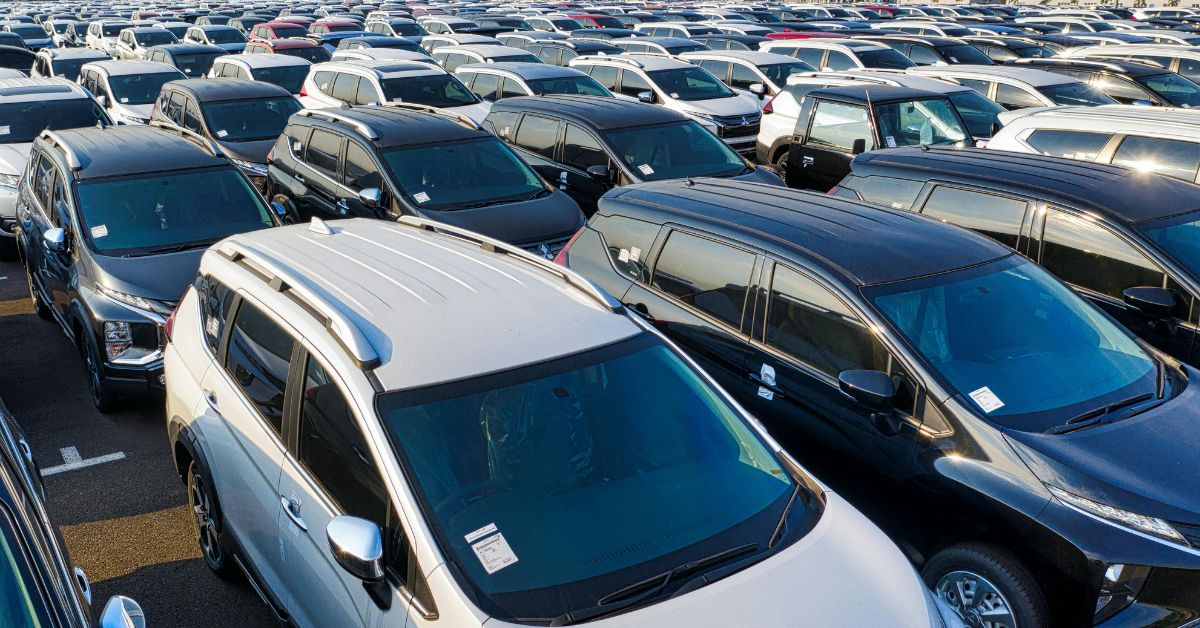
The most crucial step is to read and understand the car rental or car-sharing agreement, no matter what company or what kind of company you’re renting from. Most companies clearly state what is covered and the supplemental coverage that can be purchased. If you need help understanding, have the rental or car-sharing company representative walk you through it.
If You’re Renting a Car, Check Your Coverage First
Before you enter an agreement with any rental service, maximize the use of the insurance you’re already paying for and avoid paying for duplicate insurance.
If you own or lease a car and have homeowners insurance, call your insurer first to check the following:
- How much coverage you currently have on your own car—In most cases, whatever auto insurance and deductibles you have on your own car would apply when you rent a car (provided you are using the rental car for recreation and not for business).
- If you still have collision or comprehensive – If you dropped these coverages on your car to save money on your car insurance, you may not be covered if your rental car is stolen or damaged. Insurance rules vary by state, so it is best to check with your insurance professional for the specifics of your policy.
- Whether your homeowners or renters insurance covers the loss of possessions, these policies (not your car insurance) generally cover your belongings if they are damaged or stolen from your vehicle.
The credit card you use to rent a car may also provide some insurance. Though coverage is likely to be limited—for example, it may only cover the deductible if you make a claim—it’s worth knowing what protections it will provide.
- Know that benefits differ. Insurance coverage can depend on the company or bank that issues the card or even the card level. For example, a platinum card may offer more robust coverage than a green card. If you have multiple cards, you may want to compare the insurance they each provide for car renters.
- Contact the credit card issuer to find out what they cover. If you depend on a credit card for insurance protection, ask the company or bank that issued the card to send you their coverage information in writing.
- Credit card insurance benefits are usually secondary. They kick in after your personal insurance policy or the insurance coverage offered by the rental car company is utilized.
Insurance if You’re Renting From a Brick-and-Mortar Car Rental
Depending on what type of auto and homeowners insurance you carry, consider some of the insurance coverage provided by the rental car company. While auto insurance regulations, costs, and coverage will vary by state and insurer, consumers renting from traditional companies can generally choose from the following coverages:
- Loss Damage Waiver (LDW) – Also referred to as a collision damage waiver, an LDW is not technically an insurance product—it is designed to relieve or “waive” renters of financial responsibility if their rental car is damaged or stolen. Waivers may also provide coverage for “loss of use”* if the rental car company charges for the time a damaged car cannot be used because it is being fixed, as well as towing and administrative fees (see note below). The LDW may become void if the accident was caused by speeding, driving on unpaved roads, or driving while intoxicated. However, if you carry comprehensive and collision auto insurance, you may already be covered for damage to a rental car.
- Liability Insurance – By law, rental companies must provide the state-required minimum liability insurance coverage—often, this does not offer enough protection. If you carry your own auto insurance and have opted for higher liability limits (which is recommended), you’ll be adequately covered. Non-car owners who are frequent renters can purchase a non-owner liability policy, which can provide the additional liability needed.
- Personal Accident Insurance covers the driver and passengers for medical and ambulance bills for injuries caused in a car crash. Whether or not you should consider this depends on your health insurance and the personal injury protection (PIP) provided by your auto insurance, which will likely cover medical expenses.
- Personal Effects Coverage – This provides insurance protection for the theft of items from a rental car. Consider this if you do not have homeowners or renters insurance to cover this loss.
Insurance if You’re Using a Car-Sharing Service
With car-sharing programs, for a monthly or annual membership fee, consumers can pick up a vehicle at a wide range of locations to use from minutes to days. These programs are popular in urban settings where owning a car can be expensive or complicated but where it’s convenient to have a car available when needed. Coverage options vary widely, but some insurance is usually included.
The insurance offered by these types of companies is not standardized, so read the coverage information carefully (it can usually be found on the service’s website). If you have any questions, call the company’s customer service line. Contact your auto insurer if you feel you need more information to make an educated insurance coverage decision.
- Car-Sharing Programs (like ZipCar) generally include insurance costs in the fee. However, if the car is involved in a collision or is stolen, the renter may be billed a specific dollar amount stated in the membership agreement. For an additional cost, customers can purchase a “waiver” to avoid paying the accident fee.
- Many Car-Sharing Programs Limit Coverage for young drivers to the minimum state-required amount of liability. Renters under the age of 21 should read the insurance coverage carefully. If it’s not adequate for their needs, they can determine whether their parents’ auto insurance would cover them for the difference or purchase their non-owner liability policy.
Insurance if You’re Renting From a Peer-to-Peer Service
Peer-to-peer car rental networks enable consumers to rent personally owned cars from others. Insurance coverage varies widely, depending on location and service.
- Peer-to-peer Rental Services (like Turo) may offer a range of insurance options, and the driver may, under some circumstances, decline coverage.
Source: Insurance Information Institute
*Additional note from Murphy Insurance Agency: “Loss of use” of the rental vehicle in the event of an accident is NOT covered by a Massachusetts auto policy. The rental company could bill you an additional amount for the time period they cannot use their damaged vehicle while it is being repaired. For this reason, some rental drivers purchase rental coverage (“collision damage waiver”).
Please Contact Us at Murphy Insurance with any questions you may have about car rental insurance coverage.
 https://www.dfmurphy.com/wp-content/uploads/Understanding-Safety-and-Responsibility-at-the-Playground-2.jpg
628
1200
Wayne Texeira
https://dfmurphy.wpenginepowered.com/wp-content/uploads/Murphy-Insurance-Logo-Header.jpg
Wayne Texeira2026-09-28 07:00:242026-09-28 12:45:02Understanding Safety and Responsibility at the Playground
https://www.dfmurphy.com/wp-content/uploads/Understanding-Safety-and-Responsibility-at-the-Playground-2.jpg
628
1200
Wayne Texeira
https://dfmurphy.wpenginepowered.com/wp-content/uploads/Murphy-Insurance-Logo-Header.jpg
Wayne Texeira2026-09-28 07:00:242026-09-28 12:45:02Understanding Safety and Responsibility at the Playground https://www.dfmurphy.com/wp-content/uploads/Understanding-and-Preventing-Digital-Eye-Strain-1.jpg
628
1200
Wayne Texeira
https://dfmurphy.wpenginepowered.com/wp-content/uploads/Murphy-Insurance-Logo-Header.jpg
Wayne Texeira2026-09-21 11:30:102026-09-21 14:14:35Understanding and Preventing Digital Eye Strain
https://www.dfmurphy.com/wp-content/uploads/Understanding-and-Preventing-Digital-Eye-Strain-1.jpg
628
1200
Wayne Texeira
https://dfmurphy.wpenginepowered.com/wp-content/uploads/Murphy-Insurance-Logo-Header.jpg
Wayne Texeira2026-09-21 11:30:102026-09-21 14:14:35Understanding and Preventing Digital Eye Strain https://www.dfmurphy.com/wp-content/uploads/Pest-Prevention-Homeowners-Manual-Blog-Series-SMM.jpg
629
1200
Murphy Insurance
https://dfmurphy.wpenginepowered.com/wp-content/uploads/Murphy-Insurance-Logo-Header.jpg
Murphy Insurance2026-09-10 07:00:102026-09-04 14:01:19Pest Prevention | Homeowner’s Manual Blog Series
https://www.dfmurphy.com/wp-content/uploads/Pest-Prevention-Homeowners-Manual-Blog-Series-SMM.jpg
629
1200
Murphy Insurance
https://dfmurphy.wpenginepowered.com/wp-content/uploads/Murphy-Insurance-Logo-Header.jpg
Murphy Insurance2026-09-10 07:00:102026-09-04 14:01:19Pest Prevention | Homeowner’s Manual Blog Series https://www.dfmurphy.com/wp-content/uploads/Evan-Macedo-1200-x-628-.jpg
628
1200
Wayne Texeira
https://dfmurphy.wpenginepowered.com/wp-content/uploads/Murphy-Insurance-Logo-Header.jpg
Wayne Texeira2026-09-09 11:19:362026-09-10 15:39:23Murphy Insurance Welcomes Evan Macedo to Our Leadership Team
https://www.dfmurphy.com/wp-content/uploads/Evan-Macedo-1200-x-628-.jpg
628
1200
Wayne Texeira
https://dfmurphy.wpenginepowered.com/wp-content/uploads/Murphy-Insurance-Logo-Header.jpg
Wayne Texeira2026-09-09 11:19:362026-09-10 15:39:23Murphy Insurance Welcomes Evan Macedo to Our Leadership Team https://www.dfmurphy.com/wp-content/uploads/Should-You-Put-Your-Teen-on-Your-Car-Policy-or-Get-Them-Their-Own-.jpg
628
1200
Murphy Insurance
https://dfmurphy.wpenginepowered.com/wp-content/uploads/Murphy-Insurance-Logo-Header.jpg
Murphy Insurance2026-08-25 07:00:452026-08-24 13:16:18Should You Put Your Teen on Your Car Policy or Get Them Their Own?
https://www.dfmurphy.com/wp-content/uploads/Should-You-Put-Your-Teen-on-Your-Car-Policy-or-Get-Them-Their-Own-.jpg
628
1200
Murphy Insurance
https://dfmurphy.wpenginepowered.com/wp-content/uploads/Murphy-Insurance-Logo-Header.jpg
Murphy Insurance2026-08-25 07:00:452026-08-24 13:16:18Should You Put Your Teen on Your Car Policy or Get Them Their Own? https://www.dfmurphy.com/wp-content/uploads/Electrical-Safety-Homeowners-Manual-Blog-Series-.jpg
629
1200
Murphy Insurance
https://dfmurphy.wpenginepowered.com/wp-content/uploads/Murphy-Insurance-Logo-Header.jpg
Murphy Insurance2026-08-17 07:00:102026-08-13 11:17:19Electrical Safety | Homeowner’s Manual Blog Series
https://www.dfmurphy.com/wp-content/uploads/Electrical-Safety-Homeowners-Manual-Blog-Series-.jpg
629
1200
Murphy Insurance
https://dfmurphy.wpenginepowered.com/wp-content/uploads/Murphy-Insurance-Logo-Header.jpg
Murphy Insurance2026-08-17 07:00:102026-08-13 11:17:19Electrical Safety | Homeowner’s Manual Blog Series https://www.dfmurphy.com/wp-content/uploads/Home-Inventory-Made-Simple-The-30-Minute-Method-That-Helps-Claims-Go-Faster.jpg
628
1200
Murphy Insurance
https://dfmurphy.wpenginepowered.com/wp-content/uploads/Murphy-Insurance-Logo-Header.jpg
Murphy Insurance2026-08-13 07:00:152026-07-27 12:49:37Home Inventory Made Simple | The 30-Minute Method That Helps Claims Go Faster
https://www.dfmurphy.com/wp-content/uploads/Home-Inventory-Made-Simple-The-30-Minute-Method-That-Helps-Claims-Go-Faster.jpg
628
1200
Murphy Insurance
https://dfmurphy.wpenginepowered.com/wp-content/uploads/Murphy-Insurance-Logo-Header.jpg
Murphy Insurance2026-08-13 07:00:152026-07-27 12:49:37Home Inventory Made Simple | The 30-Minute Method That Helps Claims Go Faster https://www.dfmurphy.com/wp-content/uploads/College-students-1-scaled.jpg
1340
2560
Murphy Insurance
https://dfmurphy.wpenginepowered.com/wp-content/uploads/Murphy-Insurance-Logo-Header.jpg
Murphy Insurance2026-08-03 07:00:232026-05-21 12:46:40Do College Students Need Renters Insurance?
https://www.dfmurphy.com/wp-content/uploads/College-students-1-scaled.jpg
1340
2560
Murphy Insurance
https://dfmurphy.wpenginepowered.com/wp-content/uploads/Murphy-Insurance-Logo-Header.jpg
Murphy Insurance2026-08-03 07:00:232026-05-21 12:46:40Do College Students Need Renters Insurance? https://www.dfmurphy.com/wp-content/uploads/5-Ways-to-Stay-Cool-Under-Summer-Pressure.jpg
628
1200
Wayne Texeira
https://dfmurphy.wpenginepowered.com/wp-content/uploads/Murphy-Insurance-Logo-Header.jpg
Wayne Texeira2026-07-24 07:00:592026-08-14 13:03:125 Ways to Stay Cool Under Summer Pressure
https://www.dfmurphy.com/wp-content/uploads/5-Ways-to-Stay-Cool-Under-Summer-Pressure.jpg
628
1200
Wayne Texeira
https://dfmurphy.wpenginepowered.com/wp-content/uploads/Murphy-Insurance-Logo-Header.jpg
Wayne Texeira2026-07-24 07:00:592026-08-14 13:03:125 Ways to Stay Cool Under Summer PressureVisit Our Auto Insurance Page

At Murphy Insurance, we are here to assist you in obtaining the appropriate auto insurance. Choosing the appropriate auto insurance coverage can be overwhelming. Every insurance company has its unique offerings, making it challenging to compare options effectively. That’s where we shine. We simplify the process by helping you evaluate provider and policy choices, seek out discounts, and optimize your car insurance within your budget constraints. Ultimately, our goal is to provide you with peace of mind, knowing that you and your loved ones are well-protected.

