
Thanksgiving Kitchen Safety Tips to Keep Your Holiday Safe and Stress-Free
Thanksgiving is one of the most cherished holidays of the year. It is a time for gathering with loved ones, preparing delicious meals, and creating memories that last long after the leftovers are gone.
With so much cooking happening at once, the kitchen becomes the number one location for accidental fires and injuries during the holiday season.

At Murphy Insurance Agency, we want your celebration to be joyful and safe. Here are important Thanksgiving kitchen safety tips to help protect your home and loved ones, including guidance for anyone planning to deep fry a turkey this year.
Stay Focused While Cooking
- With multiple dishes simmering, baking, and roasting at once, distractions in the kitchen can quickly lead to accidents.
- Never leave cooking food unattended. Most cooking fires start when a stove or oven is left alone, even briefly.
- Use timers to stay on track when juggling several recipes.
- Keep kids and pets away from the cooking zone.
- Create a three-foot safety perimeter around the stove to prevent burns and spills.
Create a Safe Cooking Space
- Before the big day arrives, take a few minutes to prepare your kitchen and cooking area.
- Keep dish towels, oven mitts, decorations, and packaging far from heat sources.
- Turn pot handles inward to avoid spills or accidental bumping.
- Make sure a working fire extinguisher is nearby and easy to reach.
Use Your Oven Safely
- Thanksgiving often involves hours in the oven, so give it a little extra attention.
- Check for leftover crumbs or foil pieces that could smoke or ignite.
- Avoid overcrowding the oven so air can circulate properly.
- Keep a close eye on the broiler, which heats quickly and can burn food or start a fire if left unattended.
Deep Frying a Turkey: Safety First
Deep-fried turkey can be incredibly flavorful, but it is also one of the leading causes of Thanksgiving-related fires. If you plan to use a fryer, follow these essential safety tips.
- Only fry a turkey outdoors, far from your home, garage, porch, deck, or trees.
- Set up the fryer on a flat, non-combustible surface such as a driveway or patio.
- Don’t try to fry a frozen turkey, as this will cause a fire. Make sure the turkey is fully thawed and completely dry before frying. Water or ice causes dangerous oil splattering.
- Remove any moisture inside the cavity to prevent boil-overs when lowering the turkey into the oil.
- Do not overfill the fryer. Always follow the manufacturer’s guidelines for oil levels.
- Heat the oil slowly and keep the temperature steady. Overheating is a common cause of fryer fires.
- Never leave the fryer unattended at any point.
- Wear heat-resistant gloves, long sleeves, and closed-toe shoes.
- Keep children and pets far from the fryer area at all times.
- Keep a Class K fire extinguisher nearby if possible.
- Never use water on a grease fire. It can cause flames to spread rapidly.
Additional Tips for a Smooth Thanksgiving
- Test smoke alarms before the holiday.
- Keep kitchen floors clean and dry to avoid slips while carrying hot dishes.
- Store knives safely during meal prep and cleanup.
- Allow hot pans to cool before washing them to prevent burns.
Celebrate Safely With Family and Friends
Thanksgiving is about gratitude, connection, and comfort. A little preparation and awareness can go a long way toward keeping your home safe and your holiday enjoyable.
From all of us at Murphy Insurance Agency, we wish you a warm, happy, and safe Thanksgiving.
 https://www.dfmurphy.com/wp-content/uploads/Untitled-design-445.jpg
628
1200
Murphy Insurance
https://dfmurphy.wpenginepowered.com/wp-content/uploads/Murphy-Insurance-Logo-Header.jpg
Murphy Insurance2026-04-22 09:00:222026-04-21 16:19:36Plumbing & Water Damage Prevention | Homeowner’s Manual Blog Series
https://www.dfmurphy.com/wp-content/uploads/Untitled-design-445.jpg
628
1200
Murphy Insurance
https://dfmurphy.wpenginepowered.com/wp-content/uploads/Murphy-Insurance-Logo-Header.jpg
Murphy Insurance2026-04-22 09:00:222026-04-21 16:19:36Plumbing & Water Damage Prevention | Homeowner’s Manual Blog Series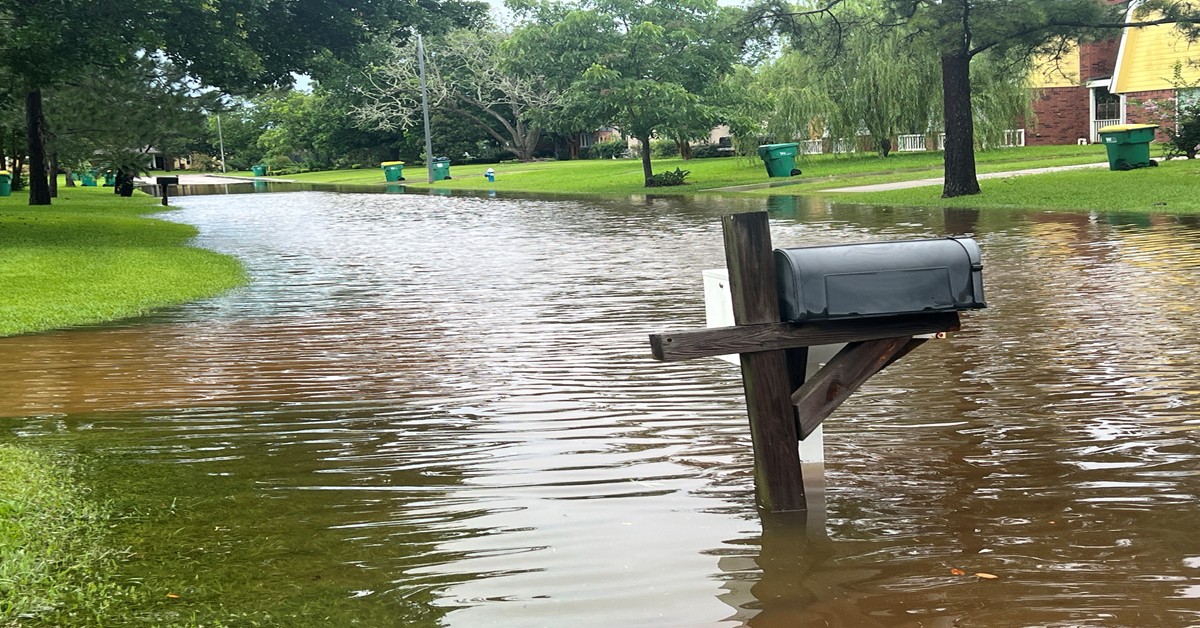 https://www.dfmurphy.com/wp-content/uploads/Why-Flood-Insurance-Matters.jpg
628
1200
Murphy Insurance
https://dfmurphy.wpenginepowered.com/wp-content/uploads/Murphy-Insurance-Logo-Header.jpg
Murphy Insurance2026-04-20 10:40:392026-04-22 16:43:31Why Flood Insurance Matters
https://www.dfmurphy.com/wp-content/uploads/Why-Flood-Insurance-Matters.jpg
628
1200
Murphy Insurance
https://dfmurphy.wpenginepowered.com/wp-content/uploads/Murphy-Insurance-Logo-Header.jpg
Murphy Insurance2026-04-20 10:40:392026-04-22 16:43:31Why Flood Insurance Matters https://www.dfmurphy.com/wp-content/uploads/Why-Umbrella-Insurance-Matters-for-Local-Families-in-Bolton-MA-1.jpg
628
1200
Murphy Insurance
https://dfmurphy.wpenginepowered.com/wp-content/uploads/Murphy-Insurance-Logo-Header.jpg
Murphy Insurance2026-04-09 12:15:122026-04-21 09:54:49Why Umbrella Insurance Matters for Local Families in Bolton, MA
https://www.dfmurphy.com/wp-content/uploads/Why-Umbrella-Insurance-Matters-for-Local-Families-in-Bolton-MA-1.jpg
628
1200
Murphy Insurance
https://dfmurphy.wpenginepowered.com/wp-content/uploads/Murphy-Insurance-Logo-Header.jpg
Murphy Insurance2026-04-09 12:15:122026-04-21 09:54:49Why Umbrella Insurance Matters for Local Families in Bolton, MA https://www.dfmurphy.com/wp-content/uploads/500-Blog-Posts.jpg
628
1200
Wayne Texeira
https://dfmurphy.wpenginepowered.com/wp-content/uploads/Murphy-Insurance-Logo-Header.jpg
Wayne Texeira2026-03-31 15:04:582026-03-31 15:26:29500 Blog Posts and Counting: A Milestone Worth Celebrating
https://www.dfmurphy.com/wp-content/uploads/500-Blog-Posts.jpg
628
1200
Wayne Texeira
https://dfmurphy.wpenginepowered.com/wp-content/uploads/Murphy-Insurance-Logo-Header.jpg
Wayne Texeira2026-03-31 15:04:582026-03-31 15:26:29500 Blog Posts and Counting: A Milestone Worth Celebrating https://www.dfmurphy.com/wp-content/uploads/Roof-Gutter-Care-Homeowners-Manual.jpg
628
1200
Murphy Insurance
https://dfmurphy.wpenginepowered.com/wp-content/uploads/Murphy-Insurance-Logo-Header.jpg
Murphy Insurance2026-03-25 20:10:112026-03-27 14:50:36Roof & Gutter Care | Homeowner’s Manual Blog Series
https://www.dfmurphy.com/wp-content/uploads/Roof-Gutter-Care-Homeowners-Manual.jpg
628
1200
Murphy Insurance
https://dfmurphy.wpenginepowered.com/wp-content/uploads/Murphy-Insurance-Logo-Header.jpg
Murphy Insurance2026-03-25 20:10:112026-03-27 14:50:36Roof & Gutter Care | Homeowner’s Manual Blog Series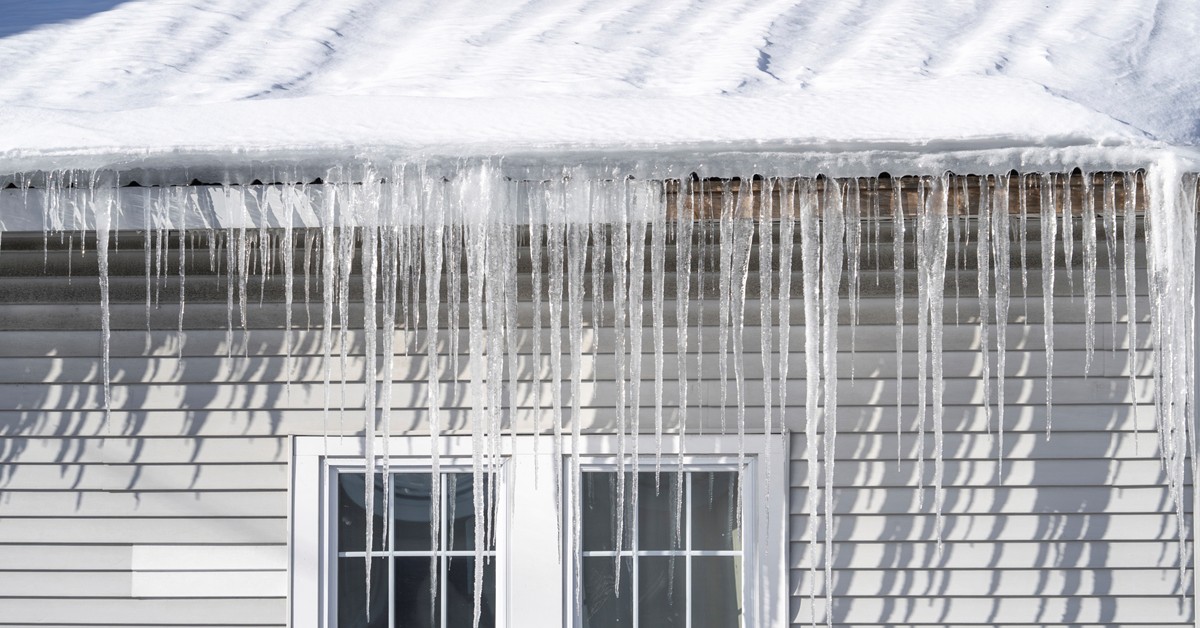 https://www.dfmurphy.com/wp-content/uploads/What-to-Do-When-Ice-Dams-Form-A-Practical-Guide-for-New-England-Homeowners.jpg
628
1200
Wayne Texeira
https://dfmurphy.wpenginepowered.com/wp-content/uploads/Murphy-Insurance-Logo-Header.jpg
Wayne Texeira2026-02-25 17:02:182026-02-25 17:06:07What to Do When Ice Dams Form: A Practical Guide for New England Homeowners
https://www.dfmurphy.com/wp-content/uploads/What-to-Do-When-Ice-Dams-Form-A-Practical-Guide-for-New-England-Homeowners.jpg
628
1200
Wayne Texeira
https://dfmurphy.wpenginepowered.com/wp-content/uploads/Murphy-Insurance-Logo-Header.jpg
Wayne Texeira2026-02-25 17:02:182026-02-25 17:06:07What to Do When Ice Dams Form: A Practical Guide for New England Homeowners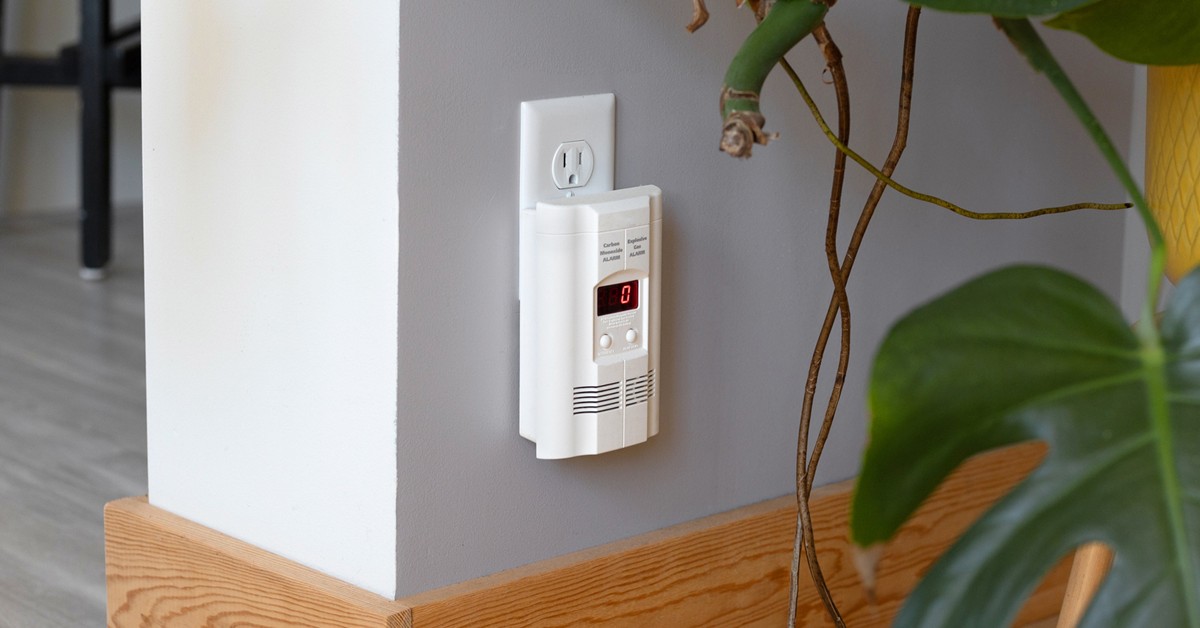 https://www.dfmurphy.com/wp-content/uploads/Carbon-Monoxide-Safety-for-Your-Home-and-Your-Vehicle.jpg
628
1200
Wayne Texeira
https://dfmurphy.wpenginepowered.com/wp-content/uploads/Murphy-Insurance-Logo-Header.jpg
Wayne Texeira2026-02-24 16:49:162026-03-13 16:01:26Carbon Monoxide Safety for Your Home and Your Vehicle
https://www.dfmurphy.com/wp-content/uploads/Carbon-Monoxide-Safety-for-Your-Home-and-Your-Vehicle.jpg
628
1200
Wayne Texeira
https://dfmurphy.wpenginepowered.com/wp-content/uploads/Murphy-Insurance-Logo-Header.jpg
Wayne Texeira2026-02-24 16:49:162026-03-13 16:01:26Carbon Monoxide Safety for Your Home and Your Vehicle https://www.dfmurphy.com/wp-content/uploads/Shoveling-snow-scaled.jpg
1340
2560
Murphy Insurance
https://dfmurphy.wpenginepowered.com/wp-content/uploads/Murphy-Insurance-Logo-Header.jpg
Murphy Insurance2026-02-05 12:33:242026-02-07 13:28:54Snowmelt Damage Prevention Tips
https://www.dfmurphy.com/wp-content/uploads/Shoveling-snow-scaled.jpg
1340
2560
Murphy Insurance
https://dfmurphy.wpenginepowered.com/wp-content/uploads/Murphy-Insurance-Logo-Header.jpg
Murphy Insurance2026-02-05 12:33:242026-02-07 13:28:54Snowmelt Damage Prevention Tips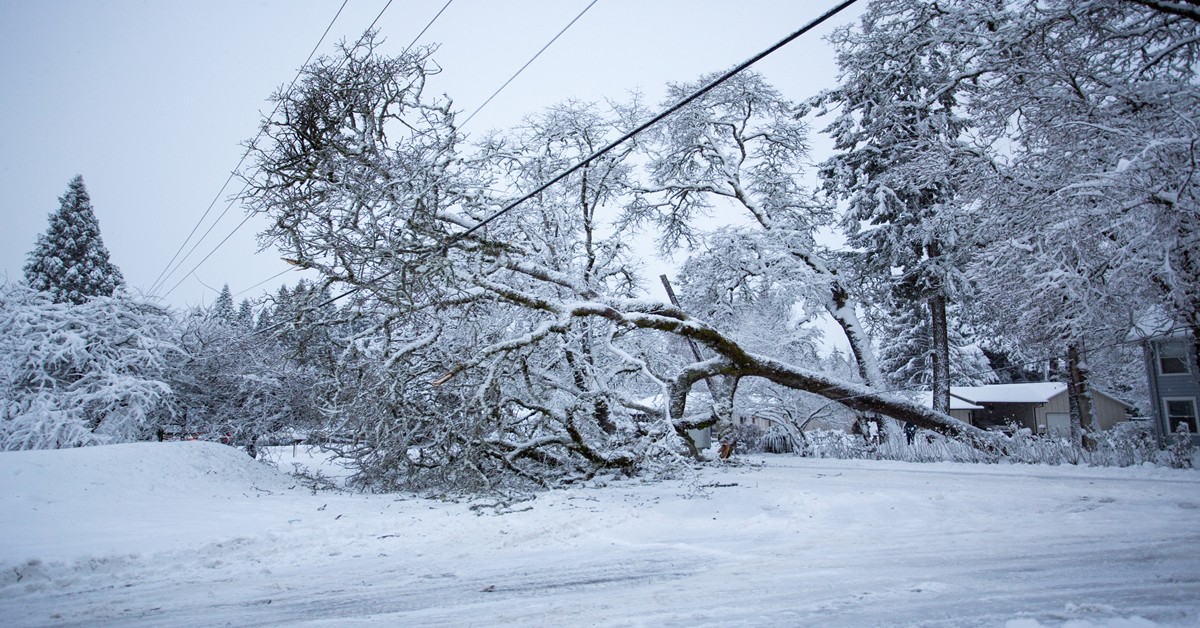 https://www.dfmurphy.com/wp-content/uploads/Be-Ready-for-Severe-Winter-Weather-Snowstorms-Ice-and-Extreme-Cold.jpg
628
1200
Murphy Insurance
https://dfmurphy.wpenginepowered.com/wp-content/uploads/Murphy-Insurance-Logo-Header.jpg
Murphy Insurance2026-01-22 18:03:182026-01-23 08:42:56Be Ready for Severe Winter Weather: Snowstorms, Ice, and Extreme Cold
https://www.dfmurphy.com/wp-content/uploads/Be-Ready-for-Severe-Winter-Weather-Snowstorms-Ice-and-Extreme-Cold.jpg
628
1200
Murphy Insurance
https://dfmurphy.wpenginepowered.com/wp-content/uploads/Murphy-Insurance-Logo-Header.jpg
Murphy Insurance2026-01-22 18:03:182026-01-23 08:42:56Be Ready for Severe Winter Weather: Snowstorms, Ice, and Extreme ColdVisit Our Homeowners Insurance Page

Life is an ever-changing journey, and it deserves a thoughtful, comprehensive plan to protect the things and people that matter most. Our dedicated team at Murphy Insurance is here to assist you in creating that plan. With a wide range of product options at our disposal, we ensure that your plan is tailored precisely to your requirements. Our commitment to providing clear, intelligent guidance to help you achieve true peace of mind. Learn more about our personal insurance portfolio.

