
Carbon Monoxide Safety for Your Home and Your Vehicle
Carbon monoxide (CO) is a serious hazard during New England winters. Heavy snow, freezing temperatures, and prolonged power outages can create conditions where carbon dioxide builds up quickly and silently.
Because carbon monoxide is colorless and odorless, people often do not notice it until symptoms appear.
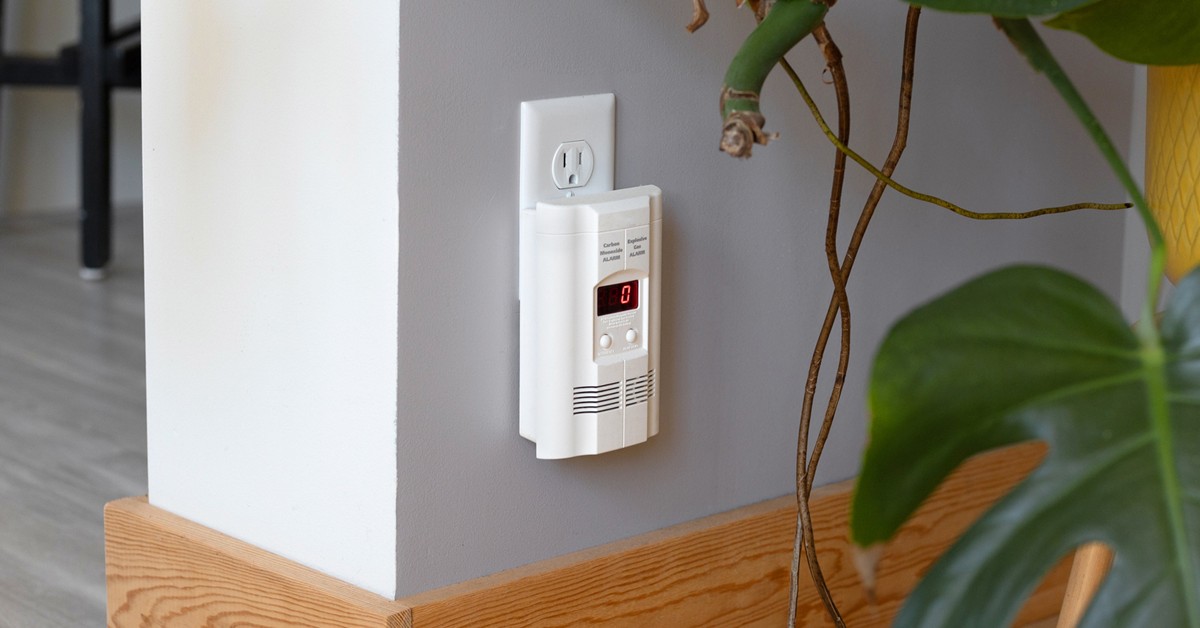
New England sees storms that can pile up snow quickly and block exterior vents, tailpipes, and chimneys in a matter of hours. Many residents know the routine, but some people in our communities may not have experienced a severe winter storm before. You may have friends, neighbors, tenants, or family members who are new to the region or simply have not lived through conditions like this. Sharing these safety reminders can help keep everyone protected when the weather becomes extreme.
Why Carbon Monoxide Risks Increase in Winter
Cold weather and storms can lead to several CO risks:
- Snow can block furnace, boiler, and dryer vents
- Power outages lead people to use backup heat sources
- Vehicles may be used to stay warm or charge phones
- Generators may be placed too close to the home during emergencies
Understanding these risks helps prevent dangerous situations.
In the Home: What Not To Do
These are definite Do Nots. They should never be done under any circumstances because they can cause dangerous CO buildup very quickly.
Do not:
- Use charcoal or gas grills inside the home or garage
- Run a generator inside the house, basement, garage, breezeway, or near windows or doors
- Heat your home using the oven or stovetop
- Warm up a vehicle in an attached garage
- Allow snow to cover or block exterior vents
Safe Alternatives
Here are safer ways to keep your home warm and reduce the risk of CO buildup:
- Use only indoor rated space heaters
- Place generators at least 20 feet away from the house
- Clear exterior vents and chimneys regularly during storms where snow and ice may accumulate
- Install and test CO detectors on every level of the home
In Your Car: Staying Warm Safely
Many people sit in their vehicles to stay warm or charge phones during storms, but it must be done carefully.
Before starting the engine:
- Clear the tailpipe completely of snow and ice
- Clear space behind the car for exhaust to escape
- Run the engine only occasionally for heat
- Keep a window slightly open for ventilation
- Turn the engine off if snow is drifting and building up around the vehicle
A blocked tailpipe can push CO into the vehicle cabin within minutes.
Recognizing CO Symptoms
Carbon monoxide poisoning often feels like a sudden illness. Watch for:
- Headache
- Dizziness or nausea
- Weakness or confusion
- Unusual sleepiness
If your CO alarm sounds or anyone shows symptoms, leave immediately and call 911.
Stay Safe
New England weather can be unpredictable, and winter storms can create hazards that are easy to overlook. Taking a few extra precautions, staying aware of how quickly snow can build up, and sharing these reminders with others can go a long way toward preventing carbon monoxide incidents. A little attention and preparation help keep your home, your vehicle, and your community safe all year long.
 https://www.dfmurphy.com/wp-content/uploads/Driver-with-phone-scaled.jpg
1340
2560
Murphy Insurance
https://dfmurphy.wpenginepowered.com/wp-content/uploads/Murphy-Insurance-Logo-Header.jpg
Murphy Insurance2026-04-02 09:46:182026-03-03 12:40:36Preventing Distracted Driving
https://www.dfmurphy.com/wp-content/uploads/Driver-with-phone-scaled.jpg
1340
2560
Murphy Insurance
https://dfmurphy.wpenginepowered.com/wp-content/uploads/Murphy-Insurance-Logo-Header.jpg
Murphy Insurance2026-04-02 09:46:182026-03-03 12:40:36Preventing Distracted Driving https://www.dfmurphy.com/wp-content/uploads/Financial-Literacy-Month-Graphic.jpg
628
1200
Murphy Insurance
https://dfmurphy.wpenginepowered.com/wp-content/uploads/Murphy-Insurance-Logo-Header.jpg
Murphy Insurance2026-04-01 08:00:382026-03-29 19:44:55Financial Literacy Month: Building Confidence in Your Financial Future
https://www.dfmurphy.com/wp-content/uploads/Financial-Literacy-Month-Graphic.jpg
628
1200
Murphy Insurance
https://dfmurphy.wpenginepowered.com/wp-content/uploads/Murphy-Insurance-Logo-Header.jpg
Murphy Insurance2026-04-01 08:00:382026-03-29 19:44:55Financial Literacy Month: Building Confidence in Your Financial Future https://www.dfmurphy.com/wp-content/uploads/500-Blog-Posts.jpg
628
1200
Wayne Texeira
https://dfmurphy.wpenginepowered.com/wp-content/uploads/Murphy-Insurance-Logo-Header.jpg
Wayne Texeira2026-03-31 15:04:582026-03-31 15:26:29500 Blog Posts and Counting: A Milestone Worth Celebrating
https://www.dfmurphy.com/wp-content/uploads/500-Blog-Posts.jpg
628
1200
Wayne Texeira
https://dfmurphy.wpenginepowered.com/wp-content/uploads/Murphy-Insurance-Logo-Header.jpg
Wayne Texeira2026-03-31 15:04:582026-03-31 15:26:29500 Blog Posts and Counting: A Milestone Worth Celebrating https://www.dfmurphy.com/wp-content/uploads/Roof-Gutter-Care-Homeowners-Manual.jpg
628
1200
Murphy Insurance
https://dfmurphy.wpenginepowered.com/wp-content/uploads/Murphy-Insurance-Logo-Header.jpg
Murphy Insurance2026-03-25 20:10:112026-03-27 14:50:36Roof & Gutter Care | Homeowner’s Manual Blog Series
https://www.dfmurphy.com/wp-content/uploads/Roof-Gutter-Care-Homeowners-Manual.jpg
628
1200
Murphy Insurance
https://dfmurphy.wpenginepowered.com/wp-content/uploads/Murphy-Insurance-Logo-Header.jpg
Murphy Insurance2026-03-25 20:10:112026-03-27 14:50:36Roof & Gutter Care | Homeowner’s Manual Blog Series https://www.dfmurphy.com/wp-content/uploads/Massachusetts-RMV-Text-Scams-Are-Rising-How-to-Protect-Yourself.jpg
628
1200
Murphy Insurance
https://dfmurphy.wpenginepowered.com/wp-content/uploads/Murphy-Insurance-Logo-Header.jpg
Murphy Insurance2026-03-18 17:30:532026-03-18 17:34:05Massachusetts RMV Text Scams Are Rising: How to Protect Yourself
https://www.dfmurphy.com/wp-content/uploads/Massachusetts-RMV-Text-Scams-Are-Rising-How-to-Protect-Yourself.jpg
628
1200
Murphy Insurance
https://dfmurphy.wpenginepowered.com/wp-content/uploads/Murphy-Insurance-Logo-Header.jpg
Murphy Insurance2026-03-18 17:30:532026-03-18 17:34:05Massachusetts RMV Text Scams Are Rising: How to Protect Yourself https://www.dfmurphy.com/wp-content/uploads/Understanding-the-Importance-of-Umbrella-Insurance-Why-Its-Worth-Considering.jpg
628
1200
Murphy Insurance
https://dfmurphy.wpenginepowered.com/wp-content/uploads/Murphy-Insurance-Logo-Header.jpg
Murphy Insurance2026-03-01 08:12:512026-03-11 12:10:54Understanding the Importance of Umbrella Insurance: Why It’s Worth Considering
https://www.dfmurphy.com/wp-content/uploads/Understanding-the-Importance-of-Umbrella-Insurance-Why-Its-Worth-Considering.jpg
628
1200
Murphy Insurance
https://dfmurphy.wpenginepowered.com/wp-content/uploads/Murphy-Insurance-Logo-Header.jpg
Murphy Insurance2026-03-01 08:12:512026-03-11 12:10:54Understanding the Importance of Umbrella Insurance: Why It’s Worth Considering https://www.dfmurphy.com/wp-content/uploads/What-to-Do-When-Ice-Dams-Form-A-Practical-Guide-for-New-England-Homeowners.jpg
628
1200
Wayne Texeira
https://dfmurphy.wpenginepowered.com/wp-content/uploads/Murphy-Insurance-Logo-Header.jpg
Wayne Texeira2026-02-25 17:02:182026-02-25 17:06:07What to Do When Ice Dams Form: A Practical Guide for New England Homeowners
https://www.dfmurphy.com/wp-content/uploads/Carbon-Monoxide-Safety-for-Your-Home-and-Your-Vehicle.jpg
628
1200
Wayne Texeira
https://dfmurphy.wpenginepowered.com/wp-content/uploads/Murphy-Insurance-Logo-Header.jpg
Wayne Texeira2026-02-24 16:49:162026-03-13 16:01:26Carbon Monoxide Safety for Your Home and Your Vehicle
https://www.dfmurphy.com/wp-content/uploads/What-to-Do-When-Ice-Dams-Form-A-Practical-Guide-for-New-England-Homeowners.jpg
628
1200
Wayne Texeira
https://dfmurphy.wpenginepowered.com/wp-content/uploads/Murphy-Insurance-Logo-Header.jpg
Wayne Texeira2026-02-25 17:02:182026-02-25 17:06:07What to Do When Ice Dams Form: A Practical Guide for New England Homeowners
https://www.dfmurphy.com/wp-content/uploads/Carbon-Monoxide-Safety-for-Your-Home-and-Your-Vehicle.jpg
628
1200
Wayne Texeira
https://dfmurphy.wpenginepowered.com/wp-content/uploads/Murphy-Insurance-Logo-Header.jpg
Wayne Texeira2026-02-24 16:49:162026-03-13 16:01:26Carbon Monoxide Safety for Your Home and Your Vehicle https://www.dfmurphy.com/wp-content/uploads/Mardi-Gras-2.jpg
628
1200
Murphy Insurance
https://dfmurphy.wpenginepowered.com/wp-content/uploads/Murphy-Insurance-Logo-Header.jpg
Murphy Insurance2026-02-20 17:25:302026-03-13 16:00:47Mardi Gras: Taste of the Chamber Brings Local Flavor and Networking to Marlborough
https://www.dfmurphy.com/wp-content/uploads/Mardi-Gras-2.jpg
628
1200
Murphy Insurance
https://dfmurphy.wpenginepowered.com/wp-content/uploads/Murphy-Insurance-Logo-Header.jpg
Murphy Insurance2026-02-20 17:25:302026-03-13 16:00:47Mardi Gras: Taste of the Chamber Brings Local Flavor and Networking to MarlboroughVisit Our Personal Insurance Page

Life is an ever-changing journey, and it deserves a thoughtful, comprehensive plan to protect the things and people that matter most. Our dedicated team at Murphy Insurance is here to assist you in creating that plan. With a wide range of product options at our disposal, we ensure that your plan is tailored precisely to your requirements. Our commitment to providing clear, intelligent guidance to help you achieve true peace of mind. Learn more about our personal insurance portfolio.

