Checklist de Seguro para Proprietários de Aluguéis de Férias na Nova Inglaterra
Owning a seasonal rental property in New England can be a rewarding investment, but it also brings insurance risks that differ from a primary residence. Many owners assume their homeowners policy is enough, only to discover gaps when a claim occurs. A careful review of coverage before each rental season can help protect both your property and your income.

Whether you rent out a lakeside cottage in the summer, a ski condo in the winter, or a coastal home during peak tourist months, seasonal properties face distinct exposures. Extreme weather, vacancy periods, and short-term tenants all introduce additional risk. Below is a practical insurance checklist to help ensure you are properly protected.
1. Confirm the Property Is Properly Classified
One of the most common issues we see is a property insured as a “second home” when it is actually being rented. Once you collect rental income, especially short-term rental income, the insurance classification typically changes. If the answer is yes to the following questions, you likely need landlord or commercial coverage rather than a standard homeowners policy.
Ask yourself:
- Do you rent the property regularly?
- Is it listed on Airbnb, VRBO, or similar platforms?
- Do you advertise it publicly?
2. Review Liability Coverage Limits
Short-term rentals increase liability exposure. Guests are unfamiliar with your property, which increases the risk of slips, falls, or other injuries. Liability claims can quickly become expensive. Ensuring adequate protection is one of the most important steps in your insurance checklist. Important considerations:
- Is your liability limit high enough?
- Do you have umbrella coverage?
- Does your policy exclude short-term rental activity?
3. Evaluate Vacancy and Unoccupied Home Restrictions
Seasonal properties in New England are often vacant for months at a time. Standard policies may restrict or reduce coverage after a home is vacant for 30–60 days. Make sure you understand how your policy defines “vacant” versus “unoccupied,” and confirm you comply with requirements such as maintaining heat or regular property checks. Common vacancy concerns:
- Frozen pipes during the winter months
- Undetected water leaks
- Vandalism
- Theft
4. Check Weather-Related Coverage
New England weather is unpredictable. Coastal storms, nor’easters, ice dams, and heavy snow loads can cause significant property damage. Remember, flood damage is typically not covered under a standard policy. If your rental property is near the coast, a lake, or in a flood-prone area, separate flood insurance may be necessary. Review your policy for:
- Windstorm and hurricane deductibles
- Ice dam coverage
- Water damage limitations
- Flood exclusions
5. Confirm Coverage for Rental Income Loss
Not all insurance carriers handle rental income loss the same way. If a fire or major storm makes your seasonal rental uninhabitable during peak season, the financial impact can be significant. Some insurers may offer protection for lost rental income, while others may exclude it or limit coverage. Never assume that you have this coverage.
When reviewing policies, confirm whether the carrier offers:
- Loss of rental income coverage, and how it is triggered;
- Business interruption protection for short-term or seasonal rentals;
- Coverage limits aligned with peak seasonal earnings
6. Review Property and Contents Coverage
Seasonal rentals are typically furnished. Furniture, appliances, décor, and recreational equipment (kayaks, bikes, grills) all add value and potential risk. High-end finishes or specialty features should be clearly documented to ensure proper valuation. Ask:
- Are contents insured at replacement cost?
- Are there exclusions for guest damage?
- Is the outdoor property adequately covered?
7. Consider Short-Term Rental Endorsements
Some insurers offer endorsements specifically designed for short-term rentals. These can bridge the gap between homeowners and full commercial policies. If you rent only occasionally, this option may be more cost-effective than a full commercial policy — but it must be structured correctly.
An endorsement may address:
- Increased liability exposure
- Guest-caused damage
- Frequent tenant turnover
8. Understand Platform Coverage Limitations
Many short-term rental platforms advertise host protection programs. However, these are not insurance policies and often have significant exclusions. Relying solely on platform protections can leave you exposed. Your primary protection should come from your own insurance policy. They may:
- Deny coverage for certain liability claims
- Exclude intentional acts by guests
- Provide limited reimbursement for property damage
9. Evaluate Umbrella Coverage
An umbrella policy adds an extra layer of liability protection above your primary property policy. This added layer can provide valuable peace of mind. For seasonal rental owners, umbrella coverage is often recommended because:
- Guest injury claims can escalate quickly
- Legal defense costs are high
- Rental activity increases exposure
10. Schedule an Annual Insurance Review
Rental usage can change from year to year. Maybe you rent more frequently, add amenities, renovate, or purchase new equipment. Keeping your insurance aligned with your current use prevents unpleasant surprises at claim time. Before each season:
- Review rental frequency
- Update property improvements
- Reassess income projections
- Confirm occupancy changes
Final Thoughts
Owning a seasonal rental in New England comes with unique responsibilities. Between harsh winters, coastal storms, periods of vacancy, and short-term guest turnover, the risks differ significantly from those of a primary residence. Taking time to review your coverage now can help protect your investment, your income, and your personal assets.
If you own a second home or short-term rental property and are unsure whether your current policy is sufficient, contact our team for help.
 https://www.dfmurphy.com/wp-content/uploads/What-to-Do-When-Your-Home-Insurance-Company-Requires-Repairs.jpg
629
1200
Murphy Insurance
https://dfmurphy.wpenginepowered.com/wp-content/uploads/Murphy-Insurance-Logo-Header.jpg
Murphy Insurance2026-06-16 07:00:042026-06-11 02:34:53O Que Fazer Quando a Sua Seguradora Exige Reparos
https://www.dfmurphy.com/wp-content/uploads/What-to-Do-When-Your-Home-Insurance-Company-Requires-Repairs.jpg
629
1200
Murphy Insurance
https://dfmurphy.wpenginepowered.com/wp-content/uploads/Murphy-Insurance-Logo-Header.jpg
Murphy Insurance2026-06-16 07:00:042026-06-11 02:34:53O Que Fazer Quando a Sua Seguradora Exige Reparos https://www.dfmurphy.com/wp-content/uploads/Swimming-Pool-Safety-Homeowners-Manual-Blog-Series-2.jpg
628
1200
Murphy Insurance
https://dfmurphy.wpenginepowered.com/wp-content/uploads/Murphy-Insurance-Logo-Header.jpg
Murphy Insurance2026-06-11 01:20:412026-06-11 01:42:14Segurança de Piscina | Blog Manual do Proprietário
https://www.dfmurphy.com/wp-content/uploads/Swimming-Pool-Safety-Homeowners-Manual-Blog-Series-2.jpg
628
1200
Murphy Insurance
https://dfmurphy.wpenginepowered.com/wp-content/uploads/Murphy-Insurance-Logo-Header.jpg
Murphy Insurance2026-06-11 01:20:412026-06-11 01:42:14Segurança de Piscina | Blog Manual do Proprietário https://www.dfmurphy.com/wp-content/uploads/Untitled-design-129.jpg
628
1200
Murphy Insurance
https://dfmurphy.wpenginepowered.com/wp-content/uploads/Murphy-Insurance-Logo-Header.jpg
Murphy Insurance2026-06-02 07:00:592026-05-19 08:50:13Seguro Residencial: Custo de Reconstrução vs. Valor de Mercado, Por que Isso Importa
https://www.dfmurphy.com/wp-content/uploads/Untitled-design-129.jpg
628
1200
Murphy Insurance
https://dfmurphy.wpenginepowered.com/wp-content/uploads/Murphy-Insurance-Logo-Header.jpg
Murphy Insurance2026-06-02 07:00:592026-05-19 08:50:13Seguro Residencial: Custo de Reconstrução vs. Valor de Mercado, Por que Isso Importa https://www.dfmurphy.com/wp-content/uploads/HVAC-System-Care-Energy-Efficiency-Homeowners-Manual-Blog-Series.jpg
628
1200
Murphy Insurance
https://dfmurphy.wpenginepowered.com/wp-content/uploads/Murphy-Insurance-Logo-Header.jpg
Murphy Insurance2026-05-28 07:00:422026-05-20 15:38:42Cuidados com o Sistema de HVAC e Eficiência Energética | Série de Blogs do Manual do Proprietário
https://www.dfmurphy.com/wp-content/uploads/HVAC-System-Care-Energy-Efficiency-Homeowners-Manual-Blog-Series.jpg
628
1200
Murphy Insurance
https://dfmurphy.wpenginepowered.com/wp-content/uploads/Murphy-Insurance-Logo-Header.jpg
Murphy Insurance2026-05-28 07:00:422026-05-20 15:38:42Cuidados com o Sistema de HVAC e Eficiência Energética | Série de Blogs do Manual do Proprietário https://www.dfmurphy.com/wp-content/uploads/Extension-Cord-1200.jpg
628
1200
Murphy Insurance
https://dfmurphy.wpenginepowered.com/wp-content/uploads/Murphy-Insurance-Logo-Header.jpg
Murphy Insurance2026-05-13 08:00:222026-05-17 12:03:31Mantenha-se Conectado à Segurança Elétrica Neste Maio
https://www.dfmurphy.com/wp-content/uploads/Extension-Cord-1200.jpg
628
1200
Murphy Insurance
https://dfmurphy.wpenginepowered.com/wp-content/uploads/Murphy-Insurance-Logo-Header.jpg
Murphy Insurance2026-05-13 08:00:222026-05-17 12:03:31Mantenha-se Conectado à Segurança Elétrica Neste Maio https://www.dfmurphy.com/wp-content/uploads/Hurricane-Season-in-New-England-What-Homeowners-Need-to-Know-to-Stay-Protected.jpg
628
1200
Murphy Insurance
https://dfmurphy.wpenginepowered.com/wp-content/uploads/Murphy-Insurance-Logo-Header.jpg
Murphy Insurance2026-05-07 09:00:162026-05-17 12:04:28Temporada de Furacões na Nova Inglaterra: O Que os Proprietários Precisam Saber para Ficar Protegidos
https://www.dfmurphy.com/wp-content/uploads/Insurance-Checklist-for-Owners-of-Vacation-Rentals-in-New-England.jpg
628
1200
Murphy Insurance
https://dfmurphy.wpenginepowered.com/wp-content/uploads/Murphy-Insurance-Logo-Header.jpg
Murphy Insurance2026-05-05 15:38:482026-05-17 12:04:43Checklist de Seguro para Proprietários de Aluguéis de Férias na Nova Inglaterra
https://www.dfmurphy.com/wp-content/uploads/Hurricane-Season-in-New-England-What-Homeowners-Need-to-Know-to-Stay-Protected.jpg
628
1200
Murphy Insurance
https://dfmurphy.wpenginepowered.com/wp-content/uploads/Murphy-Insurance-Logo-Header.jpg
Murphy Insurance2026-05-07 09:00:162026-05-17 12:04:28Temporada de Furacões na Nova Inglaterra: O Que os Proprietários Precisam Saber para Ficar Protegidos
https://www.dfmurphy.com/wp-content/uploads/Insurance-Checklist-for-Owners-of-Vacation-Rentals-in-New-England.jpg
628
1200
Murphy Insurance
https://dfmurphy.wpenginepowered.com/wp-content/uploads/Murphy-Insurance-Logo-Header.jpg
Murphy Insurance2026-05-05 15:38:482026-05-17 12:04:43Checklist de Seguro para Proprietários de Aluguéis de Férias na Nova Inglaterra https://www.dfmurphy.com/wp-content/uploads/Untitled-design-445.jpg
628
1200
Murphy Insurance
https://dfmurphy.wpenginepowered.com/wp-content/uploads/Murphy-Insurance-Logo-Header.jpg
Murphy Insurance2026-04-22 09:00:222026-05-17 12:17:58Plumbing & Water Damage Prevention | Homeowner’s Manual Blog Series
https://www.dfmurphy.com/wp-content/uploads/Untitled-design-445.jpg
628
1200
Murphy Insurance
https://dfmurphy.wpenginepowered.com/wp-content/uploads/Murphy-Insurance-Logo-Header.jpg
Murphy Insurance2026-04-22 09:00:222026-05-17 12:17:58Plumbing & Water Damage Prevention | Homeowner’s Manual Blog Series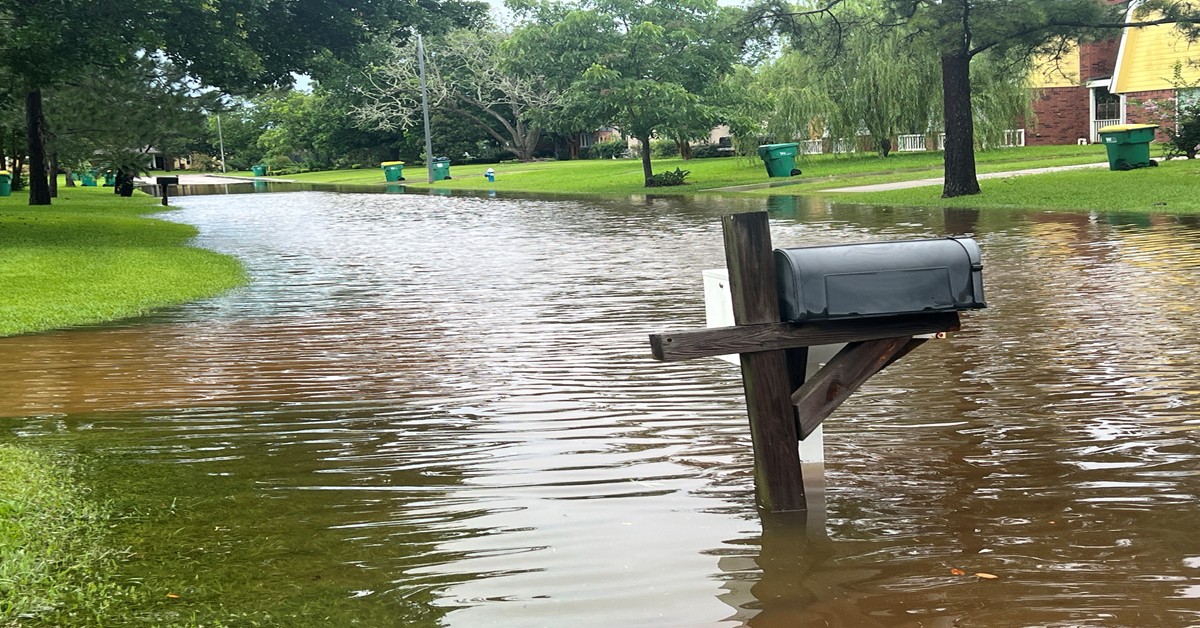 https://www.dfmurphy.com/wp-content/uploads/Why-Flood-Insurance-Matters.jpg
628
1200
Murphy Insurance
https://dfmurphy.wpenginepowered.com/wp-content/uploads/Murphy-Insurance-Logo-Header.jpg
Murphy Insurance2026-04-20 10:40:392026-05-17 12:18:07Why Flood Insurance Matters
https://www.dfmurphy.com/wp-content/uploads/Why-Flood-Insurance-Matters.jpg
628
1200
Murphy Insurance
https://dfmurphy.wpenginepowered.com/wp-content/uploads/Murphy-Insurance-Logo-Header.jpg
Murphy Insurance2026-04-20 10:40:392026-05-17 12:18:07Why Flood Insurance Matters